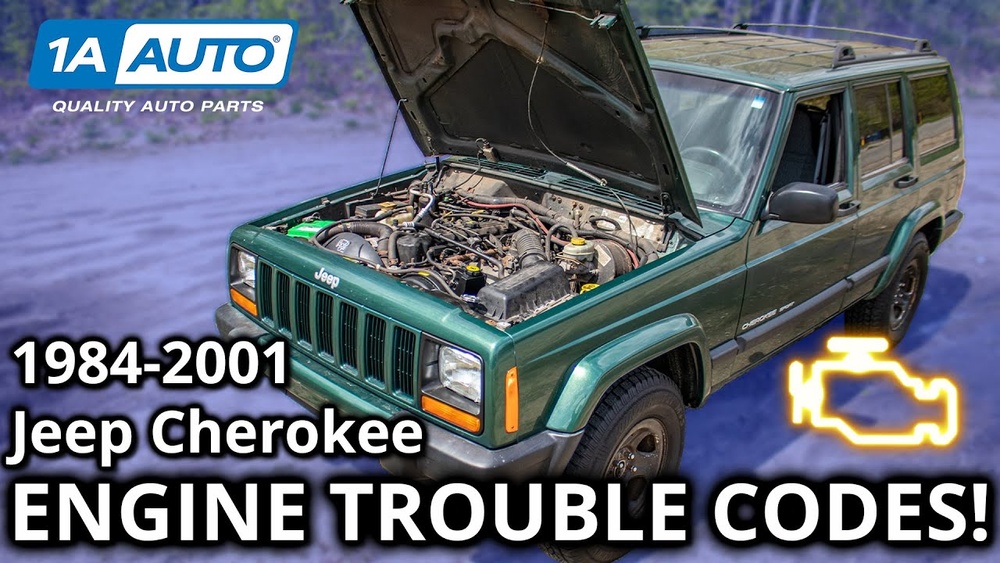
If your Jeep Cherokee’s engine light just came on, you might feel a mix of worry and confusion. What does that blinking or steady light really mean?
And how can you figure out what’s wrong without spending a fortune at the mechanic? You’re not alone—many Jeep owners face this exact moment and wonder where to start. The good news is, understanding your Jeep Cherokee engine light codes is easier than you think.
You’ll learn how to read those codes yourself, what common codes mean, and the simple steps you can take to diagnose and even fix some issues.
By the time you finish reading, you’ll feel confident taking control of your Jeep’s health and keeping it running smoothly. Keep reading you’ve got this.

Engine Light Basics
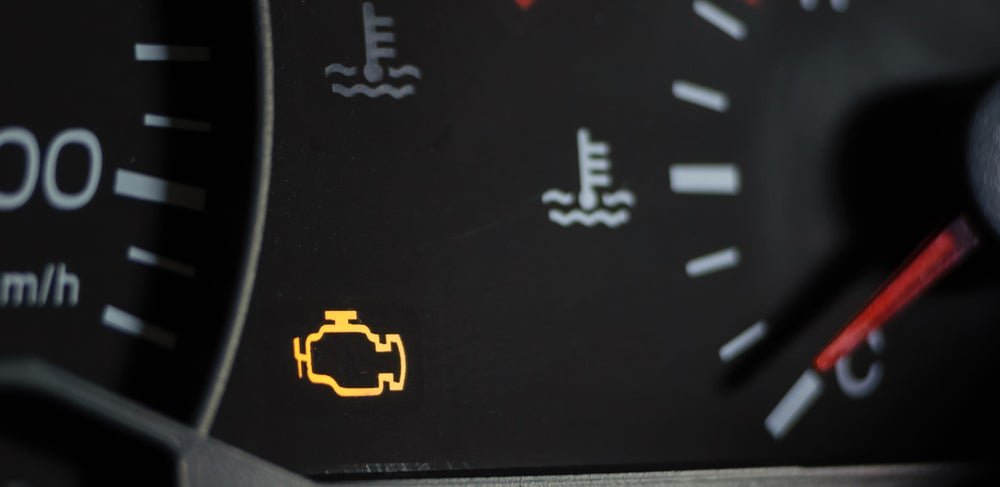
The engine light on a Jeep Cherokee dashboard signals a problem. It alerts drivers to issues affecting engine performance or emissions.
Understanding engine light basics helps identify what needs attention.
Most modern vehicles, including the Jeep Cherokee, use an onboard diagnostic system. This system detects faults and stores codes.
These codes explain the reason for the engine light activation.
What Engine Codes Mean
Engine codes are short messages from the vehicle’s computer. Each code points to a specific problem area.
For example, a code may indicate a misfire or an emissions issue.
Codes start with a letter followed by numbers. The letter “P” means powertrain, covering engine and transmission.
Numbers tell the exact fault type, like sensor failure or fuel problems.
Reading these codes requires a scanner tool or special procedures. Once read, codes guide mechanics or owners to fix the issue quickly.
Ignoring engine codes can lead to bigger problems.
Common Causes For Codes
Loose or damaged gas caps often trigger engine codes. They cause fuel vapor leaks, which the system detects.
Replacing or tightening the gas cap can clear the code.
Faulty spark plugs and ignition coils cause engine misfires. Misfires result in rough running and increased emissions. Replacing these parts usually solves the problem.
Dirty or failing sensors like oxygen or mass airflow sensors also cause codes. These sensors help manage fuel and air mixture.
Cleaning or replacing sensors restores proper engine function.
Other causes include vacuum leaks, failing catalytic converters, or fuel system issues. Each triggers specific codes that require targeted repairs.
Addressing these causes maintains vehicle health and efficiency.
Reading Codes Without A Scanner
Reading Jeep Cherokee engine light codes without a scanner is possible. This method helps drivers diagnose issues quickly.
It saves time and money. Knowing how to read codes manually aids in basic troubleshooting.
Two common ways exist to check codes without special tools. Both use the ignition and odometer functions.
These methods display error codes through the dashboard lights or odometer screen.
Using The Ignition And Odometer
Start by closing all doors. Insert the key into the ignition switch.
Turn the key to the ON or RUN position, but do not start the engine. Watch the check engine light or odometer display carefully.
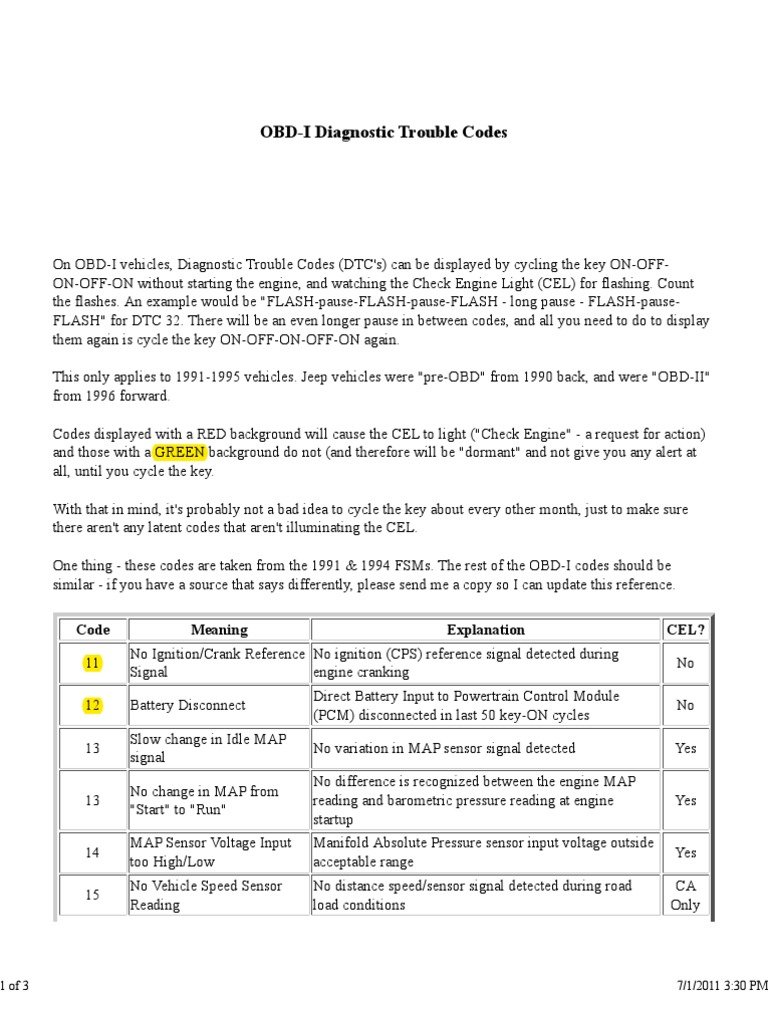
The engine light will flash in a specific pattern. These flashes represent trouble codes.
Count the flashes to understand the code number. Each code usually has two digits. A pause separates each code.
This method works on many Jeep Cherokee models. It gives you a quick way to find engine problems.
Note down all the codes shown. Later, look them up to know the exact issue.
Key And Trip Odometer Method
Insert the key and press the trip odometer reset button. Hold the button down firmly.
While holding, turn the ignition key to the ON position. Do not start the engine.
Release the trip button after the gauges sweep across the dashboard. The digital odometer will show the engine trouble codes.
Codes appear as a series of numbers. Each number relates to a specific engine fault.
Use this method for a clear, digital readout of error codes. It is simple and requires no extra tools.
Write down the codes to check what problems need fixing. This method helps keep your Jeep Cherokee running smoothly.
Frequent Jeep Cherokee Codes
The Jeep Cherokee is a popular SUV known for its ruggedness and reliability. Still, engine light codes can appear, signaling issues that need attention.
Understanding these codes helps identify problems early and avoid costly repairs.
Some codes show up more often than others in the Jeep Cherokee. These frequent codes point to common faults in the engine or emissions system.
Knowing what these codes mean can guide you in troubleshooting or explaining the problem to a mechanic.
P0300: Cylinder Misfire
This code means the engine has multiple misfires. Misfires happen when fuel does not burn properly in the cylinders.
Common causes include faulty spark plugs, bad ignition coils, or failing fuel injectors. Ignoring this code can lead to poor engine performance and higher emissions.
P0420: Catalyst Efficiency
The P0420 code signals low efficiency in the catalytic converter. The catalytic converter reduces harmful gases from the exhaust.
A failing converter or a damaged oxygen sensor can trigger this code. Fixing it quickly prevents damage to other parts and keeps emissions low.
P0456: Evaporative Leak
This code points to a small leak in the evaporative emission system. The system stops fuel vapors from escaping into the air.
A loose or damaged gas cap is often the cause. Sometimes, cracks in the vapor lines or canister lead to this issue. Tightening or replacing parts usually solves it.
P0171: Airflow Issues
Code P0171 means the engine is running too lean, with too much air and not enough fuel. This can happen due to a dirty mass airflow sensor, vacuum leaks, or a weak fuel pump.
Fixing these issues restores the right air-fuel mix and improves engine running.
P0135: Oxygen Sensor Fault
This code shows a problem with the oxygen sensor heater circuit. The oxygen sensor measures exhaust gases to help control fuel delivery.
Faulty sensors, wiring problems, or blown fuses can cause this code. Repairing the sensor or wiring restores proper engine function and reduces emissions.
Diagnosing Common Problems
Diagnosing common problems with Jeep Cherokee engine light codes helps save time and repair costs. The check engine light signals various issues, from simple to serious.
Identifying the root cause requires a step-by-step approach. Most problems involve basic parts like the gas cap, spark plugs, or sensors.
Understanding these areas improves your ability to maintain your vehicle and avoid breakdowns.
Inspecting The Gas Cap And Hoses
A loose or damaged gas cap often triggers the engine light. Check the cap for cracks or wear.
Tighten it firmly until you hear a click. Inspect nearby hoses for cracks or leaks.
These hoses control fuel vapors. Damaged hoses cause vapor leaks and engine light alerts.
Replacing faulty parts can clear the code and prevent fuel loss.
Checking Spark Plugs And Ignition
Faulty spark plugs cause misfires and engine light codes. Remove plugs and check for wear or deposits.
Replace plugs that look worn or dirty. Inspect ignition coils and wires for damage or corrosion.
Weak sparks reduce engine performance and trigger warnings. Maintaining spark plugs and ignition parts ensures smooth running and fewer errors.
Testing Sensors And Wiring
Many engine light codes relate to sensors and wiring issues. Common sensors include oxygen sensors and mass airflow sensors.
Use a multimeter to test sensor voltage and resistance. Check wiring for breaks, corrosion, or loose connections.
Faulty sensors send wrong data to the engine computer. Fixing wiring and replacing bad sensors can stop the check engine light from coming on.
Using An Obd-ii Scanner
Using an OBD-II scanner is the fastest way to understand Jeep Cherokee engine light codes. This tool reads the computer system in your vehicle. It gives you detailed information about problems causing the engine light to turn on. You can also clear the codes after fixing the issues. This saves time and money by avoiding unnecessary visits to the mechanic.
Anyone can use an OBD-II scanner with a few simple steps. The process starts with locating the diagnostic port.
Then you connect the scanner to the port to read the codes. After that, you may clear the codes to reset the engine light. Let’s explore these steps in detail.
Locating The Diagnostic Port
The OBD-II diagnostic port is easy to find in a Jeep Cherokee. Look under the dashboard on the driver’s side.
The port is usually near the steering column. It looks like a small trapezoid-shaped connector.
Sometimes it is behind a cover or panel. Make sure your vehicle is turned off before plugging in the scanner.
Reading And Clearing Codes
Plug the OBD-II scanner into the diagnostic port securely. Turn your Jeep’s ignition to the ON position without starting the engine.
Follow the scanner’s instructions to read the trouble codes. The scanner will show codes related to engine issues.
Write down or save these codes for reference.
After repairs, use the scanner to clear the codes. This action turns off the engine light.
Clearing codes resets the vehicle’s computer. If the problem is fixed, the light should stay off.
If it comes back, further diagnosis may be needed.
Recommended Scanner Options
Choose an OBD-II scanner that is easy to use and reliable. Basic handheld scanners work well for simple code reading and clearing.
Bluetooth scanners connect to a smartphone app for extra features. Some popular brands include BlueDriver, Autel, and FIXD.
These options provide clear instructions and support Jeep Cherokee codes.
Pick a scanner that fits your budget and needs. Ensure it supports all standard OBD-II codes.
A good scanner helps you save time and avoid costly repairs.
Next Steps After Code Retrieval
After retrieving your Jeep Cherokee engine light codes, taking the right next steps is crucial. These codes provide clues about the issues your vehicle faces.
Understanding what to do helps you avoid costly repairs and keeps your Jeep running smoothly.
Start by learning what each code means. This knowledge guides your actions.
Don’t ignore the codes or delay addressing them.
Researching Codes Online
Use trusted websites to look up your engine light codes. Many sites list common Jeep Cherokee codes with explanations.
Find out what each code means in simple terms. This step helps you understand possible causes and fixes.
Write down the codes and their descriptions. Compare them with your Jeep’s symptoms.
This process can save time and money before visiting a mechanic.
Consulting Jeep Forums
Jeep forums are great for advice from real owners. Search for your code and see how others fixed it.
Forums often include step-by-step guides and tips. You may find solutions for common problems or warnings about tricky repairs.
Join discussions to ask questions and share your experience. Community input often reveals practical fixes and parts recommendations.
When To Seek Professional Help
Not all codes require a mechanic, but some do. If a code points to serious engine or transmission issues, call a professional. Complex problems need special tools and expertise.
Also, seek help if the engine light stays on after resets or repairs. A certified Jeep technician can diagnose and fix hidden faults safely. Don’t risk damage by ignoring persistent warnings.
Preventing Future Engine Light Issues
Preventing future engine light issues on your Jeep Cherokee helps keep your vehicle reliable. Addressing small problems early avoids costly repairs and keeps the engine running smoothly.
Simple care steps maintain engine health and lower the chance of warning lights.
Regular Maintenance Tips
Follow the Jeep Cherokee’s service schedule closely. Change oil and filters on time to protect the engine.
Check belts and hoses for cracks or wear. Replace worn parts to prevent breakdowns.
Keep tire pressure correct to improve fuel efficiency. Regular tune-ups help spot issues before they trigger the engine light.
Fuel System Care
Use clean, high-quality fuel to avoid deposits in the engine. Replace the fuel filter as recommended to keep fuel flow steady.
Clean fuel injectors to ensure proper spray and combustion. Avoid running the tank too low, which can cause fuel pump damage.
Good fuel system care reduces engine stress and prevents warning codes.
Sensor Cleaning And Replacement
Sensors monitor engine conditions and send data to the computer. Dirty or faulty sensors can cause false engine light alerts.
Clean sensors like the mass airflow sensor regularly with proper cleaner. Replace oxygen sensors after their lifespan ends to maintain performance.
Sensor care ensures accurate engine readings and fewer error codes.
Frequently Asked Questions
Can I Drive My Jeep With The Engine Light On?
Driving your Jeep with the engine light on is risky. It may signal minor or serious issues.
Check the code and inspect your vehicle promptly. Avoid long drives until you diagnose and fix the problem to prevent further damage and costly repairs.
What Does A Car With Squiggly Lines Mean On A Jeep?
The squiggly lines symbol on a Jeep indicates the traction control or stability system is active. It helps maintain vehicle control on slippery surfaces.
What Is The Most Common Check Engine Light Code?
The most common check engine light code is P0300, indicating random or multiple cylinder misfires. It often results from faulty spark plugs, ignition coils, or fuel injectors.
How To Clear A Cel Without A Scanner?
Turn the ignition to ON without starting the engine. Hold the trip reset button until codes appear.
Note the codes, then disconnect the battery for 15 minutes to clear the CEL.
Conclusion
Understanding Jeep Cherokee engine light codes helps keep your vehicle running well. These codes point to issues that need attention, from simple gas cap problems to engine misfires.
Checking codes early can prevent costly repairs and improve safety. Use easy steps to read codes without special tools.
Regularly monitoring your engine light saves time and money. Stay informed, act quickly, and drive with confidence.