If your Jeep Cherokee’s check engine light just came on, you might be wondering what those flashing codes mean and how to decode them. You don’t have to be a mechanic to understand what’s going on under your hood.
Whether it’s a loose gas cap or something more serious like a misfire, knowing your Jeep Cherokee check engine light codes can save you time, money, and stress.
You’ll learn how to quickly read and interpret these codes, what common trouble codes mean, and what steps you should take next.
Ready to take control of your Jeep’s health? Let’s dive in.
Jeep Cherokee Code Basics
The Jeep Cherokee’s check engine light codes provide key insights into vehicle issues. Understanding these codes helps identify problems quickly.
It keeps your Jeep running smoothly and safely.
These codes come from the vehicle’s onboard diagnostic system. They help detect engine and emission system faults.
Knowing the basics lets you interpret warning signs properly.
Obd-i Vs Obd-ii Systems
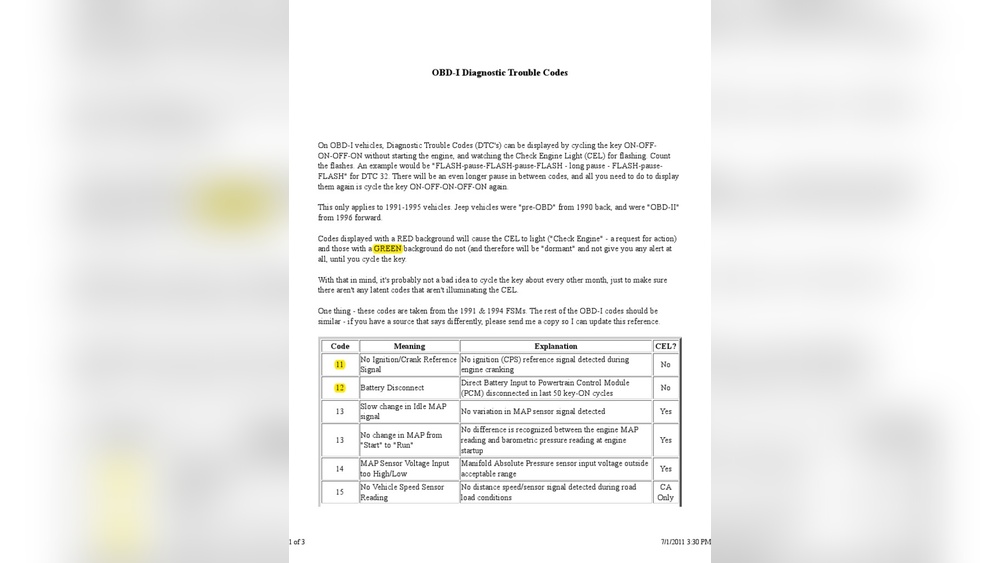
Older Jeep Cherokees use the OBD-I system. It offers limited code information.
Codes are usually numeric and require manual reading.
Newer models use OBD-II, a more advanced system. It provides detailed, standardized codes. These codes include letters and numbers.
OBD-II allows easier code reading with scanners. It improves diagnostics and repair accuracy. Most Cherokees after 1996 have OBD-II systems.
Common Warning Signs
Check engine light flashes or stays on. Engine runs rough or stalls unexpectedly.
Poor fuel economy or strange noises from the engine.
Difficulty starting the vehicle or hesitation during acceleration. Unusual exhaust smoke or smells.
These signs indicate a possible engine or emission issue.
Reading the check engine codes helps find the exact problem. Early diagnosis prevents costly repairs and breakdowns.

Checking Codes Without A Scanner
Checking Jeep Cherokee check engine light codes without a scanner is possible. This method helps you identify issues without buying extra tools. It uses the vehicle’s own systems to reveal trouble codes. These codes point to specific problems your Jeep might have. The process is simple and can save you time and money.
Using The Ignition And Trip Odometer
Start by making sure all doors are closed. Insert your key into the ignition.
Turn the ignition to the ON or RUN position. Do not start the engine.
Press and hold the trip odometer reset button on the dashboard. While holding it, turn the key to ON.
Release the button after the gauges move. Watch the digital display for the codes.
Each code will flash as a series of numbers. Write down the codes for further reference.
Reading Codes On The Digital Odometer
The digital odometer shows the check engine codes clearly. Codes appear as two-digit numbers.
A pause separates each code, helping you read them easily. Common codes include P0300 for misfires or P0420 for catalytic converter issues.
After the codes display, the odometer resets automatically. Use these codes to understand what needs fixing.
This method requires no special tools, just your Jeep’s ignition and buttons.
Top Jeep Cherokee Codes
The check engine light is a warning signal for Jeep Cherokee owners. It alerts to issues detected by the vehicle’s computer system.
Understanding the top Jeep Cherokee codes helps diagnose problems quickly. These codes pinpoint specific faults that affect your vehicle’s performance.
Knowing these codes saves time and money by guiding repairs.
Here are some of the most common Jeep Cherokee check engine light codes. Each code relates to a different vehicle system.
Learning what they mean helps you understand the necessary fixes.
P0300: Cylinder Misfire
The P0300 code signals random or multiple cylinder misfires. Misfires happen when fuel does not ignite properly in the engine.
Causes include worn spark plugs, bad ignition coils, or faulty fuel injectors. This issue can reduce engine power and increase emissions.
Fixing misfires improves fuel efficiency and smooth engine running.
P0420: Catalyst Efficiency
P0420 indicates the catalytic converter is not working efficiently. The converter helps reduce harmful exhaust gases.
A failing converter or damaged oxygen sensor triggers this code. Ignoring it may cause more pollution and fail emissions tests.
Repair or replace the converter to restore proper function.
P0456: Emission System Leak
This code warns of a small leak in the evaporative emission system. Common causes are a loose or missing gas cap.
Cracked EVAP lines or canisters also cause leaks. This leak allows fuel vapors to escape into the air.
Tightening or replacing the gas cap often fixes this problem.
P0171: Fuel And Air Issues
The P0171 code shows the engine runs too lean on fuel. It means there is too much air and not enough fuel.
Causes include a dirty mass airflow sensor, vacuum leaks, or a weak fuel pump. This condition can lead to poor engine performance and higher emissions.
Cleaning sensors or fixing leaks resolves the issue.
P0135: Oxygen Sensor Fault
P0135 signals a fault in the oxygen sensor heater circuit. Oxygen sensors measure exhaust gases to optimize engine fuel mixture.
A faulty sensor or wiring problem triggers this code. This fault can cause rough idling and increased fuel consumption.
Replacing the sensor or fixing wiring restores normal operation.
Common Causes For Codes
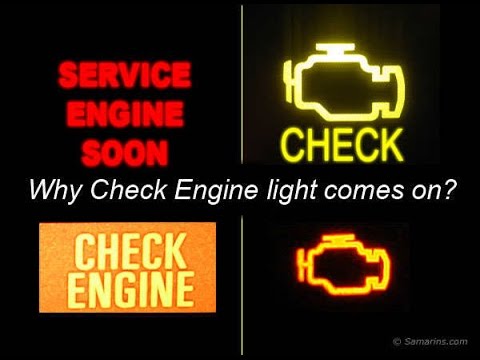
The check engine light in your Jeep Cherokee signals that the onboard computer found a problem. Codes stored in the system help identify the issue.
Understanding common causes for these codes can save time and money. This section explains frequent reasons behind check engine light codes.
Faulty Spark Plugs And Ignition
Worn or damaged spark plugs cause misfires and rough engine running. Bad ignition coils or wires also lead to poor combustion.
These problems trigger codes like P0300, indicating random or multiple cylinder misfires. Replacing spark plugs and ignition parts improves engine performance.
Fuel Injector Problems
Fuel injectors deliver fuel into the engine cylinders. If they clog or leak, the engine runs unevenly.
Faulty injectors cause poor fuel spray, leading to misfires or hesitation. Codes related to injectors often mean cleaning or replacing them is necessary.
Gas Cap And Evap System Issues
A loose or damaged gas cap can cause fuel vapors to escape. This triggers the EVAP system to store leak codes like P0456.
Cracks in EVAP hoses or a faulty canister also cause these errors. Checking and securing the gas cap is a quick fix.
Sensor Failures And Wiring
Sensors monitor engine conditions and send data to the computer. Faulty sensors like oxygen or mass airflow sensors cause inaccurate readings.
Wiring issues such as broken or corroded connectors also lead to code errors. Testing and replacing sensors often clears the check engine light.
Vacuum Leaks And Fuel Pump
Vacuum leaks let extra air enter the engine, disturbing the air-fuel mix. This causes rough idle and poor fuel economy.
A failing fuel pump reduces fuel pressure, causing stalling or hesitation. Codes like P0171 can indicate these problems.
Finding leaks or checking the fuel pump helps fix the issue.
Fixing Your Jeep Cherokee
Fixing your Jeep Cherokee after the check engine light comes on is important. Addressing the issue early can save you from costly repairs.
Start with simple steps to find the problem. Follow a clear process to fix your Jeep and keep it running well.
Visual Inspection Steps
Begin with a careful look under the hood. Check for loose or disconnected wires.
Look for damaged hoses or belts. Make sure the gas cap is tight and not cracked.
A loose gas cap often causes the check engine light.
Inspect for oil or fluid leaks around the engine. Check the battery terminals for corrosion.
Look at the air filter; a dirty filter can cause engine problems. Note any unusual smells or sounds from the engine area.
Using An Obd-ii Scanner
An OBD-II scanner reads your Jeep’s check engine light codes. Plug the scanner into the port under the dashboard. Turn on the ignition without starting the engine. Follow the scanner instructions to retrieve the codes.
Write down the codes shown on the scanner. These codes tell you what part or system has a problem.
Use the codes to research the exact issue. Some scanners also suggest simple fixes you can try.
Resetting The Check Engine Light
After fixing the issue, reset the check engine light. Most OBD-II scanners have a reset option.
Select reset and follow the prompts to clear the codes. You can also disconnect the battery for about 15 minutes to reset the light.
Start the engine and check if the light stays off. If the light returns, the problem may not be fully fixed.
Repeat the scan and inspection steps to find any missed issues. Keep your Jeep in good shape to avoid future warnings.
Resources For Code Lookup
Finding the right resources to look up Jeep Cherokee check engine light codes helps diagnose issues quickly. Understanding these codes can save time and money on repairs.
Several tools and communities make code lookup easier and more accurate.
These resources offer clear explanations and step-by-step guidance. They cover common codes and solutions specific to Jeep Cherokee models.
Access to reliable information improves your ability to address check engine alerts confidently.
Online Forums And Communities
Online forums gather Jeep Cherokee owners sharing experiences and advice. You find detailed discussions about specific check engine codes.
Users exchange tips on troubleshooting and fixing problems. These communities often include experts and mechanics offering free help.
Popular Jeep forums also contain archives of past issues and solutions. Reading through these threads helps understand complex error codes better.
Participation in forums encourages learning from real-world cases and mistakes.
Diagnostic Code Lists
Diagnostic code lists provide official meanings of check engine codes. They explain each code’s cause and possible fixes clearly.
These lists cover both generic OBD-II codes and Jeep-specific ones.
Many websites offer downloadable PDFs or searchable databases for quick reference. Using these lists helps decode alerts from your Jeep’s onboard computer.
They serve as a solid starting point before consulting a mechanic.
Youtube Tutorials
YouTube hosts many tutorials explaining Jeep Cherokee check engine codes. These videos show how to read and interpret codes step-by-step.
Visual guides make it easier to understand and follow instructions.
Mechanics and Jeep enthusiasts upload content demonstrating code retrieval and repairs. Watching these tutorials helps build confidence in DIY diagnostics.
You also see common fixes and tools used during the process.
Preventive Maintenance Tips
Maintaining your Jeep Cherokee regularly helps prevent check engine light issues. Simple care steps keep the engine running smoothly.
These tips reduce costly repairs and improve fuel efficiency. Follow these easy preventive maintenance tips to avoid common engine problems.
Regular Spark Plug Checks
Check spark plugs every 30,000 miles or as recommended. Worn plugs cause misfires and poor engine performance.
Replace damaged or dirty plugs promptly. Proper spark plug function ensures smooth starts and efficient fuel use.
Clean and gap plugs correctly for best results.
Fuel System Care
Use quality fuel to keep the system clean. Add fuel injector cleaner occasionally to remove deposits.
Replace fuel filters as scheduled to prevent clogs. A healthy fuel system supports strong engine power and reduces emissions.
Avoid running low on fuel to protect the pump.
Sensor Cleaning And Replacement
Clean sensors like the mass airflow (MAF) sensor regularly. Dirty sensors send wrong signals, causing the check engine light.
Replace faulty oxygen sensors on time to maintain fuel efficiency. Sensor care helps the engine run without errors and alerts.
Gas Cap Tightening Habits
Always tighten the gas cap until it clicks firmly. A loose or missing cap triggers evaporative system codes.
Check the cap regularly for cracks or damage. Replace worn caps to prevent fuel vapors from escaping.
Tight caps stop false check engine warnings and save fuel.

Frequently Asked Questions
What Is The Most Common Check Engine Code?
The most common check engine code is P0300, indicating random or multiple cylinder misfires. It often signals faulty spark plugs, ignition coils, or fuel injectors.
How To Check Engine Codes On Jeep Cherokee?
To check engine codes on a Jeep Cherokee, insert the key and turn to ON without starting. Hold the trip reset button, turn the key ON, then release.
Read codes on the odometer display. Use an OBD-II scanner for detailed diagnostics and code clearing.
What Does A Car With Squiggly Lines Mean On A Jeep?
A car with squiggly lines on a Jeep indicates the traction control or stability control system is active. It helps maintain vehicle stability on slippery roads.
What Are The Worst Years For The Jeep Cherokee To Avoid?
The worst Jeep Cherokee years to avoid are 2014, 2015, and 2016 due to frequent engine and transmission problems.
Conclusion
Knowing Jeep Cherokee check engine light codes helps you spot issues early. These codes point to problems like misfires, sensor faults, or leaks.
Checking codes is simple and can save time and money. Always address warning signs quickly to keep your Jeep running well.
Stay informed and maintain your vehicle regularly for safer driving.