The Jeep brand is famous for its off-road capabilities. Many people think of Jeeps as rugged vehicles built only for tough trails.
But how do these iconic SUVs handle everyday driving? This article explores Jeep car road handling, looking at what makes them unique on paved roads, how they compare to other SUVs, and what drivers can expect.
We will cover suspension, steering, braking, and how different models perform.
Understanding Jeep’s Road Handling Philosophy
Jeep’s core design often prioritizes off-road prowess. This means features like solid axles, high ground clearance, and robust suspension systems are common. While these are fantastic for crawling over rocks or mud, they can sometimes affect how a Jeep feels on smooth asphalt.
Historically, Jeeps, especially models like the Wrangler, were not designed for refined on-road comfort. Their solid front axles, while excellent for articulation off-road, can transmit more road imperfections to the cabin. This often results in a bumpier ride and less precise steering compared to vehicles with independent front suspension. The steering might feel heavier or less direct, requiring more input from the driver.
However, Jeep has evolved. Newer models, and even updated versions of classic ones, have made significant strides in improving on-road manners. The brand understands that most Jeep owners use their vehicles for daily commuting, family trips, and highway driving, not just weekend adventures. This has led to a balancing act: maintaining legendary off-road capability while enhancing comfort and performance on paved surfaces.
The Role Of Suspension
The suspension system is crucial for both off-road capability and on-road comfort. In many Jeeps, especially the Wrangler, the suspension is built for durability and travel. This means it can absorb large impacts from off-road obstacles.
- Solid Axle vs. Independent Suspension:
- Solid Axles (common in Wrangler): These are simple, strong, and great for keeping wheels on the ground over uneven terrain. On the road, they can sometimes feel less refined. They tend to transmit more vibrations and can make the vehicle feel less planted, especially at higher speeds or on uneven pavement.
- Independent Suspension (common in Grand Cherokee, Cherokee, Compass, Renegade): This system allows each wheel to move independently. It generally provides a smoother ride and better handling on paved roads because it isolates the cabin from many road imperfections. It also allows for more precise wheel control, improving grip and stability.
Jeep engineers have worked to mitigate the downsides of solid axles. They use sophisticated shock absorbers and springs to provide a more controlled ride.
For models with independent suspension, Jeep tunes them to offer a good balance between comfort and responsive handling.
Steering And Stability
Steering in a Jeep can vary significantly by model. The Wrangler, with its solid front axle, often has a steering system that feels more direct but can be prone to “wandering” on the highway, requiring constant minor adjustments. This is partly due to the large, aggressive tires often fitted to Wranglers, which can follow road grooves.
Models like the Grand Cherokee and Cherokee, using independent suspension and more car-like steering racks, offer a much more familiar and stable steering experience. They feel more planted, require less effort, and provide better feedback to the driver, making highway cruising and maneuvering in tight spaces much easier.
Stability on the road is also a key factor. While Jeeps are generally stable, their higher center of gravity, especially in models like the Wrangler, can lead to more body roll when cornering aggressively. Newer models have electronic stability control systems that help manage this, but they are still not sports cars. For daily driving, they offer adequate stability, particularly in straight-line cruising.
Braking Performance
Braking systems in Jeeps are designed to handle the weight and potential stresses of off-road driving and towing. Most models come equipped with disc brakes on all four wheels, often with anti-lock braking systems (ABS) and electronic brake-force distribution (EBD).
- Standard Braking: For everyday driving, the brakes on most Jeeps feel strong and responsive. They provide confident stopping power in typical traffic situations.
- Off-Road Considerations: While not directly road handling, the braking systems are also engineered to function in dusty or wet conditions, which can indirectly benefit on-road performance by maintaining reliability.
- Performance Models: Performance-oriented trims, like those found on the Grand Cherokee SRT or Trackhawk, feature significantly upgraded braking systems with larger rotors and multi-piston calipers for enhanced stopping power, comparable to high-performance sedans.
Model-specific Road Handling Characteristics
The Jeep lineup offers a diverse range of vehicles, each with its own approach to road handling. Understanding these differences is key to choosing the right Jeep for your needs.
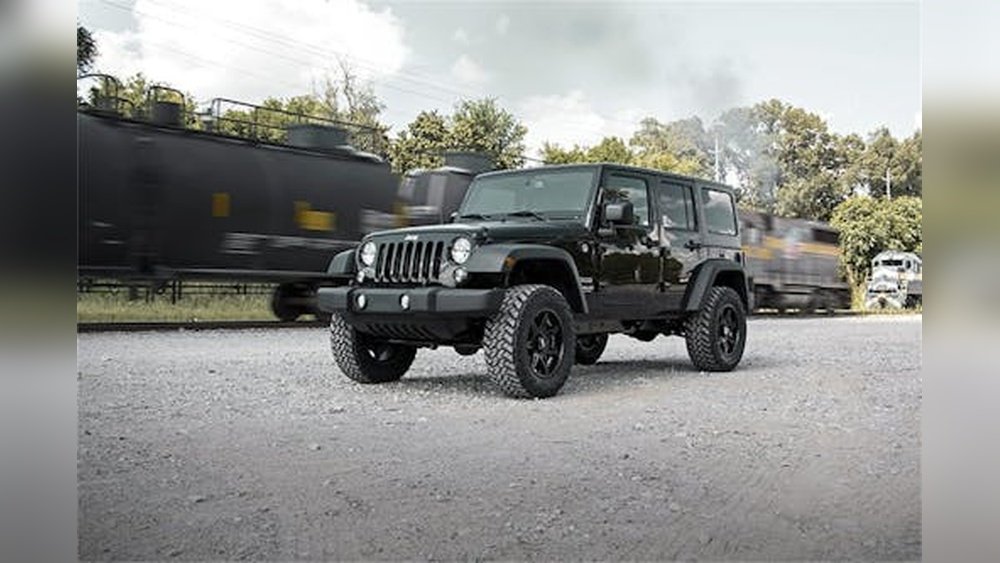
Jeep Wrangler
The Jeep Wrangler is the quintessential Jeep, and its road handling is a direct reflection of its off-road focus.
- Ride Comfort: Expect a firm, sometimes bouncy ride, especially on rough pavement. The solid front axle transmits more road imperfections than independent suspension systems. Large tires, often with knobby treads, can also contribute to road noise and a less smooth feel.
- Steering: The steering is typically direct but can feel vague at highway speeds. It may require more frequent small corrections to keep the vehicle centered in its lane, especially on grooved highways.
- Cornering: Body roll is noticeable when cornering, especially at higher speeds. The Wrangler is not designed for aggressive cornering, and its tall, narrow stance contributes to this.
- Highway Cruising: While capable, highway driving in a Wrangler is generally less refined than in other SUVs. It can be noisy, and wind buffeting is more pronounced, especially with the top and doors removed. However, newer generations (JL) have made significant improvements in on-road refinement compared to older models (JK and earlier).
Pro Tip: For improved on-road manners in a Wrangler, consider models with the 2.0L turbocharged engine, which can offer a smoother power delivery. Also, opting for tires with a less aggressive tread pattern and a higher speed rating can make a noticeable difference.
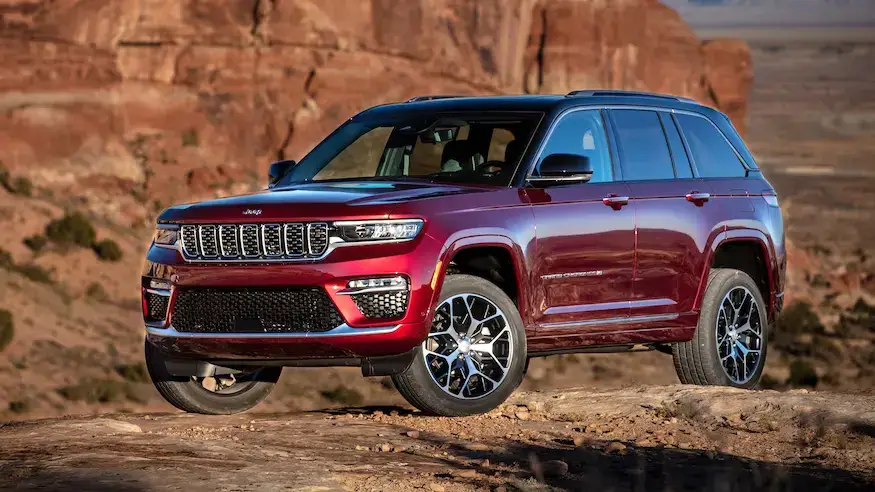
Jeep Grand Cherokee
The Jeep Grand Cherokee is Jeep’s flagship SUV, aiming for a more luxurious and comfortable experience, blending on-road refinement with off-road capability.
- Ride Comfort: Thanks to its independent front and rear suspension, the Grand Cherokee offers a significantly smoother and more comfortable ride than the Wrangler. It effectively absorbs bumps and road imperfections, making it an excellent choice for long-distance travel and daily commuting. Models with air suspension (like the Quadra-Lift system) further enhance comfort by allowing adjustable ride height and damping.
- Steering: The steering is precise, well-weighted, and provides good feedback. It feels planted and stable at highway speeds, and maneuvering in parking lots is effortless.
- Cornering: While it exhibits some body roll, it is much more controlled than in a Wrangler. The Grand Cherokee feels confident and composed around corners, offering a secure driving experience. Performance-oriented trims (SRT, Trackhawk) have sport-tuned suspensions that dramatically reduce body roll and enhance cornering agility.
- Highway Cruising: This is where the Grand Cherokee shines. It is quiet, stable, and comfortable on the highway, rivaling many luxury SUVs.
Jeep Cherokee
The Jeep Cherokee (KL generation) sits between the Compass and Grand Cherokee, offering a good balance of on-road comfort and moderate off-road capability.
- Ride Comfort: It features an independent suspension system that provides a comfortable ride for daily driving. It handles most road surfaces well, though it might not feel as plush as the larger Grand Cherokee.
- Steering: Steering is responsive and direct, making it easy to maneuver in urban environments and feel confident on the highway.
- Cornering: The Cherokee handles corners competently with moderate body roll. It feels more agile than larger SUVs but less sporty than a dedicated car.
- Overall: It’s a well-rounded vehicle for those who want Jeep’s signature style and some off-road ability without sacrificing too much on-road comfort.
Jeep Compass & Renegade
These are Jeep’s smaller offerings, designed primarily for urban use and light off-roading.
- Ride Comfort: Both the Compass and Renegade offer a comfortable ride for their class, benefiting from independent suspension. They handle city streets and highways well, absorbing typical road imperfections effectively. The Renegade, with its more upright stance, might feel a bit less stable at very high speeds compared to the Compass.
- Steering: Steering is generally light and responsive, making them easy to drive and park. They feel nimble and car-like.
- Cornering: Body roll is present but well-managed for their size and segment. They offer predictable handling for everyday driving scenarios.
- Off-Road Capability: While capable of light trails, their smaller size and less robust underpinnings mean they are not intended for extreme off-roading. Their road handling characteristics are far more refined than a Wrangler.

Factors Influencing Jeep’s Road Handling
Several components and design choices directly impact how a Jeep behaves on paved roads. Understanding these can help manage expectations and appreciate the engineering involved.
Tire Choice And Size
The tires on any vehicle play a massive role in its handling, and this is especially true for Jeeps.
- Aggressive Off-Road Tires: Many Jeep owners, particularly Wrangler enthusiasts, opt for all-terrain (AT) or mud-terrain (MT) tires. These tires have aggressive tread patterns designed for maximum grip off-road. On pavement, however, they can lead to:
- Increased road noise.
- Reduced fuel efficiency.
- Slower steering response.
- A tendency to wander or follow road grooves.
- Longer braking distances.
- Street Tires: If on-road comfort and performance are priorities, choosing highway-terrain (HT) or all-season (AS) tires with a smoother tread pattern can dramatically improve the driving experience.
- Tire Pressure: Maintaining the correct tire pressure, as recommended by the manufacturer, is crucial for optimal handling, ride comfort, and tire wear.
Drivetrain And 4wd Systems
Jeep’s famous 4×4 systems are designed for capability, but they can also influence on-road handling.
- Full-Time 4WD: Systems like the Quadra-Drive II in the Grand Cherokee can operate in 4WD mode constantly, distributing power between the front and rear axles as needed. This can enhance traction and stability on slippery roads.
- Part-Time 4WD: Systems common in Wranglers (Command-Trac, Rock-Trac) are typically engaged manually. When driving in 4WD High on dry pavement, it can cause drivetrain binding, leading to sluggish handling and potential damage. These systems are best used in 2WD mode on dry roads and engaged in 4WD only on slippery surfaces (snow, ice, mud, gravel).
- Electronic Traction Control: Modern Jeeps are equipped with advanced electronic traction and stability control systems that actively manage wheel slip and help maintain control during challenging on-road conditions.
Weight And Weight Distribution
The weight of a Jeep and how that weight is distributed significantly affects its handling dynamics. Heavier vehicles generally require more braking force and are more susceptible to inertia during cornering.
- Center of Gravity: Jeeps, especially the Wrangler, tend to have a higher center of gravity due to their ground clearance and robust construction. This contributes to body roll in turns.
- Payload and Towing: When loaded with passengers, cargo, or towing a trailer, the weight distribution changes, which can alter the vehicle’s handling characteristics. It’s important to be aware of the Jeep’s payload capacity and towing limits.
Aerodynamics
While not as critical as suspension or tires, a vehicle’s aerodynamic shape influences stability, especially at higher speeds. The boxy, upright design of some Jeeps, particularly the Wrangler, can create more wind resistance and make them more susceptible to crosswinds on the highway. Newer designs often incorporate subtle aerodynamic improvements to mitigate this.
Comparing Jeep To Competitors On The Road
How does Jeep’s road handling stack up against other SUVs in its respective classes?
| Feature | Jeep Wrangler | Jeep Grand Cherokee | Toyota 4Runner | Ford Bronco | Land Rover Defender |
|---|---|---|---|---|---|
| **On-Road Ride** | Firm, can be bumpy, less refined | Smooth, comfortable, near-luxury | Firm, truck-like, less refined | Improved over Wrangler, but still firm | Very refined, comfortable |
| **Steering** | Vague at highway speeds, requires adjustment | Precise, well-weighted, stable | Vague, requires more input | Better than Wrangler, but not car-like | Precise, responsive |
| **Cornering** | Significant body roll, not for aggressive use | Composed, manageable body roll | Noticeable body roll, stable | Good, but with some body roll | Excellent, minimal body roll |
| **Highway Stability** | Can be affected by crosswinds/grooves | Excellent, very stable | Good, but can feel less planted | Good, improved over Wrangler | Excellent, very stable |
| **Primary Focus** | Extreme Off-Road | Luxury/Comfort with Off-Road Capability | Rugged Off-Road, Durability | Off-Road Capability with Modern Tech | Premium Off-Road and On-Road Luxury |
Note: This table provides general comparisons. Specific trims, tire choices, and optional equipment can significantly alter the driving experience for each vehicle.
Wrangler Vs. Bronco
The Ford Bronco was designed as a direct competitor to the Jeep Wrangler, aiming to offer similar off-road prowess with potentially better on-road manners. Early reviews suggest the Bronco offers a more refined on-road experience than the Wrangler, particularly in terms of steering and ride comfort, thanks to its independent front suspension. However, the Wrangler remains a benchmark for raw off-road capability and aftermarket support.
Grand Cherokee Vs. Luxury Rivals
The Jeep Grand Cherokee competes in a crowded segment that includes vehicles like the Toyota Highlander, Ford Explorer, and luxury offerings such as the BMW X5 or Audi Q7. On-road, the Grand Cherokee offers a compelling blend of comfort, power, and capability, often at a more accessible price point than its European luxury counterparts. Its independent suspension and well-tuned chassis provide a ride quality that is competitive within its class, though some luxury brands might offer even higher levels of refinement and quieter cabins.
Enhancing Jeep’s Road Handling
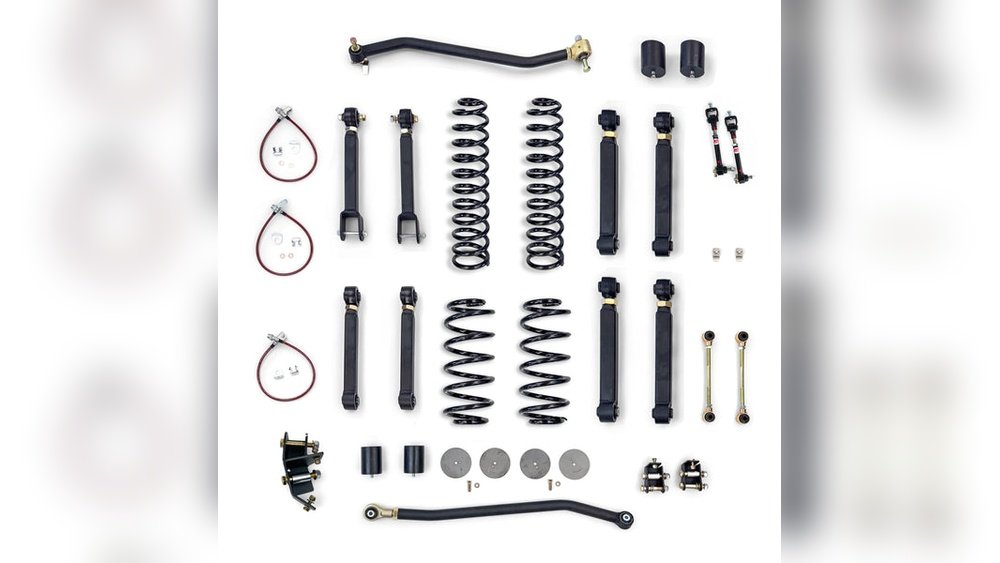
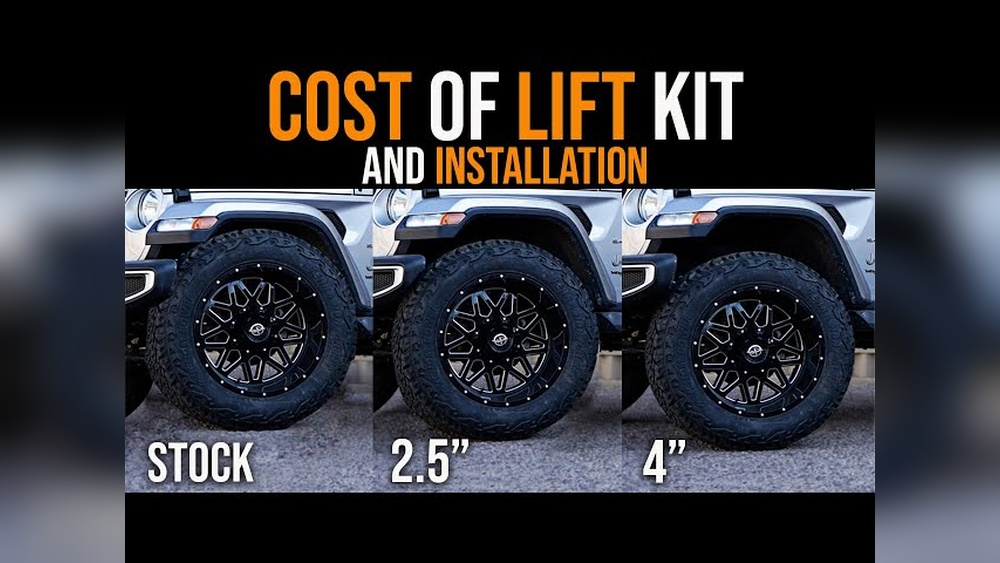
For owners who find their Jeep’s on-road manners lacking, several aftermarket modifications can help.