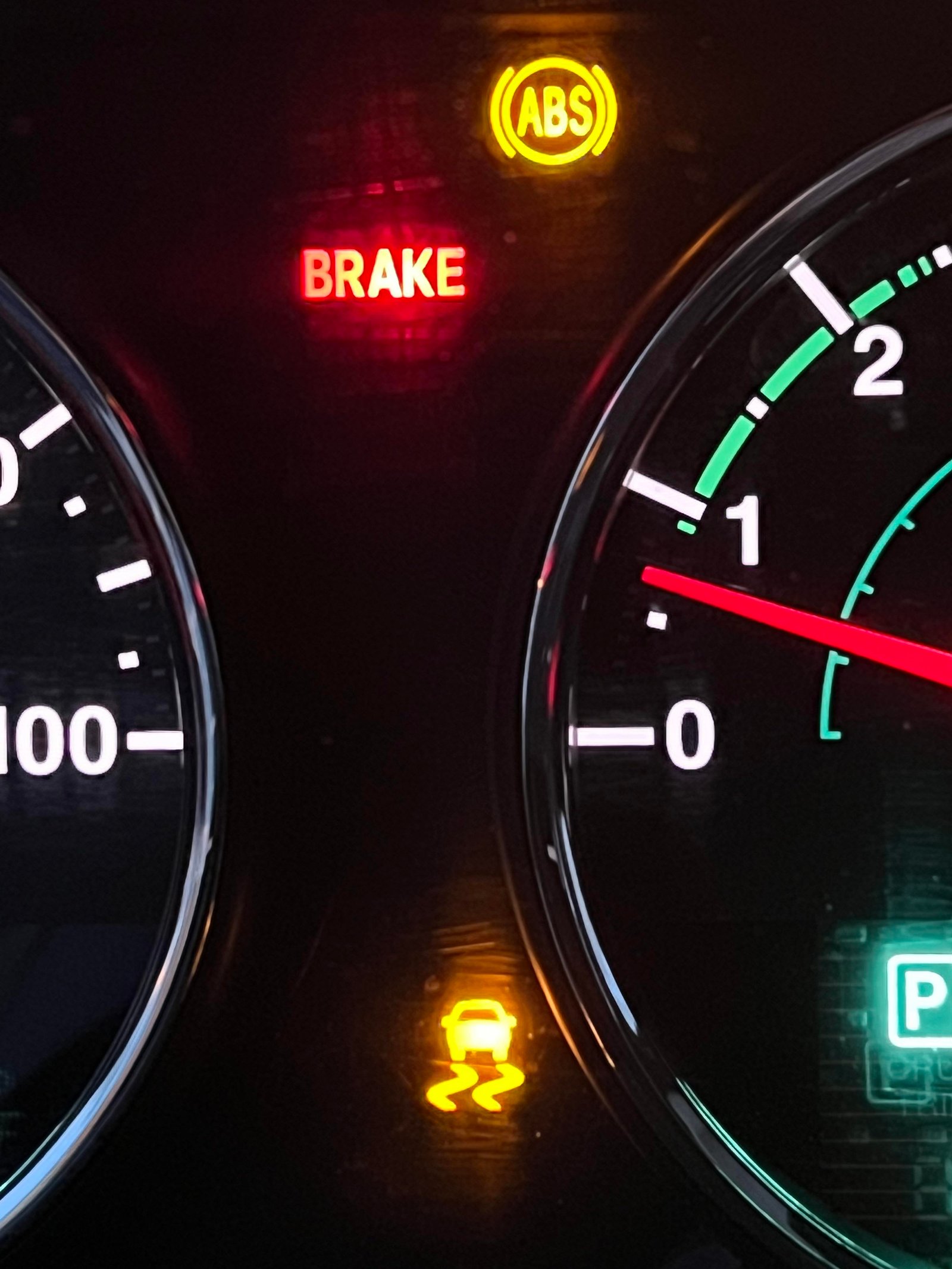
Seeing the ABS and Traction Control lights come on your Jeep’s dashboard can be confusing and worrying. You might wonder if it’s safe to keep driving or what exactly these warning lights mean.
The good news is, you’re not alone and many Jeep owners face this issue.
You’ll discover the common reasons why these lights turn on, what problems might be hiding under the hood, and simple steps you can take to fix the issue or know when it’s time to see a mechanic.
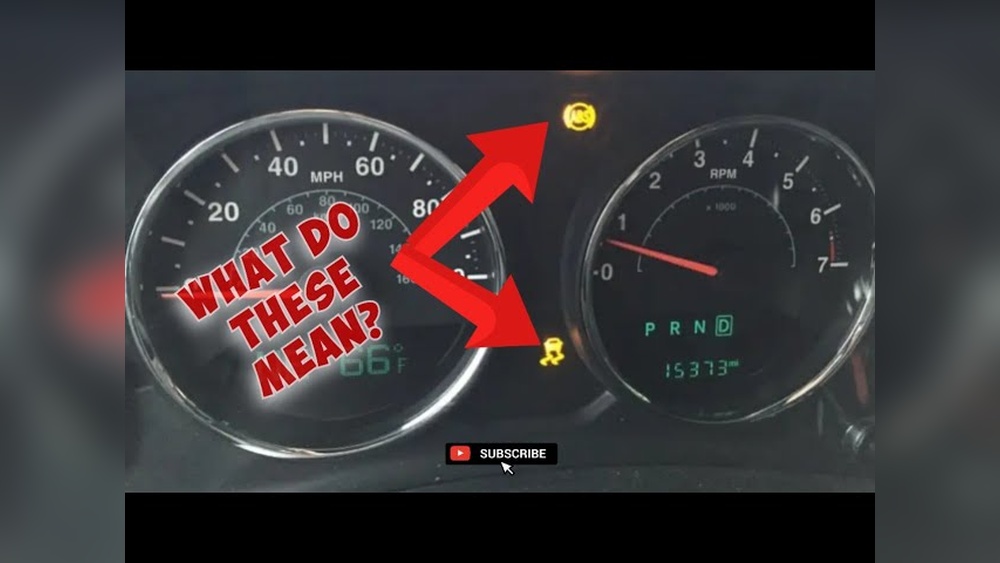
Keep reading to take control of your Jeep’s safety and avoid surprises on the road.

Common Causes
The ABS and traction control lights on a Jeep often turn on due to several common issues. These warning lights signal that the vehicle’s safety systems need attention.
Identifying the root cause helps prevent further damage and ensures safe driving. Below are frequent reasons why these lights activate.
Faulty Wheel Speed Sensor
The wheel speed sensor measures how fast each wheel spins. A faulty sensor sends incorrect data to the ABS system.
This can cause the ABS and traction control lights to come on. Dirt, damage, or wiring problems can affect the sensor’s performance.
Damaged Wheel Bearing Or Hub
Wheel bearings support the wheels and allow smooth rotation. A damaged bearing can disrupt the wheel speed sensor’s signal.
This disruption triggers the warning lights on the dashboard. Signs include noise, vibration, or uneven tire wear.
Leaking Rear Axle Seal
A leaking rear axle seal can spill grease onto the wheel speed sensor. The grease interferes with the sensor’s ability to read wheel speed correctly.
This contamination often causes both ABS and traction control lights to illuminate.
Misaligned Steering Wheel
The steering wheel should be centered when driving straight. A misaligned wheel can confuse the traction control system.
It may register false inputs, causing the warning lights to activate. Proper alignment corrects this issue quickly.
Weak Or Dying Battery
A weak battery can cause electrical issues in the ABS and traction control systems. Low voltage affects sensor signals and system operation.
This often results in the ABS and traction control lights turning on. Testing and replacing the battery can solve the problem.
Diagnosing The Issue
When the ABS and traction control lights turn on in your Jeep, it signals a problem in the system. Diagnosing the issue helps find the root cause quickly.
Proper diagnosis prevents further damage and keeps you safe on the road. Here are key steps to check your Jeep’s ABS and traction control system.
Using An Obd-ii Scanner
An OBD-II scanner reads error codes from your Jeep’s computer. These codes show specific problems with the ABS or traction control. Connect the scanner to the vehicle’s diagnostic port. The scanner will display codes that guide your repair process. This tool saves time by pinpointing the faulty component.
Checking Wheel Speed Sensors
Wheel speed sensors track each wheel’s rotation speed. Faulty sensors often cause the ABS and traction control lights.
Inspect the sensors for dirt, damage, or loose connections. Clean or replace any sensor that looks worn.
Proper sensor function is essential for system accuracy.
Inspecting Wheel Bearings And Hubs
Wheel bearings and hubs support wheel movement and house some sensors. Worn or damaged bearings can disrupt sensor signals.
Check for noise, looseness, or rough movement in the wheels. Replace any bearing or hub that shows wear. This step helps restore correct sensor readings.
Testing The Battery Condition
A weak or failing battery affects the ABS and traction control system. Test your battery’s voltage and health with a multimeter or tester.
Replace the battery if it cannot hold a strong charge. Stable power supply keeps the safety systems working properly.
Examining Wiring And Connectors
Wiring issues often cause false alerts in ABS and traction control. Inspect all wiring and connectors related to these systems.
Look for broken wires, corrosion, or loose plugs. Repair or replace damaged wiring to ensure solid electrical connections.
Quick Fixes
The Jeep ABS and traction control lights can cause concern. These warning lights often indicate common issues that need quick attention.
Simple fixes can clear the lights and restore safe driving. Addressing the root cause helps prevent further damage and keeps the Jeep running smoothly.
Below are some fast and effective solutions to try before seeking professional help. These fixes save time and money while resolving the problem.
Cleaning Or Replacing Wheel Speed Sensors
Wheel speed sensors detect how fast each wheel turns. Dirt, grease, or damage can block the sensor or cause false readings.
Clean the sensors gently with a soft cloth and some brake cleaner. If cleaning does not help, replace the faulty sensor.
This often clears the ABS and traction control lights quickly.
Repairing Or Replacing Wheel Bearings
Wheel bearings support the wheel and include the speed sensor in many Jeep models. Worn or damaged bearings cause sensor errors.
Listen for grinding noises or check for loose wheels. Repair or replace bad bearings to fix the problem and turn off the warning lights.
Fixing Rear Axle Seal Leaks
Leaking rear axle seals let grease spill onto wheel sensors. This contamination causes sensor failure and triggers warning lights.
Inspect the axle seals for leaks. Repair or replace any leaking seals. Cleaning the sensors afterward restores proper function.
Centering The Steering Wheel
A crooked steering wheel can confuse the traction control system. The system expects the wheel to be straight when driving straight.
Adjust the drag link to center the steering wheel properly. Drive the Jeep to see if the lights turn off. This simple step often solves the issue.
Resetting The Abs And Traction Control Lights
After repairs, the warning lights may stay on. Use an OBD-II scanner to reset the ABS and traction control lights.
This clears stored error codes in the vehicle’s computer. If the lights return, further diagnostics may be needed.

When To Seek Professional Help
Seeing the ABS and traction control lights on your Jeep can be worrying. Sometimes, simple fixes clear these warnings.
Other times, the issue runs deeper. Knowing when to seek professional help can save time and money.
It also ensures your Jeep stays safe on the road.
Persistent Warning Lights After Repairs
Warning lights should turn off after a proper repair. If they stay on, the problem may not be fixed.
This signals the need for a professional check. A mechanic can diagnose hidden issues your tools might miss.
Continuing to drive with these lights on can risk safety.
Complex Electrical Issues
Jeep ABS and traction systems rely on complex wiring and sensors. Faulty wires or bad connections can cause warning lights.
Electrical problems can be tricky to find without special tools. Professionals have the knowledge to trace and fix these issues.
Avoid guessing or random repairs that may worsen the problem.
Abs Module Or Ecu Problems
The ABS module and ECU control braking and traction functions. Malfunctions in these parts trigger warning lights.
These components require expert diagnosis and repair. Incorrect handling can lead to costly damage.
A trained technician can test and replace the module or ECU safely.
Brake System Malfunctions
Brake system problems can cause ABS and traction control lights to activate. Issues like worn brake pads or fluid leaks need immediate attention.
These affect your Jeep’s stopping power and safety. Professionals can inspect the entire brake system thoroughly.
Timely repairs prevent accidents and expensive fixes later.
Driving Safety Tips
Seeing the ABS and traction control lights on your Jeep can be unsettling. These warnings show your vehicle’s safety systems may not work properly.
Driving safely with these lights on needs caution and smart decisions. Follow these safety tips to protect yourself and others on the road.
Is It Safe To Drive With Lights On?
Driving with the ABS and traction control lights on is risky. Your Jeep may lose some ability to stop quickly or maintain grip on slippery roads.
Avoid fast speeds and sharp turns. Drive slowly and carefully until you get the issue fixed.
If the road is wet or icy, consider not driving at all.
Adjusting Driving Habits
Change how you drive to stay safe. Brake gently and early to avoid sudden stops.
Keep a bigger distance between your Jeep and the car ahead. Avoid sharp steering or quick lane changes.
Smooth driving helps keep control without the full help of ABS or traction control.
Preparing For Emergency Situations
Be ready for unexpected problems. Know how your Jeep handles with reduced safety features.
Practice slow and controlled braking in a safe area. Keep an emergency kit with a flashlight, first aid, and tools.
Stay calm if the lights come on while driving. Pull over safely and call for help if needed.
Scheduling Timely Repairs
Fix the ABS and traction control problems soon. Delaying repairs can cause bigger issues and higher costs.
Take your Jeep to a trusted mechanic or dealership. They can diagnose the exact cause and fix it properly.
Regular maintenance helps prevent these warning lights from coming on.
Preventive Maintenance
Preventive maintenance helps keep your Jeep’s ABS and traction control systems working well. These systems rely on sensors and components that can wear out or get dirty.
Taking care of them before problems start reduces the chance of warning lights turning on. Regular checks save money and increase safety on the road.
Regular Sensor Inspections
Wheel speed sensors detect how fast each wheel spins. Dirt, debris, or damage can cause false readings.
Inspect these sensors often to ensure they are clean and intact. Look for worn wires or loose connections.
Fixing sensor issues early stops ABS and traction control lights from coming on.
Routine Brake System Checks
The brake system works closely with ABS and traction control. Check brake pads, rotors, and fluid regularly.
Worn pads or low fluid can affect sensor signals. Make sure the brake lines have no leaks.
Keeping brakes in good shape prevents warning lights and improves stopping power.
Battery Health Monitoring
A weak battery can cause electrical problems in your Jeep. ABS and traction control systems need steady power.
Test your battery voltage and charge level at least twice a year. Replace the battery if it shows signs of aging.
Healthy battery power keeps your vehicle’s safety features reliable.
Keeping Steering Components Aligned
Misaligned steering parts can confuse wheel speed sensors. Check tie rods, drag links, and steering arms for damage.
Proper alignment ensures accurate sensor data. Get your steering aligned whenever you notice pulling or uneven tire wear.
This simple step helps avoid ABS and traction control warnings.
Is It Okay To Drive A Jeep With Abs And Traction Control Light On?
Driving a Jeep with ABS and traction control lights on is possible but not recommended. These lights indicate safety systems may be disabled.
Drive cautiously and get the issue diagnosed and repaired promptly to ensure safe braking and vehicle control.
What Does It Mean When Your Abs And Traction Control Light Comes On A Jeep Wrangler?
The ABS and traction control lights on a Jeep Wrangler signal a fault in the electronic stability system. Common causes include a bad wheel speed sensor, worn wheel bearing, misaligned steering wheel, or weak battery. These issues affect braking and traction control performance and should be diagnosed promptly.
What Does It Mean When Your Abs And Traction Control Light Come On At The Same Time?
Both ABS and traction control lights on simultaneously usually signal a problem with the wheel speed sensor or related wiring. This affects your vehicle's stability and braking safety systems.
Promptly inspect or repair the sensor to restore proper function and maintain safe driving conditions.
Why Is My Abs And Traction Control Light On My Jeep Patriot?
The ABS and traction control lights on your Jeep Patriot often signal a faulty wheel speed sensor, bad wheel bearing, or steering misalignment. A weak battery can also cause these lights to turn on.
Check these issues promptly to ensure safe driving and proper system function.
Conclusion
Seeing the ABS and traction control lights on your Jeep is not uncommon. These warnings often point to issues like faulty wheel speed sensors or misaligned steering.
Ignoring them can affect your vehicle’s safety systems. Simple checks or a quick visit to a mechanic can help identify the problem early.
Keeping these lights off ensures better control and safer driving. Stay attentive to your Jeep's signals and address issues promptly.
Your safety on the road depends on it.