Is The Jeep Srt Supercharged
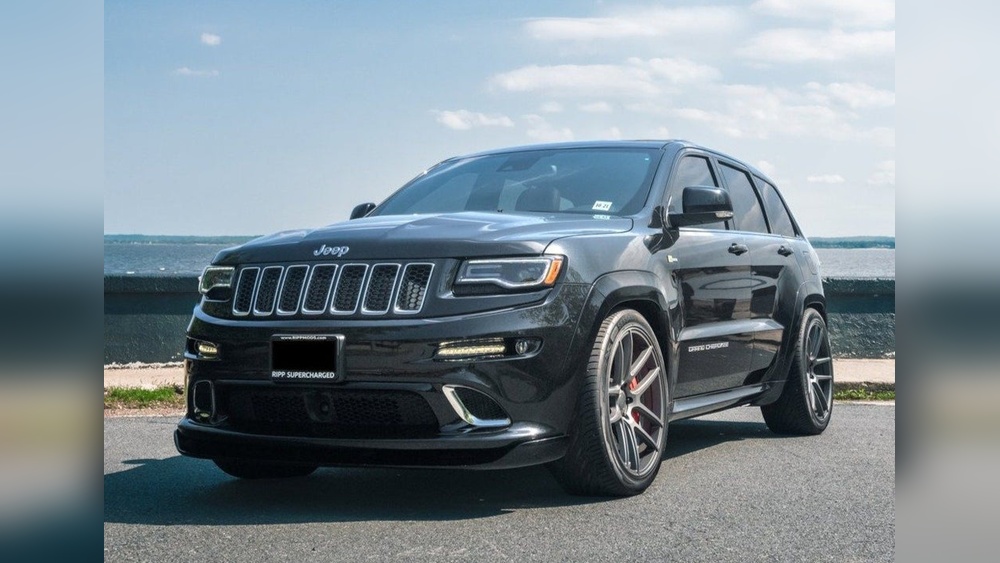
For many car fans, the Jeep Grand Cherokee SRT stands out as a powerful SUV. But a common question is: “Is the Jeep SRT supercharged?”
You might have seen videos of SRTs racing, or heard people mention “supercharged Jeeps.” There’s a lot of confusion around this topic, so let’s clear things up.
This article gives you facts, comparisons, and expert advice about the SRT and its supercharging status. Whether you’re thinking of buying one or just curious about its performance, understanding how the SRT works will help you make better decisions and spot the differences between models.
What Does Supercharged Mean?
A supercharger is a device that forces more air into the engine. More air means more fuel can burn, which makes more power. Superchargers are different from turbochargers, but both boost engine performance. Supercharged engines are popular in sports cars and high-performance SUVs because they give instant power and fast acceleration.
To explain more simply, a supercharger works like a pump. It pushes extra air into the engine every time you press the gas pedal.
Unlike turbochargers, which use exhaust gases, superchargers are driven directly by the engine. This gives a quick response, which is why many drivers love the feeling of immediate power.
For example, you can feel the difference when merging onto highways or overtaking other cars. Supercharging makes engines louder and more aggressive, which is another reason some people prefer them.
Jeep Grand Cherokee Srt: Engine Specs
The Jeep Grand Cherokee SRT is a high-performance version of the regular Grand Cherokee. Let’s look at its engine details.
| Model Year | Engine | Horsepower | 0-60 mph Time |
|---|---|---|---|
| 2021 | 6.4L V8 (Naturally Aspirated) | 475 hp | 4.3 sec |
| 2020 | 6.4L V8 (Naturally Aspirated) | 475 hp | 4.3 sec |
| 2019 | 6.4L V8 (Naturally Aspirated) | 475 hp | 4.3 sec |
The SRT uses a 6.4-liter HEMI V8 engine, but it is naturally aspirated. This means there is no supercharger or turbocharger from the factory. It relies on its large engine size and design for power.
The naturally aspirated HEMI V8 is famous for its strong acceleration, smooth power delivery, and deep rumbling sound. Jeep tuned the SRT for sporty handling, with features like upgraded brakes and suspension.
Many owners praise its “muscle car” feel, even though it’s an SUV.
The SRT’s power is enough for fast highway driving and quick starts at traffic lights, but it doesn’t have the extra boost that a supercharger provides.
Supercharged Vs Naturally Aspirated: What’s The Difference?
To understand why the SRT is not supercharged, it helps to compare these two types of engines:
| Feature | Supercharged | Naturally Aspirated |
|---|---|---|
| Power Boost | High | Moderate |
| Instant Torque | Yes | Less |
| Fuel Efficiency | Lower | Higher |
| Complexity | More | Simpler |
| Maintenance Cost | Higher | Lower |
Supercharged engines deliver more power and torque, but often require more maintenance and use more fuel. Naturally aspirated engines are simpler and usually cost less to maintain.
For example, a supercharged engine can feel “explosive” when you press the gas, while a naturally aspirated engine builds power more smoothly. Superchargers make engines more complex by adding extra parts, like belts and pulleys.
This can mean more visits to the mechanic if something breaks.
However, naturally aspirated engines often last longer and are easier for mechanics to repair. If you value easy maintenance and reliability, naturally aspirated engines are often a safer choice.
The Srt Vs Trackhawk: Factory Supercharging
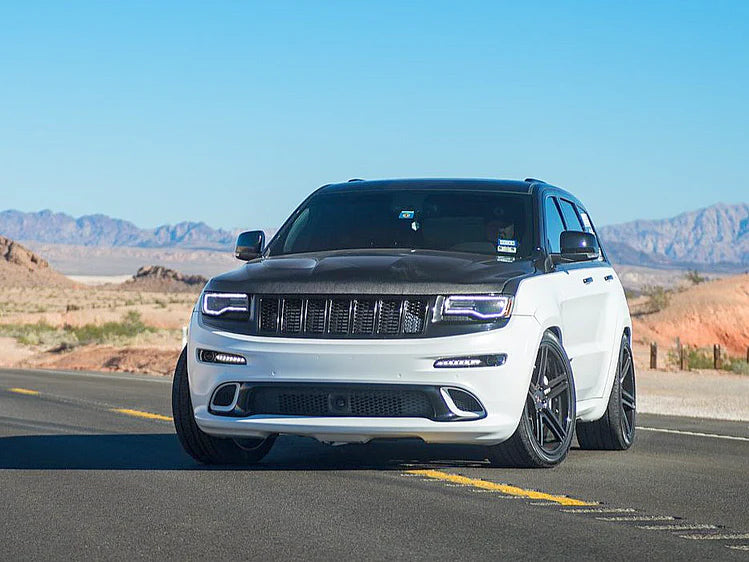
Many people confuse the SRT with the Trackhawk model. The Grand Cherokee Trackhawk is the supercharged version, not the SRT.
| Model | Engine | Horsepower | 0-60 mph |
|---|---|---|---|
| SRT | 6.4L V8 (NA) | 475 hp | 4.3 sec |
| Trackhawk | 6.2L V8 (Supercharged) | 707 hp | 3.5 sec |
The Trackhawk uses a 6.2-liter supercharged Hellcat V8. It produces 707 horsepower, which is much more than the SRT. If you want a factory supercharged Jeep, the Trackhawk is the correct model.
The Trackhawk’s engine is borrowed from Dodge’s Hellcat line, famous for its wild horsepower and racing performance. With a supercharged V8, the Trackhawk can accelerate faster than many sports cars, making it unique among SUVs.
Besides the engine, the Trackhawk has stronger transmission parts and special cooling systems to handle the extra power.
If you see a Jeep Grand Cherokee with a “Trackhawk” badge, you can be sure it’s supercharged. Many dealerships and sellers mix up SRT and Trackhawk, so always check the specs before buying.
Can You Supercharge An Srt?
Some owners add aftermarket superchargers to their SRTs. This is possible, but it’s not simple. Supercharging an SRT can give it extra power, sometimes up to 700 horsepower or more. However, there are risks:
- Warranty is often voided after modification
- Engine stress increases
- Installation costs can be high
- Maintenance becomes more complex
Adding a supercharger to your SRT is a big project. You need specialized parts, a skilled mechanic, and sometimes custom tuning.
It’s not just the engine; you may need to upgrade fuel systems, cooling, and even brakes to handle the new power.
Some owners do it for drag racing or car shows, but for daily driving, it can cause reliability problems. If you’re not experienced with car modifications, the safer route is to buy a Trackhawk instead.
If you decide to supercharge your SRT, choose a trusted shop and quality parts. Most experts recommend going with the Trackhawk if you want a supercharged Jeep straight from the factory.
Real-world Performance: Srt Power Vs Supercharged Trackhawk
Let’s compare the driving experience. The SRT is already quick, with a 0 60 mph time under 4.
5 seconds. The Trackhawk, with its supercharged engine, does 0 60 mph in about 3. 5 seconds. That’s sports car territory.
For daily driving, the SRT’s power is more than enough for most people. The Trackhawk’s extra horsepower is noticeable at high speeds and on the track.
But the SRT offers a balance of performance and reliability.
Owners say the SRT feels strong and confident when passing cars or merging onto highways. The Trackhawk, however, feels like a “rocket,” especially when you floor the pedal.
If you mostly drive in the city or need an SUV for family use, the SRT will be easier to live with.
The Trackhawk’s power can be harder to control and makes the SUV more expensive to run due to higher fuel costs and maintenance.

Not-so-obvious Insights
- Many buyers assume the SRT is supercharged because it looks aggressive and has “SRT” badges. But the supercharged badge only comes with the Trackhawk.
- Insurance costs for supercharged vehicles like the Trackhawk are usually higher. If you modify your SRT, tell your insurance company to avoid problems.
- Some used SRTs may have aftermarket superchargers installed by previous owners. Always ask for service records and check engine modifications before buying a used SRT.
Practical Advice For Buyers
- If you want factory supercharging, look for the Trackhawk, not the SRT.
- The SRT is still a great performance SUV, with plenty of power for daily use.
- Aftermarket supercharging is possible but expensive and risky.
- Check VIN numbers or official specs to confirm if a used Jeep is SRT or Trackhawk.
- Always test-drive both models to feel the real difference in acceleration and handling.
For more technical details, visit the Jeep Grand Cherokee Wikipedia page.

Frequently Asked Questions
Is The Jeep Srt Supercharged From The Factory?
No, the Jeep Grand Cherokee SRT comes with a naturally aspirated 6.4L V8. Only the Trackhawk model has a factory supercharged engine.
Can I Install A Supercharger On My Srt?
Yes, you can add an aftermarket supercharger. But this is costly, may void your warranty, and increases maintenance needs.
What Is The Difference Between Srt And Trackhawk?
The biggest difference is the engine. The SRT has a naturally aspirated 6.4L V8. The Trackhawk uses a supercharged 6.2L V8 and has much more power.
Is The Srt Powerful Enough For Daily Driving?
Absolutely. With 475 horsepower, the SRT is quick and responsive. It’s suitable for daily driving and spirited performance.
Does Supercharging Affect Reliability?
Yes. A supercharged engine has more stress and can wear faster.
Maintenance costs are also higher, especially if you add a supercharger to an SRT.
The Jeep Grand Cherokee SRT is not supercharged from the factory, but it is a strong performer. If you want supercharged power, the Trackhawk is your best option.
Both models are impressive, but understanding their differences helps you make the right choice.