Is The Jeep 3.6 V6 A Good Engine
If you’re considering a Jeep, you’ve probably heard about the 3.6 V6 engine. This powertrain, often called the Pentastar V6, is one of Jeep’s most popular engines, found in models like the Wrangler, Grand Cherokee, and Gladiator. But is the Jeep 3.6 V6 a good engine? Many drivers want to know about its strengths, weaknesses, and real-world performance before making a decision. Let’s look at 36 key aspects to give you a complete answer.
1. Proven Reliability
The Pentastar 3.6 V6 has been in production since 2011. Over the years, it’s earned a reputation for lasting over 200,000 miles with proper care.
2. Power Output
This engine produces around 285 horsepower and 260 lb-ft of torque in most Jeep models. That’s enough for daily driving, highway merging, and light towing.
3. Fuel Efficiency
Drivers can expect 17-20 mpg in the city and 22-25 mpg on the highway. While not class-leading, it’s reasonable for a V6 SUV.
4. Maintenance Costs
Routine maintenance is affordable. Oil changes, spark plugs, and filters are easy to access and don’t require special tools.
5. Timing Chain Design
Unlike some engines with timing belts, the 3.6 V6 uses a timing chain. This means less frequent and expensive replacements.
6. Smoothness
The engine runs quietly and smoothly at most speeds, making long trips more comfortable.
7. Towing Capacity
Depending on the Jeep model, the 3.6 V6 can tow up to 6,200 pounds. That’s enough for small boats or trailers.
8. Off-road Performance
This engine pairs well with Jeep’s 4×4 systems. It provides enough torque for trails, rocks, and mud.
9. Transmission Compatibility
The 3.6 V6 works with both automatic and manual transmissions, giving buyers more options.
10. Aluminum Construction
Lightweight aluminum block and heads help improve efficiency and reduce overall vehicle weight.
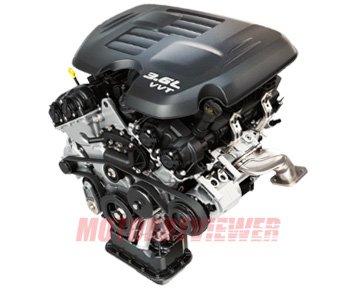
11. Variable Valve Timing
VVT technology boosts both power and fuel economy by adjusting valve operation.
12. Cooling System
A robust cooling system helps prevent overheating, even in hot climates or tough off-road use.
13. Aftermarket Support
Because it’s popular, there are many aftermarket parts for upgrades and repairs.
14. Noise Levels
At idle and normal speeds, the engine is quiet. However, it can get a bit loud when pushed hard.
15. Oil Filter Location
The oil filter is easy to reach, making DIY oil changes simple.
16. Electronic Throttle Control
Drive-by-wire throttle improves responsiveness and safety features.
17. Known Issues
Some early Pentastar engines had problems with cylinder head failure and oil cooler leaks, but these were mostly fixed by 2014.
18. Warranty Coverage
Most Jeeps come with a 5-year/60,000-mile powertrain warranty, giving peace of mind.
19. Emissions
The engine meets all current emissions standards and uses modern catalytic converters.
20. Start-stop System
Newer models have an auto start-stop feature to save fuel during stops. Some drivers find it annoying, but it can be turned off.
21. Cold Weather Performance
The 3. 6 V6 starts reliably in cold weather and warms up quickly.
22. Throttle Response
Throttle feels responsive, especially compared to older V6 engines.
23. Engine Weight
Lighter than some V8s, the V6 helps with better handling and less nose-heavy feel.
24. Service Bulletins
Jeep has issued technical service bulletins for some issues, but most have been minor.
25. Oil Consumption
Some engines use a bit more oil as they age, so checking levels regularly is smart.
26. Flexibility
The engine is used in many Jeep, Dodge, and Chrysler vehicles, proving its versatility.
27. Spark Plug Access
Changing spark plugs is straightforward, though rear plugs may require extra patience.
28. High Mileage Stories
Many owners report reaching 150,000 to 250,000 miles without major problems.
29. Acceleration
0-60 mph times are between 6.8 and 8 seconds, depending on the Jeep model.
30. Fuel Type
The engine runs on regular unleaded gasoline, making it cheaper to fill up.
31. Cylinder Deactivation
Unlike some rivals, the 3.6 V6 does not use cylinder deactivation, reducing potential long-term issues.
32. Engine Replacement Cost
A full engine replacement costs around $5,000-$7,000. However, most failures are rare with maintenance.
33. Software Updates
Jeep often releases software updates to fix minor bugs and improve performance.
34. Eco-friendly Features
It uses dual variable valve timing and an efficient cooling system to reduce emissions.
35. Dealer Support
Most Jeep dealers are familiar with this engine, so repairs and diagnostics are fast and accurate.
36. Resale Value
Jeeps with the 3. 6 V6 tend to hold their value, thanks to the engine’s reputation.
Here’s a comparison of the 3.6 V6 against other common Jeep engines:
| Engine | Horsepower | Torque (lb-ft) | MPG (City/Hwy) |
|---|---|---|---|
| 3.6 V6 | 285 | 260 | 17/25 |
| 2.0 Turbo I4 | 270 | 295 | 21/24 |
| 5.7 V8 | 360 | 390 | 14/22 |
Let’s quickly compare maintenance costs for common services:
| Service | 3.6 V6 | 2.0 Turbo I4 | 5.7 V8 |
|---|---|---|---|
| Oil Change | $60 | $70 | $80 |
| Spark Plugs | $180 | $200 | $210 |
| Timing Chain/Belt | Chain (rarely replaced) | Belt ($700) | Chain (rarely replaced) |
And here’s how owners rate the 3.6 V6 in key areas:
| Category | Owner Score (out of 10) |
|---|---|
| Reliability | 8.5 |
| Performance | 8 |
| Value for Money | 8.5 |
| Maintenance | 8 |
Overall, the Jeep 3. 6 V6 stands out as a reliable, powerful, and practical choice for most buyers.
It’s not perfect early models had a few issues, and it’s not the most fuel-efficient. But for daily use, off-roading, or towing, it’s a solid engine that’s easy to live with and maintain.
Frequently Asked Questions
Is The Jeep 3.6 V6 Reliable?
Yes, the 3.6 V6 engine is known for its reliability, especially in models built after 2014 when most early problems were resolved.
What Is The Common Problem With The 3.6 V6?
The most common issues are oil cooler leaks and, in earlier models, some cylinder head failures. Regular maintenance helps prevent serious problems.
How Long Does A Jeep 3.6 V6 Last?
With good maintenance, many owners see over 200,000 miles before major repairs are needed.
No, this engine is designed for regular unleaded gasoline.
Where Can I Find More Detailed Specs?
For full technical details, see the Chrysler Pentastar engine Wikipedia page.
The 3.6 V6 remains a smart option for most Jeep buyers, offering a strong mix of durability, performance, and value.