Is Jeep Fuel Efficient?
When people think of Jeep, they often picture rugged SUVs driving through mud, climbing rocks, and tackling tough terrain. But what about day-to-day driving? Many buyers want adventure—but they also want to save money on gas. So, is Jeep fuel efficient? The answer depends on the model, how you drive, and what you expect from your vehicle. Let’s take a closer look at Jeep’s fuel economy, compare it to other brands, and help you decide if a Jeep is right for your needs.
What Does “fuel Efficient” Mean For Suvs?
Most drivers see fuel efficiency as getting more miles for every gallon of gas. For SUVs, the average is usually lower than for small cars. This is because SUVs are heavier, have larger engines, and are built for power rather than just economy.
For 2024, the average fuel economy for all new vehicles in the US is about 25 miles per gallon (mpg). Compact cars can reach 30-40 mpg, but larger SUVs often range from 17-25 mpg. If you want an SUV that’s truly fuel efficient, it helps to compare different models and understand how they’re used.

Jeep’s Fuel Economy: Model Breakdown
Jeep offers a range of vehicles, from compact SUVs to the classic Wrangler. Here’s how some popular models perform:
| Model | City MPG | Highway MPG | Combined MPG |
|---|---|---|---|
| Jeep Renegade (FWD) | 24 | 32 | 27 |
| Jeep Compass (FWD) | 22 | 31 | 25 |
| Jeep Grand Cherokee (V6) | 19 | 26 | 22 |
| Jeep Wrangler (4-Door, V6) | 17 | 23 | 19 |
| Jeep Cherokee (FWD) | 21 | 29 | 24 |
As you can see, the Jeep Renegade and Jeep Cherokee offer the best fuel efficiency in the lineup. The Wrangler, which is famous for off-road capability, uses more fuel.

How Jeep Compares To Other Brands
To understand if Jeep is fuel efficient, it helps to compare with other popular SUVs.
| Model | Combined MPG |
|---|---|
| Jeep Compass | 25 |
| Toyota RAV4 | 30 |
| Honda CR-V | 30 |
| Ford Escape | 28 |
| Chevrolet Equinox | 27 |
Compared to Toyota RAV4 and Honda CR-V, most Jeep models use more fuel. This is because Jeep focuses on 4×4 systems, bigger tires, and engines designed for power, not just efficiency.
The Role Of 4×4 And Off-road Features
Jeep vehicles are famous for their four-wheel drive (4×4) and off-road features. These add weight and use more energy, which reduces mpg. If you use 4×4 often, your fuel efficiency will be even lower.
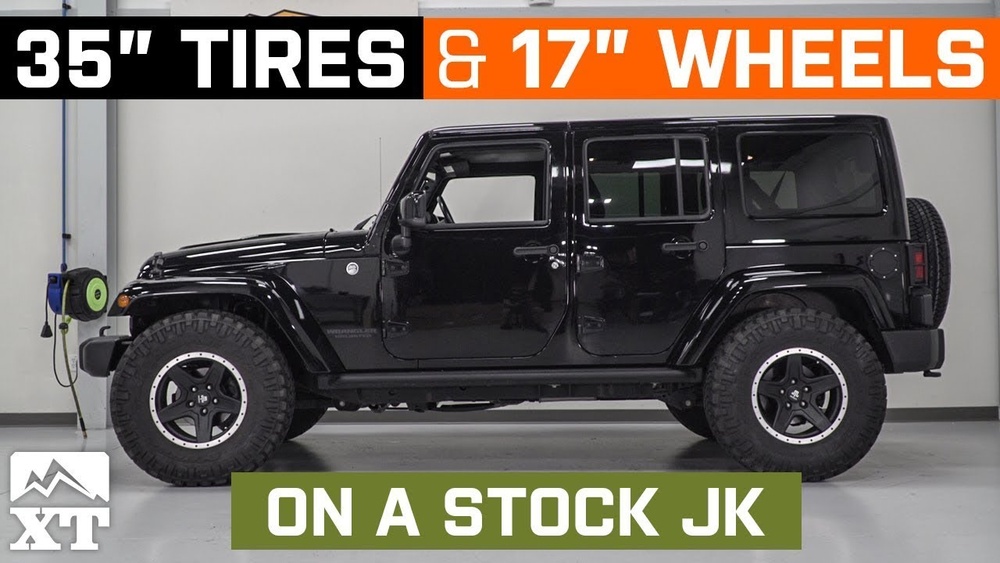
Beginners often forget that larger tires and roof racks (common on Jeeps) also lower mpg. Even driving with windows down at high speeds can affect fuel use. Choosing a Jeep for city driving means you may not need these features, and a more basic model could be a better fit.

Hybrid And Plug-in Options
Jeep has started to offer hybrid and plug-in hybrid models. The Jeep Wrangler 4xe is a good example:
| Model | Electric Range (miles) | MPGe (Combined) |
|---|---|---|
| Jeep Wrangler 4xe | 21 | 49 |
MPGe means “miles per gallon equivalent,” which mixes gas and electric power use. This model is much more efficient, especially if you make short trips and can charge at home.
However, it costs more than regular gas models and may not make sense if you drive long distances without charging.
Real-world Factors That Affect Jeep Fuel Economy
Numbers from the EPA and carmakers are helpful, but real-world driving often gives lower mpg. Here are some factors that impact your actual fuel use:
- Driving style: Fast starts, high speeds, and quick stops all use more fuel.
- Weight: Carrying extra gear, passengers, or towing lowers efficiency.
- Tire pressure: Under-inflated tires can cut mpg by 3% or more.
- Terrain: Hills, sand, and snow make engines work harder.
A common mistake is to believe the window sticker mpg will match your results exactly. In reality, city driving often gives 2-3 mpg less than advertised.

Is A Jeep Right For You?
If you want the best possible fuel efficiency, Jeep is not the top choice. Brands like Toyota, Honda, and Ford offer compact SUVs with higher mpg. However, if you need a vehicle that can handle snow, gravel, and dirt—or you love the Jeep look and feel—then the trade-off might be worth it.
Two insights many beginners miss:
- Resale value: Jeeps often keep their value well, which can help offset higher fuel costs.
- Insurance and repair costs: Because of their off-road use, some Jeep models may cost more to insure or fix.
Think about your real needs. If you commute in the city, a smaller, two-wheel-drive Jeep will be more efficient.
If you really need 4×4 for your lifestyle, know that you’ll spend more on gas.
Frequently Asked Questions
What Jeep Model Has The Best Fuel Efficiency?
The Jeep Renegade and Jeep Compass have the best fuel economy among gas models, reaching up to 27 mpg combined. The Wrangler 4xe plug-in hybrid can go much further on electric power, up to 49 MPGe.
Are Jeeps Expensive To Fill Up?
Yes, most Jeeps have bigger gas tanks and lower mpg than compact cars, so you’ll spend more per fill-up, especially if you drive a Wrangler or Grand Cherokee.
Do Hybrid Jeeps Save A Lot Of Gas?
Hybrid Jeeps like the Wrangler 4xe save gas, especially for short trips and city driving. But if you mostly drive on highways or can’t charge at home, the benefits are smaller.
Does Using 4×4 Lower My Jeep’s Mpg?
Yes, using 4×4 uses more energy and lowers your mpg. Use it only when needed for tough roads or weather.
Where Can I Find Official Jeep Fuel Economy Ratings?
You can check fuel economy ratings on the EPA’s official site: fueleconomy.gov.
For many drivers, Jeep is not the most fuel efficient choice. But if you value off-road ability or style, it may still be the right vehicle for you.
Always compare models, think about your driving habits, and pick what fits your real needs.