Is A Jeep Cherokee Right For You? A Complete Guide
The Jeep Cherokee stands out as one of the most recognizable compact SUVs in America. For decades, it has attracted drivers who want a mix of off-road ability, comfort, and everyday practicality. But is a Jeep Cherokee really a smart choice for you? This article explores everything you need to know—from its strengths and weaknesses to real-world costs and how it compares with rivals. If you’re considering this popular SUV, read on to learn if it matches your needs and lifestyle.
What Makes The Jeep Cherokee Special?
The Jeep Cherokee is famous for its rugged image, but there’s more to the story. Jeep has built a reputation for vehicles that tackle rough terrain, yet the Cherokee also tries to please families and commuters.
Key strengths include:
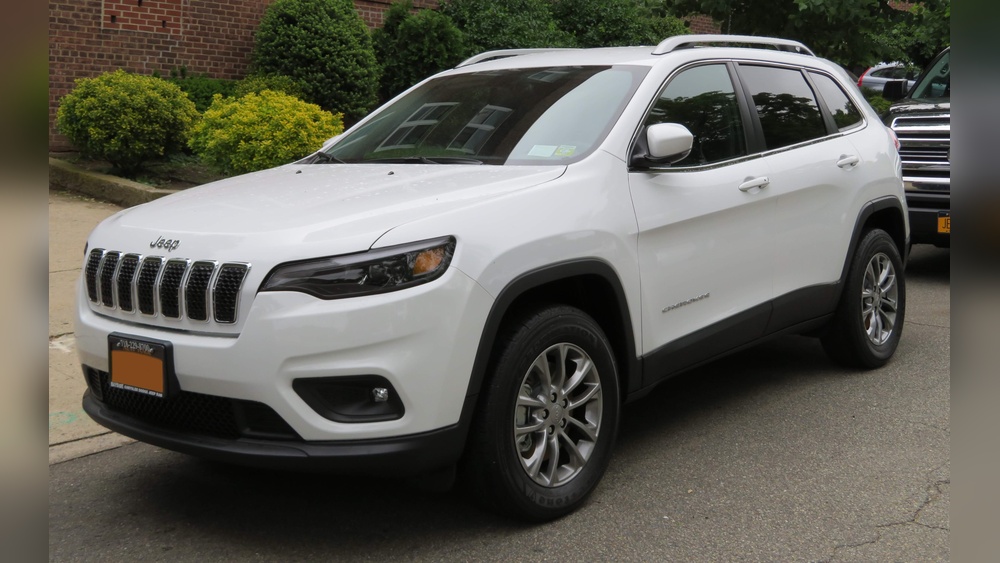
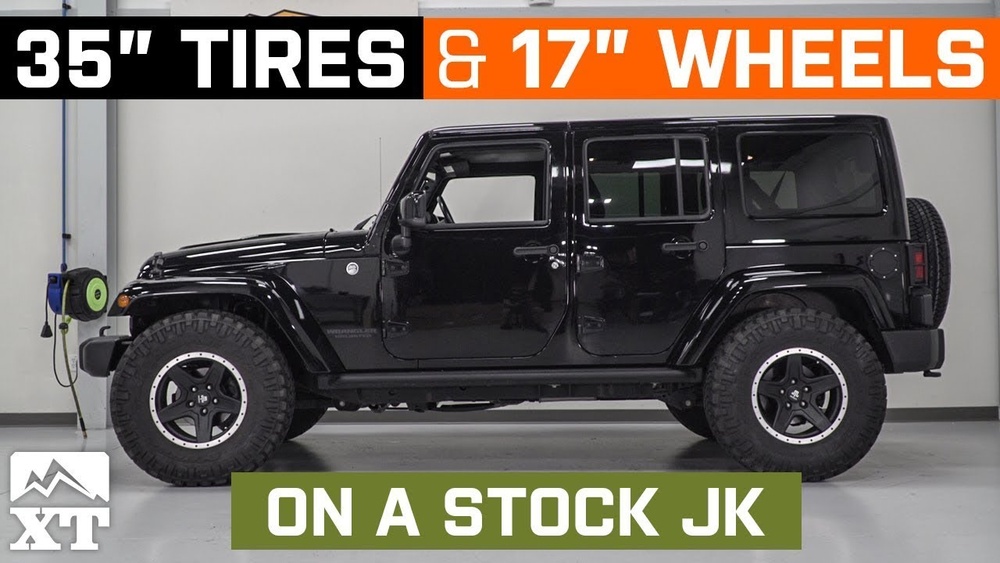
- Trail Rated® capability: Some trims handle mud, snow, and rocks better than most SUVs in its class.
- Modern safety features: Recent models offer blind-spot monitoring, automatic emergency braking, and lane assist.
- Comfortable interior: Soft-touch materials, heated seats, and a quiet cabin make longer drives pleasant.
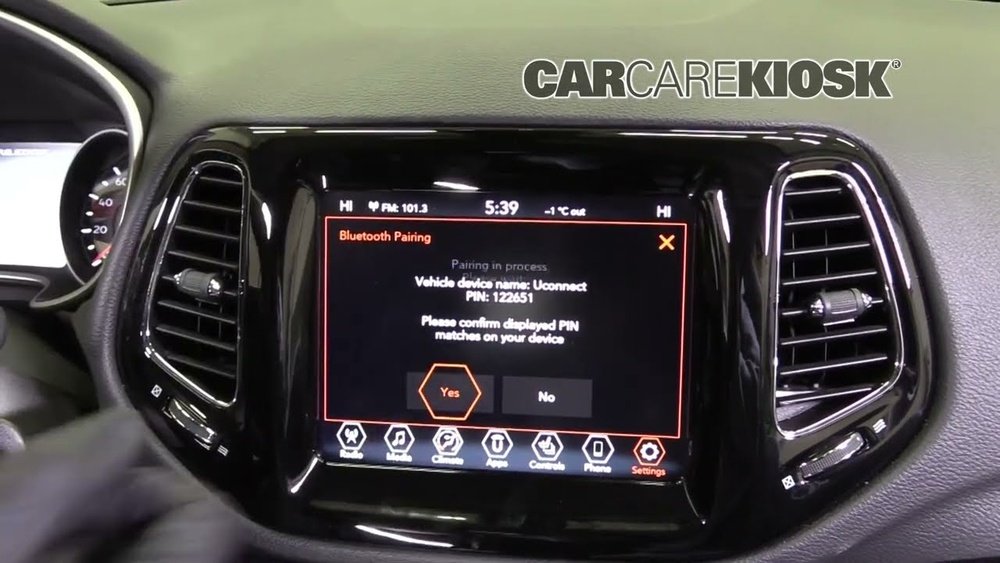
- Uconnect infotainment: The touchscreen system is simple and supports Apple CarPlay and Android Auto.
However, the Cherokee is not the perfect fit for everyone. Older models can have reliability issues, and the cargo area is smaller than some competitors.
Models And Trim Levels
Jeep offers the Cherokee in several trims, each with different features and prices. Here’s a quick look at popular options for recent model years.
| Trim | Main Features | MSRP (2023) |
|---|---|---|
| Latitude Lux | Leather seats, V6 engine, heated steering wheel | $37,000 |
| Trailhawk | 4×4 system, tow hooks, off-road tires | $39,000 |
| Limited | Navigation, premium audio, advanced safety | $41,000 |
Insight: Many buyers overlook the Trailhawk, which is one of the few small SUVs that can handle tough trails right from the factory.

Performance And Fuel Economy
Drivers often choose the Cherokee for its power and handling. Most models come with either a 2.4L four-cylinder or a 3.2L V6 engine. The V6 is preferred for its smooth acceleration, but the four-cylinder offers better gas mileage.
All-wheel drive is available on every trim, but only the Trailhawk has true off-road upgrades.
| Engine | Horsepower | MPG (City/Highway) | Towing (lbs) |
|---|---|---|---|
| 2.4L I4 | 180 | 22/31 | 2,000 |
| 3.2L V6 | 271 | 20/29 | 4,500 |
Non-obvious tip: If you plan to tow a small trailer or boat, the Cherokee’s V6 can handle much more weight than most compact SUVs.
Reliability And Ownership Costs
Reliability is a common concern for Jeep Cherokee buyers. Older models (especially 2014 2017) faced problems with transmission and electronics.
Newer Cherokees have improved, but they don’t match the reputation of brands like Toyota or Honda.
Maintenance costs are average for the segment. Repairs can be more expensive if you use the 4×4 system often.
Insurance is usually moderate, but rates can rise if you choose high-performance trims or live in snowy areas.
Interior Space And Cargo
Inside, the Cherokee is roomy enough for four adults and a child. The seats are comfortable, and there’s good headroom in both rows. However, some rivals offer more trunk space.
| Model | Cargo Space (Seats Up/Down) | Rear Legroom (inches) |
|---|---|---|
| Jeep Cherokee | 25.8 / 54.7 cu ft | 40.3 |
| Toyota RAV4 | 37.6 / 69.8 cu ft | 37.8 |
| Honda CR-V | 39.2 / 75.8 cu ft | 40.4 |
Practical tip: If you need to carry large strollers, sports gear, or camping equipment often, the Cherokee may feel tight compared to some competitors.
How Does The Jeep Cherokee Compare To Rivals?
The compact SUV market is crowded. Here’s how the Cherokee stacks up against some popular options:
- Toyota RAV4: More cargo space, better reliability, but less off-road ability.
- Honda CR-V: Roomier interior, higher fuel economy, but not as rugged.
- Ford Bronco Sport: Strong off-road, but less comfortable on pavement.
- Subaru Forester: Excellent all-wheel drive, but less powerful engines.
Common mistake: Many buyers focus only on Jeep’s off-road reputation. If you mostly drive on highways and in cities, a RAV4 or CR-V may be a better fit.
Who Should Buy A Jeep Cherokee?
The Cherokee is ideal if you:
- Need a daily driver that can handle rough weather and dirt roads
- Want to tow small boats, campers, or trailers
- Value comfort, but also want a rugged look
- Don’t mind slightly higher maintenance costs
It’s not the best choice if you:
- Prioritize maximum cargo space or rear seat room
- Need the lowest possible ownership costs
- Plan to keep your SUV for 10+ years with minimal repairs
Frequently Asked Questions
Is The Jeep Cherokee Good In Snow?
Yes, especially models with all-wheel drive or the Trailhawk trim. The Cherokee’s traction control and ground clearance make it a strong choice for snowy roads.
How Long Does A Jeep Cherokee Last?
With regular maintenance, most Cherokees last 150,000 to 200,000 miles. However, older models may need more repairs as they age.
What Is The Cherokee’s Main Weakness?
The main weakness is reliability compared to some Japanese competitors. Some years had issues with the transmission and electronics.
Does The Jeep Cherokee Hold Its Value?
It depreciates faster than the Toyota RAV4 or Honda CR-V, but holds value better than some American rivals. Limited and Trailhawk trims often have higher resale prices.
Where Can I Learn More About Jeep Cherokee Safety?
Visit the official IIHS website for the latest safety ratings and crash test results.
The Jeep Cherokee is a unique mix of rugged style and everyday comfort. If you love adventure and don’t mind a few trade-offs, it can be a rewarding SUV. Think carefully about your needs, compare with rivals, and always test drive before you decide.