Is A Jeep Cherokee A Compact Car?
When you hear the name Jeep Cherokee, you might think of adventure, off-road trails, or family road trips. But does the Cherokee fit into the compact car category? Many drivers look for compact cars for their size, fuel efficiency, and city-friendly handling. The answer isn’t as simple as checking a box—it depends on how you define a “compact car” and what features matter most to you. Let’s explore where the Jeep Cherokee stands in the automotive world and what that means for your driving needs.
What Is A Compact Car?
A compact car usually means a small, fuel-efficient vehicle that is easy to park and drive in crowded cities. In the United States, the Environmental Protection Agency (EPA) defines compact cars as those with a total passenger and cargo volume between 100 and 109.9 cubic feet. Typical examples include the Toyota Corolla, Honda Civic, and Mazda3.
Compact cars are:
- Shorter in length (around 175 inches)
- Lighter (about 2,800–3,200 pounds)
- Lower to the ground
These features help with fuel economy and make city driving less stressful. If you want a car that slips easily into tight parking spaces or zips through traffic, these are the vehicles people usually choose.
Jeep Cherokee: Size And Class
The Jeep Cherokee is a popular SUV that has changed a lot over the years. Recent models, especially the fifth generation (2014–2023), are bigger and more powerful than older versions. But do they match the compact car definition?
Here’s a direct size comparison:
| Vehicle | Length (inches) | Passenger Volume (cu ft) | Cargo Volume (cu ft) |
|---|---|---|---|
| Jeep Cherokee (2023) | 183.1 | 103.5 | 25.8 |
| Toyota Corolla (2023) | 182.5 | 88.6 | 13.1 |
| Honda CR-V (2023) | 184.8 | 106.0 | 39.2 |
Notice that the Jeep Cherokee is similar in length to a compact sedan but offers much more space inside. It’s also close in size to the Honda CR-V, a well-known compact SUV.
Is The Jeep Cherokee A Compact Car Or Suv?
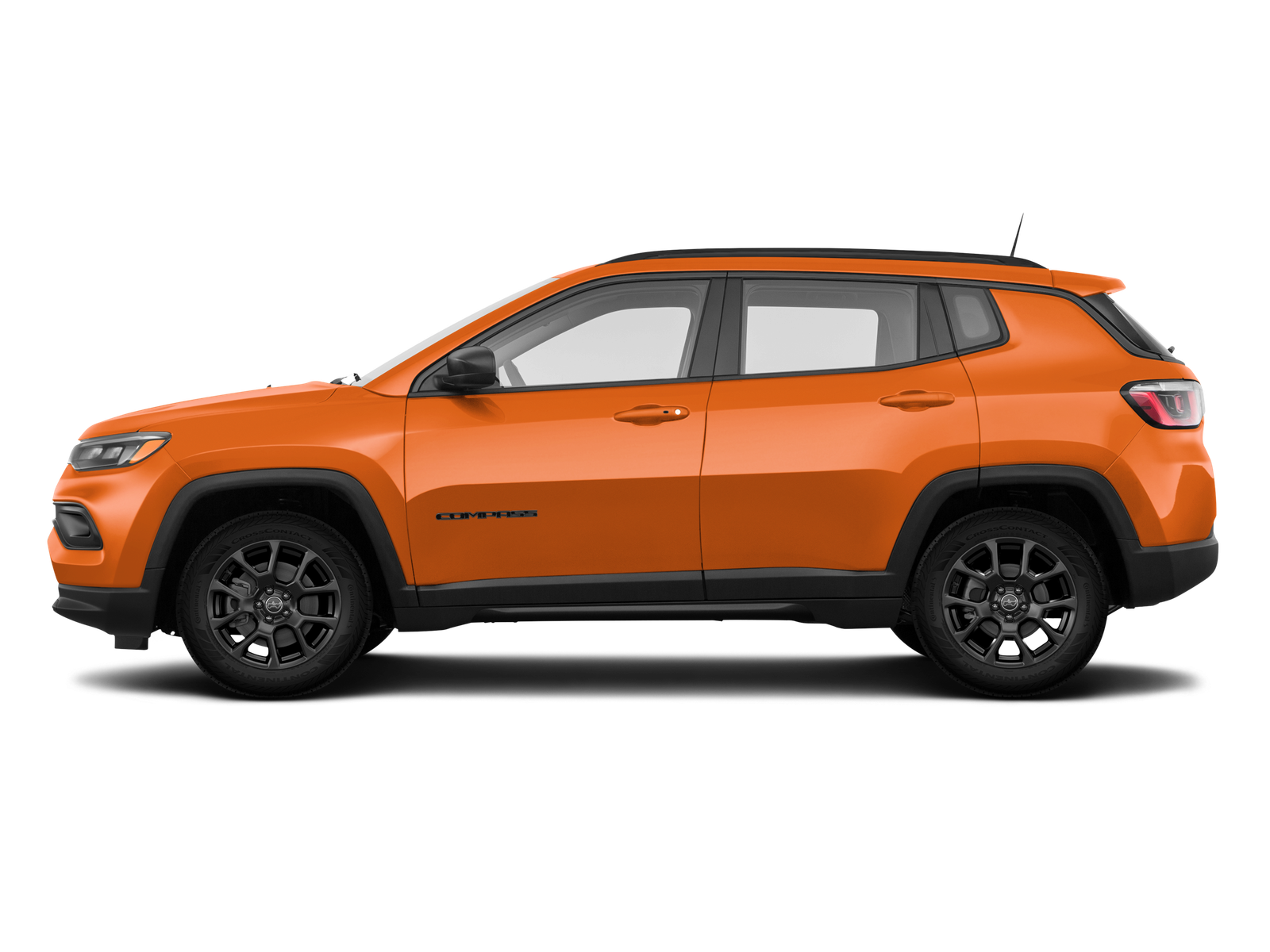
While the Cherokee is sometimes called a “compact SUV,” it is not a compact car in the traditional sense. The main reasons:
- It sits higher off the ground (higher ground clearance)
- It’s heavier (over 3,600 pounds)
- It’s designed for off-road use, with all-wheel drive options
Most car experts, including the EPA and Kelley Blue Book, categorize the Cherokee as a compact SUV or sometimes a “small crossover.” That means it’s smaller than full-size SUVs, but bigger and heavier than compact cars.
Here’s how the Cherokee fits in the SUV world:
| Model | Class | EPA Category |
|---|---|---|
| Jeep Cherokee | Compact SUV | Small SUV 4WD |
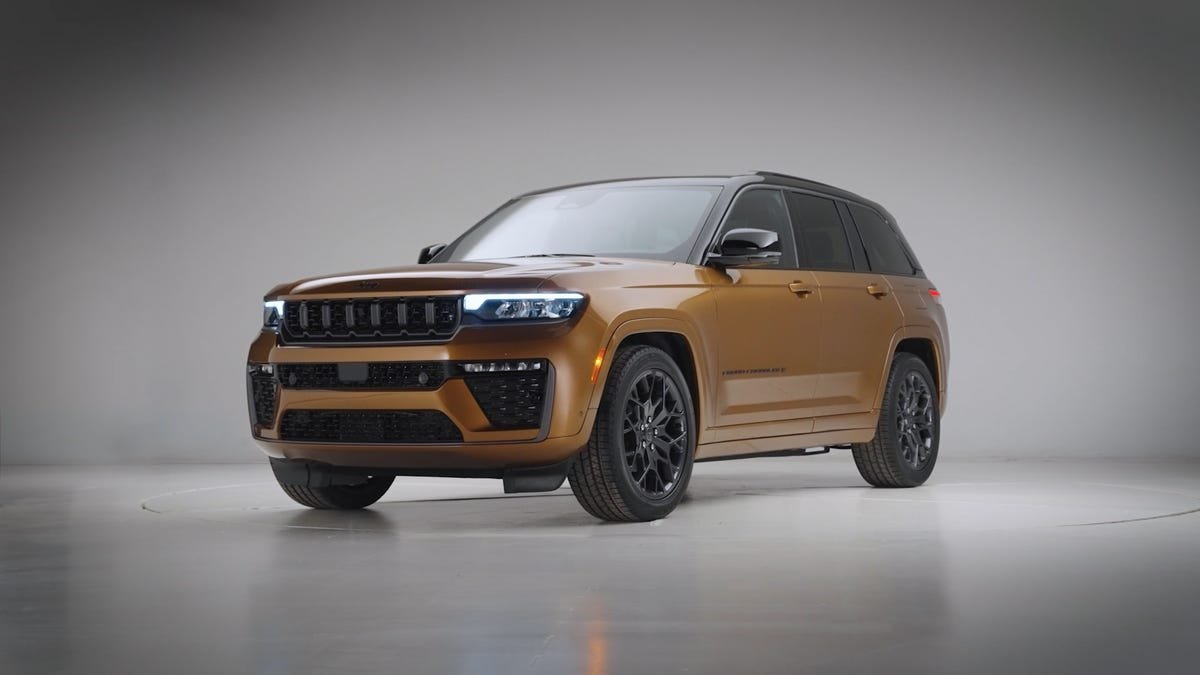
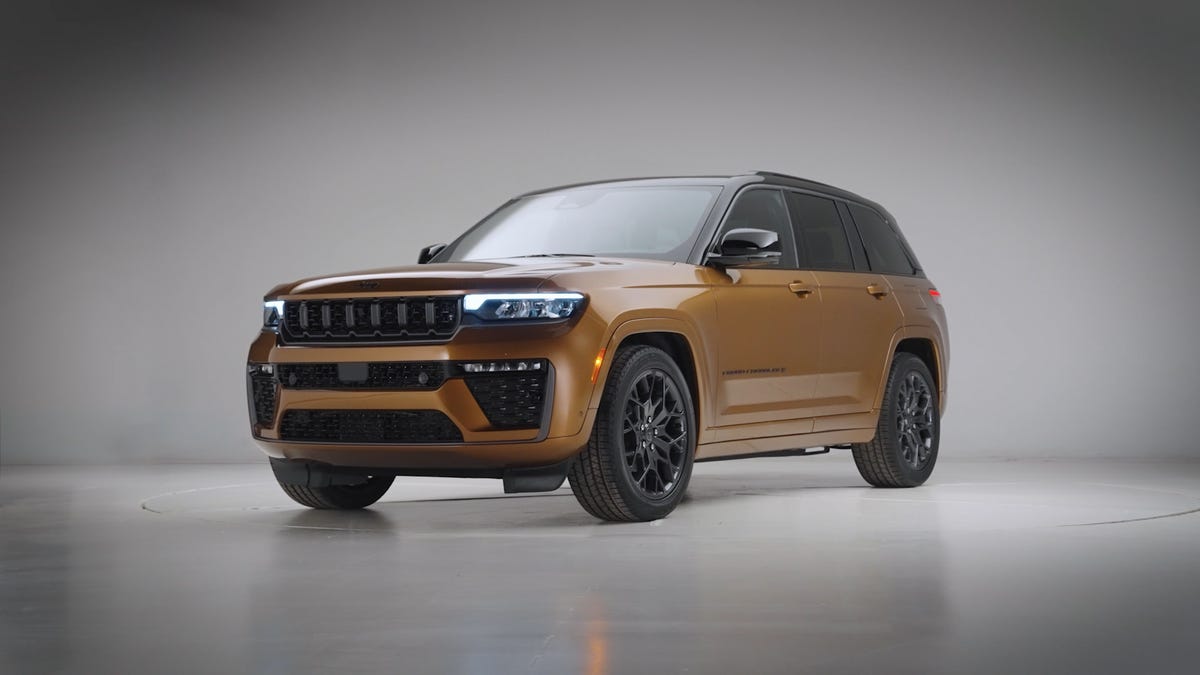
| Jeep Grand Cherokee | Midsize SUV | Standard SUV 4WD |
| Honda CR-V | Compact SUV | Small SUV 2WD/4WD |
Why The Confusion?
Car marketing often blurs the line between compact and small SUV. The word “compact” can mean different things to different people:
- Some use “compact” for any car smaller than a full-size SUV.
- Others think of compact as only small sedans or hatchbacks.
The Jeep Cherokee’s interior room and cargo space are much larger than most compact cars. But compared to full-size SUVs, it is still relatively small. This is why it’s called a compact SUV—not a compact car.

Real-world Impact: Ownership Differences
If you are choosing between a compact car and a Jeep Cherokee, you will notice some big differences:
- Fuel Economy: Compact cars usually get 30–40 mpg. The Cherokee gets around 21–29 mpg, depending on the engine and driving conditions.
- Parking: Compact cars are easier to park in small city spaces. The Cherokee’s higher ride and bigger size can make tight spots tougher.
- Cargo and Passengers: The Cherokee fits five people comfortably, with more cargo space than most compact cars.
- Towing and Off-Road: The Cherokee can tow up to 4,500 pounds (with the right engine). Most compact cars can’t tow much, if at all.
- Insurance and Maintenance: SUVs often cost more to insure and maintain than compact cars.
These differences matter if you drive mostly in the city, have a small family, or care about gas mileage.
Two Insights New Buyers Often Miss
- Resale Value: The Jeep Cherokee tends to keep its value better than many compact cars, especially if it has popular features like all-wheel drive. Buyers often overlook how much this can affect long-term costs.
- Urban Usability: While a Cherokee is not as nimble as a compact car, features like rearview cameras and parking sensors make city driving easier than many expect. Still, it’s not as stress-free as a true compact sedan or hatchback.
Who Should Choose A Jeep Cherokee?
Pick a Cherokee if you want:
- Higher driving position for better road view
- All-weather capability (rain, snow, light off-roading)
- More cargo space for sports, pets, or gear
Stick to a compact car if you care most about:
- Fuel savings
- Lowest price
- Easy city driving
Both options serve different needs. The key is knowing what matters most for your lifestyle.
Frequently Asked Questions
Is The Jeep Cherokee Bigger Than A Typical Compact Car?
Yes, the Cherokee is longer, wider, and taller than most compact cars. It has more passenger and cargo space too.
What Is The Main Difference Between A Compact Car And A Compact Suv?
A compact car is lower to the ground, lighter, and designed mostly for city or highway driving. A compact SUV like the Cherokee offers more space, higher seating, and better off-road ability.
Can The Jeep Cherokee Be Considered A Crossover?
Yes, the Cherokee is often called a crossover SUV because it blends car-like comfort with SUV features. It uses a unibody chassis like a car, not a truck.
Is The Jeep Cherokee Good For City Driving?
It can work for city driving, especially with parking aids. But a compact car will be easier to park and use less fuel in tight city conditions.
Where Can I Find Official Size And Classification Data?
You can check the EPA’s official website for vehicle size classes and more details at fueleconomy.gov.
In summary, the Jeep Cherokee is not a compact car, but a compact SUV or crossover. It’s a smart choice if you want more space and capability than a compact car can offer. Always focus on your real-world needs before deciding which vehicle fits your life best.