The Jeep YJ is a classic off-road vehicle, known for its square headlights and rugged design. Many people admire its style, but if you’re thinking about buying or modifying one, knowing the exact width is important.
This detail affects garage space, trail access, and even legal driving requirements in some states. In this article, you’ll learn how wide a Jeep YJ is, how that compares to other Jeeps, and what the width means for real-world use.
Standard Width Of A Jeep Yj
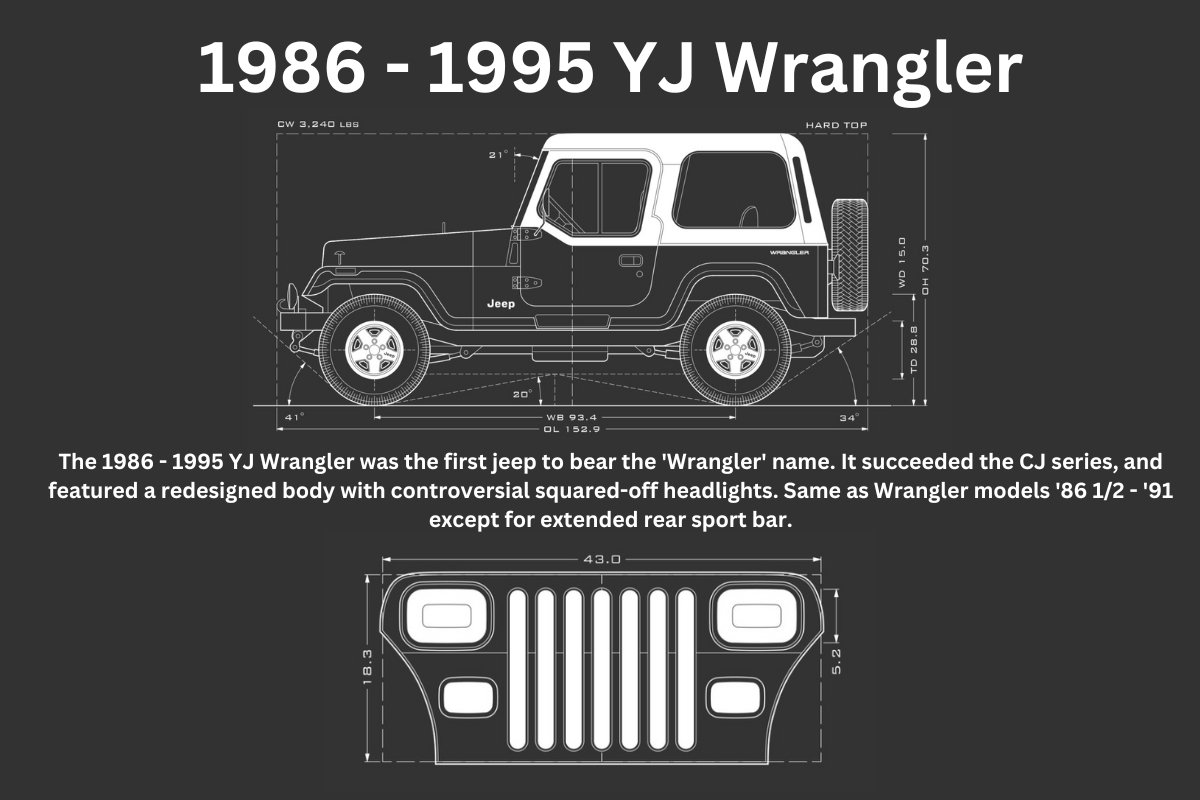
The Jeep YJ, also known as the Wrangler YJ, was produced between 1987 and 1995. The standard width is 66 inches (about 167.6 cm) from the outermost point of one fender to the other. This measurement is called the “overall width.” It includes the widest point of the body, not counting side mirrors or extra accessories.
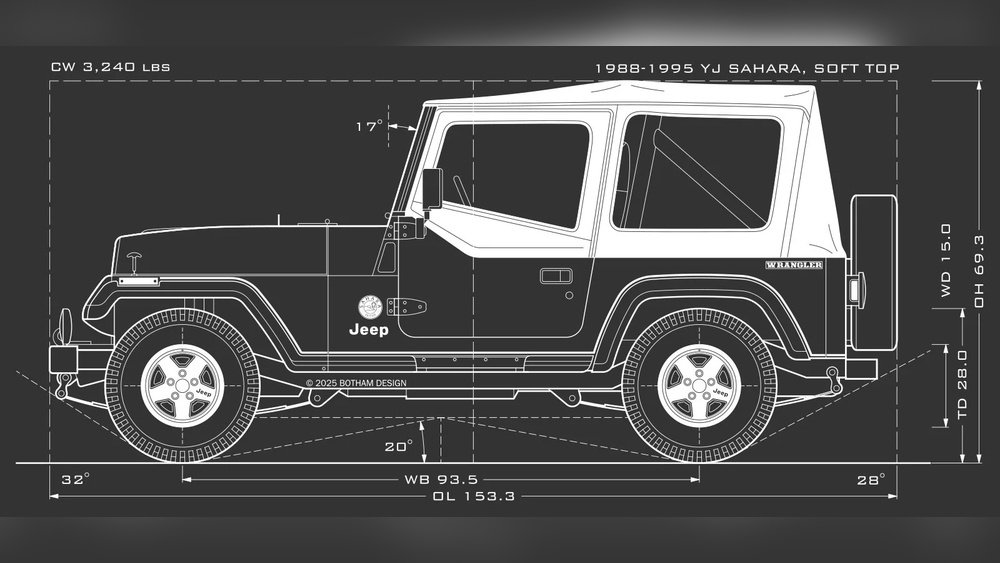
For those who want even more detail, here’s a breakdown of the main width measurements for a stock Jeep YJ:
| Measurement | Inches | Centimeters |
|---|---|---|
| Overall Width | 66.0 | 167.6 |
| Track Width (Front) | 57.0 | 144.8 |
| Track Width (Rear) | 57.0 | 144.8 |
The track width is the distance between the center of the left tire and the center of the right tire. It is slightly less than the overall width and is important for handling and stability.
How Does The Yj Compare To Other Jeeps?
If you’re familiar with other Jeep models, you might wonder how the YJ’s width stacks up. Here’s a quick comparison with some popular models:
| Model | Production Years | Overall Width (inches) |
|---|---|---|
| CJ-7 | 1976–1986 | 65.7 |
| YJ | 1987–1995 | 66.0 |
| TJ | 1997–2006 | 66.7 |
| JK | 2007–2018 | 73.7 |
| JL | 2018–present | 73.8 |
As you can see, the YJ is slightly wider than the older CJ-7, but much narrower than modern Jeeps like the JK and JL. This makes the YJ feel more nimble on tight trails, but it has less interior space compared to newer models.

Why Width Matters For Jeep Owners
The width of a Jeep YJ is more than just a number. It affects several practical parts of owning and driving the vehicle:
- Garage Fit: With a width of 66 inches, most YJs fit easily into standard American garages, which are usually 8 feet (96 inches) or wider. However, if you add wide tires, fender flares, or aftermarket parts, your Jeep could become too wide for some garages or carports.
- Trail Access: Many off-road trails in the US have a maximum vehicle width. Classic trails, especially in national parks, sometimes have gates or obstacles set for vehicles under 72 inches. A stock YJ fits through easily, but wide modifications could limit where you can go.
- Legal Rules: Some states have laws about how far your tires or accessories can stick out from the body. If your YJ is wider than stock, you might need fender flares or mudguards to stay legal.
- Parking: A narrower Jeep is easier to park in tight city spaces. The YJ’s width is a good balance between off-road ability and urban convenience.
Factors That Change The Width
While the factory width is 66 inches, not every Jeep YJ is exactly this wide. Here are some things that can make your YJ wider or narrower:
- Wheel and Tire Upgrades: Bigger tires and wheels with a different offset push the wheels out farther.
- Aftermarket Fender Flares: Wide flares can add 2–6 inches on each side.
- Axle Swaps: Some people install axles from other vehicles to improve strength or performance. This can change the track width by several inches.
- Body Modifications: Tube doors, rock sliders, or side steps can also add width.
Here’s how common upgrades affect the YJ’s width:
| Modification | Typical Added Width (inches) |
|---|---|
| Wide Fender Flares | +4 to +12 |
| Offset Wheels | +2 to +6 |
| Axle Swap | +2 to +8 |
A beginner might not realize that even small changes like a different wheel offset can make the Jeep too wide for trails or legal driving. Always measure after any upgrades.
Two Surprising Insights About Jeep Yj Width
- Accessories Count: Many owners forget that accessories like mirrors, lights, or racks can stick out past the body. For example, if you mount large trail mirrors for off-roading, your Jeep’s true width could be several inches more than the factory number. This matters when squeezing through gates or tight rocks.
- Insurance and Registration: In some states, if your Jeep is modified to be much wider than stock, it could be classified as a different vehicle type (like a “modified” or “custom” vehicle). This can affect your insurance rates or even your registration process. Always check your local laws before making big changes.
How To Measure Your Own Jeep Yj
If you want to know your YJ’s true width:
- Park on a flat surface.
- Make sure the tires are straight.
- Use a tape measure from the outside edge of one front tire (at its widest point) to the outside edge of the other.
- For legal width, measure at the widest point, including fender flares or accessories.
Measuring yourself is important, especially after upgrades. Don’t rely only on factory numbers if you’ve made changes.

Frequently Asked Questions
How Wide Is A Stock Jeep Yj?
A stock Jeep YJ is 66 inches (167.6 cm) wide at its widest point, which is usually the fender edges.
Does Adding Larger Tires Make My Yj Wider?
Yes, larger tires or wheels with more offset can add several inches to the total width. Always measure after making changes.
Will A Jeep Yj Fit In A Standard Garage?
Most standard garages are at least 8 feet wide (96 inches), so a Jeep YJ will fit easily unless you have added very wide modifications.
Are There Legal Limits On Jeep Width?
In some states, the law says tires or accessories must not stick out past the fenders by more than a certain amount. Check your local DMV for details.
Where Can I Find More Technical Information About Jeep Yj Specs?
You can find full technical details on official pages like the Wikipedia Jeep Wrangler page for more information.
Knowing the exact width of a Jeep YJ is important for off-roading, modifications, and daily driving. Measure your own Jeep after every change and stay aware of legal limits. This way, you can enjoy both the trail and the city without any surprises.