Keeping your Jeep soft top tight is more than just about looks—it helps with wind noise, leaks, and keeps your ride secure. Many Jeep owners struggle with loose or sagging soft tops, especially after years of use or after removing and reinstalling them.
If your soft top feels floppy, rattles while driving, or lets in water, you’re not alone. Tightening your soft top isn’t complicated, but doing it right makes a big difference.
Let’s explore practical ways to get your Jeep’s soft top snug again, prevent common mistakes, and keep it in top condition.
Why A Tight Soft Top Matters
A tight soft top keeps your Jeep comfortable and safe. When the top is loose, you may notice:
- Increased wind noise on highways
- Water leaks during rain
- Drafts in cold weather
- Wear and tear on fabric and seams
Studies show that properly installed soft tops reduce cabin noise by up to 30% compared to loose ones. Even small gaps can lead to significant water damage over time, costing hundreds in repairs.
Tools And Materials You’ll Need
Before you start, gather these items:
- Soft top cleaner
- Microfiber towels
- Screwdriver set
- Wrench set
- Silicone lubricant
- Soft top repair kit (for worn parts)
- Weather stripping (optional)
Having everything ready saves time and helps you avoid missing steps.
Step-by-step Guide To Tighten Your Jeep Soft Top
1. Inspect For Damage
First, check your soft top for tears, worn seams, or broken fasteners. Look closely at areas where fabric meets metal or plastic. If you spot damage, fix it before tightening—otherwise, the problem will get worse.
2. Clean And Condition The Top
Dirt and debris can prevent the soft top from sealing tightly.
- Remove the top if possible, and wash it with a soft top cleaner.
- Dry with microfiber towels.
- Apply a fabric conditioner to keep material flexible.
A clean, conditioned top stretches better and seals tighter.
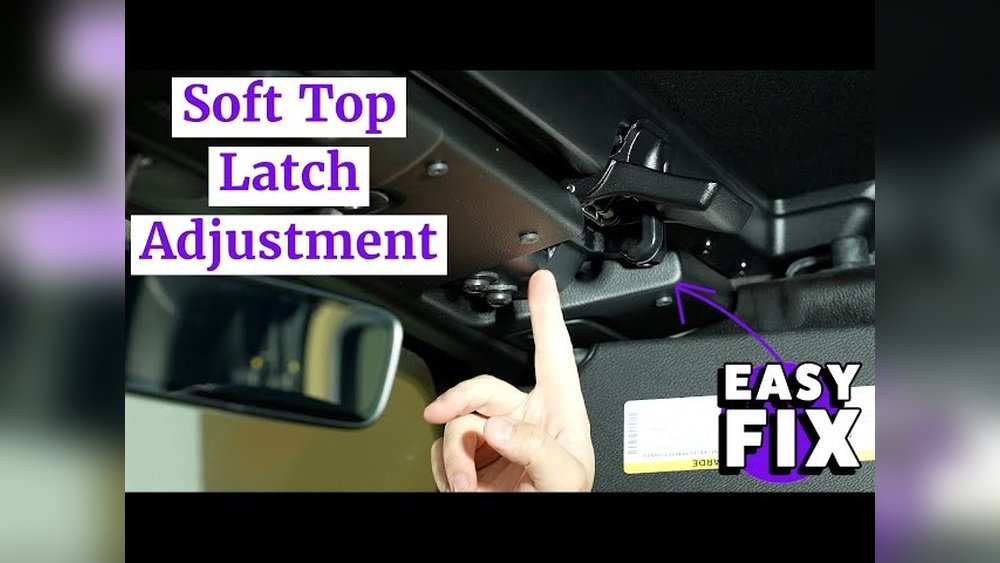
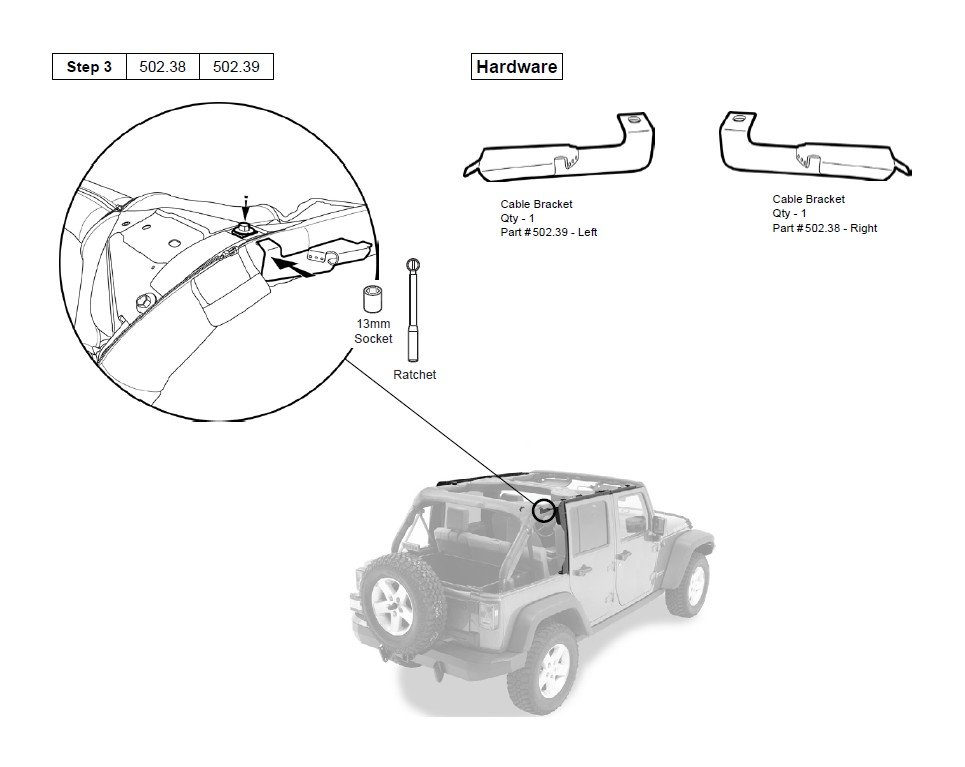
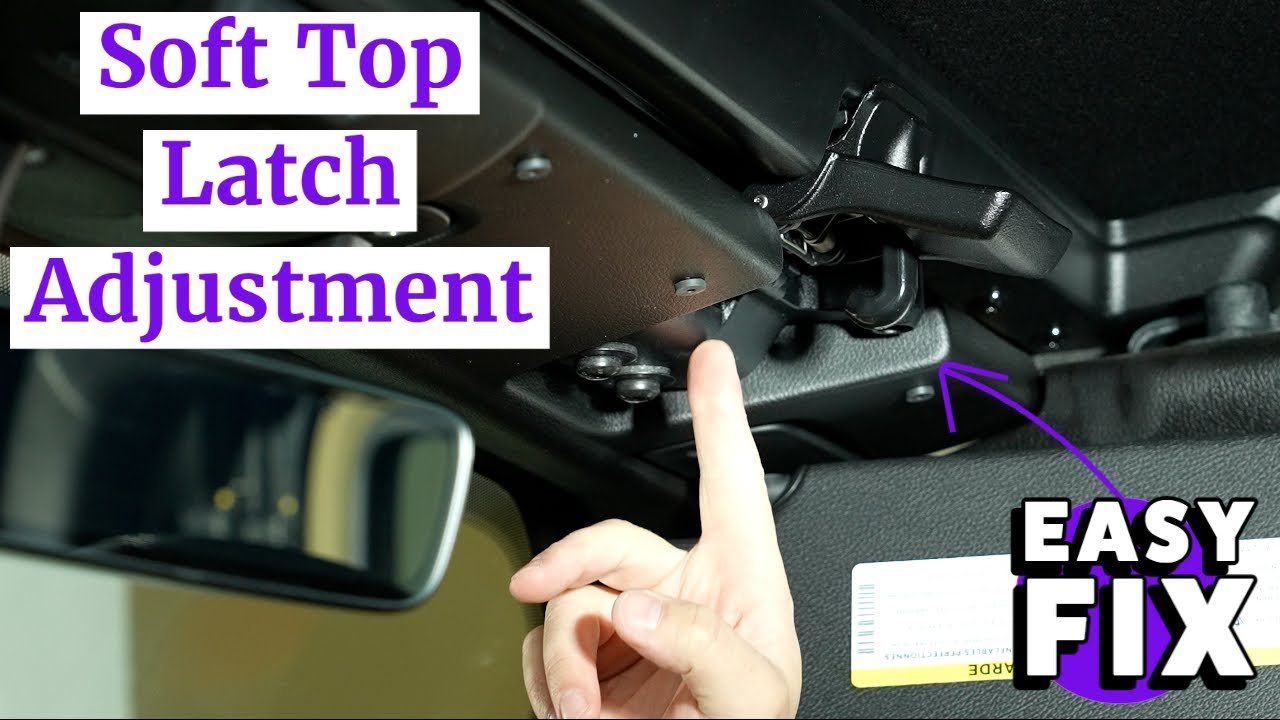
3. Tighten Hardware And Fasteners
Most Jeep soft tops use a mix of latches, snaps, and screws.
- Inspect all fasteners and make sure they’re tight, but not over-tightened.
- Use a wrench or screwdriver to adjust as needed.
- Replace worn or missing fasteners with new ones from a soft top repair kit.
Loose fasteners are one of the most common causes of sagging tops.
4. Adjust The Frame
The soft top frame provides structure and tension. Over time, it can become misaligned.
- Check the frame for bends or loose bolts.
- Tighten bolts and align the frame so it sits evenly.
- Lubricate moving parts with silicone lubricant to prevent squeaks and help with adjustment.
If your frame is bent, you may need to replace it. A straight frame is key for a tight fit.
5. Stretch And Secure The Fabric
Fabric naturally stretches and shrinks with weather.
- Start at the rear corners and pull the fabric tight.
- Attach the fabric to the frame, then secure side and front latches.
- Use gentle force—don’t yank or overstretch.
- If necessary, let the fabric warm in the sun for 20–30 minutes. Warm material stretches better.
This step can be tricky for new owners. If the fabric doesn’t fit, check for incorrect installation or missing parts.
6. Check Seals And Weather Stripping
Proper seals stop leaks and keep the top tight.
- Inspect weather stripping around windows and doors.
- Replace cracked or missing strips.
- Press seals firmly into place.
Many owners skip this, but poor seals cause leaks and loose fabric.
7. Test And Adjust
After installing, drive your Jeep at different speeds and listen for wind noise.
- Check for leaks with a hose or during rain.
- If you notice issues, revisit the steps above.
Repeat adjustments until you’re satisfied with the fit.
Comparing Jeep Soft Top Types
Different Jeep models and soft top designs affect how easy it is to tighten the top. Here’s a comparison:
| Model | Top Type | Ease of Tightening | Common Issues |
|---|---|---|---|
| Wrangler TJ | Factory Soft Top | Easy | Loose rear corners |
| Wrangler JK | Premium Soft Top | Medium | Frame misalignment |
| Wrangler JL | Fastback Soft Top | Hard | Fabric stretching |
Signs Your Soft Top Needs Attention
Don’t wait for major problems. Look for these early signs:
- Flapping fabric at highway speeds
- Water inside after rain
- Drafts through seams
- Loose or missing fasteners
Addressing these quickly saves money and keeps your Jeep comfortable.
Common Mistakes And How To Avoid Them
Many Jeep owners make simple mistakes when tightening their soft tops:
- Ignoring frame alignment: Always check the frame before tightening.
- Over-tightening fasteners: This can break parts or tear fabric.
- Skipping cleaning: Dirt prevents proper sealing.
- Not warming the fabric: Cold material is harder to stretch.
- Forgetting seals: Poor weather stripping leads to leaks.
Avoid these, and your soft top will last longer and work better.
Soft Top Maintenance Tips
Regular care keeps your soft top tight and extends its life:
- Clean every 3–6 months
- Lubricate moving parts yearly
- Inspect for damage after off-road trips
- Store indoors during winter if possible
These small steps prevent big problems later.
Cost Comparison: Tightening Vs Replacement
You might wonder if it’s better to tighten or replace your soft top. Here’s a quick data comparison:
| Action | Average Cost | Estimated Lifespan |
|---|---|---|
| Tightening & Repair | $50–$150 | 1–2 years |
| Full Replacement | $500–$1200 | 5–7 years |
Tightening is usually enough for minor issues. If your top is very old or damaged, replacement may be smarter.
Frequently Asked Questions
How Often Should I Tighten My Jeep Soft Top?
Check your soft top every 6 months, and tighten as needed. If you go off-road or remove the top often, check more frequently.
Can I Tighten The Soft Top By Myself, Or Do I Need A Mechanic?
Most Jeep owners can tighten the top themselves with basic tools. If you find major damage or the frame is bent, a mechanic might be necessary.
What’s The Best Way To Prevent Leaks After Tightening?
Replace worn weather stripping and check seals. Testing with water helps find leaks early.
Is It Normal For The Soft Top To Feel Tighter After Warming Up?
Yes. Soft top material stretches better when warm, especially in sunny weather.
If it’s cold, let it warm up before tightening.
Where Can I Find Official Instructions For My Jeep Model?
You can find official guides and videos on the Jeep website or reliable sources like ExtremeTerrain.
A snug, well-maintained soft top makes your Jeep more enjoyable to drive. With these steps, you can fix common issues, avoid mistakes, and keep your Jeep ready for any adventure.
Regular attention will save you money and keep your Jeep looking sharp so don’t wait until problems get worse.