Shifting your Jeep into 4H (Four High) is a key step for driving safely on surfaces like snow, mud, or gravel. Many new Jeep owners worry about damaging their vehicle or making mistakes during this process.
In reality, shifting into 4H is simple if you follow clear steps and understand what happens inside your Jeep. This guide will help you shift confidently, avoid common errors, and know when 4H is the right choice for your driving conditions.
What Is 4h And When Should You Use It?
4H stands for Four Wheel Drive High Range. In this mode, power goes to all four wheels, giving you better traction. It’s not for everyday driving on dry pavement; instead, use it when roads are slippery or off-road conditions need extra grip.
Examples of when to use 4H:
- Snowy roads
- Loose gravel
- Mud
- Sand
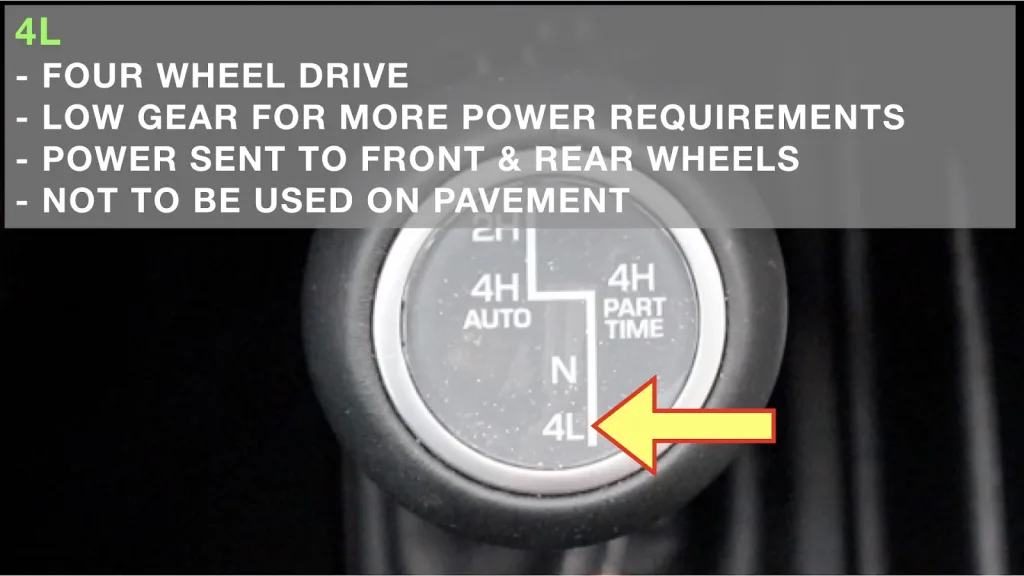
4H lets you drive at regular speeds (up to 55 60 mph) but gives more control. Unlike 4L (Four Low), which is for slow crawling or steep hills, 4H is for moderate-speed driving where extra traction helps.
Steps To Shift Into 4h In A Jeep
The method to shift depends on your Jeep model and if you have a manual or electronic transfer case. Here’s how to do it safely:
1. Check Road Conditions
Only shift into 4H when surfaces are slippery or uneven. Using 4H on dry pavement can cause wear on your drivetrain.
2. Prepare Your Jeep
Most Jeep models allow you to shift into 4H while moving (called “shift-on-the-fly”). Make sure your speed is under 55 mph.
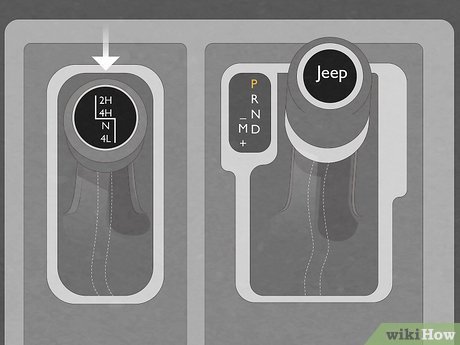
3. Locate The Transfer Case Shifter
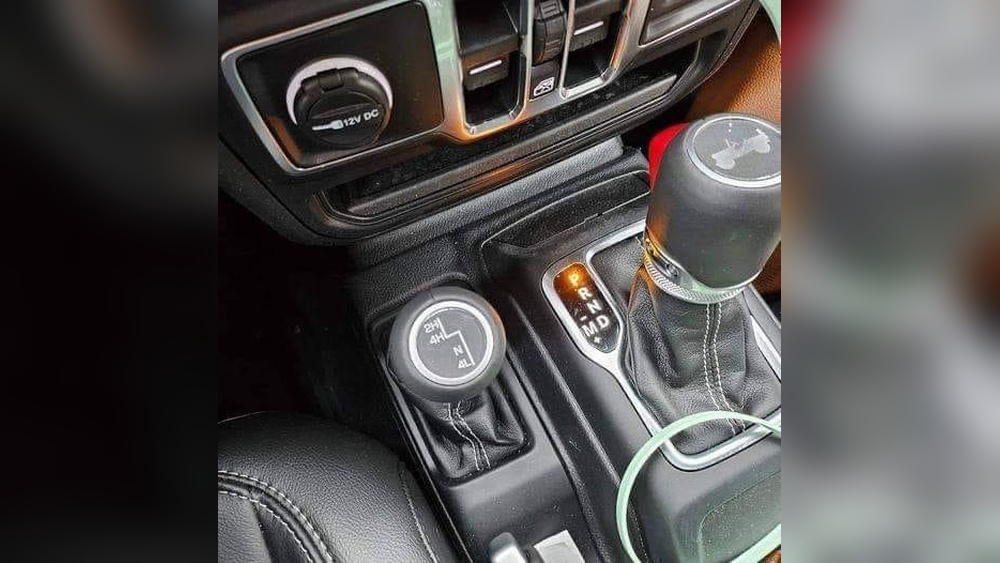
Older Jeeps usually have a lever. Newer models may use a knob or button.
- Shifting Steps for Manual Transfer Case
- Keep your foot on the accelerator.
- Gently pull the shifter from 2H to 4H.
- You’ll feel a slight click or resistance.
- No need to stop; shifting while moving is safe.
- Shifting Steps for Electronic Transfer Case
- Press the 4H button or turn the knob.
- Wait for the indicator light to show “4H.”
- Sometimes, you need to release the accelerator briefly.
- Verify Engagement
The dashboard will show a 4H indicator light. Listen for a small change in engine sound or feel.
7. Drive Normally
In 4H, you can drive at regular speeds. Avoid sharp turns or aggressive driving.
Here’s a quick comparison of shifting methods:
| Transfer Case Type | Shifting Method | Speed Limit |
|---|---|---|
| Manual Lever | Pull lever while moving | Below 55 mph |
| Electronic Switch | Press button/turn knob | Below 55 mph |
Common Mistakes And How To Avoid Them
Many Jeep owners make errors that can damage their vehicle or reduce safety. Here are the most frequent mistakes:
1. Shifting On Dry Pavement
Using 4H on dry, solid roads causes drivetrain stress. Only use 4H on slippery or loose surfaces.
2. Exceeding Speed Limits
Driving above 60 mph in 4H can lead to overheating or mechanical problems.
3. Forgetting To Check Indicator Lights
Always confirm the 4H light is on. If not, the system may not be engaged.
4. Turning Sharply In 4h
Avoid tight turns in 4H. This can cause tire binding and damage.
5. Switching Between 4h And 4l Incorrectly
Never shift directly from 4H to 4L while moving. Always stop completely before shifting to 4L.
Practical Tips For Smooth 4h Shifting
- Use consistent speed: Shifting at steady, moderate speeds helps the transfer case engage smoothly.
- Listen for unusual noises: If you hear grinding or loud clicks, stop and check your Jeep. Normal shifting is quiet.
- Practice in a safe area: Try shifting into 4H in an empty parking lot or quiet road before using it in tough conditions.
- Know your Jeep’s system: Some models have unique features or requirements. Check your owner’s manual for details.
Here’s a comparison of 4H and 4L modes:
| Mode | Best Used For | Speed Range |
|---|---|---|
| 4H | Snow, mud, gravel | Up to 60 mph |
| 4L | Steep hills, deep mud | Under 25 mph |
Jeep Models And 4h Shifting Differences
Different Jeep models offer different 4H systems. The most common are:
- Jeep Wrangler: Manual lever or electronic switch.
- Jeep Grand Cherokee: Electronic dial or button.
- Jeep Gladiator: Manual lever.
Here’s a quick guide:
| Model | 4H Shifting Type | Notes |
|---|---|---|
| Wrangler | Manual or Electronic | Shift-on-the-fly available |
| Grand Cherokee | Electronic | Automatic engagement |
| Gladiator | Manual | Requires lever movement |
Some newer models also have automatic four-wheel drive. In these systems, the Jeep switches between 2H and 4H without driver input. Always check your specific model’s guide for exact instructions.
Real-life Example: Shifting In Winter
Suppose you’re driving a Jeep Wrangler and snow starts falling. As the road becomes slippery, you slow down to 40 mph. You gently pull the transfer case lever from 2H to 4H. The dashboard light switches to “4H,” and you feel the Jeep handle better. Later, when the road clears, you shift back to 2H to protect your drivetrain.
Many drivers miss the step of checking if the 4H light is on. This simple check prevents mistakes and ensures you get the traction you need.

Frequently Asked Questions
Can I Shift To 4h While Driving?
Yes. Most Jeeps let you shift to 4H while moving, as long as your speed is below 55 mph.
Always check your owner’s manual for your specific model.
What Happens If I Use 4h On Dry Pavement?
Driving in 4H on dry roads can cause drivetrain binding and extra wear. Only use 4H when surfaces are slippery or loose.
How Do I Know If 4h Is Engaged?
Your dashboard will show a 4H indicator light. You may also feel a change in how your Jeep handles. If the light doesn’t come on, repeat the shifting steps.
Is It Safe To Drive Fast In 4h?
Keep your speed under 60 mph in 4H. Going faster can overheat the system and cause damage.
Can I Shift Directly From 4h To 4l?
No. Always come to a complete stop before shifting between 4H and 4L.
Shifting while moving can damage the transfer case.
Shifting your Jeep to 4H is easy once you know the right steps and understand your vehicle’s system. Practice safe shifting, use 4H only when needed, and always check your indicators. For more detailed Jeep information, see Jeep Official Site. With these tips, you’ll drive confidently in tough conditions and keep your Jeep in top shape.