Lifting your Jeep is a popular upgrade for off-road fans and anyone who wants a tougher look. But the process involves more than just installing bigger springs.
If you do it right, your Jeep will handle better, ride safely, and perform well on rough terrain.
If you skip important steps, you could hurt your Jeep’s performance or even risk safety. This guide will help you understand the choices, steps, and common mistakes so you can lift your Jeep confidently.
Why Lift Your Jeep?
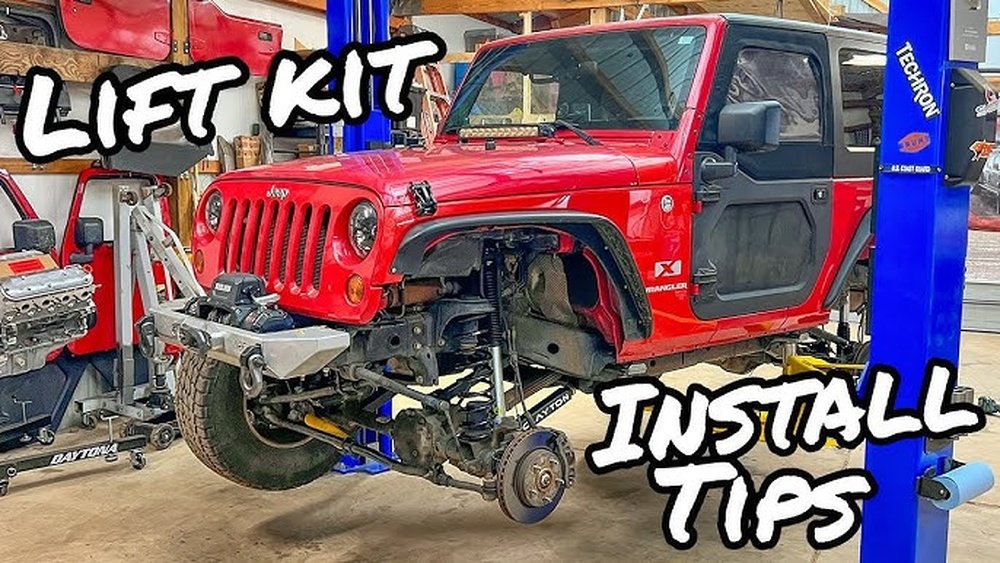
Most drivers lift their Jeeps for two main reasons: improved ground clearance and larger tires. Extra clearance lets you drive over rocks, mud, and deep snow. Bigger tires mean more grip and a rugged appearance. Lifting also allows for better approach angles, which help you tackle steeper obstacles. Some people lift their Jeep just for style, but performance should always be considered first.
Types Of Jeep Lift Kits
There are several ways to lift a Jeep, each with pros and cons. Picking the right kit depends on your budget, driving style, and how much height you want.
| Lift Kit Type | Height Gain | Typical Cost | Best For |
|---|---|---|---|
| Body Lift | 1-3 inches | $100-$400 | Basic appearance, mild off-road |
| Suspension Lift | 2-6 inches | $400-$2,000+ | Serious off-road, larger tires |
| Spacer Lift (Budget Boost) | 1-2.5 inches | $200-$600 | Entry-level, small tire upgrade |
Body Lift
This kit adds spacers between the body and the frame. It’s cheap and simple but doesn’t improve suspension performance.
You can fit slightly larger tires, but ground clearance under the frame stays the same.
Suspension Lift
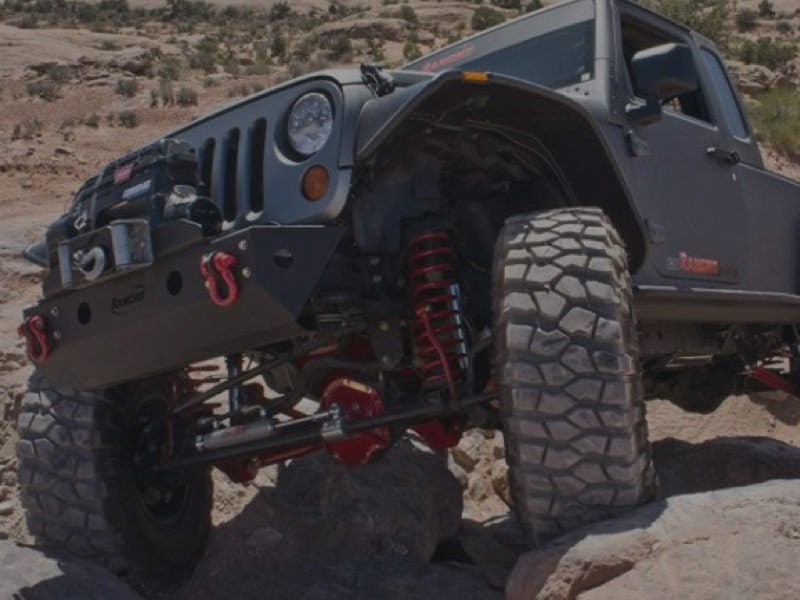
This is the most popular choice for off-road fans. It replaces springs, shocks, and sometimes other parts.
You get real ground clearance, better suspension travel, and can fit much larger tires.
Spacer Lift
Also called a budget boost, this kit adds spacers above the springs. It’s quick, affordable, and works well for mild off-road use. However, it doesn’t improve ride quality.
Preparing For The Lift
Before lifting your Jeep, check these key points:
- Tire Size: Decide what tire size you want. Not all lifts fit all tires.
- Budget: Include extra costs for alignment, new shocks, or longer brake lines.
- Tools: Basic tools include a jack, jack stands, wrenches, and a torque wrench.
- Garage Space: Lifting takes several hours. Make sure you have enough space and time.
Many beginners forget to plan for alignment after the lift. Skipping this can cause uneven tire wear and poor handling.
Step-by-step: How To Lift Your Jeep
Follow these steps for a safe and effective lift:
- Park and Secure: Place your Jeep on level ground. Set the parking brake.
- Remove Wheels: Loosen lug nuts, lift the Jeep with a jack, and remove the wheels.
- Install Lift Components: Follow kit instructions. For a suspension lift, replace springs and shocks. For a body lift, add spacers and tighten bolts.
- Check Brake Lines: If you lift more than 2 inches, install longer brake lines.
- Reinstall Wheels: Put wheels back and torque lug nuts to specs.
- Lower Jeep: Carefully remove jack stands and lower the vehicle.
- Alignment: Get a professional alignment. This is critical for safe driving.
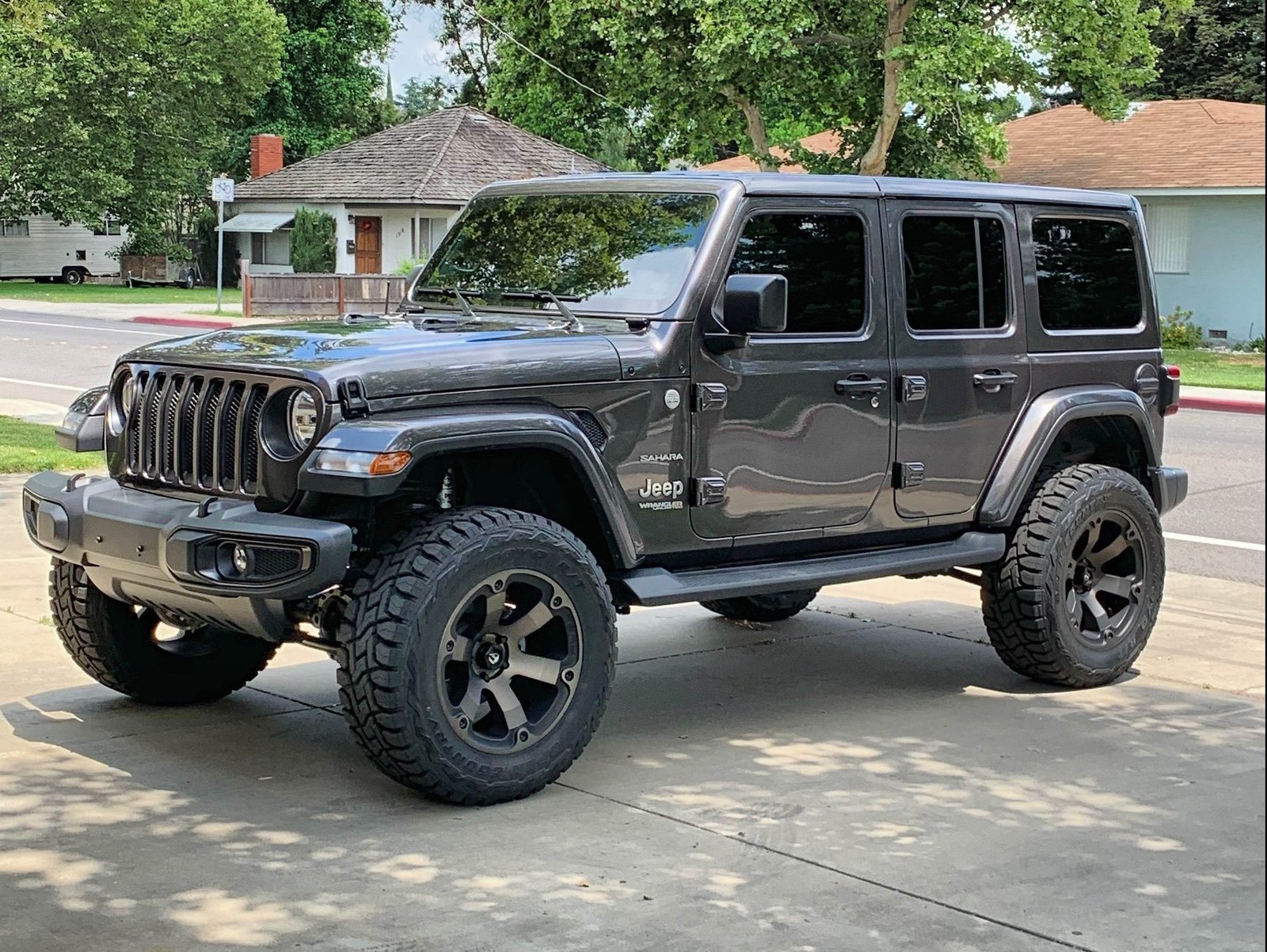
| Lift Height | Recommended Tire Size | Extra Mods Needed |
|---|---|---|
| 1-2″ | 30-32″ | None or minor trimming |
| 2.5-4″ | 33-35″ | Brake lines, alignment, possible driveshaft upgrade |
| 4-6″ | 35-37″ | Driveshafts, steering, gear changes |
Common Mistakes To Avoid
Many Jeep owners make these errors when lifting:
- Skipping alignment: Causes steering problems and uneven tire wear.
- Ignoring brake lines: Lifting too high without longer lines can snap them.
- Overlooking driveshafts: Big lifts change the angle; you might need new driveshafts.
- Choosing wrong lift for use: Don’t buy a 6-inch kit if you mostly drive on roads.
- Not checking legality: Some states have height limits for vehicles.
A non-obvious tip: If you plan to lift over 3 inches, research gear ratio changes. Bigger tires can make your Jeep feel slow unless you upgrade gears.
Real-world Example
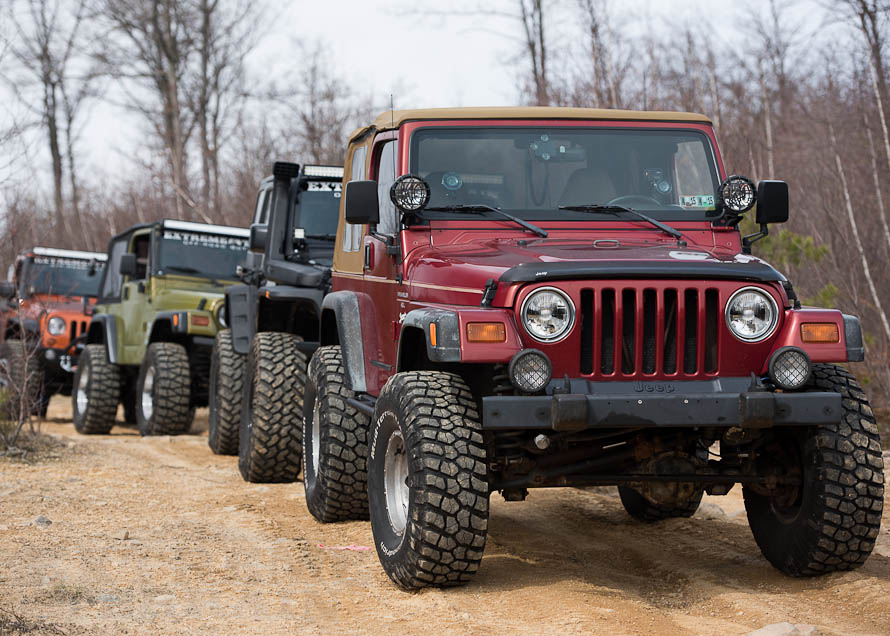
Let’s look at a typical Jeep Wrangler lift. A 2.
5-inch suspension lift allows you to fit 33-inch tires. The cost is about $700 for parts, plus $200 for alignment.
Most owners finish the project in one day, but some take longer if they run into rust or stuck bolts.
Another insight: When fitting bigger tires, check the backspacing of your wheels. Incorrect backspacing can cause rubbing on the suspension or body.
After The Lift: What To Expect
Your Jeep’s center of gravity will be higher. Handling changes, so drive carefully at first.
You’ll notice better off-road ability, but may lose some on-road comfort. Fuel economy can drop if you fit much larger tires.
Many drivers also add upgraded shocks for a smoother ride. If you drive in snow or mud, lifted Jeeps perform better, but remember your visibility to other drivers changes.
Frequently Asked Questions
How Much Does It Cost To Lift A Jeep?
A basic body lift costs about $150-$400. Suspension lifts range from $400 to $2,000, depending on quality and height.
Remember to budget for alignment and possible upgrades like brake lines.
Will Lifting My Jeep Void The Warranty?
Many manufacturers do not cover issues caused by aftermarket lifts. Check your warranty details.
Some dealers offer approved lift kits that keep the warranty valid.
Can I Lift My Jeep Myself?
Yes, if you have mechanical skills and the right tools. Suspension lifts are more complex than body lifts.
If unsure, get help from a shop or experienced friend.
What Size Tires Can I Fit After Lifting?
It depends on lift height. A 2-inch lift usually fits 32-inch tires; a 4-inch lift fits up to 35-inch tires.
Always check for rubbing before finalizing tire size.
Is A Lifted Jeep Safe For Daily Driving?
A properly installed lift is safe. However, handling changes and you may need longer brake lines or new driveshafts.
Get an alignment and drive carefully, especially at first.
If you want more details about Jeep lifts and legal limits, visit the Lift Kit Wikipedia page for extra information.
Lifting your Jeep opens up new adventures and makes your vehicle stand out. With the right planning and careful steps, you can enjoy better off-road performance and a unique look.
Always put safety first and enjoy your new lifted Jeep.