If you drive a Jeep Wrangler, knowing how to jack it up safely is important. Whether you need to change a tire or do maintenance, getting this step right protects both you and your vehicle. Many new owners worry about damaging the frame or using the wrong equipment, so clear instructions help you avoid expensive mistakes. With the Wrangler’s unique build and higher ground clearance, the process is a bit different from regular cars. This guide explains how to jack a Jeep Wrangler, what tools to use, and how to work safely—without skipping important details.
Choosing The Right Jack For Your Jeep Wrangler
Wranglers are heavier and taller than standard cars. Using the wrong jack can be dangerous. Here are the main types:
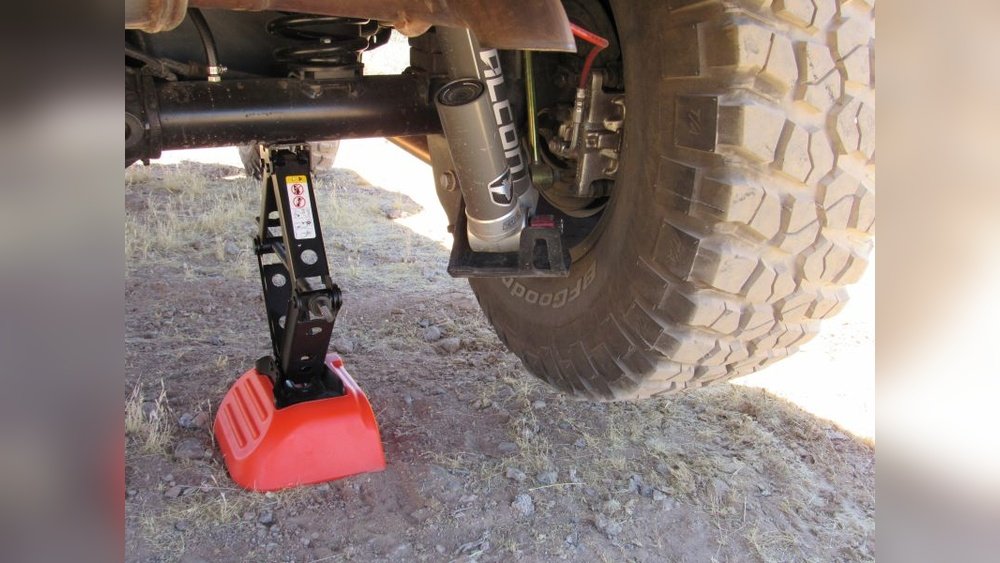
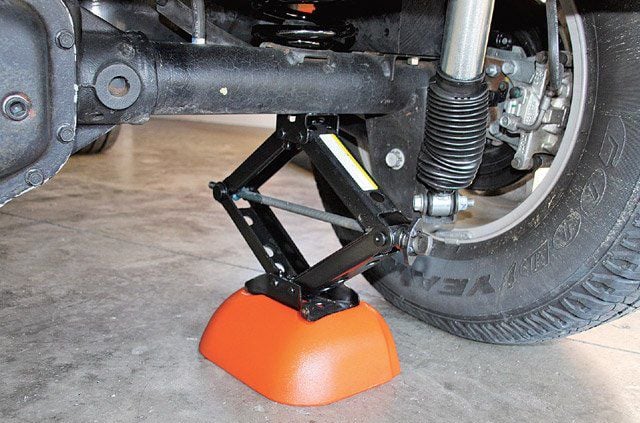
- Scissor Jack: Often comes with the Jeep, but only for emergency tire changes. Not ideal for major repairs or uneven ground.
- Bottle Jack: Compact and strong, but sometimes unstable on soft surfaces. Good for quick lifts.
- Floor Jack: Best for garage work. Stable, easy to use, and lifts most Wranglers safely.
- Hi-Lift Jack: Designed for off-road use. Useful if your Wrangler has big tires or is lifted.
Here’s a quick comparison:
| Jack Type | Lift Height | Stability | Best Use |
|---|---|---|---|
| Scissor Jack | Up to 15 inches | Medium | Emergency tire change |
| Bottle Jack | Up to 18 inches | Low-Medium | Quick lifts, off-road |
| Floor Jack | Up to 20 inches | High | Garage repairs |
| Hi-Lift Jack | Up to 48 inches | Medium | Off-road, lifted Jeeps |
Tip: Always check the jack’s weight rating. A standard Jeep Wrangler weighs about 4,000 lbs. Use a jack rated for at least 4,500 lbs.
Preparing Your Jeep For Jacking
Before you lift your Wrangler, make sure you’re working safely. Here’s what you need to do:
- Park on level ground. If you’re off-road, find the flattest area possible.
- Engage the parking brake. This prevents rolling.
- Chock the wheels. Place wheel chocks behind and in front of tires that stay on the ground.
- Remove loose items. Take out anything that could fall or shift.
Many beginners skip wheel chocks, thinking the parking brake is enough. But Wranglers are heavy, and even a small slope can cause movement. Always use chocks.

Locating The Proper Jack Points
Finding the right jack points is key. Wrong placement can bend the frame or cause the jack to slip.
- For tire changes: Place the jack under the axle tube closest to the wheel you’re lifting.
- For repairs: Use the frame rail (not the rocker panels). On most Wranglers, it’s a thick, steel bar running along the side.
Check your owner’s manual for exact locations. Never jack under plastic trim, suspension arms, or the oil pan.
Here’s a simple comparison:
| Jack Point | Safe? | Common Mistake |
|---|---|---|
| Axle Tube | Yes | None |
| Frame Rail | Yes | None |
| Rocker Panel | No | Bends easily |
| Suspension Arm | No | Unstable |
| Oil Pan | No | Cracks easily |
Pro insight: Some aftermarket lift kits change jack points. If you have a lift kit, double-check with your installer.
Step-by-step: How To Jack A Jeep Wrangler
Follow these steps for a safe lift:
- Gather tools: Jack, jack stands, wheel chocks, lug wrench.
- Set up: Park, brake, and chock wheels.
- Locate jack point: Axle tube for tire changes, frame rail for repairs.
- Position jack: Place the jack saddle snugly under the metal. Avoid rubber or plastic parts.
- Lift slowly: Pump the jack until the tire clears the ground (about 1–2 inches).
- Insert jack stand: For longer work, slide a jack stand under the axle or frame. Lower the jack so the Jeep rests on the stand.
- Check stability: Give the Jeep a gentle push. If it moves, reposition the jack or stand.
- Remove wheel or do repairs: Only work when the Jeep is stable.
- Lower carefully: When finished, lift the Jeep slightly, remove the jack stand, and lower the Jeep slowly.
Common mistake: Many people forget to use jack stands. Never rely on the jack alone, especially for repairs under the vehicle.
Safety Tips And Mistakes To Avoid
Safety is more important than speed. Here are mistakes to watch out for:
- Using the wrong jack point: This can damage your Jeep.
- Skipping wheel chocks: Even with the brake on, the Jeep can roll.
- Lifting too high: Just enough to clear the tire is safest.
- Working on uneven ground: Always find the flattest spot possible.
- Leaving the jack as sole support: Always use jack stands for long jobs.
A surprising fact: About 20,000 car jack accidents happen in the US every year. Most are from improper jack placement or not using stands.
Jeep Wrangler Jacking Data
To understand the Wrangler’s lift needs, here’s a data table showing typical tire clearance and jack heights:
| Wrangler Model | Tire Size | Minimum Jack Height | Lift Point Height |
|---|---|---|---|
| Sport | 29 inches | 12 inches | 14 inches |
| Rubicon | 33 inches | 15 inches | 17 inches |
| LIFTED (2-inch lift) | 35 inches | 18 inches | 20 inches |
If your Wrangler is lifted or has larger tires, make sure your jack can reach these heights.

Frequently Asked Questions
How Do I Know If My Jack Is Strong Enough?
Check the weight rating printed on the jack. It must be above your Jeep’s weight. Most Wranglers are around 4,000 lbs, so a jack rated for 4,500 lbs or more is safe.
Can I Use A Standard Car Jack For My Jeep Wrangler?
A standard car jack often isn’t tall enough or strong enough. Use a floor jack or hi-lift jack designed for SUVs or trucks.
Where Should I Place The Jack Stands?
Put the jack stands under the axle tube or frame rail, never under plastic or suspension parts. Make sure they sit flat and hold the Jeep’s weight securely.
What If My Jeep Is Lifted?
If your Wrangler has a lift kit, you may need a higher jack (minimum 18–20 inches). Double-check your jack’s max height and use stands made for trucks.
Can I Jack My Jeep Off-road?
Yes, but be extra careful. Use a hi-lift jack and find the flattest area possible. Always chock wheels and check stability. Off-road jacking is riskier, so slow down and stay safe.
Jacking your Jeep Wrangler doesn’t need to be stressful. With the right equipment and careful steps, you protect yourself and your vehicle. Most accidents happen when people rush or skip basics, so take your time. If you want more technical details, Jeep’s official website or guides like Jeep Official Site offer deeper info. Confident jacking means you can handle a flat tire or garage project—without worry.