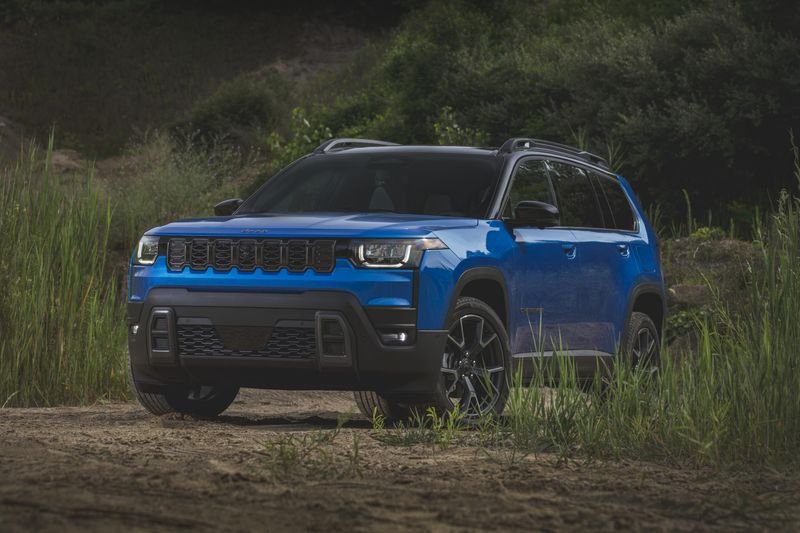
Lifting a Jeep Wrangler with a floor jack sounds simple, but many owners get it wrong — risking injury, damage, or both. Whether you want to change a tire, inspect the undercarriage, or perform basic repairs, knowing how to safely use a floor jack is essential. This guide explains each step in plain English, shares pro-level tips, and covers common mistakes most beginners don’t realize. Let’s make sure your next lift is safe, smooth, and stress-free.
Why Use A Floor Jack With Your Jeep Wrangler?
A floor jack is more stable and powerful than the small scissor jack that comes with your Wrangler. Floor jacks have a wide base and wheels, making them less likely to slip. They also lift heavier weights and give you better access under the vehicle. For jobs like brake work, tire rotation, or suspension checks, a floor jack is the tool of choice.
But not all floor jacks or lifting points are the same. Using the wrong one, or jacking up the wrong spot, can bend your frame or cause your Wrangler to fall.
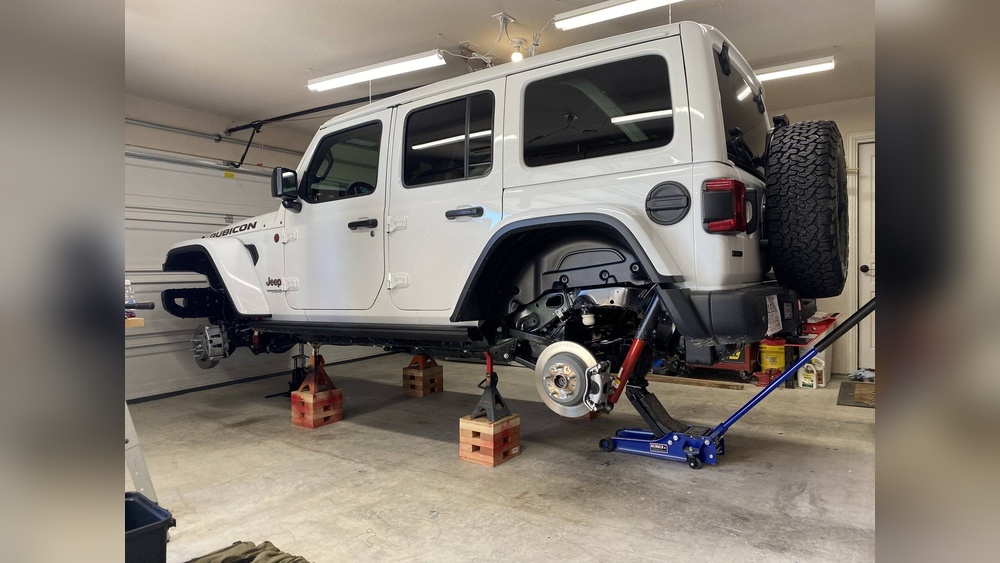
That’s why it’s important to understand your vehicle’s weight, where to place the jack, and which jack fits your needs.
Picking The Right Floor Jack For A Jeep Wrangler
Jeep Wranglers are heavier and taller than many cars. Here are the main things to consider:
| Feature | Why It Matters | Recommended Value |
|---|---|---|
| Weight Capacity | Must safely lift part of Jeep’s weight | At least 3 tons |
| Lift Range | Needs to reach Jeep’s frame height | Min. 18 inches |
| Jack Type | Stability and ease of use | Hydraulic floor jack |
Pro tip: Don’t use “bottle jacks” for frequent lifting. They’re less stable, especially on uneven ground or off-road.
Also, check your Wrangler’s weight. A 2-door model weighs about 4,000 lbs (1,800 kg), while a 4-door Unlimited can reach 4,500 lbs (2,040 kg). A 3-ton jack covers both.
Essential Tools And Safety Gear
Before you get started, gather everything you need. Missing one safety item can turn a simple job into a dangerous one.
- Hydraulic floor jack (at least 3-ton)
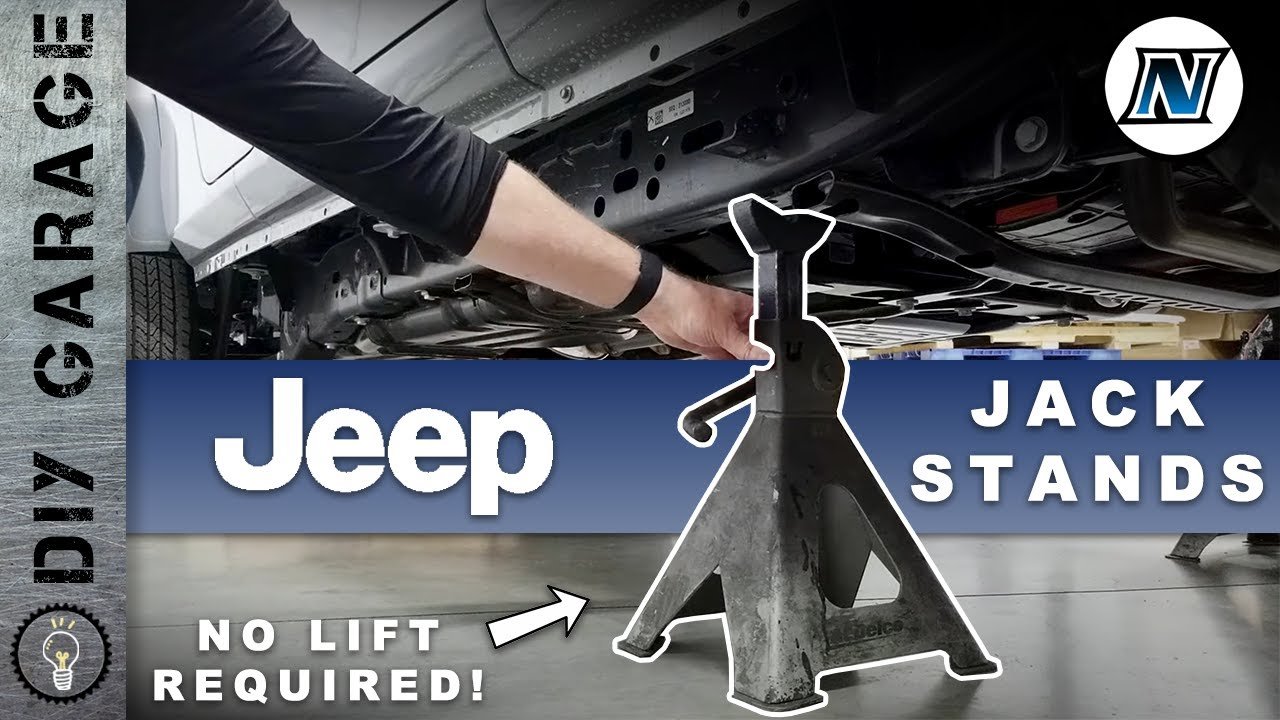
- Jack stands (never rely on the jack alone)
- Wheel chocks (stops Jeep from rolling)
- Work gloves (protect your hands)
- Tire iron or wrench (if removing wheels)
- Solid ground (never work on loose dirt)
Non-obvious tip: Always use jack stands, even for a quick tire change. Floor jacks can fail without warning.
Where To Place The Floor Jack On A Jeep Wrangler
Choosing the right jacking point is critical. Jeep frames are strong, but if you jack the wrong spot, you risk bending the body or damaging the suspension.
| Location | Safe for Lifting? | Notes |
|---|---|---|
| Frame rails (near wheels) | Yes | Best spot for most jobs |
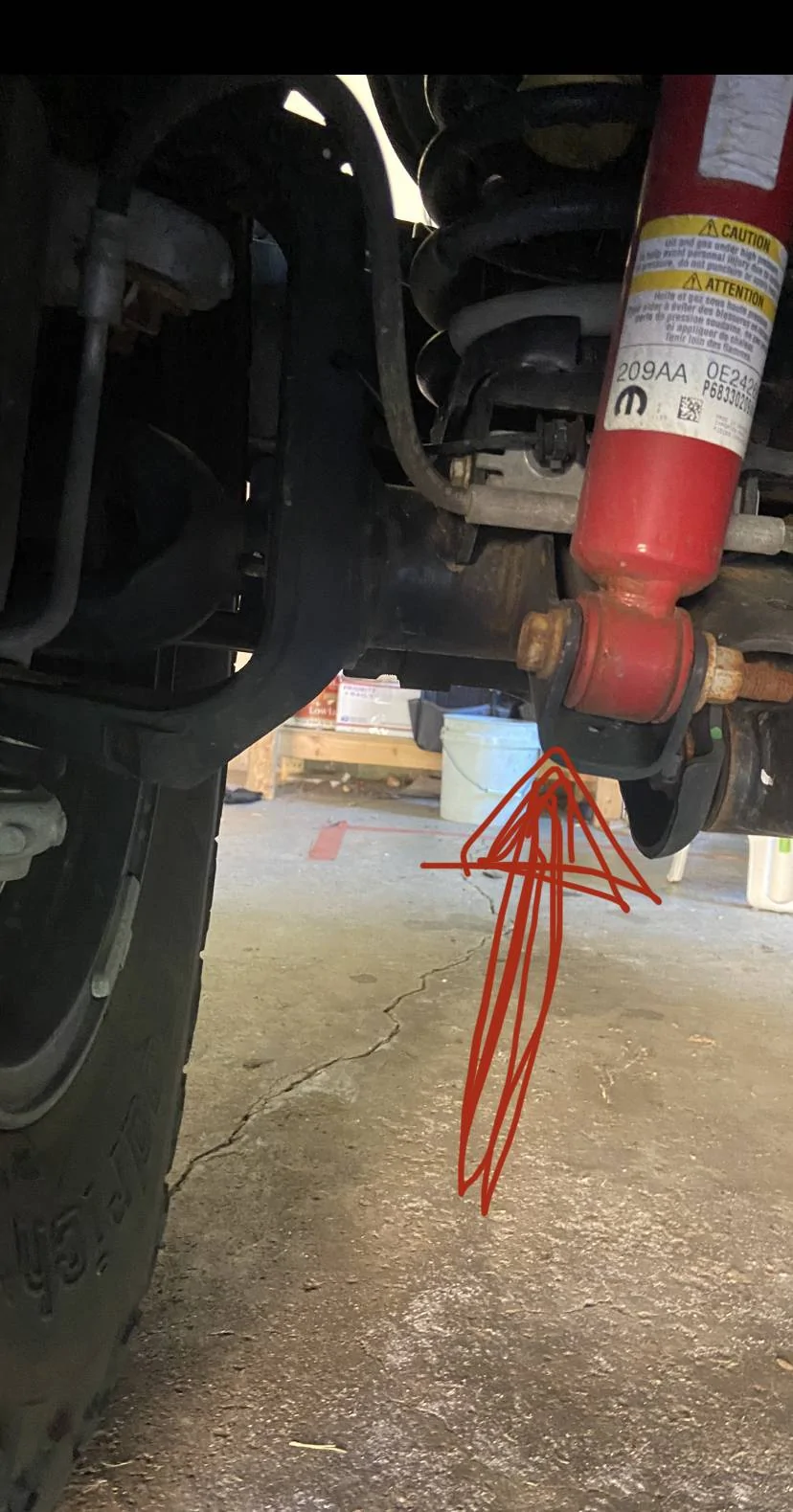
| Axle tubes | Yes | Use for axle or tire work |
| Body panels | No | Will bend or crush |
| Suspension arms | No | Unsafe, can slip |
Frame rails are the thick, straight metal beams running under the Jeep, just inside the wheels. They’re designed to take the weight. If you’re not sure, check your owner’s manual or look for reinforced metal spots.
Pro insight: Some Jeep Wranglers have “lift pads” or reinforced spots. Using these is safest and easiest.
Step-by-step: How To Use A Floor Jack On A Jeep Wrangler
Follow these steps for a safe lift:
1. Park On Level, Solid Ground
Concrete is best. Gravel or dirt is risky.
If you’re on a trail, use a thick board under the jack for stability.
2. Engage The Parking Brake And Block The Wheels
Set the parking brake hard. Place wheel chocks on both sides of the opposite wheels to prevent rolling.
3. Gather Tools And Position Jack Stands
Have everything within reach. Put jack stands nearby so you don’t have to crawl around later.
4. Locate The Correct Jacking Point
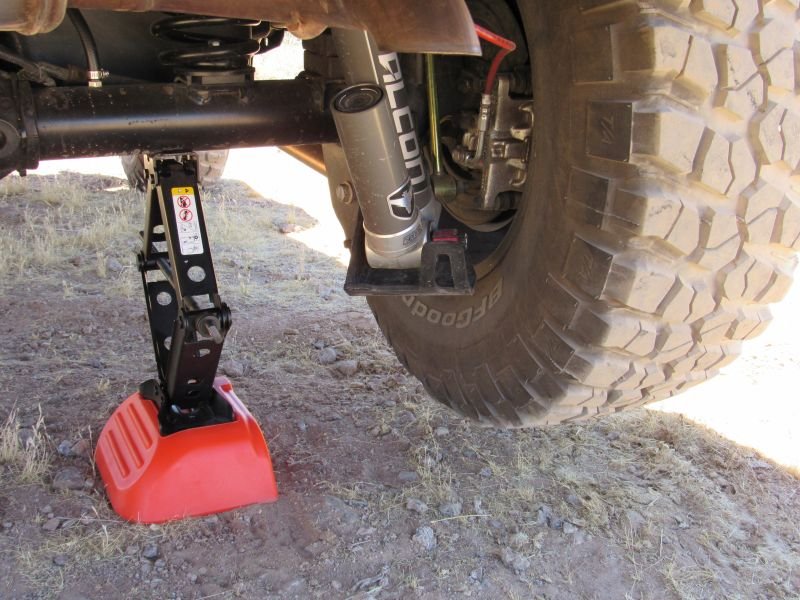
Find the frame rail or axle tube nearest the wheel or part you need to lift.
5. Slide The Floor Jack Under The Jacking Point
Make sure the jack’s saddle (lifting pad) lines up perfectly with the jacking spot. If it’s off even a little, it can slip.
6. Pump The Jack Handle Slowly
Raise the Jeep until the wheel is off the ground or you have enough room to work. Don’t rush quick movements make things unstable.
7. Place Jack Stands Under The Frame Or Axle
Lower the Jeep gently onto the stands. Make sure both stands are at the same height and firmly touching the frame.
8. Test Stability Before Working
Gently push the Jeep from the side. It should not move. If it wobbles, lower and reposition.
9. Finish Your Task Safely
Now you can remove a tire, inspect brakes, or do whatever job is needed.
10. Lower The Jeep
When done, raise the Jeep slightly with the jack, remove the stands, and then lower the Jeep fully to the ground.
Extra tip: Never crawl under a Jeep that’s supported only by a floor jack. Always use jack stands for safety.
Common Mistakes To Avoid
Many Wrangler owners repeat the same errors. Here’s what to watch out for:
- Using only the floor jack – Never trust a jack alone. Always add jack stands.
- Lifting on uneven ground – The jack can shift and fail.
- Wrong jacking point – Lifting a body panel or control arm can cause expensive damage.
- Forgetting wheel chocks – The Jeep can roll, even with the brake set.
- Overloading a small jack – A jack rated for cars isn’t strong enough for a Wrangler.
Advanced Tips For Off-road And Emergency Lifts
Jeeps love the outdoors, but off-road lifts are trickier.
- Carry a wide base plate: Jacks sink in mud or sand. A sturdy board under the jack helps.
- Use a high-lift jack only if you know how: These tools can tip easily and require special training.
- Check the load: Extra gear or larger tires add weight — make sure your jack can handle it.
Insider tip: If you get a flat off-road, sometimes it’s safer to drive slowly to solid ground before lifting, rather than risk a jack sinking or slipping.
Comparing Different Jacks For Jeep Wranglers
Choosing the right jack isn’t just about weight. Here’s how popular jack types stack up:
| Jack Type | Pros | Cons |
|---|---|---|
| Hydraulic Floor Jack | Stable, easy to use, fast | Heavy, bulky for off-roading |
| High-Lift Jack | Great for lifted Jeeps, off-road | Can tip, requires skill |
| Bottle Jack | Compact, powerful | Unstable on soft/uneven ground |
For most home and garage use, a hydraulic floor jack is the safest and easiest option.
Real-world Example: Changing A Tire On A Jeep Wrangler
Let’s walk through a quick scenario. You notice a flat rear tire on your 4-door Wrangler at home.
- Move the Jeep to a flat driveway.
- Engage the parking brake and place wheel chocks in front of both front tires.
- Use your hydraulic floor jack under the rear frame rail, close to the flat tire.
- Pump the jack until the tire is off the ground.
- Slide jack stands under the frame for safety.
- Remove the lug nuts with a tire iron, swap the tire, and hand-tighten the nuts.
- Lower the Jeep, finish tightening the lug nuts, and remove the jack.
Observation: Many people forget to loosen the lug nuts slightly before lifting the tire. If you wait until the wheel is in the air, it will spin, making the job harder.
Safety Reminders
- Always read both your floor jack’s manual and your Jeep’s owner’s manual.
- Don’t use a jack or stands with visible rust, cracks, or damage.
- Wear gloves and safety glasses for every job.
- If something feels unstable, lower the Jeep and try again. Don’t “make it work.”
What To Do If Your Jack Fails
It’s rare, but even good jacks can fail. If you hear a hiss or see the Jeep settle, don’t panic.
Move clear of the vehicle. Never try to “catch” a falling Jeep.
Once it’s safe, call for help or use a backup jack and stands.
Caring For Your Floor Jack
A well-maintained jack is a safe jack. Here’s how to keep yours working smoothly:
- Store it indoors to avoid rust.
- Check for leaks or dents before every use.
- Wipe off dirt and grease after each job.
- Lubricate moving parts twice a year.
- Bleed air from the system if the jack feels “spongy.”
For more details on floor jack care, check reputable sources like the Wikipedia page on jacks.
Frequently Asked Questions
How Much Can I Safely Lift With A Floor Jack On My Jeep Wrangler?
A 3-ton (6,000 lb) floor jack is ideal for all Jeep Wrangler models. You rarely lift the whole Jeep — just a corner or end — but using a jack rated well above the lifted weight adds safety.
Where Are The Safest Jacking Points On My Jeep Wrangler?
The frame rails just inside each wheel are safest. For axle work, the axle tubes themselves are strong enough. Avoid suspension arms, body panels, or thin metal parts.
Can I Use The Factory Scissor Jack Instead Of A Floor Jack?
You can in emergencies, but a floor jack is much more stable, faster, and safer for garage work. Scissor jacks are meant for quick tire changes only.
What Are Jack Stands, And Why Do I Need Them?
Jack stands are strong supports that hold your Jeep up if the jack fails. Never trust a floor jack alone — always add stands before working under the vehicle.
How Do I Prevent My Jeep From Rolling While Jacking?
Use wheel chocks in front and behind the wheels that stay on the ground. Always set the parking brake before you begin.
Lifting your Jeep Wrangler can be quick and easy if you follow the right steps. Respect the tools, double-check your safety gear, and never rush.
With practice, you’ll be able to handle repairs and upgrades confidently, knowing your Jeep and you are secure.