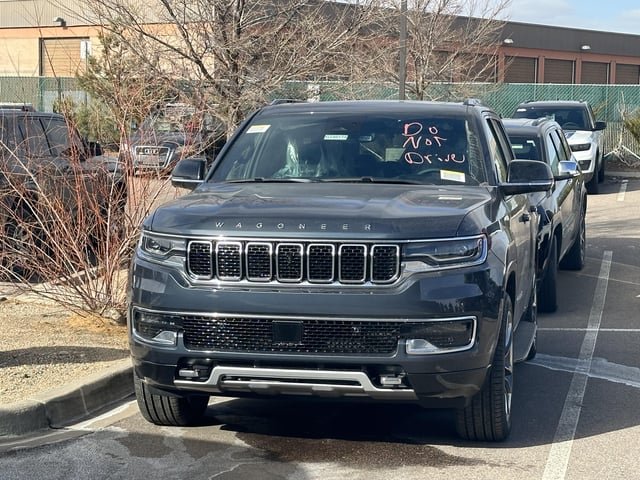
The story of Jeep is one of American resilience and adventure. From the muddy battlefields of World War II to the hearts of off-road enthusiasts, Jeep built a reputation for ruggedness and freedom.
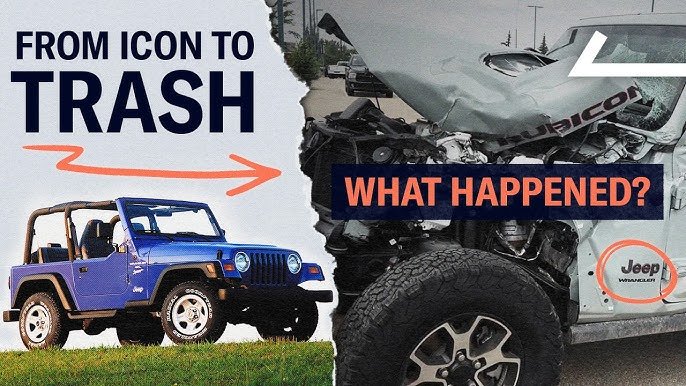
But in recent years, many fans and industry experts feel that something has changed. After Stellantis took control, Jeep’s direction shifted—and not for the better.
This article explores how Stellantis’s management and strategy decisions have eroded Jeep’s core identity, affected quality, and damaged its standing among loyal customers.
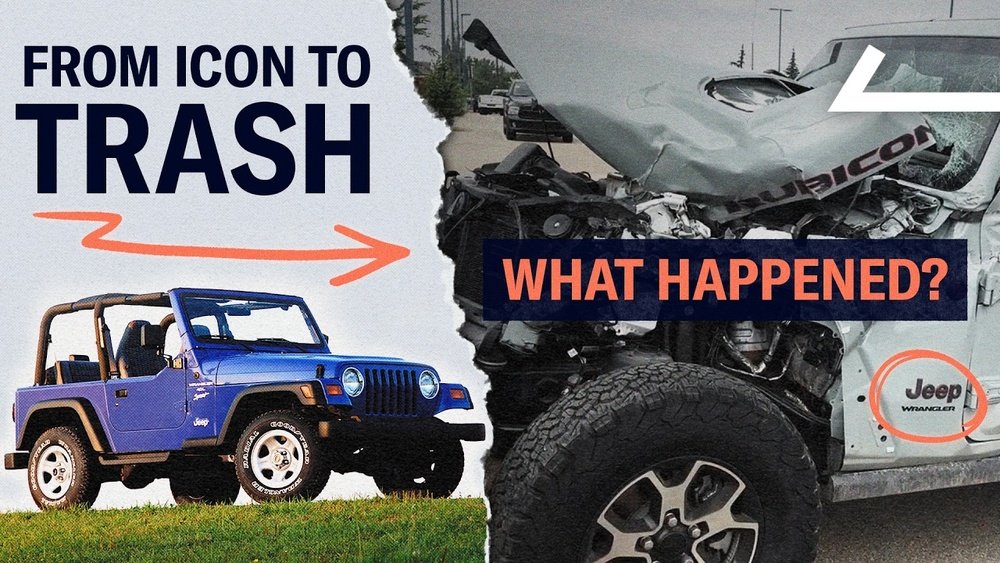
The Rise And Legacy Of Jeep
Jeep started as a symbol of American ingenuity. Created for military use in the 1940s, the Willys MB became iconic for its simple, robust design. Over the decades, Jeep evolved into a brand that stood for adventure, capability, and authenticity. The Wrangler, Cherokee, and Grand Cherokee became household names, trusted for their ability to tackle tough terrain and harsh weather.
Fans saw Jeep as more than a car. It was a lifestyle—a badge for those who wanted to go beyond the pavement. Jeep’s sales peaked at over 973,000 units in the US in 2018, reflecting its powerful appeal.
The Stellantis Takeover: What Changed?
Stellantis, formed from the merger of Fiat Chrysler Automobiles (FCA) and PSA Group in 2021, became the world’s fourth-largest automaker. With this merger, Jeep’s future was placed in new hands. Stellantis aimed for efficiency and global reach, but many believe these goals clashed with Jeep’s unique strengths.
Focus On Cost-cutting Over Quality
One of Stellantis’s early moves was to reduce costs. While this approach may please shareholders in the short term, it has real consequences for buyers:
- Materials: Cheaper interior plastics and trims began replacing the rugged, high-quality finishes Jeep fans expected.
- Manufacturing: Reports of quality control issues and recalls increased. For example, the 2022 Jeep Grand Cherokee faced recalls for faulty electronics and assembly errors.
Dilution Of Brand Identity
Stellantis pushed Jeep toward mass-market appeal. This meant more front-wheel-drive crossovers and less focus on true off-road vehicles. The Jeep Compass and Renegade, while popular, share parts with Fiat models and lack the signature toughness of the Wrangler.
The marketing now targets city drivers, not adventurers. This change risks alienating Jeep’s core audience—those who value authentic off-road ability.
Quality And Reliability: Numbers Don’t Lie
Recent data shows a worrying trend for Jeep under Stellantis. The following table compares reliability rankings for Jeep over time:
| Year | Jeep Reliability (JD Power, out of 33 brands) | Major Recalls |
|---|---|---|
| 2018 | 23rd | 4 |
| 2020 | 27th | 7 |
| 2023 | 32nd | 11 |
Jeep slid from a mid-tier brand to near the bottom in reliability. Recalls have nearly tripled since 2018. These issues cost owners time, money, and trust.
The Product Line: Losing What Made Jeep Special
Jeep’s product range once had a clear focus: vehicles that could handle the wild. Today, Stellantis has added models that chase trends, not tradition.
| Classic Jeep Models | New Stellantis-era Models | Main Differences |
|---|---|---|
| Wrangler | Renegade | Less off-road, more urban |
| Cherokee | Compass | FWD/AWD, shares Fiat parts |
| Grand Cherokee | Avenger (EU only) | Small, city-focused |
This shift confuses buyers. When every SUV looks similar and drives like a car, Jeep loses its edge. The Wrangler remains true to the brand, but other models have lost their original purpose.
The Electric Gamble
Electrification is the future of cars, but Stellantis’s approach with Jeep feels rushed. The Jeep 4xe plug-in hybrids promise efficiency, yet early reviews mention software glitches and inconsistent performance.
Instead of leading with innovation, Jeep is now seen as playing catch-up. Worse, the new electric models often lack the rugged engineering that set Jeep apart.
Customer Loyalty And Market Response
Jeep’s loyal base is shrinking. In 2022, Jeep’s US sales fell 12%, while brands like Toyota and Ford gained ground in SUVs. Online forums are filled with longtime Jeep owners sharing stories of defect-prone new models and expensive repairs.
Many fans now look to other brands for reliability and value. Some even say they feel betrayed—Jeep used to be a safe bet for adventure, but now it’s just another SUV.
Two Insights Most People Miss
- Brand loyalty is fragile: Even icons like Jeep can lose fans quickly when quality slips. Many automakers survive on repeat buyers; losing them can hurt sales for years.
- Urban focus alienates core buyers: By chasing city drivers, Stellantis underestimated how important the off-road image is—even to those who never leave the pavement. People buy the dream, not just the car.
Was Stellantis’s Strategy A Mistake?
Not all of Stellantis’s moves were bad in theory. Expanding Jeep’s reach and updating technology were needed.
However, the execution failed to protect what made Jeep special.
- Cost-cutting led to lower quality
- Trend-chasing diluted the brand
- Faster electrification introduced more problems than solutions
Jeep is now at risk of becoming another generic SUV brand, rather than the leader in adventure vehicles.
Frequently Asked Questions