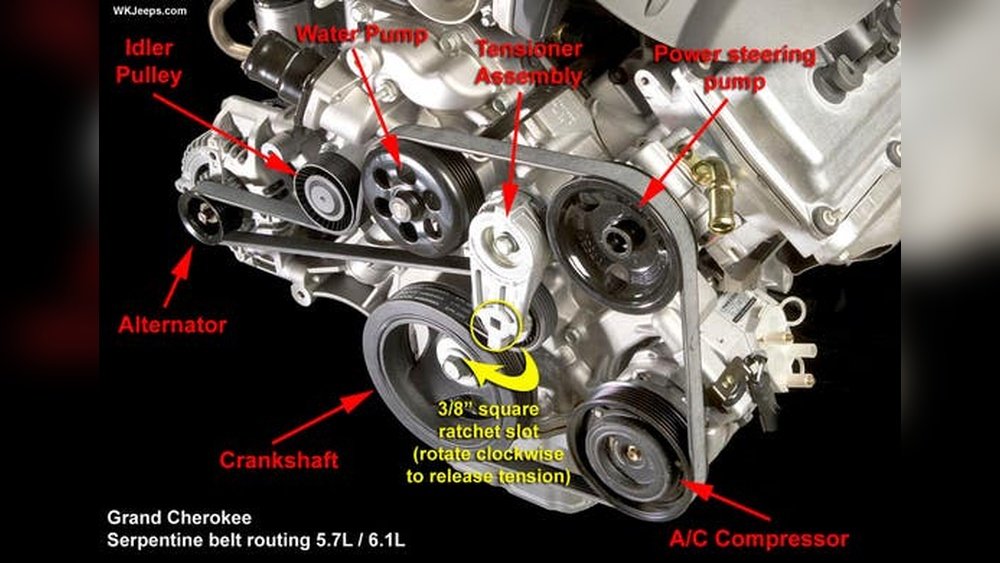
If you’re thinking about buying or selling a 1987 Jeep Wrangler, you’re probably wondering what it’s really worth. The answer isn’t simple.
This classic Jeep has become a favorite for collectors and off-road fans. Its value depends on several things: condition, mileage, modifications, and even where you live.
Understanding these factors can help you make a smart decision and avoid paying too much or selling too low.
The Basics: What Makes The 1987 Jeep Wrangler Unique
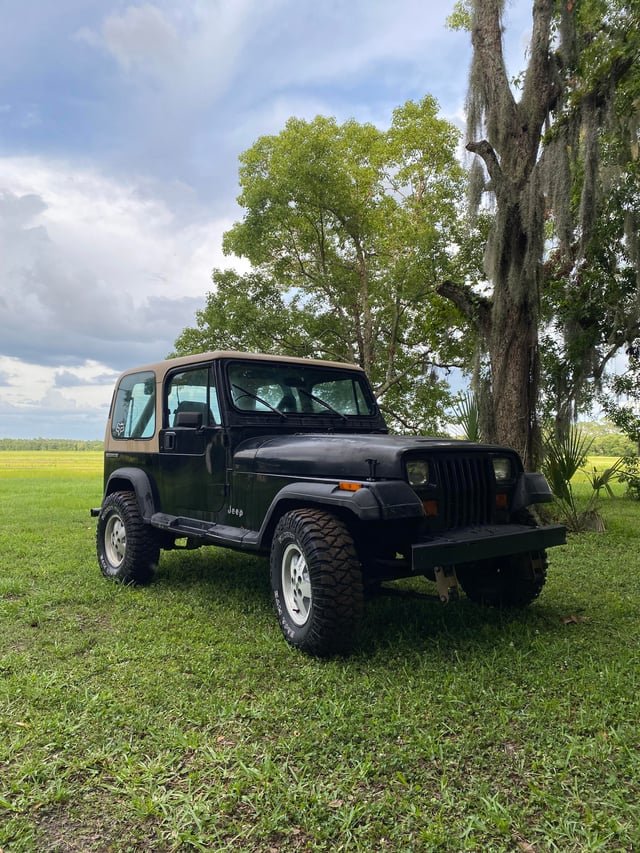
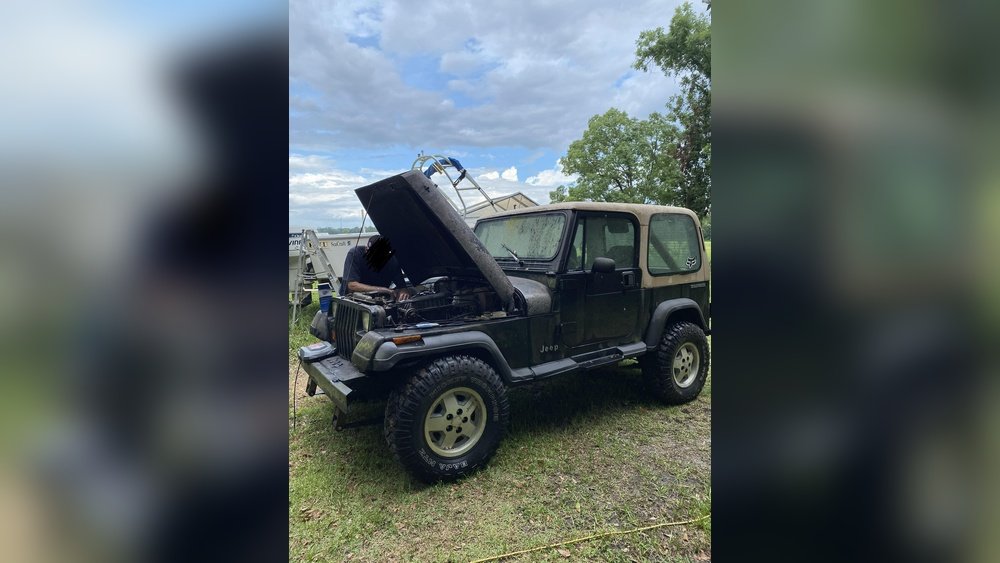
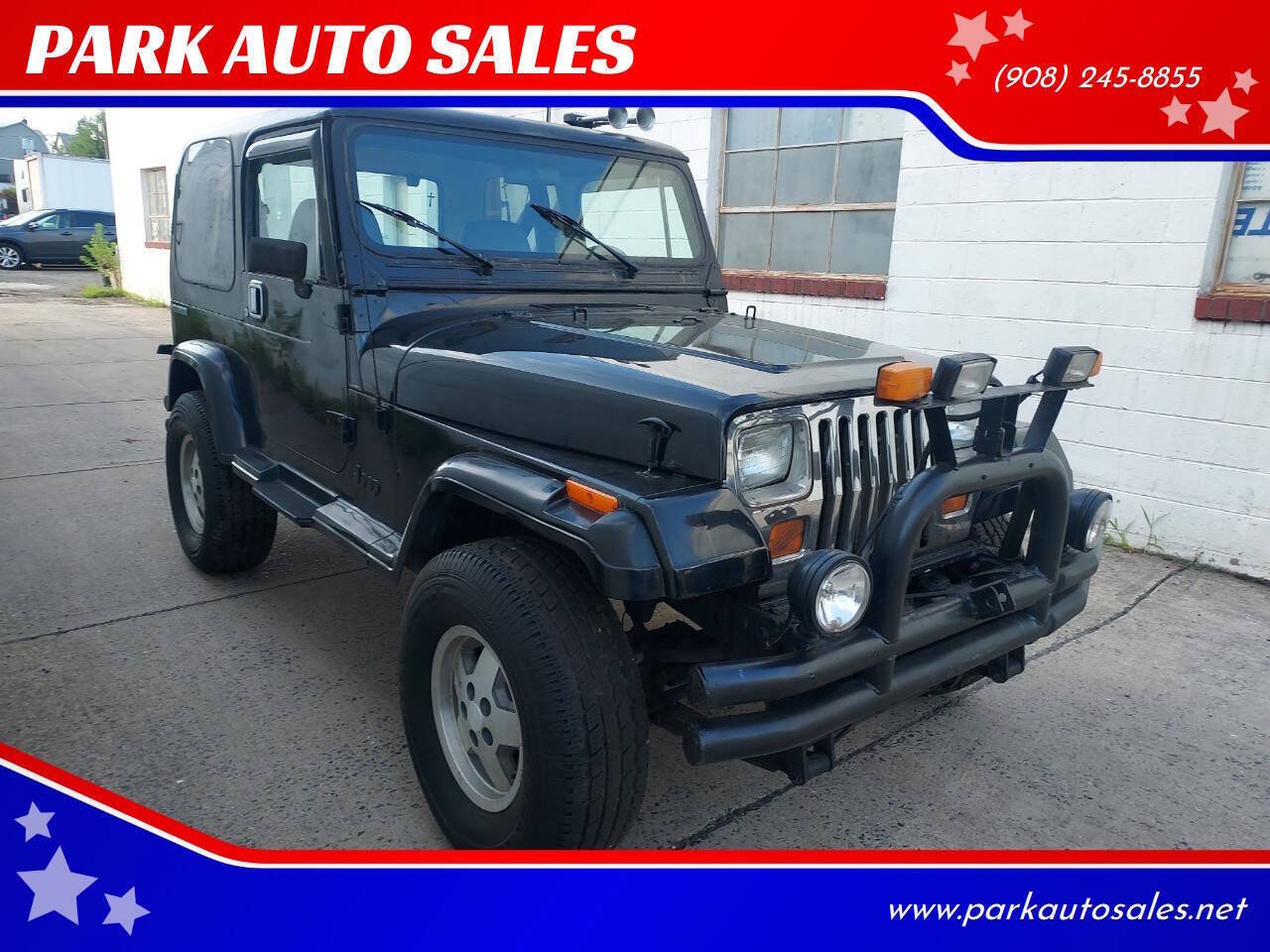
The 1987 Jeep Wrangler (also known as the YJ) was the first year for the Wrangler model. It replaced the older CJ series. One thing that stands out is its rectangular headlights—a feature only found on the early YJs. Many people love its simple design, strong frame, and reliable engine options. Most 1987 Wranglers came with a 2.5L 4-cylinder or a 4.2L 6-cylinder engine.
If you have one, or want one, you’re dealing with a piece of automotive history. But because these vehicles are now over 35 years old, their value can be highly variable.
Factors That Affect Value
Several details can change the price of a 1987 Jeep Wrangler:
- Condition: This is the biggest factor. A well-kept Jeep with little rust and a clean interior can sell for much more than one that needs repairs.
- Mileage: Lower mileage often means a higher price, but Jeeps are built to last, so some buyers will accept higher miles if the Jeep is cared for.
- Modifications: Many Wranglers are customized. Some upgrades—like new tires, lifted suspensions, or modern radios—can increase value. Others, like poor-quality repairs, can lower it.
- Location: Jeeps in dry states (like Arizona) usually have less rust than those in humid or snowy places. This affects value.
- Documentation: Having service records and a clear title boosts trust and price.
Typical Price Ranges
The value of a 1987 Jeep Wrangler can be surprisingly broad. Here’s a look at common price ranges:
| Condition | Typical Price (USD) |
|---|---|
| Poor (non-running, heavy rust) | $2,000 – $4,000 |
| Fair (running, needs work) | $4,500 – $7,000 |
| Good (solid, few issues) | $7,500 – $10,000 |
| Excellent (restored, low miles) | $11,000 – $16,000 |
Most buyers will find these prices on sites like Craigslist, Facebook Marketplace, or classic car dealers. Remember, these are average ranges.
Unique Wranglers with rare options or full restorations can sell for even more.
Comparing The 1987 Wrangler To Other Model Years
Is the 1987 Jeep Wrangler more valuable than newer or older models? It depends. Here’s a quick comparison:
| Model Year | Average Price | Key Features |
|---|---|---|
| 1987 (YJ) | $5,000 – $15,000 | First Wrangler, rectangle lights |
| 1995 (YJ) | $6,500 – $17,000 | Improved engine, last YJ |
| 1997 (TJ) | $7,500 – $18,000 | Coil springs, round lights |
The 1987 model is often seen as a “starter classic” and is cheaper than later TJs. However, its unique design and history make it appealing for collectors.
Real Examples From The Market
Let’s look at actual sales and listings:
- A 1987 Wrangler in rough shape, not running, sold for $2,800 in Ohio.
- One with a rebuilt engine, new paint, and a lifted suspension listed for $9,500 in California.
- A fully restored model, original parts, and only 60,000 miles, sold for $15,200 in Texas.
These examples show that condition and location matter most. You can often negotiate, especially if you spot rust or missing parts.
Common Mistakes When Valuing
Many beginners miss these points:
- Ignoring rust: Even small rust spots can signal bigger problems. Always check the frame and floor for rust.
- Overvaluing modifications: Not all upgrades add value. Cheap or poorly done modifications might lower the price.
- Skipping paperwork: Without a clear title or service history, buyers will pay less.
- Assuming all Wranglers are the same: The 1987 model has unique quirks; don’t compare it with later models blindly.
Tips For Buying Or Selling
If you’re buying:
- Inspect carefully: Look for rust, leaks, and worn parts.
- Ask for records: Service history and receipts help confirm value.
- Test drive: Listen for strange noises and check handling.
If you’re selling:
- Clean and repair: Fix small issues and clean the Jeep before listing.
- Highlight upgrades: Mention reliable modifications (not just cosmetic ones).
- Be honest: Share all known problems to avoid buyer disputes.
Restoration Costs Vs. Value
Restoring a 1987 Jeep Wrangler can cost $5,000–$20,000 depending on the work needed. Sometimes, the restoration costs more than the Jeep’s market value. This is common with classic cars. If you plan to restore, do it for passion—not just profit.
| Restoration Type | Estimated Cost | Added Value |
|---|---|---|
| Basic repairs | $2,000 – $5,000 | +$2,000 – $4,000 |
| Full restoration | $12,000 – $20,000 | +$6,000 – $10,000 |
Restoration can make a Jeep more fun and reliable, but it rarely doubles the resale price.
Where To Check Value
You can check prices on:
- Online classifieds: Craigslist, eBay Motors, Facebook Marketplace
- Classic car dealers
- Valuation tools: Hagerty, Kelley Blue Book (for rough estimates)
For deeper information, sites like Hagerty offer detailed market data.
Frequently Asked Questions
How Do I Know If My 1987 Wrangler Is Original?
Check the VIN number, engine codes, and body details. Original paint, seats, and wheels help prove authenticity.
What’s The Best Way To Sell A 1987 Wrangler?
List it on online platforms with clear photos and full details. Local classic car shows and Jeep clubs can also connect you with buyers.
Does Rust Lower The Value A Lot?
Yes. Rust on the frame or body can reduce the price by thousands. Always inspect carefully.
Are Rare Options Worth More?
Features like hard tops, factory air conditioning, or rare colors can boost value, but only if they’re still in good shape.
Is The 1987 Jeep Wrangler A Good Investment?
It can be. Values are stable and may grow, but costs for repairs and restoration can be high. Buy for enjoyment, not just profit.
The 1987 Jeep Wrangler holds a special place in the Jeep world. Its value depends on details you can control—like condition and maintenance—and some you can’t, like location. Whether you’re buying or selling, doing your homework will help you make the right move.