The Jeep Cherokee XJ is famous for its durability, off-road ability, and classic design. But one question often comes up for owners and buyers: how much does a Jeep Cherokee XJ weigh? Weight matters for fuel efficiency, performance, and even legal towing limits. Let’s break down the numbers, look at how weight changes with different models, and share some real-world advice for anyone considering this legendary SUV.
How Much Does A Jeep Cherokee Xj Weigh?
The standard weight of a Jeep Cherokee XJ depends on several factors: model year, engine, trim level, and whether it’s two-wheel or four-wheel drive. Most XJs were made between 1984 and 2001, and their weight stayed fairly consistent over those years.
Typical Weight Range
The average curb weight (the weight with all fluids and a full tank, but no passengers or cargo) for a Jeep Cherokee XJ is between 3,150 and 3,400 pounds. Here’s a quick breakdown:
- 2-door models: About 3,150 pounds
- 4-door models: About 3,250–3,400 pounds
- 4WD versions: Usually add 100–150 pounds
For example, the popular 1999 4-door, 4WD XJ with the 4.0L engine weighs around 3,357 pounds.
Weight By Model Year And Engine
Different model years and engines slightly change the XJ’s weight. Engine options included the 2.5L inline-4, 2.8L V6, and the famous 4.0L inline-6. Four-wheel drive systems, trim levels, and optional features also affect the weight.
Here’s a comparison table showing typical weights for popular XJ configurations:
| Year | Engine | Doors | Drivetrain | Curb Weight (lbs) |
|---|---|---|---|---|
| 1987 | 2.5L I4 | 2 | 2WD | 3,131 |
| 1996 | 4.0L I6 | 4 | 4WD | 3,355 |
| 2000 | 4.0L I6 | 4 | 4WD | 3,357 |
| 2001 | 2.5L I4 | 4 | 2WD | 3,205 |
Two-door models are lighter, and basic trims with smaller engines (like the 2.5L) are at the lower end of the weight scale. If you add 4WD, heavy-duty suspension, or luxury features, the weight goes up.
Why Does Weight Matter For The Jeep Cherokee Xj?
Weight affects many things:
- Fuel Economy: Heavier XJs burn more fuel, especially with 4WD.
- Performance: Added weight can slow acceleration and affect handling.
- Towing Capacity: You need to subtract the XJ’s curb weight from the maximum vehicle weight to know how much you can tow.
- Off-Road Ability: Lighter XJs handle rough terrain better and are easier to recover if stuck.
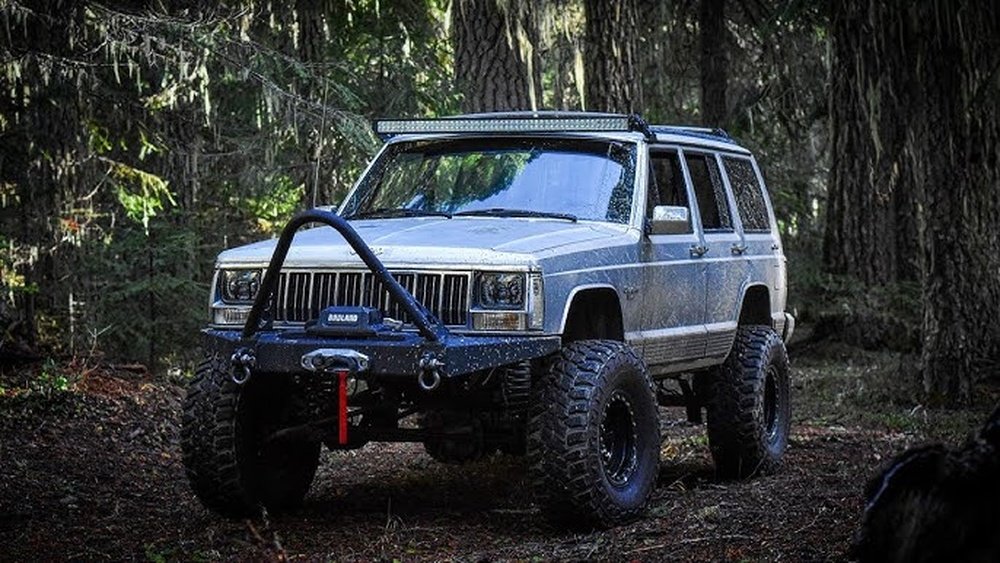
Most owners don’t realize that even small changes like adding roof racks, winches, or bigger tires can increase weight and affect these factors.
Comparing The Xj To Other Suvs
How does the Cherokee XJ stack up against similar SUVs from its era? Here’s a quick comparison:
| Vehicle | Model Year | Curb Weight (lbs) |
|---|---|---|
| Jeep Cherokee XJ | 1999 | 3,357 |
| Toyota 4Runner | 1999 | 3,500 |
| Ford Explorer | 1999 | 4,000 |
| Chevrolet Blazer | 1999 | 3,800 |
The Cherokee XJ is lighter than most competitors, which gives it a slight edge in off-road agility and fuel efficiency.
How Weight Changes With Modifications
Many XJ owners add parts and accessories for off-roading or daily use. Here are some common modifications and how they affect weight:
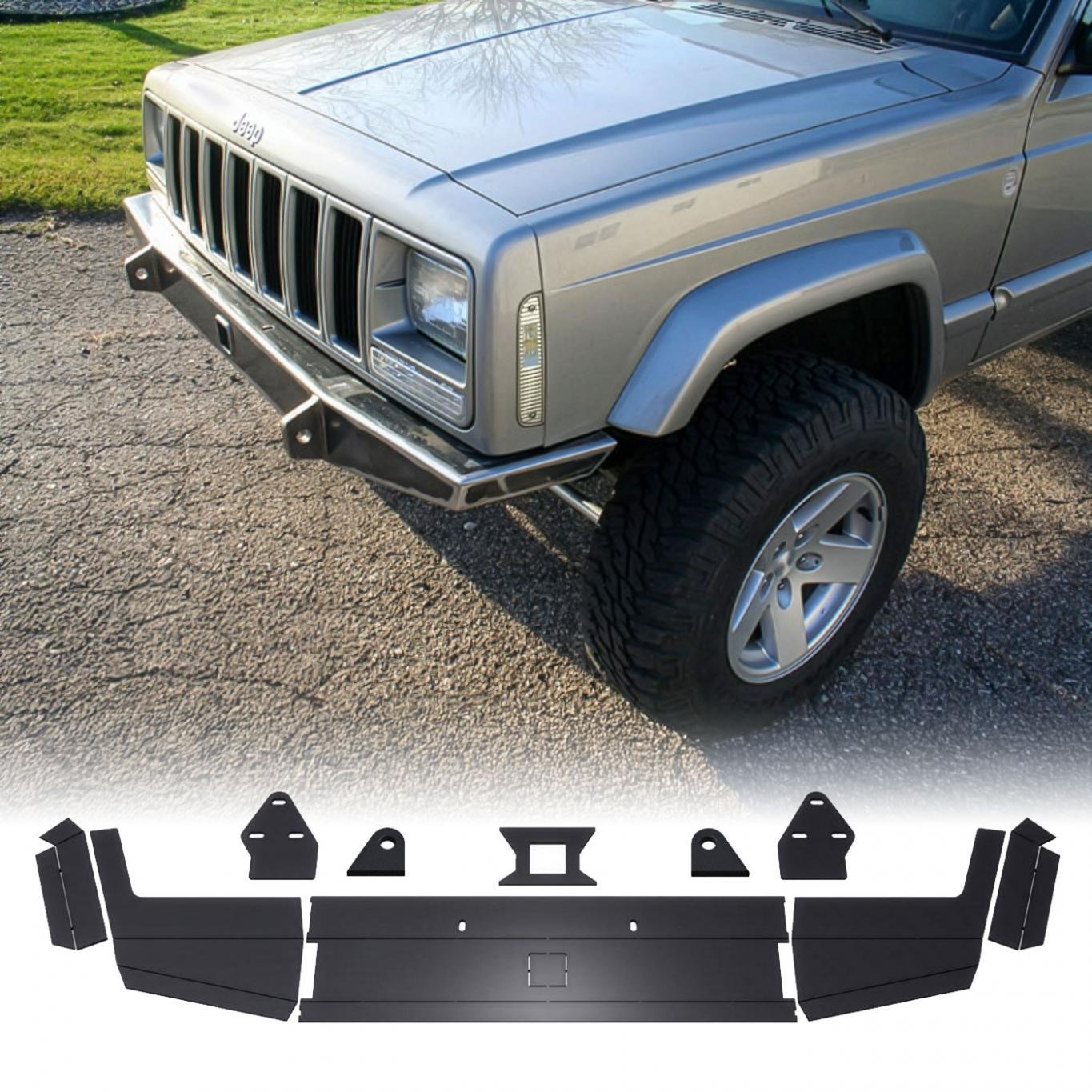
- Steel bumpers: +80–120 pounds
- Roof racks: +40–60 pounds
- Winch: +40–50 pounds
- Oversized tires: +30–50 pounds (all four)
- Lift kits: +20–40 pounds
If you add all these, your XJ could be 200–300 pounds heavier. This extra weight impacts braking, fuel economy, and even insurance costs. Many beginners overlook this, but it’s important for safety and performance.
Real-world Weight Examples
Let’s look at some typical real-world XJ setups:
- Stock 1998 4-door, 4WD, 4.0L: 3,350 pounds
- Lightly modified (roof rack, steel bumper, winch): 3,500–3,600 pounds
- Heavily modified (full armor, big tires, camping gear): 3,700–3,800 pounds
The more you add, the more you need to think about things like suspension upgrades and brake improvements.

Legal And Practical Considerations
You should always check the Gross Vehicle Weight Rating (GVWR). This is the maximum safe weight for your XJ, including passengers and cargo. The typical GVWR for the XJ is 4,400–4,600 pounds. Never exceed this, or you risk damage and legal trouble.
Many states have laws about vehicle weight for towing, registration, and road use. If you plan to carry heavy loads or tow, check your local rules and the manufacturer’s official specs.
You can find more technical details and original specifications at the Jeep Cherokee XJ Wikipedia page.
Frequently Asked Questions
How Do I Find My Xj’s Exact Weight?
Check the sticker inside the driver’s door, or read the owner’s manual. For modified XJs, you can weigh your vehicle at a truck scale.
Does Weight Affect My Insurance Rates?
Yes, heavier vehicles sometimes cost more to insure, especially if you add off-road parts. Always tell your insurer about modifications.
How Much Can My Xj Safely Tow?
Subtract your XJ’s curb weight from the GVWR, and check the owner’s manual. Most XJs can tow between 2,000 and 5,000 pounds, depending on the engine and setup.
Will Big Tires Or Lift Kits Make A Big Difference In Weight?
Yes, large tires and lift kits add 50 100 pounds or more. This can affect steering, fuel use, and braking.
Always upgrade your suspension if you add lots of weight.
Is The Xj Lighter Than Newer Suvs?
Usually, yes. New SUVs often weigh more due to extra safety features and electronics.
The XJ’s lighter body helps with off-road driving and fuel economy.
The Jeep Cherokee XJ’s weight is a key part of its appeal and performance. Whether you drive a stock model or a fully modified off-roader, understanding your vehicle’s weight helps you make smarter decisions about upgrades, towing, and safety.
By checking your XJ’s specs and considering how modifications affect weight, you’ll get the most from this classic SUV.