Owning a Jeep Wrangler means you get adventure, but it also brings responsibility. Keeping your engine safe is one of the most important tasks. That’s where antifreeze comes in. If you don’t know how much antifreeze your Jeep Wrangler holds, you risk overheating, engine damage, or expensive repairs. This guide will help you understand the exact amount, why the right quantity matters, and how to check and refill it correctly. Whether you’re a new owner or a seasoned driver, you’ll find practical advice and some helpful tips that most people overlook.
How Much Antifreeze Does A Jeep Wrangler Hold?
The antifreeze capacity in a Jeep Wrangler depends on the model year and engine size. Most modern Jeep Wranglers have capacities between 12 and 14 quarts (about 3 to 3.5 gallons). Here’s a breakdown for the most common models:
| Model Year | Engine Type | Antifreeze Capacity (quarts) |
|---|---|---|
| 2012-2018 | 3.6L V6 | 14 |
| 2007-2011 | 3.8L V6 | 13 |
| 2018-present | 2.0L Turbo | 12 |
| Older (TJ/YJ) | 4.0L I6 | 12 |
This table covers most popular Wrangler engines. Always check your owner’s manual for your exact model, because even small differences can matter.
Why Antifreeze Capacity Matters
The right amount of antifreeze is critical for your Jeep’s health. Too little can cause overheating, especially on hot days or tough trails. Too much may overflow and damage nearby components. Antifreeze also protects against freezing in cold weather, which can crack your radiator or block the coolant flow.
It’s not just about quantity. The mix ratio (usually 50/50 with water) affects performance. Some owners add more antifreeze for better protection, but this can reduce cooling efficiency. Always aim for the manufacturer’s recommended ratio.
Risks Of Incorrect Amount
- Overheating: Low antifreeze leads to poor temperature control.
- Corrosion: Wrong mix can cause rust inside the radiator.
- Freeze Damage: Not enough antifreeze lets water freeze, damaging engine parts.

How To Check And Refill Antifreeze
Keeping your Jeep Wrangler’s cooling system in top shape starts with regular checks. Here’s how you do it:
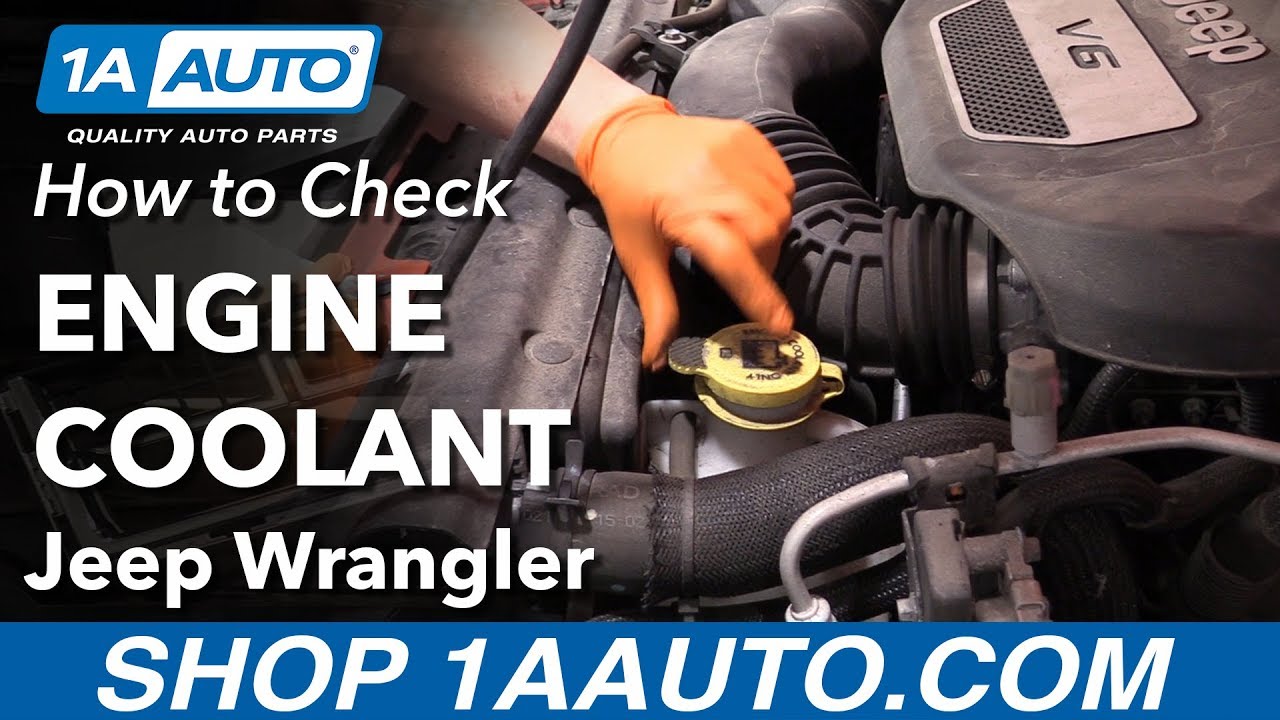
- Let the engine cool: Never open the radiator cap when the engine is hot. Wait at least 30 minutes after shutting off.
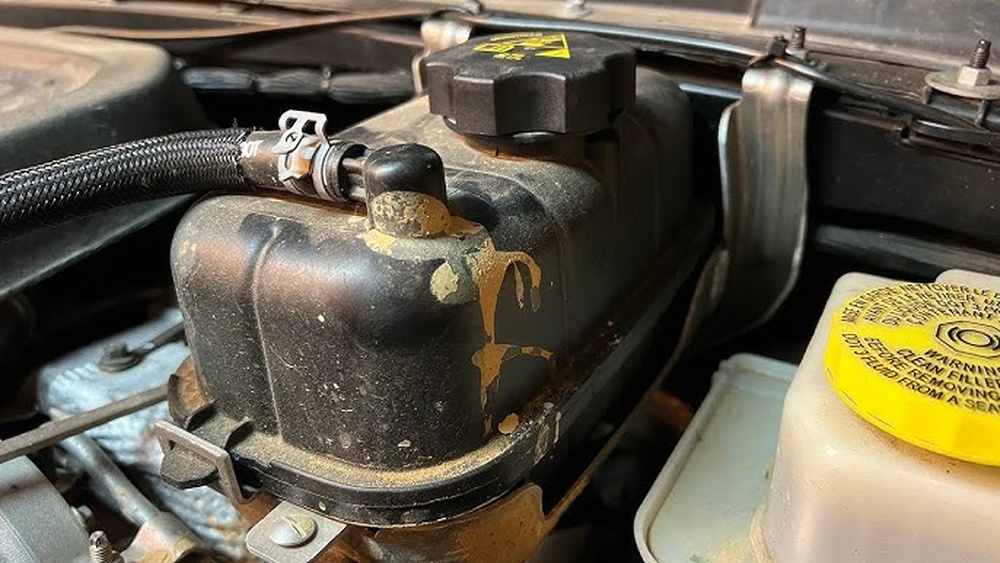
- Locate the coolant reservoir: It’s usually a translucent plastic tank near the radiator.
- Check the level: The tank has “Full” and “Low” marks. The liquid should be at or just below “Full.”
- Top up if needed: Pour the correct mix of antifreeze and water. Use a funnel to avoid spills.
If you’re doing a full flush, you’ll need the full capacity listed above. For a simple top-off, add only what’s missing.
Practical Tips
- Always use manufacturer-approved coolant. Mixing types (like green vs. orange) can damage the system.
- Replace coolant every 2-3 years or as recommended.
- Watch for leaks under your Jeep, especially after tough off-road trips.
Jeep Wrangler Antifreeze Types
The type of antifreeze matters as much as the amount. Jeep Wranglers use HOAT (Hybrid Organic Acid Technology) or OAT (Organic Acid Technology) coolants. These are often orange or pink. Older models may use green IAT (Inorganic Acid Technology). Using the wrong type can cause chemical reactions and sludge buildup.
| Coolant Type | Common Color | Compatible Models |
|---|---|---|
| HOAT | Orange/Pink | 2012-2018 |
| OAT | Purple | 2018-present |
| IAT | Green | Older (TJ/YJ) |
If you’re unsure, check your owner’s manual or ask a dealer.
Common Mistakes Jeep Owners Make
Many Jeep owners miss simple but important details when dealing with antifreeze:
- Mixing coolant types: This leads to sludge and corrosion.
- Ignoring the overflow tank: Only checking the radiator leaves the system low.
- Using tap water: Always mix with distilled water to avoid mineral buildup.
- Overfilling: Too much coolant can cause pressure problems.
- Skipping regular checks: Antifreeze loses effectiveness over time.
Experienced owners know that neglecting the cooling system is one of the fastest ways to ruin an engine. Take a few minutes to check levels every month, and before any long trip.
Jeep Wrangler Vs. Other Vehicles
How does the Wrangler compare to other vehicles? Wranglers usually hold more antifreeze than sedans, but less than heavy-duty trucks.
| Vehicle | Engine Size | Antifreeze Capacity (quarts) |
|---|---|---|
| Jeep Wrangler | 3.6L V6 | 14 |
| Toyota Camry | 2.5L I4 | 8 |
| Ford F-150 | 5.0L V8 | 17 |
| Honda Civic | 1.8L I4 | 7 |
This comparison shows that Wranglers need more coolant than smaller cars, but less than bigger trucks.
Expert Insights Most Owners Miss
Two things beginners often ignore:
- The thermostat’s role: If your thermostat is stuck or failing, even perfect antifreeze levels won’t stop overheating.
- Flush frequency: Coolant isn’t forever. Flushing removes old fluid and rust particles. Many people wait too long, risking clogged radiators.
Another overlooked point is the importance of checking hoses and clamps. Even with the right amount and type of antifreeze, a loose hose can lead to leaks and engine trouble.
Frequently Asked Questions
How Often Should I Change Antifreeze In My Jeep Wrangler?
Most experts recommend every 2-3 years or 30,000 miles. If you drive in extreme conditions, check more often.
Can I Use Any Brand Of Antifreeze?
No. Always use manufacturer-approved brands and types. Mixing brands or types can cause serious damage.
What Happens If I Overfill The Antifreeze?
Too much antifreeze can create pressure problems and cause leaks. Always fill to the recommended level.
Is It Safe To Mix Water With Antifreeze?
Yes, but only distilled water. Tap water can cause mineral buildup and reduce cooling efficiency.
How Do I Know If My Jeep Has A Coolant Leak?
Common signs are low coolant levels, puddles under your Jeep, and steam from the engine. If you see these, check for leaks immediately.
Taking care of your Jeep Wrangler’s cooling system is simple but vital. Knowing the exact antifreeze capacity, using the right type, and avoiding common mistakes will keep your engine running smoothly for years. If you want more technical info, the official Jeep Owner’s Manual is a trusted resource. Stay proactive, and your Wrangler will handle any adventure you throw at it.