Many Jeep owners wonder about the voltage of their vehicle’s battery. Knowing this detail is important, not just for replacing the battery, but also for troubleshooting, jump-starting, and maintaining your Jeep’s electrical health.
While it may sound simple, there are a few things you should know before buying a new battery or checking your current one.
Let’s explore the voltages, why they matter, and what Jeep owners should pay attention to.
Standard Voltage Of A Jeep Battery
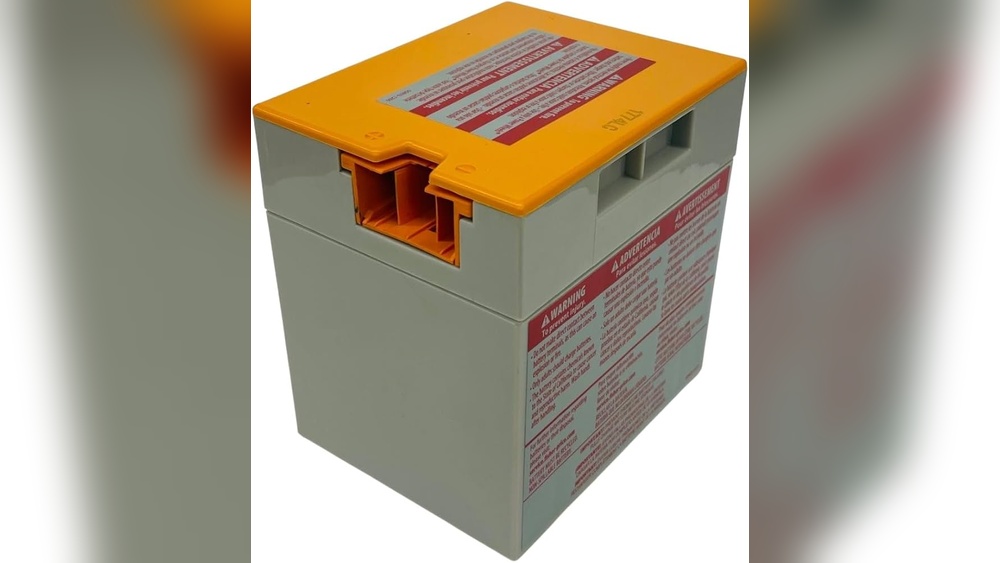
Most Jeep vehicles, including popular models like the Wrangler, Grand Cherokee, and Renegade, use a 12-volt battery. This is the standard for almost all modern cars, not just Jeeps. The 12-volt system is common because it provides enough power for starting the engine, running electronics, and supporting accessories.
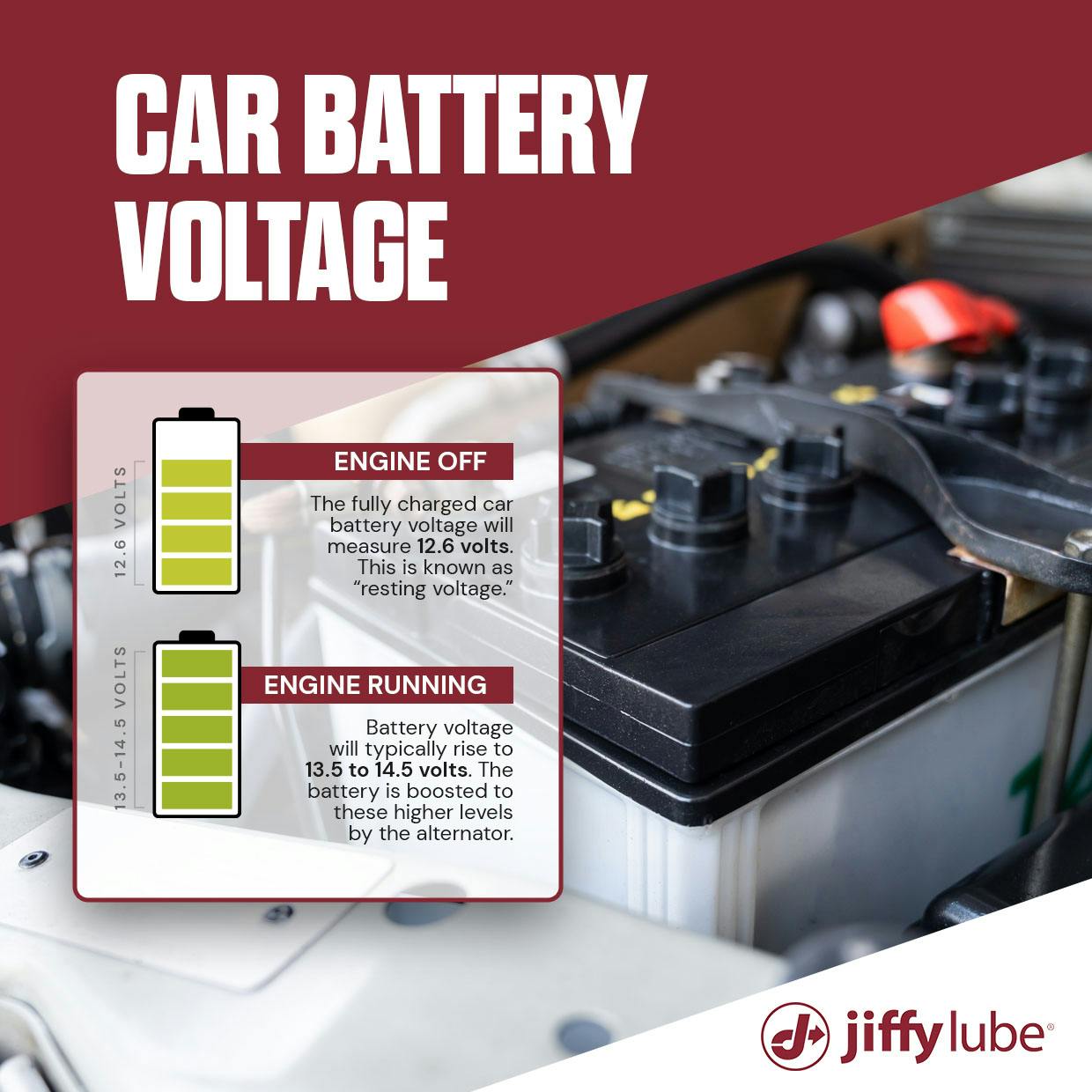
However, the actual voltage you read from a healthy, fully charged Jeep battery is a bit higher—usually between 12.6 and 12.8 volts when the car is off. When your Jeep is running, the alternator increases the voltage, typically showing 13.7 to 14.7 volts at the terminals.
Typical Battery Voltages
Here’s a quick overview of battery voltages you might see:
| Condition | Voltage (Engine Off) | Voltage (Engine On) |
|---|---|---|
| Fully Charged | 12.6–12.8 V | 13.7–14.7 V |
| Partially Charged | 12.2–12.5 V | — |
| Dead/Flat | 11.8 V or less | — |
So, if you check your Jeep’s battery and see something much lower than 12 volts with the engine off, your battery may be weak or failing.
Different Jeep Models And Battery Voltages
Although 12-volt batteries are the standard, Jeep’s lineup includes a few exceptions, especially with newer technology and hybrid models.
Gasoline And Diesel Jeeps
Almost all gasoline and diesel-powered Jeeps use a single 12-volt battery. This includes the Wrangler, Cherokee, Compass, and Gladiator.
Jeep Plug-in Hybrids (phev)
The Jeep Wrangler 4xe and some new Grand Cherokee models use a combination of batteries:
- 12-volt battery: Powers regular car electronics and starting.
- High-voltage battery: Usually around 400 volts, for electric driving.
This high-voltage battery does not replace the standard 12-volt battery. Instead, it works alongside it.
Quick Model Comparison
To clarify the differences, here’s a comparison:
| Model | Standard Battery | Additional Battery |
|---|---|---|
| Jeep Wrangler (Gas/Diesel) | 12V | None |
| Jeep Wrangler 4xe (Hybrid) | 12V | 400V (Hybrid) |
| Jeep Grand Cherokee 4xe | 12V | 400V (Hybrid) |
| Jeep Renegade | 12V | None |
Important tip: If you own a plug-in hybrid Jeep, never try to jump or test the high-voltage battery yourself. Only trained professionals should handle these.
Why Voltage Matters For Jeep Owners
Understanding your Jeep battery’s voltage helps in several ways:
- Troubleshooting: If your Jeep won’t start, checking voltage can reveal if the battery is the problem.
- Battery Life: A healthy battery should stay above 12.4 volts when the vehicle is off.
- Jump-Starting: Using the correct voltage is critical to avoid damage.
- Accessories: Adding lights, winches, or sound systems? Make sure the battery and alternator can handle the extra load.
Many Jeep owners overlook how adding aftermarket gear like off-road lights or winches can stress the battery. If you add a lot of power-hungry accessories, consider upgrading to a higher capacity 12-volt battery, but stick with the same voltage.
How To Check Your Jeep Battery Voltage
You don’t need special tools to check your battery’s voltage—just a simple digital multimeter. Here’s how:
- Turn off your Jeep and open the hood.
- Set your multimeter to DC volts (look for “V” with straight lines).
- Touch the red probe to the battery’s positive (+) terminal and the black probe to the negative (–) terminal.
- Read the display.
A healthy reading should be 12.6 volts or higher. Below 12.4 volts means the battery may need charging or replacement.
Common Mistakes When Checking Voltage
- Testing right after driving: Wait at least 30 minutes after shutting off the engine for an accurate reading.
- Dirty terminals: Corrosion can cause a false low reading. Clean terminals before testing.
- Temperature: Cold weather can lower voltage slightly, so keep this in mind if testing in winter.
Jeep Battery Types And Their Impact
Jeep vehicles use lead-acid batteries (flooded or AGM). Some newer models may use AGM (Absorbent Glass Mat) batteries, which are more resistant to vibration and last longer.
Battery Type Comparison
Here’s a quick look at the differences:
| Type | Voltage | Pros | Cons |
|---|---|---|---|
| Lead-Acid | 12V | Low cost, easy to find | Shorter life, needs maintenance |
| AGM | 12V | Longer life, spill-proof, better in cold | More expensive |
If your Jeep has a start-stop system (engine shuts off at stoplights), AGM batteries are often required.
Signs Your Jeep Battery Voltage Is Low
Don’t wait for your Jeep to leave you stranded. Here are warning signs your battery voltage is dropping:
- Slow engine cranking
- Dim headlights or dashboard lights
- Clicking sounds when turning the key
- Electrical accessories not working
If you notice these, check the voltage as soon as possible.

When To Replace Your Jeep Battery
Most Jeep batteries last between 3 to 5 years. Hot climates, frequent short trips, and heavy accessory use can shorten this. If your battery regularly drops below 12 volts, it’s a good sign to replace it.
Always choose a battery with the correct voltage, group size, and capacity for your Jeep. Check your owner’s manual or ask your dealer for guidance. For more on car batteries, visit the Automotive Battery Wikipedia page.
Frequently Asked Questions
How Many Volts Is A Jeep Battery?
Most Jeep batteries are 12 volts. Hybrid Jeeps also use a high-voltage (about 400V) battery for electric driving, but the main car systems still use a standard 12-volt battery.
What Voltage Is Considered “low” For A Jeep Battery?
If your Jeep battery measures below 12.4 volts when the engine is off, it’s starting to lose charge. Below 12.0 volts usually means the battery is weak or failing.
Can I Use A Higher Voltage Battery In My Jeep?
No. Always use a 12-volt battery. Using a higher voltage can damage your electrical system and cause safety risks.
How Do I Safely Jump-start A Jeep?
Use jumper cables with another 12-volt battery. Connect positive to positive, negative to negative, and follow all safety instructions in your owner’s manual.
Do Jeep Hybrids Need Special Battery Care?
Yes. The high-voltage hybrid battery should only be serviced by professionals. For the regular 12-volt battery, maintain it like any other Jeep battery—keep terminals clean and test voltage regularly.
Understanding your Jeep’s battery voltage helps you avoid problems and keep your vehicle reliable. With the right knowledge, you can spot issues before they become serious, and choose the right battery when it’s time to replace.