A Jeep Cherokee is known for its rugged build and capability. But what many owners don’t realize is how important U joints are for keeping everything moving smoothly.
If you’re planning repairs or upgrades, knowing how many U joints your Cherokee has—and where they’re located—is essential. This guide breaks it down clearly, whether your Cherokee is an older XJ, a newer model, or somewhere in between.
What Are U Joints And Why Do They Matter?
A U joint (short for universal joint) connects parts of a driveshaft and lets it flex while spinning. Without U joints, your Cherokee couldn’t deliver power from the engine to the wheels, especially when driving over bumps or rough terrain. They are small but crucial, and worn U joints can cause vibration, clunking noises, or even leave you stranded.
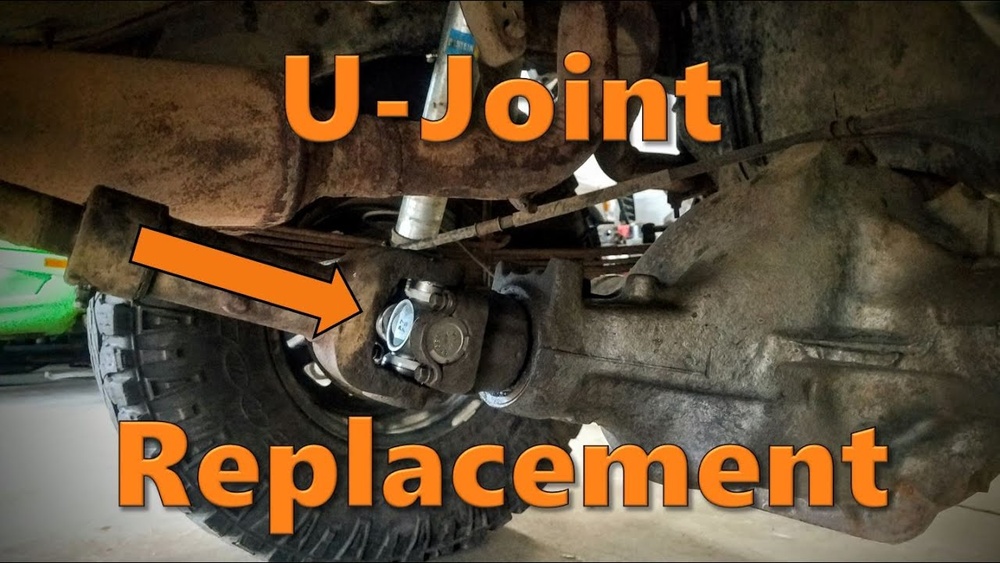
Most Cherokees have more than one U joint, and their number depends on the drivetrain configuration, model year, and whether your vehicle is two-wheel drive (2WD) or four-wheel drive (4WD).
How Many U Joints Are On A Jeep Cherokee?
The number of U joints on a Jeep Cherokee is mostly determined by the drivetrain. Here’s a breakdown for common models:
| Model | Drivetrain | Front Driveshaft U Joints | Rear Driveshaft U Joints | Axle U Joints | Total U Joints |
|---|---|---|---|---|---|
| XJ Cherokee (1984-2001) | 4WD | 2 | 2 | 2 | 6 |
| XJ Cherokee (1984-2001) | 2WD | 0 | 2 | 0 | 2 |
| KL Cherokee (2014+) | 4WD | 1 | 2 | 0 | 3 |
| KL Cherokee (2014+) | 2WD | 0 | 2 | 0 | 2 |
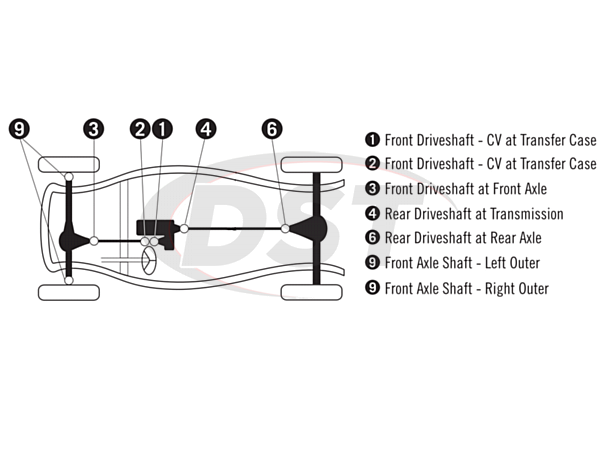
Most classic XJ Cherokees with 4WD have six U joints: two on the front driveshaft, two on the rear driveshaft, and two on the front axle. Newer KL Cherokees often have fewer, especially if they use constant velocity (CV) joints instead.
Locating U Joints On Your Cherokee
Knowing where to find U joints can save time and money. Here’s where they are usually located:
- Front Driveshaft U Joints:
- Found at both ends of the shaft connecting the transfer case to the front axle (4WD only).
- Rear Driveshaft U Joints:
- One U joint at the transmission end, one at the axle end.
- Front Axle U Joints:
- Usually on each front wheel hub, especially in older XJ models with solid axles.
Not every Cherokee has front axle U joints. Newer models often use CV joints instead, so check your specific year and trim.
U Joints Vs Cv Joints: What’s The Difference?
Many newer Cherokees use CV joints rather than U joints, especially in the front axle. Here’s a quick comparison:
| Type | Function | Common Models | Durability |
|---|---|---|---|
| U Joint | Allows driveshaft to rotate and flex | XJ Cherokee, some KL models | Strong, but needs regular greasing |
| CV Joint | Allows more movement, especially at high angles | KL Cherokee, modern SUVs | Sealed, lasts longer but can fail suddenly |
If you’re unsure which your Cherokee has, check the service manual or look under the vehicle. U joints look like small crosses with caps, while CV joints have rubber boots.
Signs Your U Joints Need Attention
Ignoring worn U joints can lead to serious trouble. Here are warning signs:
- Vibration at certain speeds
- Clunking noises when shifting gears
- Visible rust or movement at the joint
- Grease leaking from the joint
If you notice any of these, it’s best to inspect all U joints. On older Cherokees, especially those with 4WD, all six joints should be checked.
Replacing U Joints: What You Need To Know
Replacing U joints is a common task for Jeep owners. Here are some practical tips:
- Always replace U joints in pairs. If one fails, the other is likely worn too.
- Use quality parts. Cheap U joints can fail quickly, causing more damage.
- Grease new U joints regularly if they have grease fittings.
Common mistake: Many people forget the front axle U joints, thinking only the driveshaft matters. But these are crucial for steering and 4WD operation.
Here’s a basic comparison of U joint replacement cost:
| U Joint Location | Parts Cost | Labor Cost | Difficulty |
|---|---|---|---|
| Driveshaft | $15-$40 each | $80-$150 | Moderate |
| Axle | $30-$60 each | $120-$200 | High |
Most DIYers can handle driveshaft U joints with basic tools. Axle U joints are harder and may need special presses.
Extra Tips And Common Oversights
Many beginners miss these points:
- Always check your Cherokee’s VIN or service manual. Some trims and years use different joints.
- Don’t ignore grease fittings. Proper lubrication extends U joint life.
- If you upgrade tires or lift your Jeep, U joints wear faster. Check them more often.
Expert tip: If you hear noises but cannot find the problem, inspect the U joints even if they look fine. Sometimes, internal wear isn’t visible.
For more technical details, visit Wikipedia.
Frequently Asked Questions
How Many U Joints Does A 4wd Jeep Cherokee Xj Have?
A typical 4WD XJ Cherokee has six U joints: two on the front driveshaft, two on the rear driveshaft, and two on the front axle.
Do All Jeep Cherokees Have Front Axle U Joints?
No. Only older XJ models with solid axles have front axle U joints.
Newer KL models often use CV joints instead.
Can I Replace U Joints Myself?
Yes, most driveshaft U joints can be replaced at home with basic tools. Axle U joints are harder and may require special equipment.
How Often Should I Check U Joints?
Inspect U joints every 20,000 30,000 miles, or whenever you hear clunking or feel vibration. More frequent checks are needed if you off-road.
What Happens If A U Joint Fails?
A failed U joint can cause loss of power to the wheels, loud noises, and even leave your Jeep stranded. Immediate replacement is crucial.
A Jeep Cherokee’s U joints may be small, but they’re vital to reliable performance. Knowing how many you have, where they are, and how to care for them will keep your Cherokee running smoothly for years.
Whether you’re driving city streets or rocky trails, don’t ignore these important parts your Jeep depends on them.