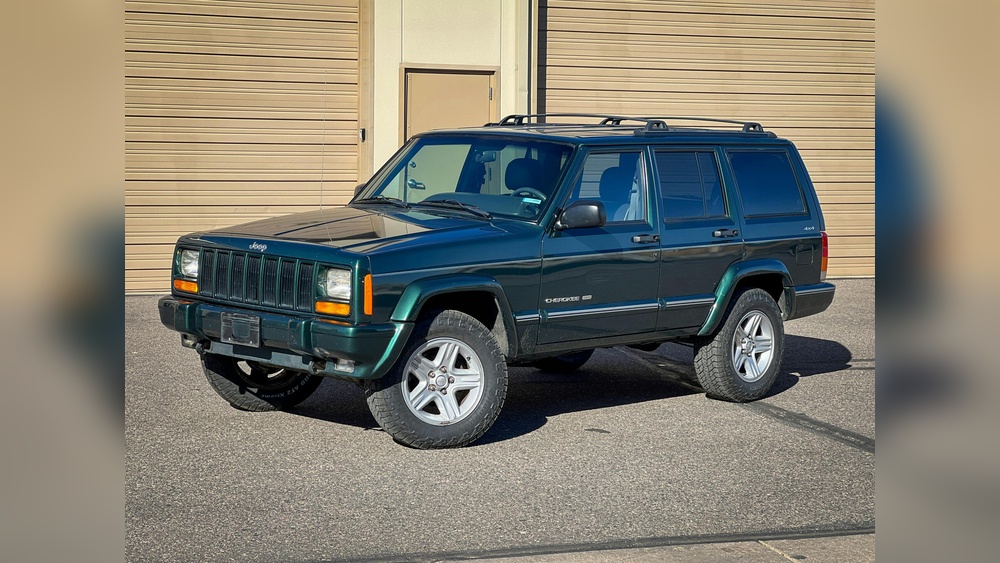
The Jeep XJ Cherokee is more than just a rugged SUV—it’s an icon for off-road enthusiasts and daily drivers alike. Launched in the 1980s, the XJ helped shape the modern SUV, blending utility, durability, and comfort. But if you’re curious about how many Jeep XJs were actually made, the answer involves a fascinating look at history, production numbers, and the reasons behind its popularity. This article dives into the numbers, highlights key models, and explains why the XJ’s legacy endures.
How Many Jeep Xjs Were Made?
From 1983 to 2001, Jeep produced approximately 2.8 million XJ Cherokees worldwide. This figure includes both two-door and four-door models and covers all major markets. Most XJs were assembled in the United States, but Jeep also built them in other countries like China and Venezuela. The XJ’s long production run and high demand made it one of the most successful SUVs in Jeep’s history.
Jeep Xj Production By Year
To better understand the XJ’s popularity, let’s look at estimated yearly production numbers. These figures are approximate, as Jeep did not release official annual breakdowns for every market.
| Year | Estimated Production |
|---|---|
| 1984 | 140,000 |
| 1985 | 120,000 |
| 1990 | 155,000 |
| 1995 | 170,000 |
| 2000 | 145,000 |
Production peaked in the mid-1990s, when the XJ enjoyed strong sales thanks to its blend of affordability and off-road ability.
Key Features That Drove Xj Production
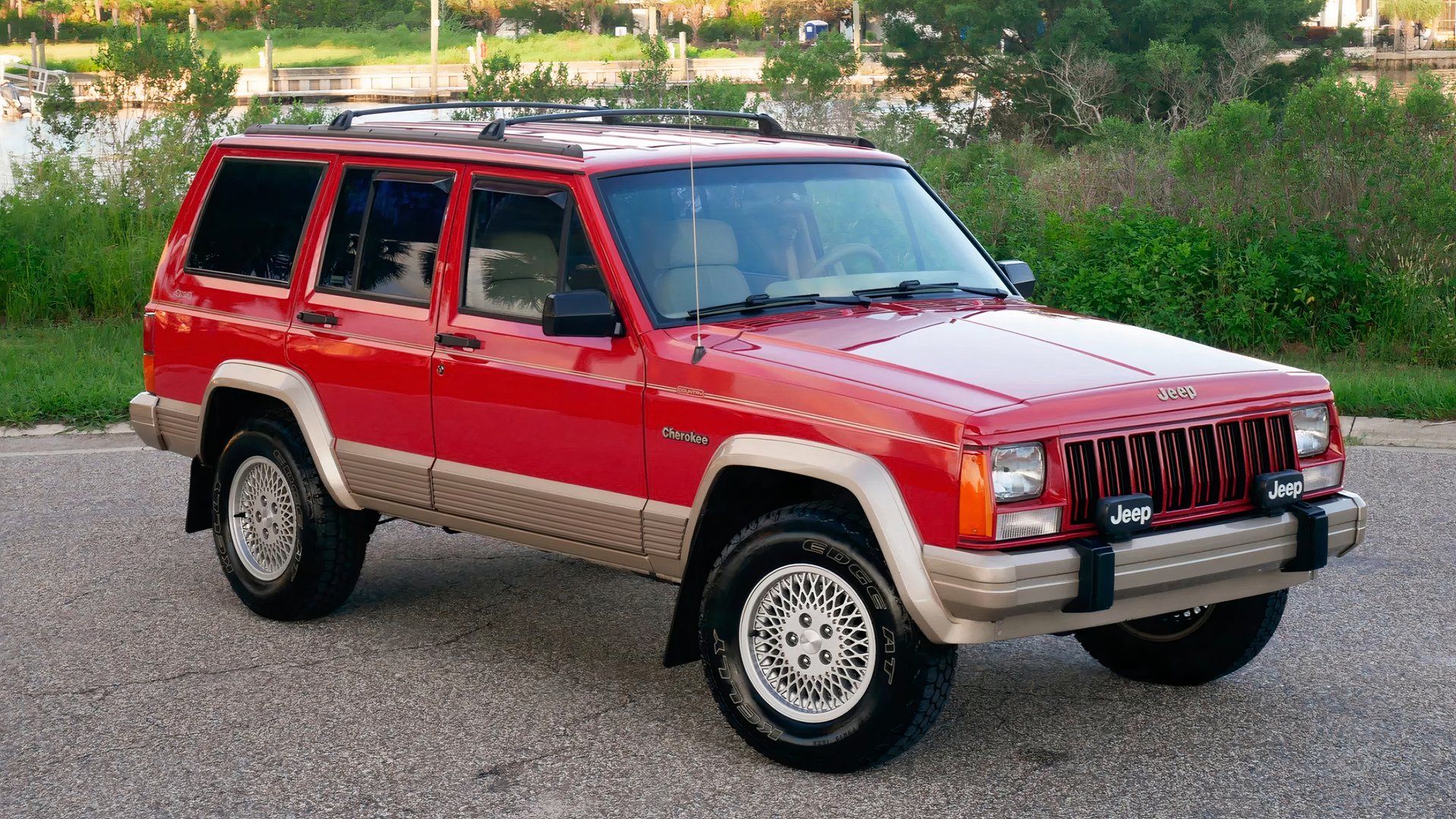
What made the XJ so popular that millions were built? The answer lies in its innovative design and practical features.
- Unibody Construction: The XJ was one of the first SUVs with a unibody frame, making it lighter and more agile than traditional SUVs.
- Legendary 4.0L Engine: Known for its reliability and torque, this engine became a favorite for both city and off-road driving.
- Compact Size: Smaller than most SUVs of its time, the XJ was easy to park and drive in urban areas.
- Strong 4×4 System: The XJ’s four-wheel-drive options made it a top choice for outdoor adventures.
- Affordable Price: The XJ offered great value, attracting families and younger buyers.
These features set the XJ apart, helping it outsell many competitors during its run.
Global Production And Variants
The Jeep XJ wasn’t just an American story. Jeep built XJs in other countries under license, sometimes with unique local variations.
| Country | Production Years | Notable Differences |
|---|---|---|
| United States | 1984–2001 | Standard models and trims |
| China (Beijing Jeep) | 1985–2005 | Longer production; unique trims |
| Venezuela | 1987–2001 | Local market engines |
| Argentina | 1993–2001 | Diesel variants |
The Chinese XJ, for example, remained in production until 2005, long after it ended in the United States. These extended runs show how the XJ’s design adapted to different markets and needs.
Comparison With Other Jeep Models
How does the XJ’s production stack up against other well-known Jeep models?
| Model | Production Years | Total Units Made |
|---|---|---|
| XJ Cherokee | 1984–2001 | ~2.8 million |
| Wrangler YJ | 1987–1995 | ~685,000 |
| Grand Cherokee ZJ | 1993–1998 | ~1.6 million |
The numbers show just how important the XJ was to the Jeep lineup. Its sales were higher than most other Jeep models of the era.
Insights You Might Not Know
Many fans think the XJ was always a four-door SUV, but Jeep started with a two-door version. The four-door arrived a year later and quickly became the best-seller, thanks to its extra practicality.
Another detail is the XJ’s popularity with police and government agencies. Its solid construction and easy repairs made it a favorite for fleets around the world.
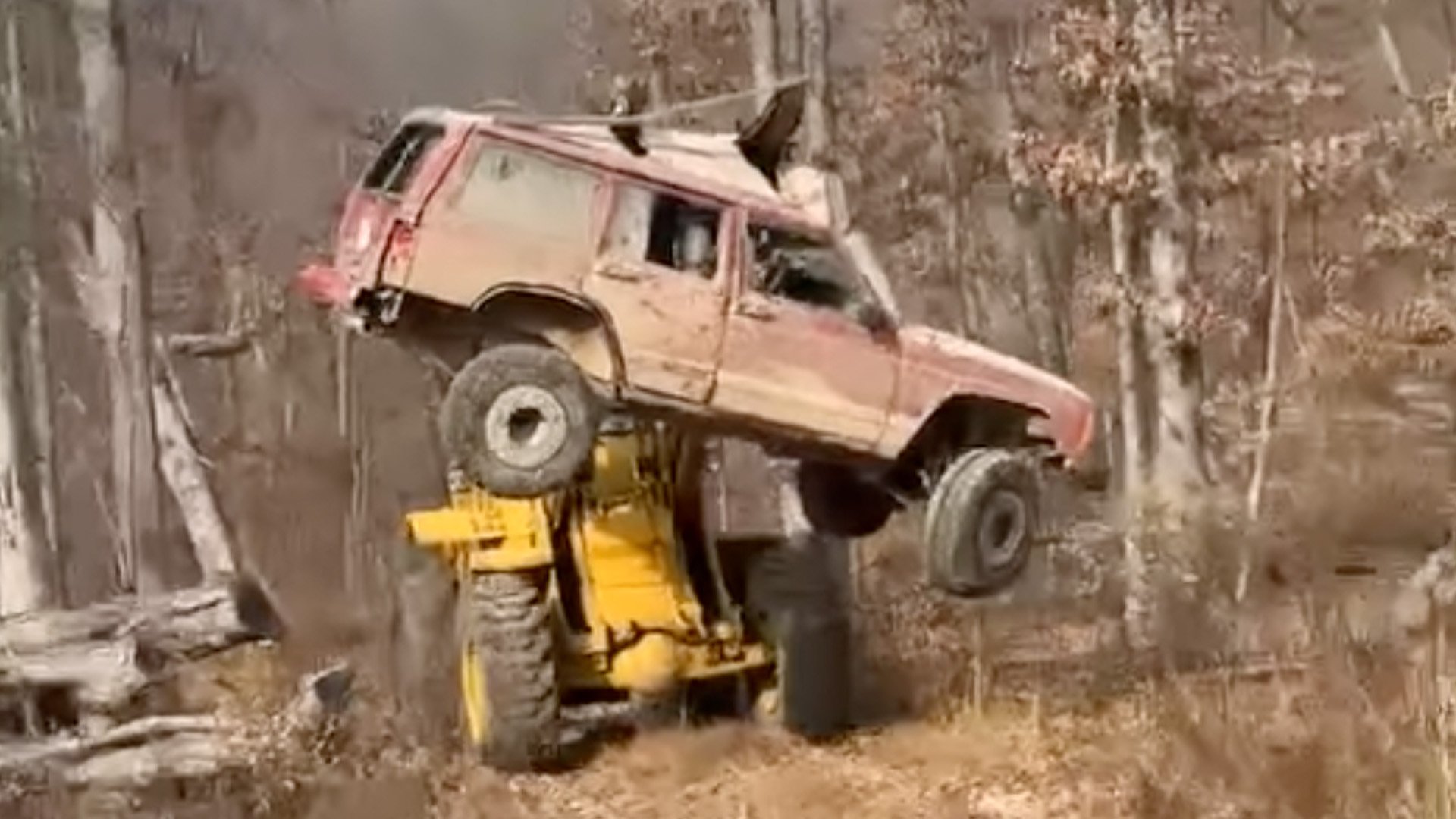
Many XJs saw years of hard use, which explains why finding a low-mileage, rust-free example today is a challenge.
Why People Still Love The Xj
The XJ remains a favorite among used SUV buyers and off-road fans. Its simple mechanics mean repairs are straightforward, and parts are widely available. The XJ’s boxy design has become a retro style symbol, and its off-road ability still rivals newer SUVs.
If you’re considering buying a Jeep XJ, keep in mind that these vehicles are now over two decades old. Rust and wear are common issues, especially in models from snowy regions.
However, a well-maintained XJ can deliver many more years of reliable service.
Where To Learn More
If you want to dig deeper into Jeep XJ history, the official Wikipedia Jeep Cherokee (XJ) page is a great place to start. It includes detailed model year changes and technical specs.
Frequently Asked Questions
How Many Jeep Xj Cherokees Were Made?
Around 2.8 million XJ Cherokees were built from 1983 to 2001. This number includes both two-door and four-door models across all global factories.
What Years Was The Jeep Xj Produced?
The XJ was produced from 1983 to 2001 in the United States. In China, production continued until 2005 under Beijing Jeep.
Was The Xj Cherokee Always A Four-door Suv?
No, the first XJs in 1984 were two-door models. The four-door version was introduced in 1985 and soon became the most popular choice.
What Makes The Xj Different From Other Jeeps?
The XJ was the first Jeep SUV with unibody construction, making it lighter and stiffer than older body-on-frame designs. This helped improve both ride quality and handling.
Are Jeep Xjs Still A Good Buy Today?
Yes, if you find a well-cared-for XJ, it can be a reliable and capable SUV. Watch out for rust, especially on older models from snowy climates.
The Jeep XJ’s high production numbers, lasting popularity, and unique design features make it a true classic. Whether you’re a collector or just a fan of tough SUVs, the XJ Cherokee is a vehicle with a lasting legacy.