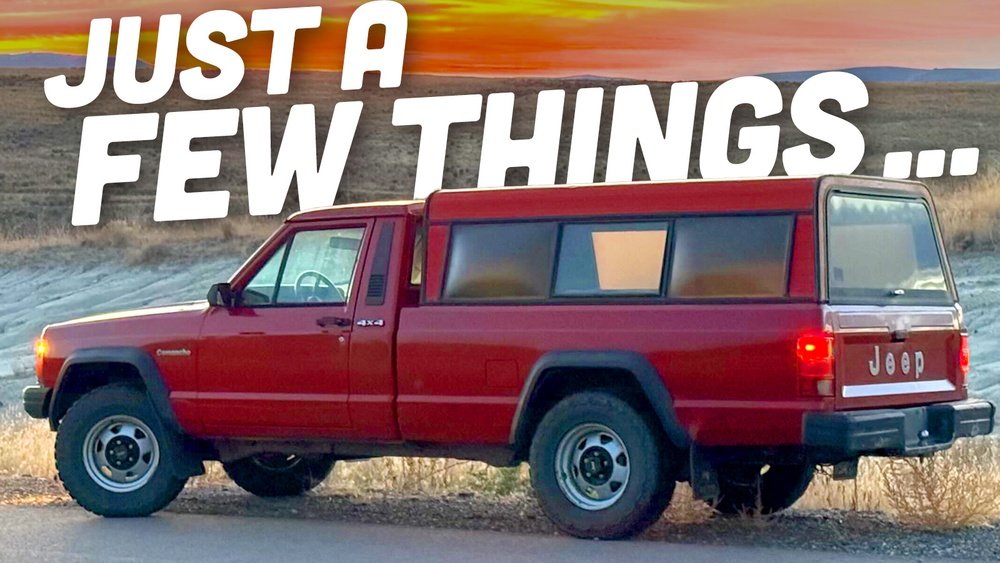
The Jeep Comanche stands out as one of the most unique trucks in American automotive history. Produced from 1986 to 1992, the Comanche was Jeep’s only pickup in the modern era and has since gained a devoted following.
Today, many car fans wonder: How many Jeep Comanches are left on the road? This question is not as simple as it sounds.
Let’s explore the numbers, the reasons behind their rarity, and what it means for collectors and enthusiasts.
Production Numbers And Survival Rates
The first step is to look at how many Jeep Comanches were actually made. Between 1986 and 1992, Jeep built around 190,000 Comanches. However, production numbers alone do not tell the whole story. Over time, vehicles are scrapped, wrecked, or simply worn out.
Yearly Production Breakdown
Here’s a look at Comanche production by year:
| Year | Comanches Produced |
|---|---|
| 1986 | 33,369 |
| 1987 | 38,195 |
| 1988 | 43,718 |
| 1989 | 22,422 |
| 1990 | 9,576 |
| 1991 | 4,648 |
| 1992 | 952 |
As you can see, numbers dropped sharply after 1988. By 1992, the Comanche was almost gone from Jeep’s lineup.
How Many Jeep Comanches Still Exist?
There are no official numbers from Jeep or the US government for how many Comanches are still registered today. But using available data, car registries, and enthusiast estimates, most experts believe that fewer than 10,000 Comanches survive in drivable condition. Some suggest the number could be as low as 5,000.
Survival Rate Estimates
To put this in perspective, here’s how the Comanche compares to similar trucks from the 1980s and 1990s:
| Truck Model | Estimated Units Left (%) | Original Production |
|---|---|---|
| Jeep Comanche | 2-5% | ~190,000 |
| Ford Ranger | 7-10% | 2,000,000+ |
| Chevy S-10 | 5-8% | 1,500,000+ |
This low survival rate is partly because the Comanche was less common than other pickups and was often used hard by owners.
Why Are So Few Jeep Comanches Left?
Several factors explain why the number of remaining Comanches is so low:
- Low production: It was never a mass-market truck.
- Workhorse use: Many were bought for tough work and were driven until they broke.
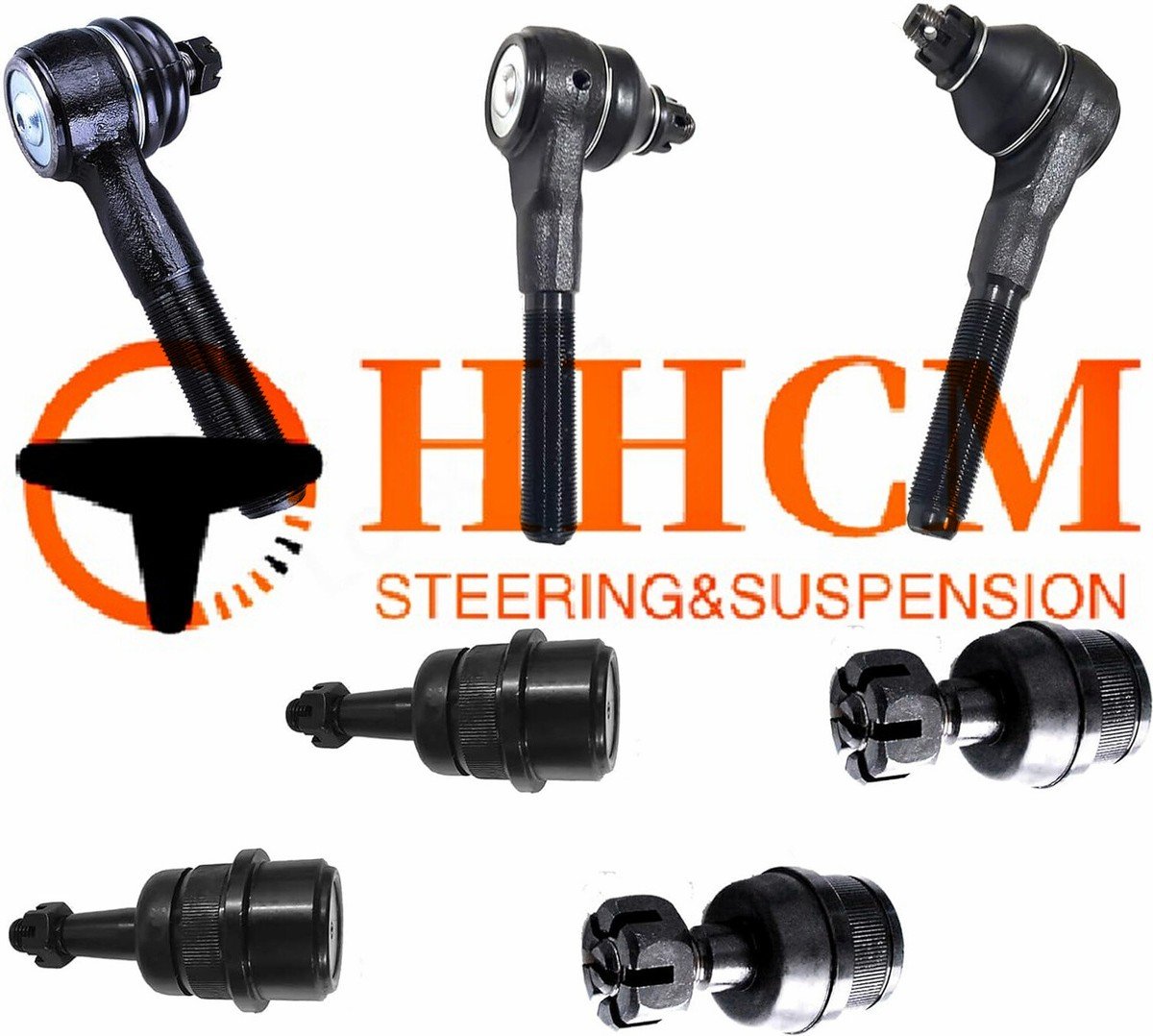
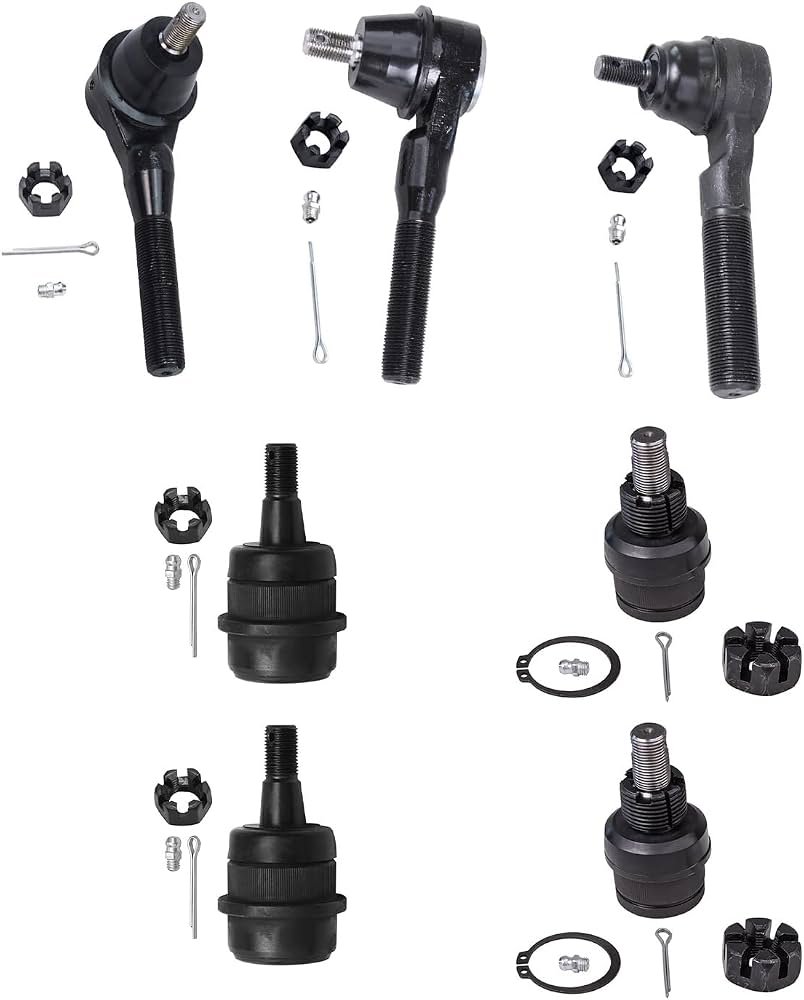
- Parts scarcity: Replacement parts became rare after production stopped, so repairs became expensive or impossible.
- Rust problems: Like many trucks of its era, the Comanche was prone to rust, especially in the Midwest and Northeast.
- Lack of collector interest: For many years, few people saw the Comanche as a classic, so they were often scrapped instead of restored.
A surprising insight is that Comanches with the 4.0L inline-six engine tend to survive more often because they are more desirable and reliable.
Where Are The Surviving Jeep Comanches?
Most of the remaining Comanches are found in the southern and western US, where the climate is dry and rust is less of an issue. States like Arizona, Texas, and California have higher concentrations.
Registered Vehicles By State (estimate)
| State | Comanches Registered |
|---|---|
| California | ~900 |
| Arizona | ~700 |
| Texas | ~850 |
| New York | ~200 |
| Ohio | ~150 |
These numbers are estimates based on car club records, online forums, and DMV data.
The Comanche’s Place In The Collector Market
As the number of Jeep Comanches drops, their value is rising. More people now see them as a rare piece of Jeep history. Clean, low-mileage Comanches, especially the MJ Eliminator or 4×4 models, can fetch much higher prices than just five years ago.
If you are looking for a Comanche, focus on:
- Original condition: Trucks that have not been heavily modified or rusted.
- Desirable options: 4.0L engines, four-wheel drive, and short-bed versions are most sought after.
- Complete paperwork: Titles, service records, and original manuals increase value.
A common mistake is assuming that any old Comanche is valuable. Most are worth more if they are in excellent condition or have rare features.
Tips For Finding And Keeping A Jeep Comanche
Finding a good Comanche takes patience. Here are some tips:
- Check online forums: Sites like Comanche Club and Jeep forums are great resources.
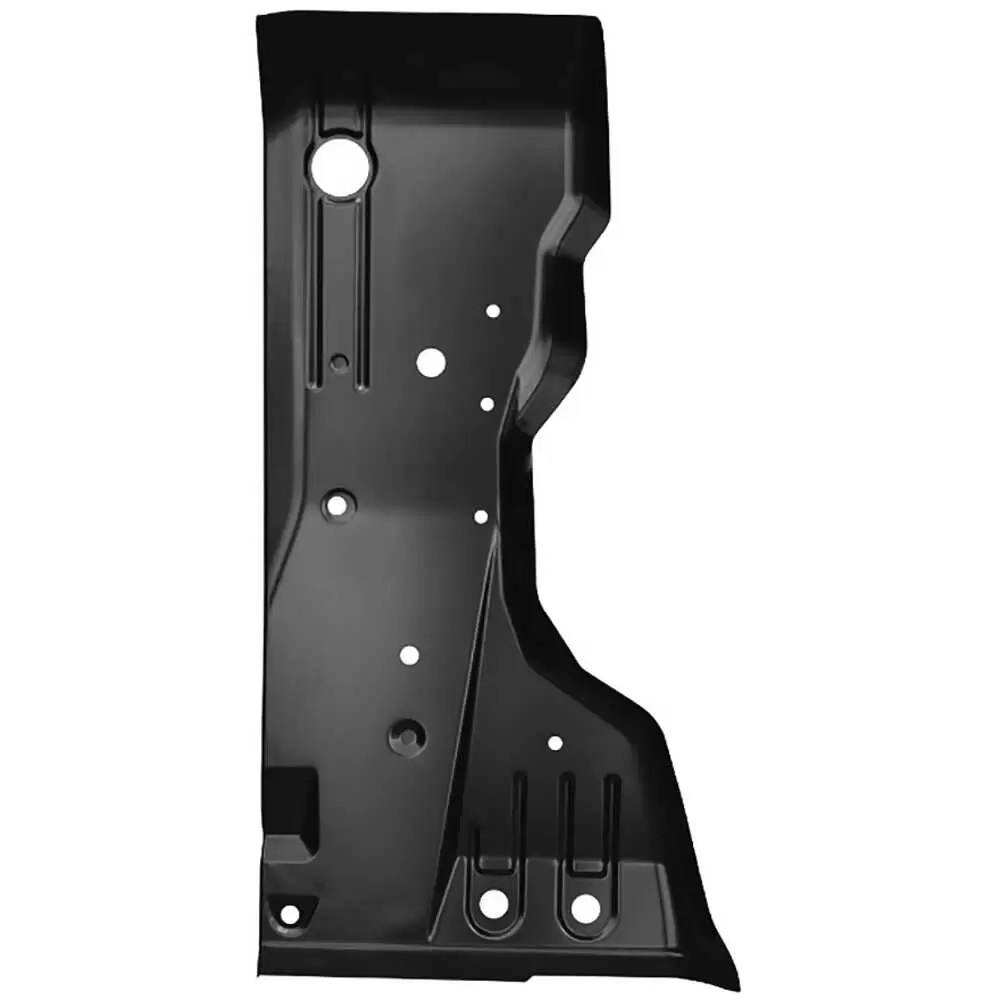
- Inspect for rust: Pay close attention to the frame and floor pans.
- Ask about maintenance: Trucks with service history are more reliable.
- Join owner groups: Local Jeep clubs can help with parts, advice, and finding trucks for sale.
- Store it well: Keeping a Comanche out of harsh weather can greatly extend its life.
Many new owners miss the importance of regular underbody cleaning to prevent rust, especially if you live in a snowy area.
Frequently Asked Questions
How Rare Is The Jeep Comanche Today?
The Comanche is now one of the rarest pickups from the 1980s and 1990s. With fewer than 10,000 likely left, you may see only a handful in any major city.
Are Jeep Comanches Good For Off-roading?
Yes, especially models with the 4×4 drivetrain. They share many parts with the Jeep Cherokee, making upgrades and repairs easier.
What Makes The Comanche Different From Other Jeep Models?
The Comanche is the only Jeep pickup from its era to use unibody construction with a separate bed. This gives it a mix of car-like comfort and truck toughness.
How Expensive Is It To Restore A Jeep Comanche?
Restoration costs can vary. Finding rare parts can be costly, but mechanical components are often shared with the Jeep Cherokee. Expect to spend $5,000–$15,000 for a full restoration.
Where Can I Learn More About Jeep Comanche History?
You can find detailed information at the Jeep Comanche Wikipedia page or through dedicated Jeep forums and clubs.
The Jeep Comanche may have been overlooked in its time, but today it stands as a symbol of American truck history. With only a few thousand left, owning one is both a challenge and a privilege.
If you find a solid Comanche, you’ll own a piece of Jeep’s unique story.