The Jeep Wrangler is known worldwide for its tough build and off-road power. Many people admire its unique look and strong engine. But there’s one question that comes up often: how many cylinders is a Jeep Wrangler? This detail matters because the number of cylinders affects performance, fuel use, and even the sound of the engine. Whether you are thinking about buying your first Wrangler or you just want to know more about your current model, understanding the engine options helps you make smarter decisions.
Jeep Wrangler Engine Options Through The Years
Over the years, the Jeep Wrangler has come with several engine choices. Each generation offered different engines, and the cylinder count changed with time. Here’s a look at the main options.
Early Jeep Wranglers (yj And Tj: 1987–2006)
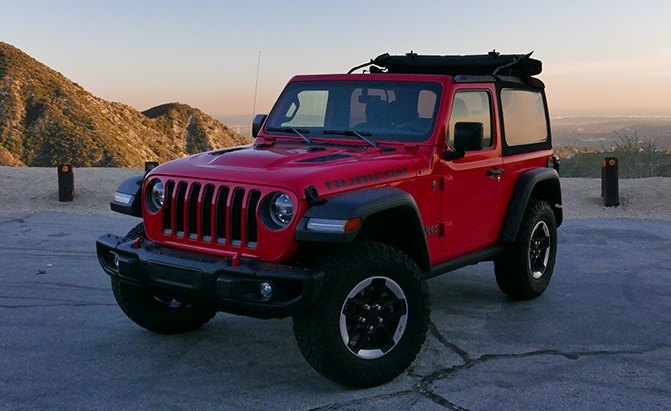
The first Wranglers, known as the YJ (1987–1995) and TJ (1997–2006), usually offered two main engine types:
- Inline-4 (I4) engines — These have 4 cylinders.
- Inline-6 (I6) engines — These have 6 cylinders.
The 4-cylinder engines were often more fuel-efficient, while the 6-cylinder engines gave more power, especially for off-roading.
Jk Generation (2007–2018)
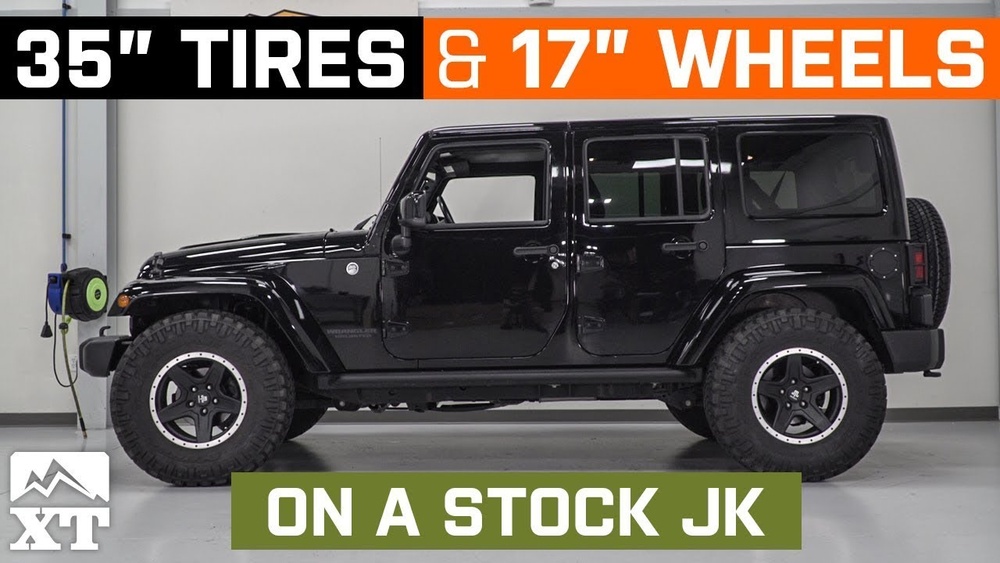
The JK Wrangler changed things up a bit. The early JK models (2007–2011) came with two options:
- A 3.8L V6 engine (6 cylinders)
- A rare 2.4L I4 engine (4 cylinders, but only for a short time)
Most JK Wranglers you find today have the V6 engine. In 2012, Jeep replaced the old V6 with a 3.6L Pentastar V6 (also 6 cylinders), which is much more modern and efficient.
Jl Generation (2018–present)
The newest JL Wrangler comes with more choices than ever. Here are the engines you can find:
- 2.0L Turbo I4 (4 cylinders)
- 3.6L Pentastar V6 (6 cylinders)
- 3.0L EcoDiesel V6 (6 cylinders, diesel)
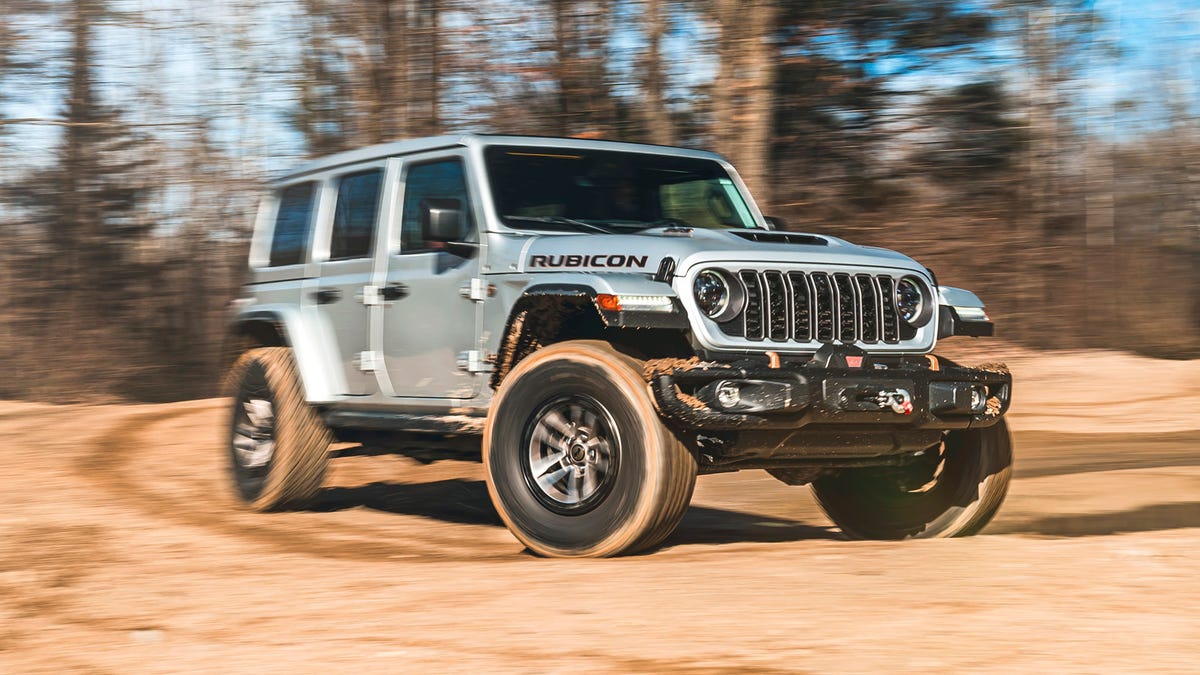
- 6.4L HEMI V8 (8 cylinders, only in the Rubicon 392 model)
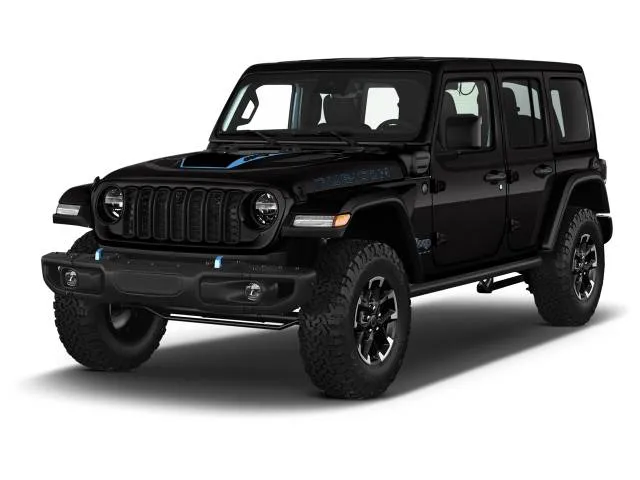
- 2.0L I4 Plug-in Hybrid (4 cylinders, in the 4xe model)
This variety means you can find Wranglers with 4, 6, or even 8 cylinders today.
Comparing Wrangler Engine Cylinders
To help you see the main differences, here’s a quick comparison of the common Wrangler engines and their cylinder counts:
| Engine | Cylinder Count | Years Used | Common Models |
|---|---|---|---|
| 2.5L Inline-4 | 4 | 1987–2002 | YJ, TJ |
| 4.0L Inline-6 | 6 | 1987–2006 | YJ, TJ |
| 3.8L V6 | 6 | 2007–2011 | JK |
| 3.6L Pentastar V6 | 6 | 2012–Present | JK, JL |
| 2.0L Turbo I4 | 4 | 2018–Present | JL |
| 6.4L HEMI V8 | 8 | 2021–Present | JL Rubicon 392 |
Why Cylinder Count Matters
The number of cylinders in a Jeep Wrangler is more than just a number. It changes how the vehicle drives, feels, and costs to run.
1. Power And Performance
More cylinders usually mean more power. For example, the V8 in the Rubicon 392 is much faster and stronger than the 4-cylinder Turbo.
2. Fuel Efficiency
Fewer cylinders often use less fuel. The 4-cylinder engines are better for city driving and save you money at the pump.
3. Maintenance And Costs
Engines with fewer cylinders can be cheaper to repair. However, more cylinders can handle heavy loads and rough terrain better.
4. Engine Sound And Feel
A V8 sounds deep and powerful. A 4-cylinder is quieter and smoother.
Which Cylinder Count Is Best For You?
Choosing the right engine depends on what you need from your Wrangler.
- 4-cylinder: Good for daily driving, better fuel economy, less expensive.
- 6-cylinder: Balanced power and efficiency, great for off-roading and daily use.
- 8-cylinder: Maximum power, best for high performance, but less fuel-efficient.
Here’s a simple guide:
| Use Case | Best Cylinder Option | Why |
|---|---|---|
| City Driving | 4-cylinder | Better fuel economy, lighter engine |
| Off-Road Adventure | 6-cylinder | Good mix of power and efficiency |
| Heavy Towing / Performance | 8-cylinder | Maximum horsepower and torque |
Common Misconceptions
Some people believe that all Jeep Wranglers have the same engine. In reality, the cylinder count has changed over the years. Another common mistake is thinking that more cylinders are always better. While an 8-cylinder Wrangler is powerful, it may not suit everyone’s needs, especially if you want to save on fuel.
Many beginners also overlook how engine technology affects performance. For example, the modern 4-cylinder turbo in new Wranglers offers more torque than older 6-cylinders, thanks to turbocharging.
Non-obvious Insights For Buyers
1. Resale Value And Engine Choice
Wranglers with the 6-cylinder engine tend to keep their value better. This is because most buyers see the V6 as the “classic” Wrangler engine.
2. Insurance Costs
The number of cylinders can affect your insurance premium. V8 Wranglers, for example, may cost more to insure due to their higher performance.
3. Hybrid Option
The 4xe plug-in hybrid uses a 4-cylinder engine plus an electric motor. It offers both strong torque and better fuel economy, a rare combination in the Wrangler lineup.

Frequently Asked Questions
How Many Cylinders Does A Standard Jeep Wrangler Have?
Most standard Jeep Wranglers today come with a 6-cylinder engine. However, there are also 4-cylinder and 8-cylinder options available, depending on the model and year.
Which Jeep Wrangler Has 8 Cylinders?
The Jeep Wrangler Rubicon 392 comes with a 6.4L V8 engine (8 cylinders). This is the most powerful Wrangler engine ever sold from the factory.
Are There 4-cylinder Jeep Wranglers?
Yes, several Jeep Wrangler models have 4-cylinder engines. The latest JL generation offers a 2.0L turbocharged 4-cylinder, and the 4xe plug-in hybrid also uses a 4-cylinder engine.
Is A 6-cylinder Jeep Wrangler Better For Off-roading?
The 6-cylinder Wrangler is popular for off-roading because it offers a good balance between power and weight. Many off-road fans prefer the V6 for its reliability and torque.
Where Can I Find More Detailed Jeep Wrangler Engine Specs?
You can learn more about Jeep Wrangler engines and specs on the official Jeep Wrangler Wikipedia page.
The Jeep Wrangler’s engine lineup is more diverse than many people realize. Whether you want a fuel-saving 4-cylinder, a balanced 6-cylinder, or a roaring V8, there’s a Wrangler for you.
The number of cylinders shapes how your Jeep feels and performs, so understanding your options is key to making the right choice.