The Jeep Wrangler is famous for its rugged design, off-road ability, and loyal fan base. Yet, one question often pops up among new owners and car enthusiasts: How many axles does a Jeep Wrangler have?
While it may sound simple, understanding axles is important for anyone who plans to drive, modify, or buy a Wrangler. Let’s break down what axles are, how many are on a Jeep Wrangler, and why this matters for both everyday driving and off-road adventures.
What Is An Axle And Why Does It Matter?
An axle is a crucial part of any vehicle. It connects the wheels and helps transfer power from the engine to the tires. Most cars and trucks have either two or three axles, depending on their size and function.

In a Jeep Wrangler, axles play a big role in:
- Handling rough terrain
- Towing capacity
- Vehicle stability
- Customization and upgrades
Understanding axles helps you make smart choices when it comes to maintenance, upgrades, or even off-road driving.
How Many Axles Does A Jeep Wrangler Have?
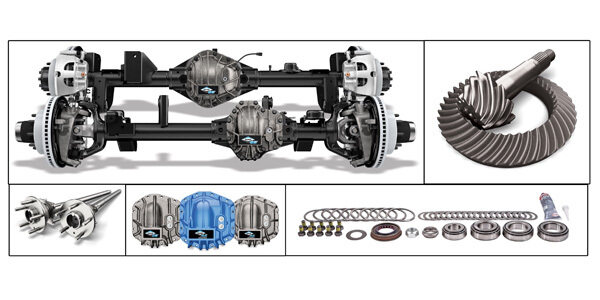
A standard Jeep Wrangler comes with two axles—one in the front and one in the rear. Each axle connects two wheels, so the Wrangler is a classic four-wheel vehicle (4×4).
Here’s a quick breakdown:
| Model | Number of Axles | Axle Type |
|---|---|---|
| Wrangler Sport | 2 | Solid Front & Rear |
| Wrangler Sahara | 2 | Solid Front & Rear |
| Wrangler Rubicon | 2 | Upgraded Solid Axles |
Why only two axles? Most passenger vehicles, including the Wrangler, use two axles because they are designed for four wheels. Some trucks or heavy-duty vehicles may have three or more axles for extra wheels and load capacity, but this is rare in SUVs like the Wrangler.
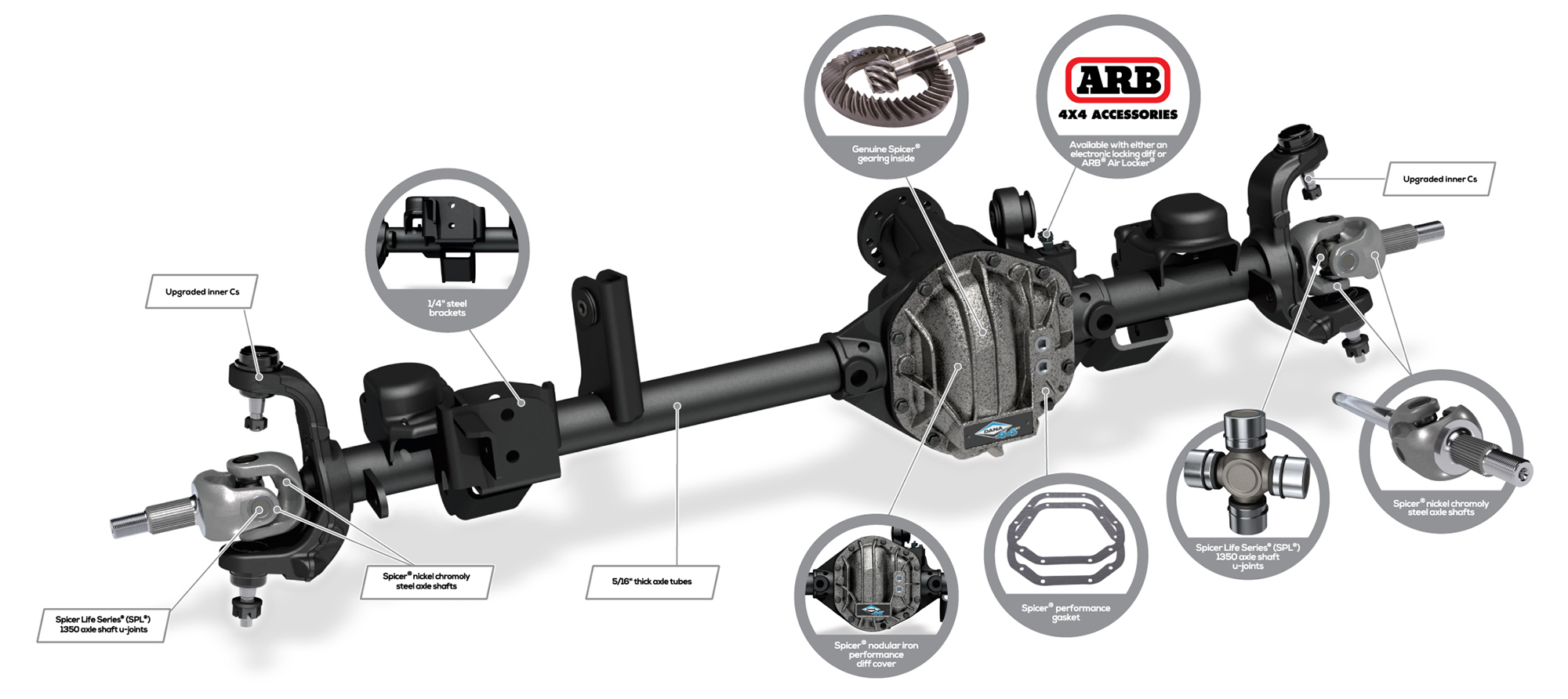
Differences Between Axle Types On A Wrangler
Not all Wrangler axles are the same. Depending on the trim or year, you may find different axle models.
Main Axle Types
- Dana 30: Used on many base models for the front axle.
- Dana 35: Commonly found as the rear axle in non-Rubicon models.
- Dana 44: Standard on Rubicon models and available as upgrades, both front and rear.
Here’s a comparison:
| Axle Model | Location | Strength | Best For |
|---|---|---|---|
| Dana 30 | Front | Moderate | Daily driving, mild trails |
| Dana 35 | Rear | Moderate | Light off-roading |
| Dana 44 | Front/Rear | High | Serious off-roading |
Non-obvious insight: Many beginners think all Wranglers have the same axles, but stronger axles like the Dana 44 make a big difference for tough trails and heavy modifications.
Axle Count In Special Cases
You might see custom-built Wranglers with more than two axles. Some companies and individuals convert their Wranglers into 6×6 trucks with three axles for show or extreme off-roading. However, these are not factory models and are rare.
For all standard, factory Wranglers (from the first CJ models to today’s JL series), the answer remains two axles.

Why Does Axle Count Matter For Owners?
Knowing the number and type of axles on your Wrangler helps in several ways:
- Maintenance: Each axle has its own servicing needs. For example, front and rear axles use different fluids and have unique wear patterns.
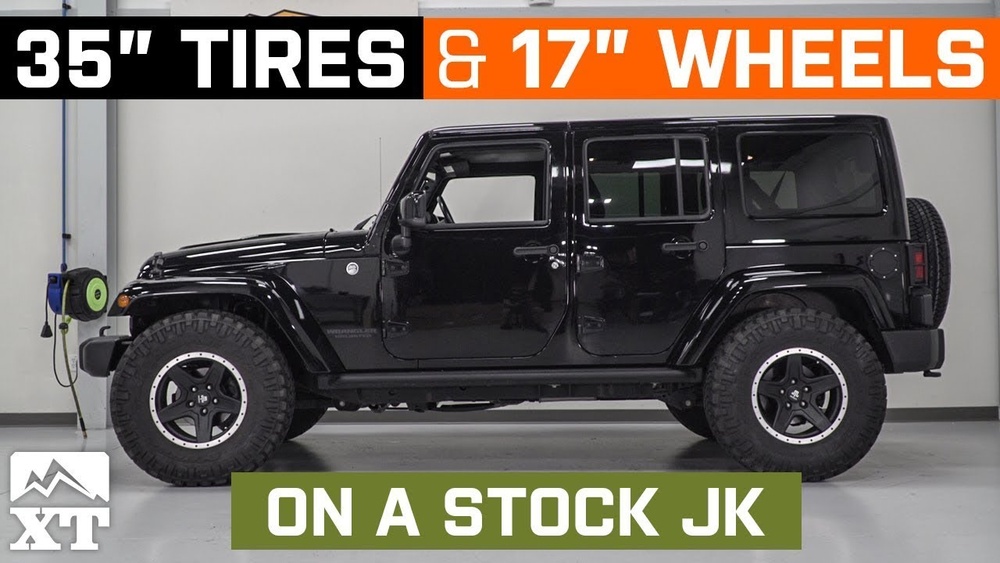
- Upgrades: If you want to add larger tires or go rock crawling, stronger axles may be needed.
- Towing: Axle strength affects how much weight your Wrangler can safely pull.
- Legal and registration: Some countries or states tax vehicles by axle count.
Non-obvious insight: New Wrangler owners often overlook axle ratio, which impacts acceleration and fuel efficiency, not just off-road ability.
Wrangler owners love to personalize their vehicles. Axle swaps or reinforcements are popular upgrades, especially for off-road use.
Popular upgrades include:
- Re-gearing: Changing the axle’s gear ratio for better torque or fuel economy.
- Truss kits: Reinforcing the axle housing for durability.
- Lockers: Adding devices that force both wheels on an axle to turn together, improving traction.
These upgrades can make a big difference in challenging conditions, but always match your modification plans to your axle’s strength.
How To Identify Your Wrangler’s Axles
If you’re unsure what axles your Wrangler has, check the build sheet or look for identification tags on the axle housing. You can also use the vehicle identification number (VIN) to get detailed specs from a dealership.
Here’s a simple comparison to help you spot the difference:
| Axle Feature | Dana 30 | Dana 35 | Dana 44 |
|---|---|---|---|
| Shape | Round cover | Oval cover | Hex cover |
| Number of Bolts | 10 | 10 | 10 |
| Housing Size | Small | Small | Large |
Frequently Asked Questions
How Many Axles Does A Standard Jeep Wrangler Have?
A standard Jeep Wrangler comes with two axles—one in the front and one in the rear. Each axle connects two wheels.
Can You Get A Jeep Wrangler With More Than Two Axles?
Factory Wranglers only have two axles. However, some specialty shops build custom 6×6 Wranglers with three axles, but these are rare and not made by Jeep.
Are All Jeep Wrangler Axles The Same?
No. Different models have different axles, such as Dana 30, Dana 35, and Dana 44. The Rubicon usually comes with stronger axles for better off-road performance.
Why Might Someone Upgrade Their Wrangler’s Axles?
People upgrade axles for more strength, better off-road ability, or to handle bigger tires. Stronger axles like the Dana 44 are popular for tough trails.
Where Can I Find More Detailed Information About Wrangler Axles?
The official Jeep website and resources like Wikipedia offer more details about Wrangler models and their axles.
The Jeep Wrangler remains a top choice for adventure lovers. Knowing that it has two solid axles helps you understand its strengths, from daily driving to conquering mountains. Whether you plan to keep your Wrangler stock or add bold new upgrades, paying attention to your axles is key to getting the most out of your ride.