The Jeep Liberty Sport has a strong reputation for being tough and versatile. Many people choose this SUV for daily driving, outdoor adventures, and family trips.
But if you’re thinking about buying one—or you already own one—you probably want to know: How long does a Jeep Liberty Sport last? Let’s look at real numbers, key factors, and what you can do to make your Liberty go the distance.
Average Lifespan Of Jeep Liberty Sport
Most Jeep Liberty Sport SUVs last between 150,000 and 200,000 miles. This means, if you drive 12,000 miles a year, your Liberty Sport could stay on the road for 12 to 16 years. Some owners even report reaching 250,000 miles or more, but this requires careful maintenance.

| Mileage | Expected Lifespan (Years) | Likelihood |
|---|---|---|
| 100,000 miles | 8–10 | Very common |
| 150,000 miles | 12–13 | Common |
| 200,000 miles | 16–17 | Possible with care |
| 250,000+ miles | 20+ | Rare |
Many factors decide how far your Liberty will go. Some are in your control, while others depend on luck or how the car was treated before you.
What Affects The Lifespan?
1. Maintenance
Regular maintenance is the biggest factor. This means:
- Oil changes every 3,000–5,000 miles
- Checking and replacing fluids (coolant, brake, transmission)
- Replacing worn parts (brakes, belts, hoses)
- Keeping tires in good shape
If you skip service or use low-quality parts, your Liberty’s life gets shorter.
2. Driving Habits
Gentle driving helps your Jeep Liberty Sport last longer. Hard acceleration, sudden stops, and off-road use can wear out parts faster. Short trips where the engine never warms up can also increase engine wear.
3. Climate And Environment
Hot climates can cause engines to overheat and damage rubber parts. Cold areas can mean rust from salted roads.
If you live where the weather is extreme, extra care is needed.
4. Model Year And Engine
Some model years of the Liberty Sport are more reliable than others. For example, 2003–2006 models are often seen as tough, while some later models had more issues. The 3.7L V6 engine is common and generally reliable, but earlier 2.4L 4-cylinder models can be less powerful.
| Model Year | Common Engine | Reliability |
|---|---|---|
| 2002–2006 | 3.7L V6 | High |
| 2007–2012 | 3.7L V6 | Moderate |
5. Previous Ownership
A used Jeep Liberty Sport with full service records is a safer bet than one with unknown history. Cars that have been in accidents or flooded often have hidden problems.
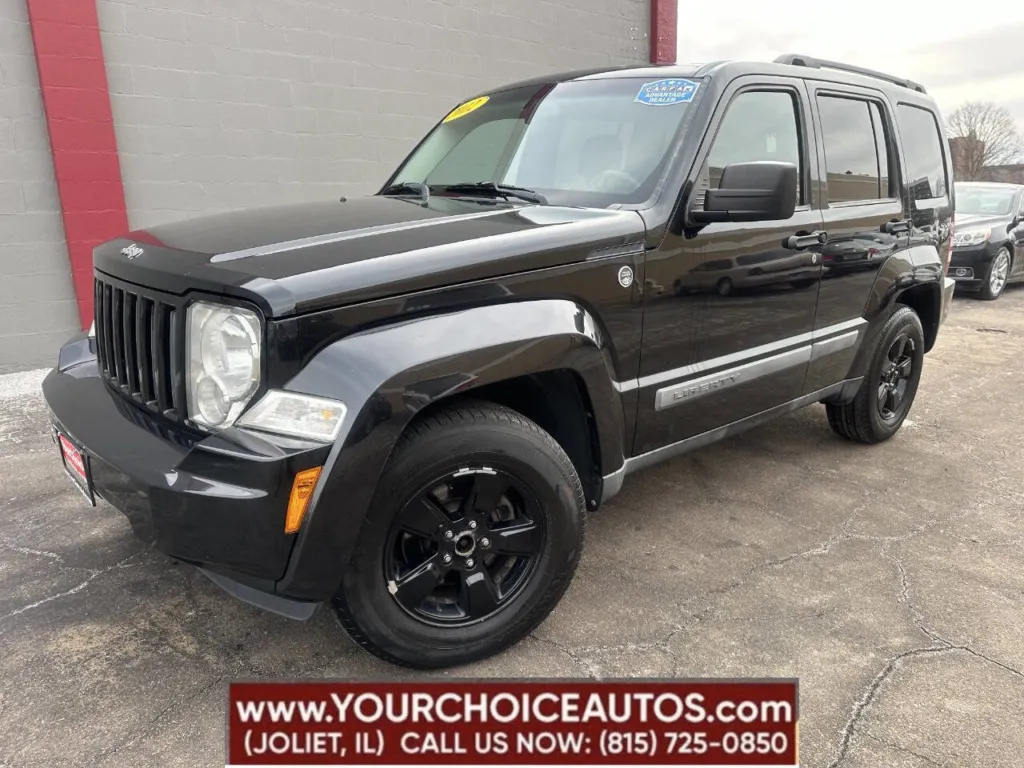
Common Problems After High Mileage
No car is perfect, and the Jeep Liberty Sport has its own set of issues, especially as it ages.
- Window regulator failure: Many owners report power windows stop working.
- Transmission problems: Hard shifting or slipping can appear after 100,000 miles.
- Suspension wear: Ball joints and control arms may need replacement.
- Engine oil leaks: Gaskets and seals can wear out, causing leaks.
- Electrical faults: Older models sometimes have issues with sensors or the check engine light.
Most of these problems are repairable, but some can be expensive if left untreated.
How To Make Your Jeep Liberty Sport Last Longer
If you want your Liberty to reach high mileage, follow these tips:
- Stick to the factory maintenance schedule.
- Use quality fluids and parts—cheap options can cause more harm.
- Wash the undercarriage often if you live where roads are salted.
- Listen for strange noises and fix problems early.
- Don’t ignore dashboard warning lights.
One non-obvious tip: Change your differential and transfer case fluids every 30,000–50,000 miles. Many people forget this, but it helps the 4×4 system last longer.
Another useful insight: If your Liberty Sport uses the 3.7L V6, keep an eye on the cooling system. Overheating can warp the cylinder heads, which is a costly repair.

How Does Jeep Liberty Sport Compare To Other Suvs?
When you compare the Jeep Liberty Sport to similar SUVs, it holds up well in terms of durability, but some rivals are cheaper to maintain.
| SUV Model | Typical Lifespan (Miles) | Maintenance Cost (10 Years) |
|---|---|---|
| Jeep Liberty Sport | 150,000–200,000 | $7,000–$9,000 |
| Toyota RAV4 | 200,000–250,000 | $5,500–$7,000 |
| Honda CR-V | 200,000–250,000 | $6,000–$7,500 |
| Ford Escape | 150,000–200,000 | $7,000–$8,500 |
The Liberty Sport’s maintenance costs are a bit higher, mostly due to its 4×4 system and American parts pricing. But its off-road ability is a major plus compared to many competitors.
Is The Jeep Liberty Sport A Good Long-term Choice?
The Jeep Liberty Sport is a solid SUV if you want something rugged and don’t mind a bit more maintenance. It’s not the cheapest to own, but with care, it can last as long as many Japanese SUVs. If you need a car for off-road use or towing, the Liberty Sport is a smart pick.
If you’re buying used, always check the service history and get a mechanic to inspect the car before making a decision. This can save you from expensive surprises.
For more detailed reliability data, you can check Consumer Reports.
With the right care, the Jeep Liberty Sport can be your road companion for years to come.
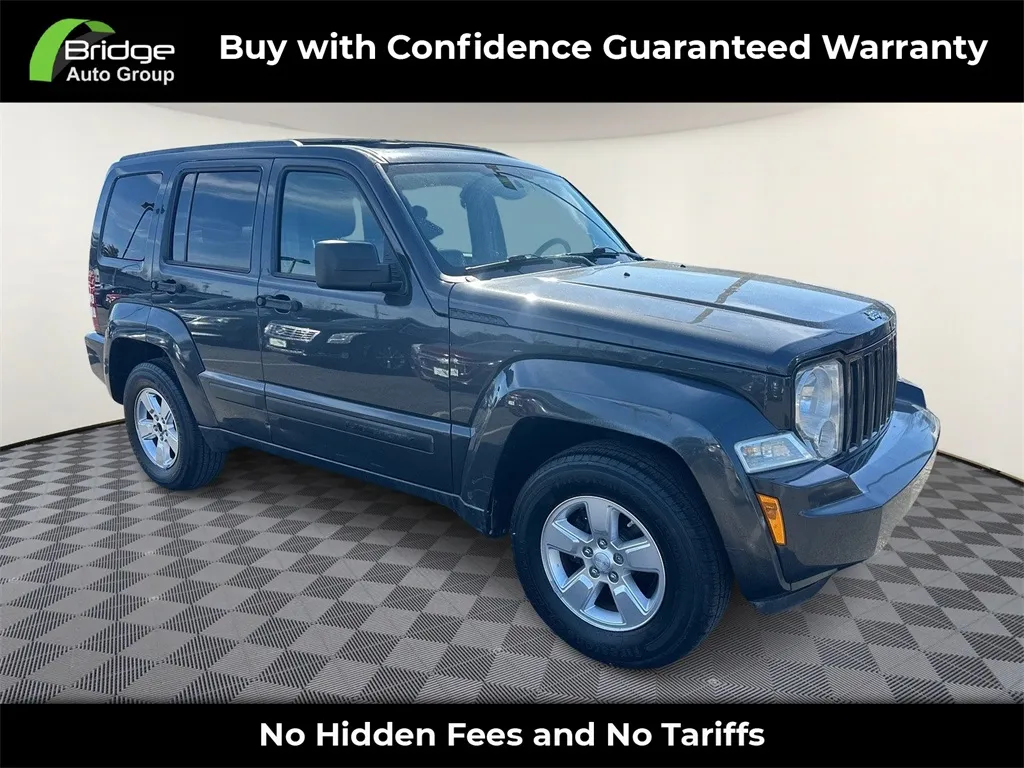
Frequently Asked Questions
How Many Miles Can A Jeep Liberty Sport Last?
Most Liberty Sports reach 150,000–200,000 miles with regular care. Some go beyond 200,000 miles if well maintained.
What Year Of Jeep Liberty Sport Is Most Reliable?
The 2003–2006 models are often considered the most reliable due to fewer known issues and a sturdy engine.
Are Repairs Expensive For Jeep Liberty Sport?
Repairs can be pricier than some SUVs, especially for the 4×4 system and suspension. However, parts are widely available, and many repairs are straightforward.
What Are The Most Common Problems With High-mileage Jeep Libertys?
Window regulators, transmission issues, suspension wear, and oil leaks are common after 100,000 miles.
Is The Jeep Liberty Sport Good For Off-road Use?
Yes, the Liberty Sport is designed for off-road and rough conditions. Its 4×4 system is strong, making it a popular choice for adventure lovers.