If you’re curious about the Jeep Wrangler ride, you’re not alone. Many drivers wonder what it’s really like to travel in one of the world’s most famous off-road vehicles. The Wrangler has a strong reputation for adventure, but does it deliver comfort and smoothness on everyday roads? This article will help you understand how the Jeep Wrangler rides, both on and off the pavement, and what you can expect as an owner or passenger.
What Makes The Jeep Wrangler Unique
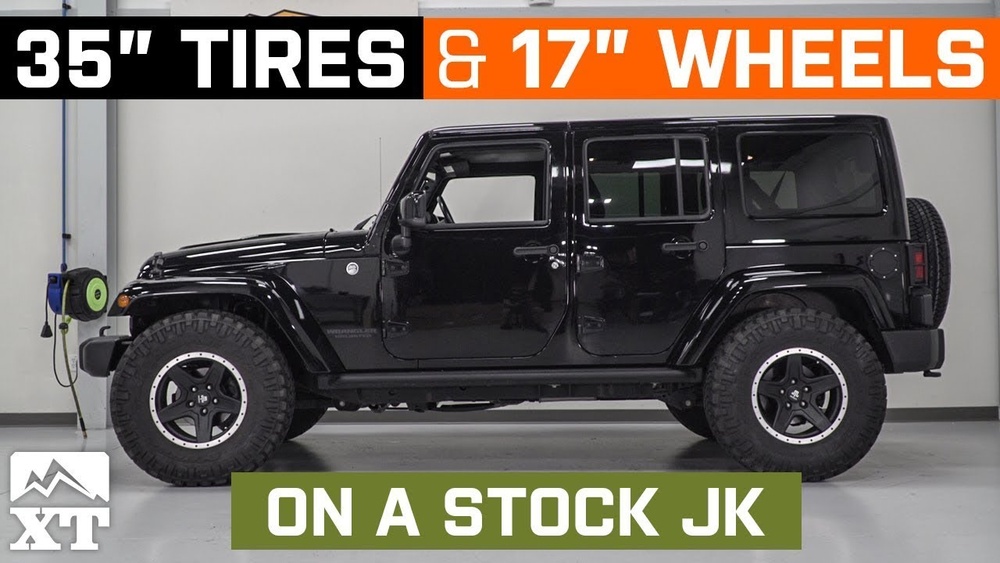
The Jeep Wrangler stands out because of its rugged design. Built for tough terrain, it uses a solid axle suspension, high ground clearance, and body-on-frame construction. These features make it a favorite for off-road fans, but they also affect how the Wrangler behaves on city streets and highways.
Key Ride Features
- Solid axles: Offer strength and durability for off-roading, but can feel stiff on paved roads.
- Removable doors and roof: Adds fun and flexibility, though increases wind noise.
- High ground clearance: Good for rocks and mud, but can make the ride feel bouncy.
Many buyers are attracted by these features, yet they also create a ride that’s different from regular SUVs.
On-road Comfort And Handling
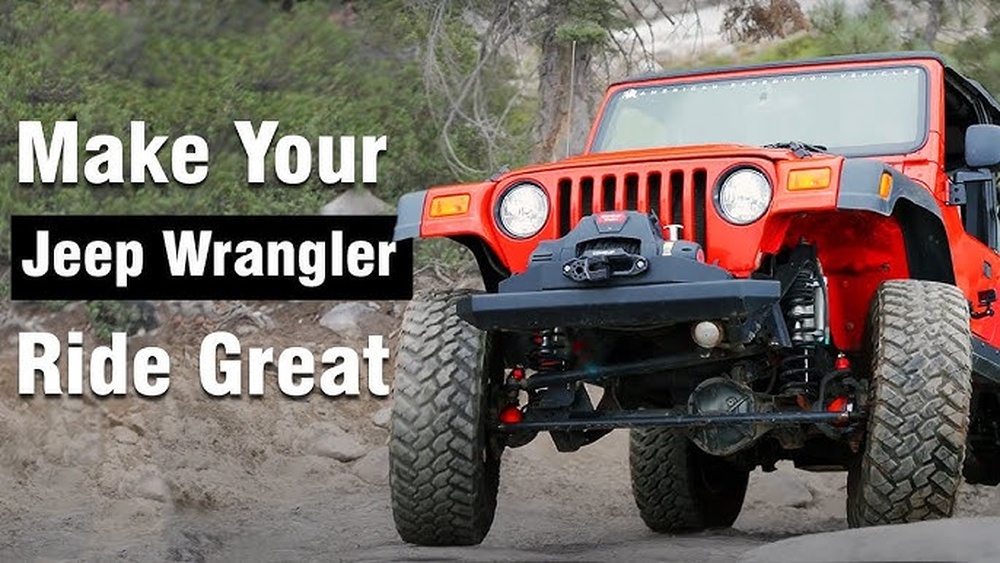
Driving a Jeep Wrangler on city streets or highways is a unique experience. The suspension is firm, and the cabin sits high above the road.
Ride Quality Compared To Other Suvs
Here’s a simple comparison of the Wrangler’s ride comfort with common midsize SUVs:
| Vehicle | Ride Comfort | Road Noise | Handling |
|---|---|---|---|
| Jeep Wrangler | Medium-Firm | Noticeable | Loose on corners |
| Toyota RAV4 | Smooth | Low | Stable |
| Honda CR-V | Smooth | Low | Responsive |
While the Wrangler is not the most comfortable on pavement, it gives you a commanding view of traffic and a sense of adventure.
Noise And Vibration
The Wrangler’s boxy shape and removable roof mean you’ll hear more wind and road noise compared to other SUVs. Vibration from the tires and suspension is also higher, especially at highway speeds. This is normal for a vehicle designed for off-road use.
Steering And Stability
The steering feels loose and less precise than modern crossovers. You may notice more sway when turning quickly or driving on uneven surfaces.
These traits are part of the Wrangler’s design, allowing for flexibility off-road, but they can surprise new owners.
Off-road Ride And Performance
Where the Wrangler really shines is off the beaten path. Its ride transforms when driving over rocks, mud, or sand.
Suspension Performance
The Wrangler’s suspension absorbs bumps and dips far better than most SUVs. Here’s how the Wrangler stacks up against other off-road vehicles:
| Vehicle | Ground Clearance (inches) | Approach Angle (degrees) | Suspension Type |
|---|---|---|---|
| Jeep Wrangler Rubicon | 10.8 | 43.9 | Solid Axle |
| Ford Bronco | 11.6 | 35.5 | Independent Front |
| Toyota 4Runner | 9.6 | 33 | Independent Front |
The solid axle helps keep wheels on the ground, improving traction. This means the Wrangler can handle obstacles that would stop other vehicles.
Real-world Examples
Wrangler owners often share stories of their vehicles climbing steep hills, crossing streams, or tackling deep snow. A standard Wrangler can ford water up to 30 inches deep and drive through mud without getting stuck. These abilities make the ride feel exciting, but also rough and bumpy when compared to regular cars.
Ride Differences Between Wrangler Models
Not all Wranglers ride the same. The trim, tire size, and year can change the experience.
- Wrangler Sport: Basic suspension, best for mild off-roading.
- Wrangler Rubicon: Heavy-duty suspension, locks, and bigger tires. Ride is rougher but handles extreme terrain.
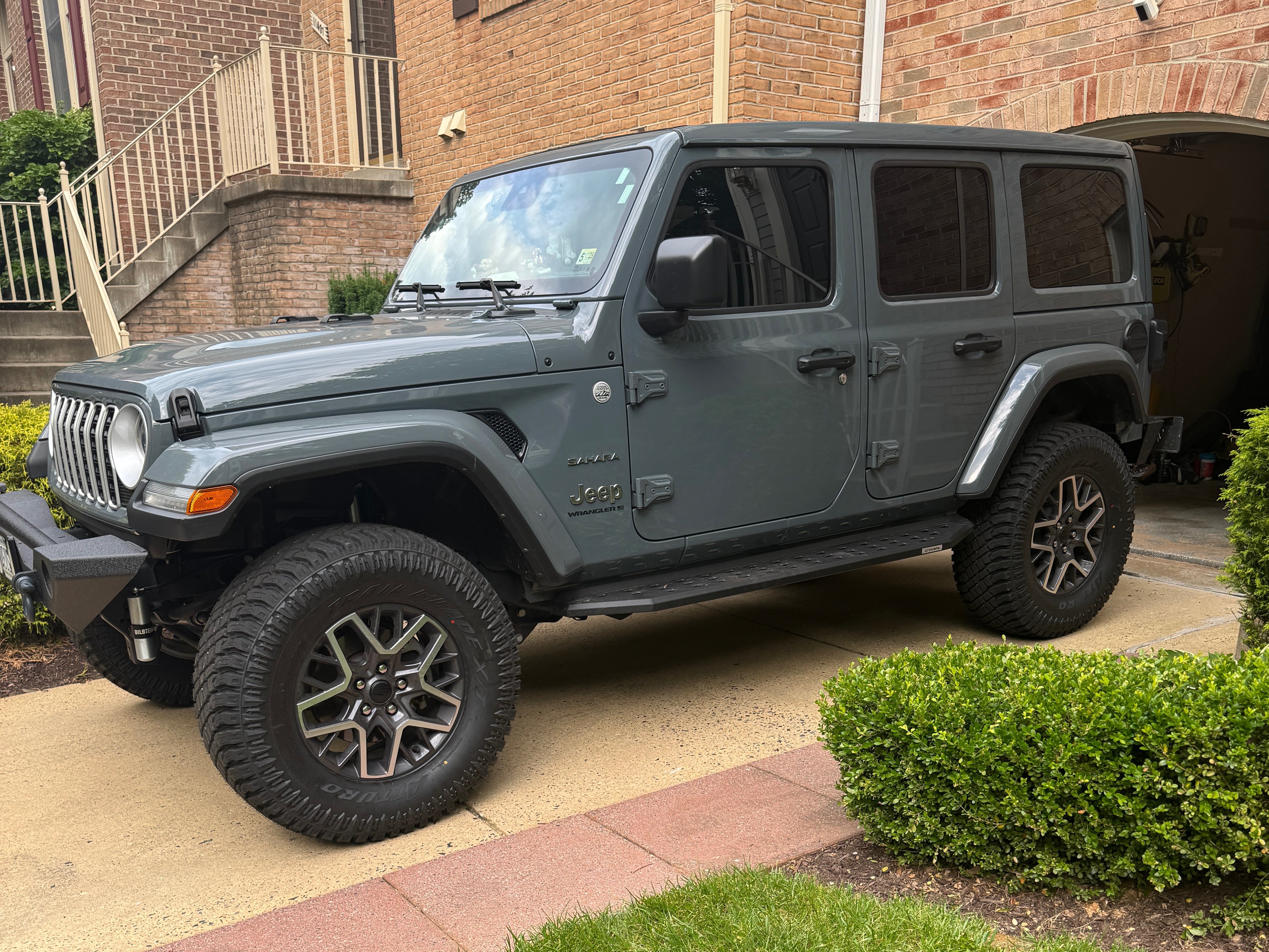
- Wrangler Sahara: More comfort features, slightly smoother on pavement.
Newer Wranglers (JL generation, 2018 and up) have improved ride comfort, with better seats and more noise insulation. Still, even the newest models keep the classic Jeep feel.
Practical Tips For Improving Jeep Wrangler Ride
If you want to make your Wrangler ride smoother, you can try:
- Lower tire pressure: Reduces bumps but may affect handling.
- Upgrade shocks: Aftermarket shocks can offer more comfort.
- Choose smaller tires: Less vibration, better on paved roads.
- Add sound insulation: Kits help reduce road and wind noise.
Many drivers underestimate how much tire choice affects ride. The most aggressive off-road tires are noisy and rough, while all-terrain tires are quieter and smoother.
Common Mistakes When Evaluating The Wrangler Ride
A few mistakes can lead to disappointment:
- Comparing Wrangler to luxury SUVs. The Wrangler is built for adventure, not plush comfort.
- Test driving only on smooth roads. To understand the ride, try rough roads or off-road trails.
- Ignoring tire type and pressure. These matter more than most think.
Many first-time buyers expect the Wrangler to feel like a regular car. It’s important to remember this vehicle is designed for adventure, and that comes with trade-offs.
Is The Jeep Wrangler Ride Right For You?
If you value rugged capability, fun driving, and don’t mind a bit of noise or roughness, the Wrangler is a great choice. It’s not for everyone—especially those who want a quiet, smooth commute. But for those who love the feeling of freedom, the Jeep Wrangler ride is unique and rewarding.
For more details on Wrangler performance and specs, check the official Jeep site: Jeep Wrangler.
Frequently Asked Questions
How Does The Wrangler Ride Compare To Other Jeeps?
The Wrangler’s ride is firmer and rougher than models like the Grand Cherokee or Compass. Those Jeeps use independent suspension, making them smoother and quieter.
Is The Wrangler Comfortable For Long Trips?
It depends. Some owners find the seats supportive, but wind noise and vibration can cause fatigue on longer drives. Using softer tires and extra insulation helps.
Can You Improve The Wrangler’s Ride Quality?
Yes. Upgrading shocks, lowering tire pressure, and adding sound insulation can make a big difference.
Choosing all-terrain tires over mud tires also helps.
Does The Wrangler Ride Change With Different Trims?
Absolutely. The Rubicon is rougher due to its heavy-duty suspension and big tires.
The Sahara and Sport are smoother, especially on pavement.
Is The Jeep Wrangler Ride Safe?
The Wrangler is safe for off-road and city driving, but its high stance and solid axle mean it’s not as stable as other SUVs at high speed or in sharp turns. Always drive carefully and avoid sudden maneuvers.
The Jeep Wrangler ride is a blend of adventure and tradition. It’s not the smoothest on the market, but its unique features deliver something few vehicles can match.
If you understand its strengths and trade-offs, you’ll enjoy every drive.