The Jeep Duck Trend: How It Started and Why It Matters
If you’ve ever spotted a small rubber duck sitting on the hood or dashboard of a Jeep, you might wonder why it’s there. This playful act, known as the Jeep Duck trend, has grown from a simple gesture into a global movement. Jeep owners across continents now exchange rubber ducks as a sign of friendship and community. But how did this trend start, and what makes it so special for Jeep drivers? Let’s dive into the story, its impact, and what it reveals about car culture today.
The Origin Of Jeep Ducking
The Jeep Duck trend began in 2020 in Ontario, Canada. During the height of the COVID-19 pandemic, people searched for ways to spread kindness without close contact. One Jeep owner, Allison Parliament, found inspiration after a tough experience at a gas station. Hoping to lighten someone’s day, she placed a yellow rubber duck on a stranger’s Jeep with a cheerful note.
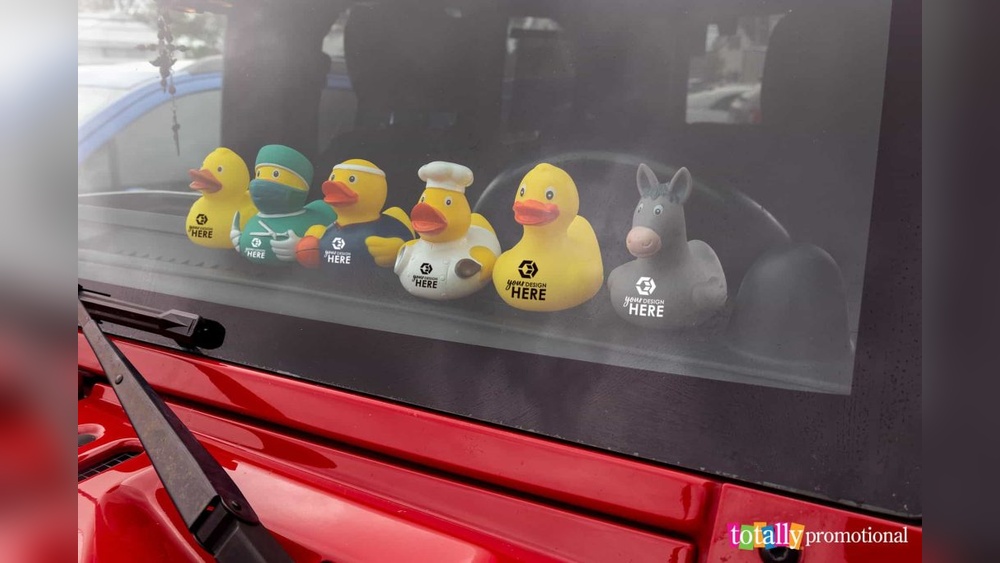
The idea was simple: bring a smile to someone’s face with a harmless surprise. Allison posted about it on social media, and the response was immediate. Jeep owners loved the concept and started copying the gesture. Within weeks, photos and stories of ducking appeared all over Facebook and Instagram, quickly crossing borders and cultures. The hashtag #DuckDuckJeep soon appeared, making it easy for Jeep fans to share and follow the trend.
How The Trend Spread Globally
The Jeep Duck trend spread thanks to a strong online community. Jeep owners are known for their loyalty and sense of belonging.
Social media helped ducks travel faster than anyone expected. People posted photos of their ducked Jeeps, shared their locations, and encouraged others to join.
Key reasons for the rapid growth:
- Easy participation: All you need is a rubber duck and a Jeep.
- Positive message: The act is about sharing kindness, not competition.
- Pandemic timing: People craved connection and smiles during isolation.
Jeep dealerships and clubs noticed and began joining the movement. Some even gave ducks to new customers.
The trend became a way to welcome newcomers and reward long-time owners. By late 2021, ducking had reached Jeep communities in Europe, Australia, and Asia.
What Makes Jeep Ducking Special?
At its core, the Jeep Duck trend is about more than just cars or toys. It reflects deeper values:
- Community: Jeep owners already wave to each other on the road. Ducking adds another layer of connection.
- Kindness: A simple duck can brighten someone’s day.
- Inclusivity: Any Jeep, old or new, can join. Model or price doesn’t matter.
The act also breaks barriers between strangers. People who might never talk now share stories and photos, building friendships worldwide.
Non-obvious Insights
- Ducks become collectibles: Some Jeepers collect rare or themed ducks, swapping them at events. Limited edition ducks or ducks from famous places are highly prized.
- Personal messages: Many ducks come with handwritten notes, jokes, or Instagram tags. This adds a personal touch and encourages continued sharing.
Jeep Ducking Vs. Other Car Culture Traditions
Jeep ducking isn’t the only tradition among car owners. But it stands out for its simplicity and warmth. Here’s how it compares to other car culture practices:
| Tradition | Main Activity | Community Aspect | Accessibility |
|---|---|---|---|
| Jeep Ducking | Placing rubber ducks | Welcoming, playful | Anyone with a Jeep |
| Muscle Car Meetups | Showcasing cars | Enthusiast-focused | Often exclusive |
| Jeep Wave | Waving on the road | Quick acknowledgment | Jeep drivers only |
Unlike formal car meets, ducking is casual and requires no planning.

Tips For Joining The Jeep Duck Trend
If you want to join in, it’s simple and fun. Here’s how you can take part:
- Buy some rubber ducks at a local store or online.
- Write a friendly note if you want—many include “You’ve been ducked!” or a social media tag.
- Place the duck on a Jeep you like (dashboard, door handle, or hood).
- Share a photo with the #DuckDuckJeep hashtag if you want to connect with others.
A few things to remember:
- Always ask before touching someone’s car if possible.
- Don’t place ducks where they might block the driver’s view.
- Respect private property and local rules.
Common Mistakes To Avoid
- Leaving ducks on non-Jeep vehicles. This confuses the tradition.
- Placing ducks where they could fall and cause litter.
- Using offensive or inappropriate notes.
Why Jeep Owners Love The Trend
Jeep drivers are known for their adventurous spirit. Ducking fits this identity perfectly.
It’s unexpected, light-hearted, and creates a story to share. Many owners display their duck collections on dashboards as trophies.
At large Jeep events, some Jeeps have dozens or even hundreds of ducks.
The trend also helps new Jeep owners feel accepted. Getting your first duck is seen as a welcome into a global family.
Jeep forums and Facebook groups now have special threads for duck stories, which helps keep the tradition alive.
Fun Facts And Surprising Data
- Over 500,000 ducks have been exchanged since 2020, according to fan estimates.
- The largest ducking event happened at the 2022 Toledo Jeep Fest, where thousands of ducks were given out in one day.
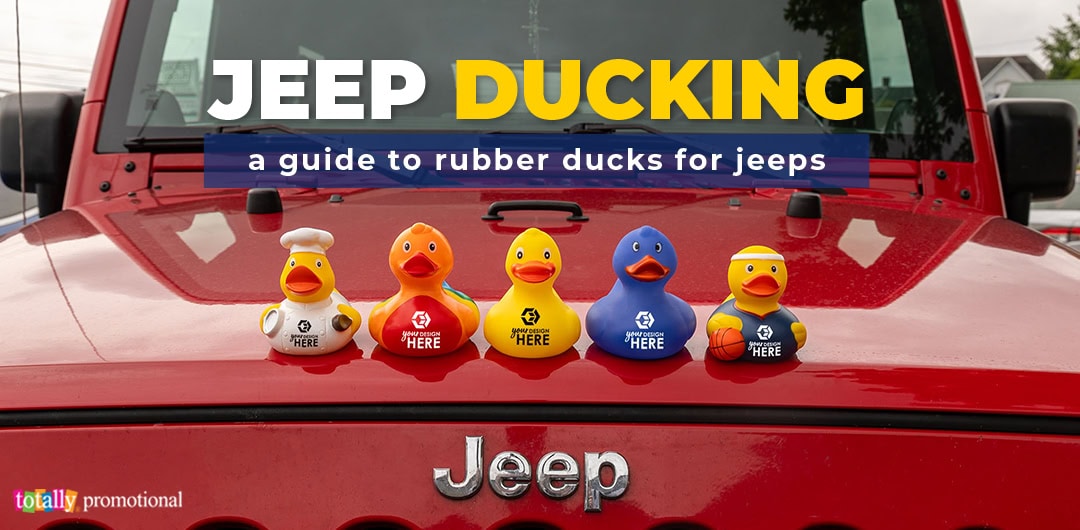
- Some custom ducks feature superhero, animal, or holiday designs.
Here’s a quick comparison of popular duck types:
| Duck Type | Theme | Popularity | Average Cost |
|---|---|---|---|
| Classic Yellow | Simple/Original | Very high | $0.50 – $1.00 |
| Superhero | Comic Characters | High | $1.00 – $2.00 |
| Holiday Ducks | Seasonal Themes | Medium | $1.50 – $3.00 |
Some drivers even personalize ducks with their Jeep’s name or a funny hat.
The Future Of The Jeep Duck Trend
Will the Jeep Duck trend last? Most signs point to yes.
The practice keeps evolving, with new themes and events each year. Jeep itself has recognized the movement, sometimes using ducks in marketing or charity efforts.
Other car communities have noticed and tried similar acts, but the duck remains tied to Jeep culture. The trend’s power comes from its simplicity and the strong bonds among Jeep drivers.
If you’re new to the Jeep world, don’t be surprised if you find a duck on your vehicle soon. It’s a cheerful reminder that a small act can create a global wave of connection.

Frequently Asked Questions
Why Do Jeep Owners Put Rubber Ducks On Each Other’s Vehicles?
Jeep owners use rubber ducks to spread kindness and build a sense of community. The act, called ducking, is meant to surprise and welcome fellow Jeep drivers.
Who Started The Jeep Duck Trend?
The trend began with Allison Parliament in Canada in 2020. After a difficult day, she placed a duck on another Jeep to spread positivity, and the idea quickly spread online.
Is Jeep Ducking Only For Certain Jeep Models?
No, all Jeep models can take part. The trend is about inclusion, not exclusivity. Whether you drive an old Wrangler or a new Grand Cherokee, you’re welcome to join.
Do Other Car Brands Have Similar Trends?
Some car groups have created similar acts, but the ducking tradition is unique to Jeep culture. No other brand has a tradition as widely recognized or embraced.
Where Can I Learn More About The Jeep Duck Trend?
You can find more history and stories on the official Duck Duck Jeep website and by reading the Wikipedia entry on Duck Duck Jeep.
Whether you’re a lifelong Jeep fan or just curious, the Jeep Duck trend shows how small actions can make a big difference in the world of cars and beyond.