In recent years, you might have seen small rubber ducks sitting on Jeep dashboards, hanging from mirrors, or tucked into door handles. This quirky trend, known as Jeep Ducking, has exploded across North America and even beyond.
But how did ducks become a Jeep thing? The answer is both simple and surprising, blending community, kindness, and a little bit of fun.
Let’s dive into how rubber ducks became a symbol among Jeep owners, why the tradition continues, and what it means for the culture of off-roading.
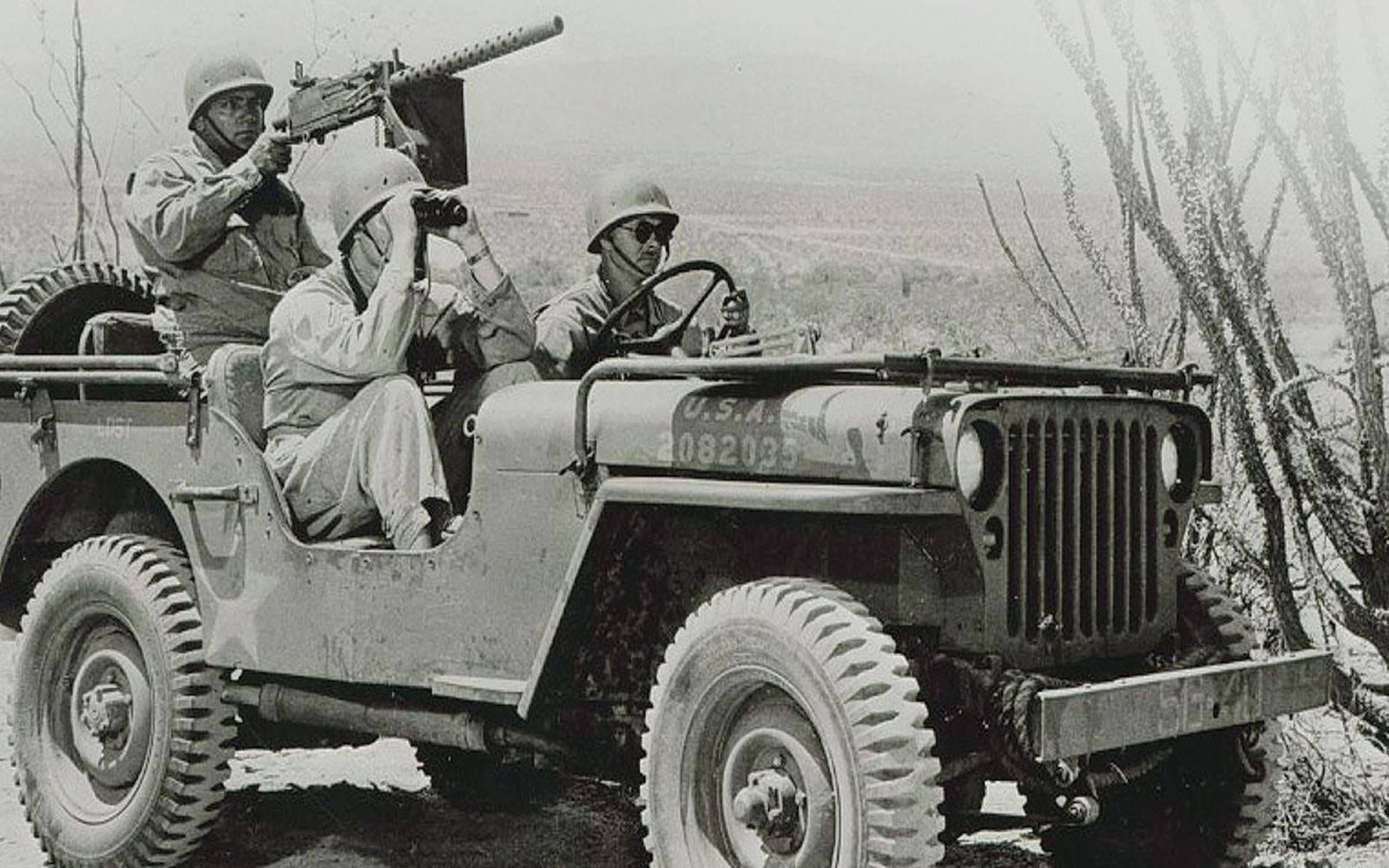
The Start Of Jeep Ducking
The story begins during the COVID-19 pandemic in 2020. Allison Parliament, a Canadian Jeep owner, was visiting Alabama when she faced a tense situation. She wanted to spread positivity, so she placed a rubber duck on another Jeep with a note saying “Nice Jeep.” This small act of kindness was quickly noticed on social media. Jeep owners loved the idea and started sharing their own ducking stories.
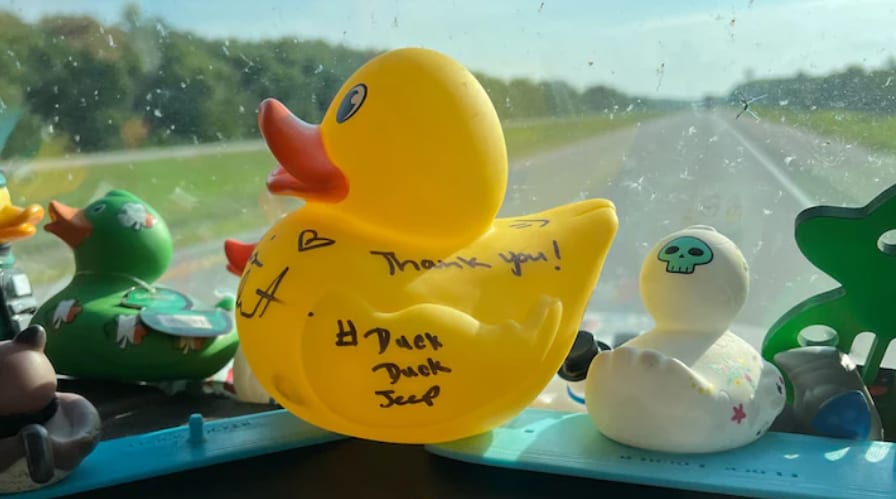
Within weeks, ducking went viral. Jeep drivers began carrying bags of rubber ducks, ready to place them on other Jeeps as a friendly gesture. By the end of 2020, the hashtag #DuckDuckJeep had thousands of posts across Instagram and Facebook. The trend continues to grow, and now you can find Jeep Ducking groups in the US, Canada, Australia, and Europe.
Why Ducks And Not Another Toy?
Rubber ducks are simple, affordable, and instantly recognizable. They don’t damage vehicles, and their bright colors stand out against Jeep paint.
But there’s more to the story. Ducks are also a symbol of playfulness and light-heartedness.
Jeep owners, known for their adventurous spirit, found ducks to be a perfect match.
Let’s compare rubber ducks with other toys and symbols used in car communities:
| Item | Car Community | Main Purpose | Popularity |
|---|---|---|---|
| Rubber Duck | Jeep | Kindness, fun | High |
| Beads | Mardi Gras | Celebration | Medium |
| Stickers | Car clubs | Identity | High |
| Stuffed Animals | Mini Cooper | Personalization | Low |
The table shows how ducks became popular because they are unique, safe, and have a friendly message. Unlike stickers or beads, ducks are not permanent and can be moved from Jeep to Jeep, spreading the kindness further.
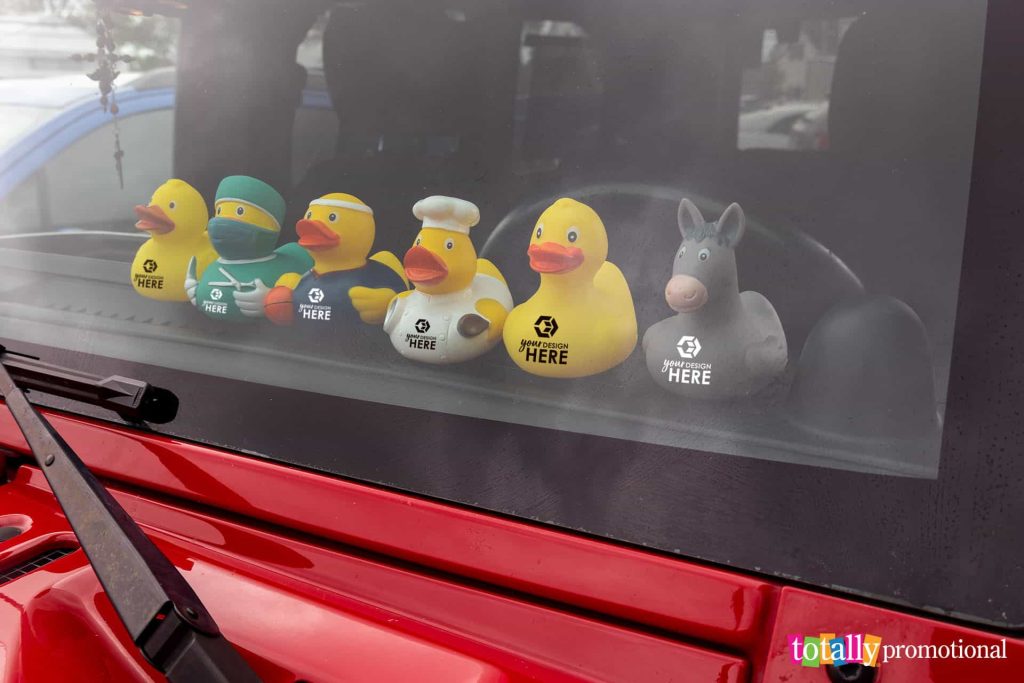
How Jeep Ducking Works
The process of Jeep Ducking is simple:
- Carry a few rubber ducks in your Jeep.
- Spot another Jeep in a parking lot or on the street.
- Place a duck on the Jeep, often on the door handle or windshield.
- Leave a note or tag with your social media or a message.
- Watch for the reaction or connect online with the Jeep owner.
Many Jeep owners collect ducks and display them proudly. Some even decorate their ducks with hats, sunglasses, or stickers. Jeep events, like Jeep Fest or local Jeep meetups, often feature duck exchanges, making ducking a social activity.
The Impact On Jeep Culture
Jeep Ducking has changed the culture in several ways. It’s not just about the ducks; it’s about building a community. Jeep owners are known for waving to each other on the road. The duck adds another layer of connection, especially for new Jeep drivers.
Here’s a look at how Jeep Ducking compares to other Jeep traditions:
| Tradition | Started | Purpose | Global Reach |
|---|---|---|---|
| Jeep Wave | 1940s | Respect | High |
| Duck Duck Jeep | 2020 | Kindness | Growing |
| Off-road Badges | 2000s | Achievement | Medium |
The tradition has also made Jeep events more exciting. At the Toledo Jeep Fest in Ohio, thousands of ducks are exchanged each year. According to event organizers, ducking has helped increase attendance and create lasting friendships.

Most people see Jeep Ducking as just a fun activity, but there are hidden benefits:
- Mental health boost: Receiving a duck can brighten someone’s day, especially if they’re feeling stressed.
- Networking: Jeep owners use ducking to meet new people and share off-roading tips.
- Inclusiveness: Ducking is open to all Jeep models, not just Wranglers or Cherokees.
A surprising insight is that Jeep Ducking has become a way to spot fellow enthusiasts when traveling. Many Jeep owners use ducks as a conversation starter, leading to road trip advice, trail recommendations, or even emergency help.
What Makes Ducking Unique Among Car Communities
While other car groups have their own symbols, Jeep Ducking stands out. It is spontaneous, requires no membership, and welcomes everyone.
The tradition has even inspired charities; some groups donate ducks to hospitals or schools. Jeep Ducking is not controlled by a brand or club.
It is powered by the owners themselves.
Let’s look at some numbers:
- Over 250,000 ducks have been exchanged in North America since 2020.
- The hashtag #DuckDuckJeep has been used more than 100,000 times online.
- Jeep Ducking groups on Facebook have 50,000+ members worldwide.
Frequently Asked Questions
Why Do Jeep Owners Use Rubber Ducks?
Jeep owners use rubber ducks to show kindness, connect with other Jeep enthusiasts, and build community. Ducks are easy to spot, affordable, and carry a friendly message.
Do All Jeep Models Take Part In Ducking?
Yes, all Jeep models can be ducked. While Wranglers are the most common, you might see ducks on Cherokees, Renegades, and even older Jeeps.
How Did Jeep Ducking Start?
The tradition began in 2020 when Allison Parliament left a duck on a Jeep to spread positivity. It went viral on social media, and Jeep owners across the world joined in.
Is Jeep Ducking Only In The Us And Canada?
No, Jeep Ducking has spread worldwide. You’ll find ducking groups in Australia, Europe, and South America. The trend is growing each year.
Where Can I Learn More About Jeep Ducking?
You can visit Wikipedia’s Jeep page for more on Jeep history and culture.
Jeep Ducking is more than just a trend; it’s a symbol of friendliness and adventure. Next time you see a rubber duck on a Jeep, remember it’s a sign that someone wanted to make your day a little brighter.