The 1981 Jeep CJ7 stands as a rugged icon, a testament to a simpler era of off-roading where capability and straightforward mechanics reigned supreme. For enthusiasts who cherish these vintage Jeeps, maintaining them in peak condition is paramount.
Among the crucial components ensuring a smooth and safe ride, the front inner wheel bearing plays a vital, though often overlooked, role. This bearing is responsible for supporting the vehicle's weight and allowing the front wheels to rotate freely, directly impacting steering, braking, and overall drivability.
Understanding the intricacies of the front inner wheel bearing on your 1981 CJ7 is essential for proactive maintenance and timely repairs. Neglecting its condition can lead to premature wear, reduced performance, and potentially dangerous situations.
This comprehensive guide will explore everything you need to know about the front inner wheel bearing for this specific model, from its function and common failure signs to replacement procedures and preventative measures, ensuring your classic Jeep continues to conquer trails and roads for years to come.
Key Takeaways
- The front inner wheel bearing on a 1981 Jeep CJ7 is critical for wheel rotation, supporting vehicle weight, and enabling smooth steering and braking.
- Common signs of a failing inner wheel bearing include grinding noises, humming sounds, wheel play, and potential steering difficulties.
- Diagnosis involves listening for sounds, checking for play in the wheel assembly, and inspecting the bearing for signs of wear or damage.
- Replacing the front inner wheel bearing is a moderately complex task requiring specific tools and mechanical knowledge, often involving disassembly of the hub and brake components.
- Using high-quality replacement parts and proper lubrication are essential for bearing longevity.
- Regular inspection and maintenance, especially after off-roading, can significantly extend the life of the wheel bearings.
Understanding The Front Inner Wheel Bearing In Your 1981 Jeep Cj7
The front wheel bearing assembly on a 1981 Jeep CJ7 is a critical component that allows the front wheels to rotate with minimal friction while supporting the weight of the vehicle. For this particular model, which features a solid front axle, the wheel bearing setup is robust but requires specific attention.
The inner wheel bearing, situated closer to the differential on the axle shaft, works in conjunction with an outer wheel bearing. Together, they manage the significant forces encountered during driving, especially during off-road excursions which are the hallmark of the CJ7.
Function And Importance
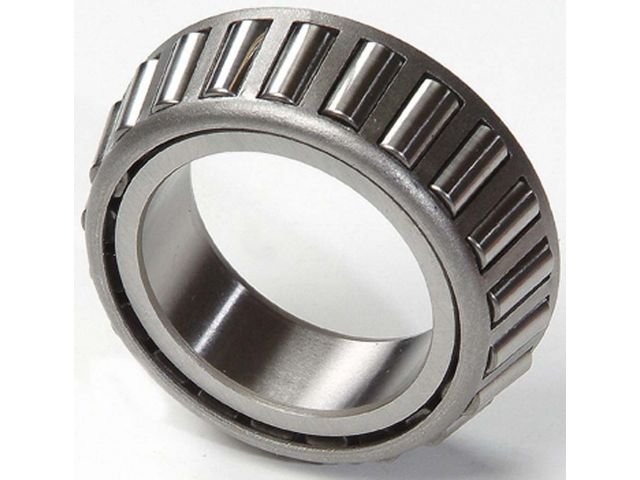
The primary function of the front inner wheel bearing is to facilitate the smooth rotation of the wheel hub and axle assembly. It consists of precision-engineered steel balls or rollers housed within races.
These elements roll between the inner and outer races, allowing the hub to spin freely around the axle spindle.
The bearing must withstand immense radial (downward) and axial (sideways) loads.
For the 1981 CJ7, the front axle is a Dana 30, a well-regarded unit for its strength. The inner wheel bearing on this setup is crucial for:
- Supporting Vehicle Weight: It bears a significant portion of the Jeep’s front-end weight.
- Enabling Rotation: It allows the wheels to spin freely, essential for movement.
- Maintaining Wheel Alignment: A properly functioning bearing contributes to correct wheel alignment and stability.
- Reducing Friction: It minimizes rotational resistance, improving fuel efficiency and performance.
- Transmitting Power (Indirectly): While the axle shaft transmits power, the bearing allows the wheel to rotate with that transmitted power.
Components Of The Front Wheel Bearing Assembly
The front wheel bearing assembly on a 1981 Jeep CJ7 is not a single unit but a system. The inner wheel bearing is one part of this system, which typically includes:
- Inner Wheel Bearing: Located closest to the differential on the axle shaft.
- Inner Wheel Bearing Cup (Race): The stationary outer ring that houses the inner bearing rollers/balls.
- Outer Wheel Bearing: Located further out on the spindle, closer to the wheel hub.
- Outer Wheel Bearing Cup (Race): The stationary outer ring for the outer bearing.
- Wheel Seal: A critical component that keeps grease inside the bearing assembly and prevents dirt, water, and debris from entering.
- Spindle Nut(s) and Lock Washer: These secure the wheel hub assembly to the spindle and maintain proper bearing preload.
- Hub Assembly: The component to which the wheel is attached.
The inner bearing is particularly important because it often carries a greater load and is more exposed to contaminants if the seal fails. Its integrity directly impacts the lifespan of the entire hub assembly.
Diagnosing A Failing Front Inner Wheel Bearing
Recognizing the symptoms of a worn or failing front inner wheel bearing is crucial for preventing more significant damage and ensuring safety. These bearings don't typically fail suddenly; they usually exhibit progressive signs.
Early detection allows for a less complicated and less costly repair.
Common Signs And Symptoms
Several auditory and tactile cues can indicate a problem with the front inner wheel bearing:
- Grinding or Growling Noise: This is often the most noticeable symptom. As the bearing wears, the metal-on-metal contact between the rollers/balls and the races creates a distinct grinding or growling sound. This noise typically intensifies with speed and may change pitch or volume when turning.
- Humming or Whirring Sound: A less severe stage of wear might produce a humming or whirring noise that increases with vehicle speed. This sound can sometimes be mistaken for tire noise, but it will often change when turning the steering wheel slightly.
- Wheel Play or Looseness: With the Jeep jacked up and the wheels off the ground, grasping the tire at the top and bottom and attempting to rock it can reveal looseness. If there is significant play or a clunking sensation, the wheel bearings (inner or outer) are likely worn.
- Steering Issues: A severely worn bearing can lead to vague steering feel or a tendency for the vehicle to pull to one side, especially under braking.
- Overheating: In advanced stages, a failing bearing can generate significant heat due to friction. While difficult to detect without specialized tools, a wheel that feels excessively hot after a short drive can be a warning sign.
- ABS or Speed Sensor Malfunction (if applicable): While the 1981 CJ7 typically predates advanced ABS systems that directly integrate with wheel bearings in modern vehicles, any looseness or wobble can affect the proper functioning of any speed sensors if they are present on later models or aftermarket installations.
Diagnostic Steps
A systematic approach can help pinpoint a faulty front inner wheel bearing:
- Listen Carefully: Pay attention to any unusual noises while driving. Try to isolate the sound’s origin (front vs. rear, left vs. right). Note if the noise changes with speed or turning.
- Visual Inspection: With the Jeep safely supported on jack stands, remove the wheel. Inspect the brake components (rotor, caliper, pads) for any signs of grease leakage, which could indicate a failed wheel seal. Look for any discoloration on the hub or spindle that might suggest overheating.
- Check for Play: With the wheel removed, grasp the steering knuckle or spindle. If you have a dial indicator, you can measure play precisely. Otherwise, use a pry bar between the spindle and the hub to detect any looseness. Rocking the hub assembly by hand can also reveal roughness or grinding.
- Spin the Hub: Rotate the hub by hand. Feel for any roughness, binding, or catching. A smooth, quiet rotation is ideal. Any grit or resistance is a bad sign.
- Inspect the Seal: Carefully pry out the wheel seal. Examine the bearing itself for signs of discoloration (blueing from heat), pitting, or damage to the rollers or races. Check the seal lip for tears or hardening.
Pro Tip: Differentiating between inner and outer wheel bearing noise can be challenging. Often, a worn outer bearing makes noise when the wheel is under a load (e.g., turning), while an inner bearing might be noisy under deceleration or straight-line driving. However, significant wear in either bearing can affect the entire assembly.
Replacing The Front Inner Wheel Bearing: A Step-by-step Guide
Replacing the front inner wheel bearing on a 1981 Jeep CJ7 is a task that requires mechanical aptitude, patience, and the correct tools. It involves disassembling the wheel hub and axle components.
If you are not comfortable with this level of repair, it is best to seek professional assistance.
Tools And Parts Needed
Before starting, gather all necessary tools and parts:
Tools:
- Jack and jack stands
- Lug wrench
- Socket set (metric and standard, including deep sockets)
- Wrench set
- Torque wrench
- Breaker bar
- Hammer (rubber and metal)
- Pry bars
- Brake cleaner
- Grease gun and appropriate wheel bearing grease (high-temperature, lithium-based)
- Wheel seal driver set or appropriate sized sockets/pipe
- Bearing puller/installer (optional, but highly recommended for races)
- Wire brush
- Safety glasses and gloves
Parts:
- New inner and outer wheel bearings (Timken, National, or SKF are reputable brands)
- New wheel seal
- New spindle nut, washer, and cotter pin (or castle nut if applicable)
- Brake cleaner and rags
Removal Process
- Safety First: Park the Jeep on a level surface, engage the parking brake, and block the rear wheels. Loosen the lug nuts on the front wheel you’ll be working on.
- Jack Up the Vehicle: Safely jack up the front of the Jeep and support it with jack stands under the frame or axle. Remove the front wheel.
- Remove Brake Components: Depending on your CJ7’s brake setup (drum or disc), you’ll need to remove the brake drum or caliper and rotor.
- For Disc Brakes: Remove the caliper bolts, slide the caliper off the rotor, and suspend it out of the way with a wire or bungee cord. Remove the brake rotor.
- For Drum Brakes: Remove the drum. You may need to retract the brake shoes slightly using a brake adjustment tool or screwdriver.
- Access the Hub: Remove the dust cap from the wheel hub. You’ll then see the spindle nut, washer, and outer wheel bearing. Remove the cotter pin and unscrew the castle nut.
- Remove Hub Assembly: Carefully slide the hub assembly off the spindle. The outer wheel bearing will come out with it.
- Remove Seal and Inner Bearing: With the hub assembly on your workbench, use a pry bar or seal driver to carefully remove the old wheel seal. Then, push or tap out the inner wheel bearing from the rear of the hub.
- Remove Bearing Races: The bearing races (cups) are pressed into the hub. If they are damaged or if you are replacing them as a preventative measure, they need to be removed. This can be done using a bearing separator tool or by carefully tapping them out with a brass punch, working around the circumference. Be cautious not to damage the hub itself.
Installation Process
- Clean and Inspect: Thoroughly clean the hub, spindle, and all related components with brake cleaner. Inspect the spindle for any scoring or damage. Inspect the hub for cracks or damage.
- Install New Races: If you removed the old bearing races, carefully install the new ones. Use a bearing race installer tool or a correctly sized socket and a hammer to tap them in evenly until they are fully seated. Ensure they are perfectly square.
- Pack Bearings: This is a critical step. Thoroughly pack the new inner and outer wheel bearings with high-temperature wheel bearing grease. Work the grease into the rollers and cage until it is evenly distributed. There should be no air pockets.
- Install Inner Bearing and Seal: Place the greased inner wheel bearing into its race in the hub. Install the new wheel seal over the inner bearing, ensuring it is perfectly square and seated firmly. Use a seal driver or a socket of the correct size to tap it in until it is flush.
- Reinstall Hub Assembly: Carefully slide the hub assembly back onto the spindle. Ensure the inner bearing and seal are not damaged during this process.
- Install Outer Bearing and Nut: Place the greased outer wheel bearing into its race. Install the washer and then the spindle nut. Tighten the spindle nut while rotating the hub to seat the bearings.
- Set Bearing Preload: This is crucial for bearing life. Tighten the spindle nut to about 15-20 ft-lbs while rotating the hub to seat the bearings. Then, back off the nut until the first hole aligns with the cotter pin slot. Insert a new cotter pin and bend the ends to secure it. The wheel should spin freely with minimal perceptible play. Some manufacturers recommend a specific preload procedure, so consult your Jeep service manual if unsure.
- Reassemble Brakes: Reinstall the brake rotor, caliper, or drum. Ensure all brake components are correctly positioned and secured.
- Reinstall Wheel: Mount the wheel and tighten the lug nuts to the manufacturer’s specified torque.
- Final Checks: Lower the Jeep. Re-torque the lug nuts. Spin the wheel to ensure it rotates freely. Take the Jeep for a short test drive at low speed, listening for any unusual noises. After the test drive, re-check lug nut torque.
Warning: Incorrectly setting the bearing preload can lead to premature bearing failure. Too tight, and it will overheat and wear quickly. Too loose, and you’ll experience excessive play and potential damage.
Maintaining Your Front Inner Wheel Bearings For Longevity
Proactive maintenance is key to ensuring the longevity of the front inner wheel bearings on your 1981 Jeep CJ7. These bearings are subjected to harsh conditions, especially if you engage in off-roading.
Regular checks and proper lubrication can prevent costly repairs and keep your Jeep reliable.
Lubrication Schedule And Best Practices
The wheel bearings on your CJ7 are typically packed with grease and protected by a seal. Unlike modern sealed-for-life bearings, these are designed for periodic greasing.
- Frequency: A good rule of thumb is to inspect and potentially re-grease wheel bearings every 12,000 to 15,000 miles, or annually, whichever comes first. However, if you frequently drive in water, mud, or dust, you should inspect them much more often, perhaps every oil change or after significant off-road excursions.
- Type of Grease: Always use a high-quality, high-temperature, multi-purpose lithium-based wheel bearing grease. This type of grease is formulated to withstand the extreme temperatures and pressures experienced by wheel bearings. Avoid generic greases.
- Packing Method: The best method is to remove the hub assembly, clean out the old grease, inspect the bearings and seal, and then hand-pack the new grease into the bearing. Work the grease thoroughly into the rollers and cage until it’s evenly distributed and there are no voids. Ensure the seal is also properly greased before installation.
- Seal Integrity: The wheel seal is your primary defense against contamination. Always inspect the seal for damage or hardening during bearing service. If the seal is compromised, dirt and water can quickly destroy the bearings. Replace the seal every time you service the bearings.
Regular Inspections
Beyond scheduled lubrication, regular visual and tactile inspections are vital:
- After Off-Roading: After driving through deep water, mud, or dusty conditions, it’s wise to check your wheel bearings. Jack up the front wheels and spin them. Listen for any new noises and check for excessive play. If you suspect water intrusion, it’s best to pull the hub, clean, and re-grease the bearings.
- During Brake Service: Whenever you service your brakes, take the opportunity to inspect the wheel bearings and seals. It’s a minimal extra effort that can save significant trouble down the line.
- Listen for Changes: Be attuned to any new sounds coming from the front end. A slight hum or grind that wasn’t there before is a warning sign.
Choosing Quality Replacement Parts
When it comes time to replace your bearings, investing in high-quality parts is crucial.
- Reputable Brands: Stick to well-known brands like Timken, National, SKF, or Koyo. These manufacturers have a reputation for producing durable bearings that meet or exceed OEM specifications.
- Avoid Cheap Imports: While tempting, extremely cheap bearings often lack the proper heat treatment, material quality, or precision manufacturing, leading to premature failure.
- Complete Kits: Consider purchasing complete bearing and seal kits. These often include the correct inner and outer bearings, seals, and sometimes the necessary hardware, ensuring compatibility.
By following these maintenance practices, you can significantly extend the life of your front inner wheel bearings and ensure your 1981 Jeep CJ7 remains a capable and reliable off-roader.
Comparing Wheel Bearing Options For Your 1981 Jeep Cj7
While the fundamental design of the front inner wheel bearing for a 1981 Jeep CJ7 remains consistent, there are variations in brands and types that can affect performance and longevity. Understanding these differences can help you make an informed decision when purchasing replacement parts.
Key Brands And Their Offerings
Several reputable manufacturers produce wheel bearings for classic Jeeps like the CJ7. Here’s a look at some popular choices:
- Timken: Often considered the gold standard, Timken bearings are known for their exceptional durability and precision. They are manufactured using high-quality steel and undergo rigorous testing. Many consider Timken bearings to be the best option for heavy-duty applications like off-roading.
- National: National is another well-respected brand that offers reliable wheel bearings. They provide good performance and longevity at a competitive price point. Their bearings are a solid choice for daily drivers and moderate off-road use.
- SKF: SKF is a global leader in bearing technology and produces high-quality wheel bearings that offer excellent performance and durability. They are a strong contender for those seeking a balance of quality and value.
- Koyo: Koyo is a Japanese manufacturer known for its precision engineering. Their bearings are often used as original equipment and offer excellent performance, though they might be less commonly available than Timken or National in some markets.
Bearing Type: Tapered Roller Vs. Ball Bearing
The wheel bearings used in the 1981 Jeep CJ7’s Dana 30 front axle are tapered roller bearings. This design is ideal for the combined radial and axial loads experienced by a solid front axle.
- Tapered Roller Bearings: These bearings use tapered rollers that run between two tapered races. This design allows them to handle significant thrust (axial) loads in addition to radial loads. They are also excellent at distributing load over a larger contact area, which enhances durability. The inner and outer bearings on the CJ7’s front axle are both tapered roller bearings, working together to support the hub.
- Ball Bearings: While common in many automotive applications (like front-wheel-drive hubs or trailer axles), traditional deep-groove ball bearings are less suited for the high thrust loads and rugged conditions of a solid front axle like the CJ7’s. They are primarily designed for radial loads, though some designs can handle moderate thrust.
For the 1981 Jeep CJ7, you will be replacing tapered roller bearings with other tapered roller bearings. The primary difference between brands will be in the quality of materials, manufacturing tolerances, and heat treatment processes, all of which contribute to the bearing’s lifespan and performance under stress.
Considerations For Off-road Use
If your CJ7 is primarily used for off-roading, consider these factors when choosing bearings:
- Material Quality: Higher quality steel and superior heat treatment contribute to bearings that resist pitting and deformation under extreme shock loads common in off-roading.
- Seal Compatibility: Ensure the replacement bearings are compatible with your existing or a high-quality aftermarket seal. A robust seal is critical for keeping contaminants out in harsh environments.
- Grease Compatibility: Always use a high-temperature, extreme-pressure grease. Some high-performance greases offer enhanced water washout resistance and extreme pressure additives, which can be beneficial for off-road applications.
Here’s a table summarizing some popular brands and their general characteristics:
| Brand | Typical Use Case | Estimated Lifespan (under normal conditions) | Price Range (per bearing set) | Notes |
|---|---|---|---|---|
| Timken | Heavy Duty, Off-Road, Daily Driver | Excellent | $$$ | Top-tier quality, highly durable, excellent for demanding use. |
| National | Daily Driver, Moderate Off-Road | Good | $$ | Reliable performance, good value for money. |
| SKF | Daily Driver, Performance | Very Good | $$ | High-quality manufacturing, good balance of performance and price. |
| Koyo | Performance, OEM Replacement | Very Good | $$ – $$$ | Precision engineered, often found in OEM applications. |
*Price Range: $ (Budget-friendly), $$ (Mid-range), $$$ (Premium)*
When selecting parts, always verify the part number for your specific 1981 Jeep CJ7 application, as there can be variations