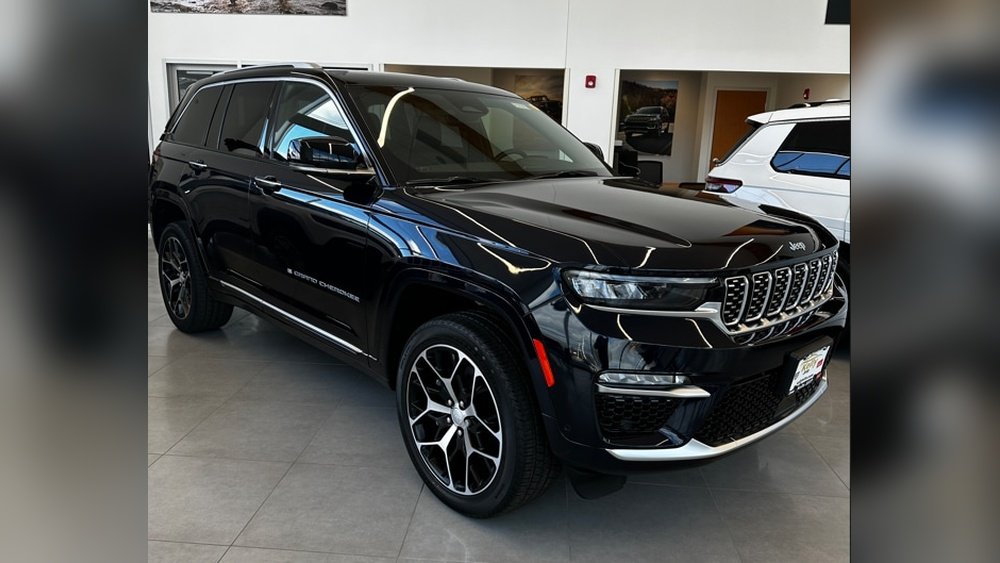
Jeep is one of the most recognizable brands in the automotive world. Known for its rugged vehicles and adventurous spirit, Jeep has a strong global presence.
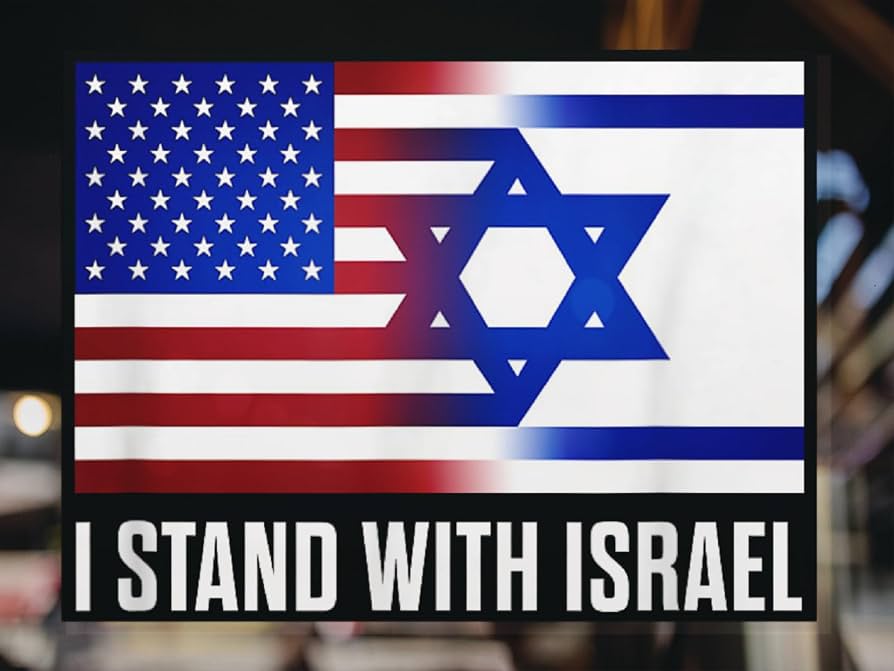
With recent world events and rising interest in corporate positions on political issues, many people are asking: Does Jeep support Israel? This question is not simple to answer.
It involves looking at Jeep’s business activity, public statements, and supply chain connections. Let’s explore the facts and clear up common misunderstandings.

Jeep’s Global Business And Presence In Israel
Jeep is owned by Stellantis, a major multinational car company headquartered in the Netherlands. Stellantis manages brands like Jeep, Fiat, Chrysler, Peugeot, and Dodge. Jeep vehicles are sold in over 100 countries, including Israel.
In Israel, Jeep has a strong market presence. Its SUVs are popular for both city driving and off-road adventures.
The brand is represented by local distributors who handle sales, service, and marketing.
| Country | Jeep Market Share (%) | Distribution Method |
|---|---|---|
| United States | 7.5 | Direct Dealers |
| Israel | 2.1 | Local Importer |
| Germany | 1.8 | Direct Dealers |
Jeep’s presence in Israel is similar to its presence in other countries. It operates through partnerships, not through a unique support program or special investment.
Official Statements And Corporate Policies
Jeep and Stellantis do not usually make public statements about political issues. Their focus is on vehicle sales, innovation, and customer satisfaction. There is no official record of Jeep expressing direct support or opposition to Israel in press releases, social media, or annual reports.
Many large companies avoid taking sides in international conflicts. Stellantis, like most car brands, maintains a neutral public position.
If Jeep had made a statement supporting Israel, it would likely appear in major news outlets or on the company’s official website.
No such evidence exists.
Jeep’s Supply Chain And Manufacturing
Jeep vehicles are manufactured in different countries. The supply chain includes parts from the US, Europe, and Asia.
Some parts may come from Israeli suppliers, but this is not unique to Jeep. It is common for global car brands to have a diverse supply chain.
| Component | Origin | Used in Jeep Models |
|---|---|---|
| Electronic Sensors | US, Germany, Israel | Cherokee, Wrangler |
| Engine Parts | Italy, Mexico | Renegade |
| Infotainment Systems | Japan, Israel | Compass, Grand Cherokee |
Some Israeli technology companies supply parts for cars worldwide. However, this does not mean Jeep has a political stance. It’s simply part of modern manufacturing.
Military And Government Contracts
Jeep’s history includes military contracts, especially during World War II. Today, Jeep does not directly supply vehicles to the Israeli Defense Forces (IDF). The Israeli army uses a mix of vehicles, including locally produced models and international brands.
| Vehicle Type | Used by IDF? | Brand Origin |
|---|---|---|
| Jeep Wrangler | No | USA |
| Humvee | Yes | USA |
| Storm (Sufa) | Yes | Israel |
The IDF prefers vehicles designed for military needs, not consumer SUVs. Jeep’s activity in Israel is focused on civilian use.
Consumer Activism And Brand Perception
Some groups call for boycotts of brands based on their presence in certain countries. Jeep is sometimes mentioned, but there is no clear evidence linking Jeep to political support of Israel.
Most claims are based on the fact that Jeep sells vehicles in Israel, not on direct support.
A key insight: Selling products in a country does not always mean political support. Many brands operate in Israel, Palestine, and other regions without taking sides. Jeep’s main goal is business growth, not activism.
Two Insights Beginners Miss
- Neutral Business Practices: Many assume that a company’s presence in a country means political support. In reality, brands like Jeep operate globally to reach customers, not to support governments.
- Supply Chain Complexity: Some people focus on single suppliers. The truth is, a modern car contains parts from dozens of countries. Jeep’s supply chain includes Israel, but also many other nations.

What Does “support” Really Mean?
Support can mean many things: direct funding, public statements, donations, or simply selling products. With Jeep, there is no evidence of direct support beyond business operations. Jeep does not donate to Israeli causes, nor does it campaign for political issues.
If you see claims online, check the source. Misinformation spreads quickly, especially about global brands. Reliable information comes from official company statements and respected news outlets. For a deeper look into Jeep’s global operations, see this Wikipedia article.
Frequently Asked Questions
Is Jeep Owned By An Israeli Company?
No, Jeep is owned by Stellantis, a European company. Stellantis has no Israeli ownership or controlling interest.
Does Jeep Donate To Israeli Causes?
There is no public record of Jeep or Stellantis donating to Israeli charities or political groups. Their focus is business, not philanthropy in Israel.
Does Jeep Supply Vehicles To The Israeli Military?
Jeep does not supply vehicles directly to the Israeli Defense Forces. The IDF uses other brands for most military vehicles.
Is Jeep’s Supply Chain Connected To Israel?
Some parts may come from Israeli technology companies, but Jeep’s supply chain is global. This is common for many car brands.
Why Do Some People Say Jeep Supports Israel?
Mostly because Jeep sells vehicles in Israel. Selling products does not mean political support. Jeep has not made statements supporting Israel.
Jeep’s activity in Israel is based on business, not politics. If you’re interested in Jeep’s position, look at their official statements and business practices.
It’s important to check facts and avoid assumptions. For now, Jeep operates in Israel like it does in many other countries as a car brand, not a political actor.