The 2012 Jeep Wrangler 3. 6L Pentastar engine brought significant improvements in power and efficiency over its predecessors, and understanding its serpentine belt system is crucial for maintenance and troubleshooting.
This belt is the workhorse that drives many essential accessories, from the alternator to the power steering pump. A properly functioning belt ensures your Wrangler runs smoothly, while a worn or damaged one can lead to a cascade of problems, leaving you stranded.
This guide will provide a comprehensive look at the 2012 Jeep Wrangler 3. 6 belt diagram, explaining its components, routing, common issues, and maintenance tips.
The 3.6L Pentastar V6 engine introduced in the 2012 model year marked a substantial upgrade for the Jeep Wrangler. This engine, known for its improved horsepower and torque, relies on a single, multi-ribbed serpentine belt to power various accessories. Unlike older V-belt systems that used multiple belts, the serpentine belt is a single, continuous loop that snakes around several pulleys. This design is more efficient, taking up less space and generally being more reliable. However, it also means that a failure in one part of the belt or one of its tensioners can disable multiple systems simultaneously. Therefore, a clear understanding of the belt’s path and the function of each component it drives is vital for any Wrangler owner.
Understanding The 2012 Jeep Wrangler 3.6 Serpentine Belt System
The serpentine belt system in your 2012 Jeep Wrangler 3. 6L is a marvel of engineering, designed to efficiently power multiple accessories with a single belt.
This system is driven by the rotation of the engine's crankshaft. As the crankshaft turns, it spins a pulley, which in turn rotates the serpentine belt.
The belt then transfers this rotational energy to other pulleys, each connected to a specific accessory. The tensioner pulley is a critical component, as it maintains the correct tension on the belt, ensuring it doesn’t slip or come off.
Key Components Of The Serpentine Belt System
The serpentine belt system comprises several key parts, each playing a vital role in its operation. Understanding these components is the first step toward effective maintenance.
- Serpentine Belt: This is the main component, a long, ribbed rubber belt that wraps around the various pulleys. It’s designed to be durable and flexible, capable of withstanding the heat and stress of engine operation. The ribs on the belt grip the grooves on the pulleys, preventing slippage.
- Crankshaft Pulley: Located at the front of the engine, this pulley is directly connected to the crankshaft. It’s the primary driver of the serpentine belt, receiving rotational energy directly from the engine’s rotation.
- Alternator Pulley: This pulley drives the alternator, which generates electrical power to charge the battery and run the vehicle’s electrical systems. If the belt slips on this pulley, the battery will not charge, and warning lights will illuminate on the dashboard.
- Power Steering Pump Pulley: On models equipped with hydraulic power steering, this pulley drives the power steering pump. A properly functioning pump provides hydraulic assistance to make steering easier. If the belt fails or slips here, steering will become very heavy.
- Water Pump Pulley: This pulley drives the water pump, which circulates coolant through the engine and radiator to prevent overheating. A non-functioning water pump will quickly lead to engine overheating, which can cause severe damage.
- AC Compressor Pulley: This pulley engages the air conditioning compressor. When the AC is turned on, this pulley engages, allowing the compressor to circulate refrigerant and cool the cabin. If the belt is damaged, the AC system will not work.
- Tensioner Pulley: This is a crucial component that applies constant pressure to the serpentine belt, keeping it taut. A spring-loaded or hydraulic tensioner ensures optimal belt tension even as the belt heats up and expands or cools and contracts. A failing tensioner can lead to belt slippage or premature belt wear.
- Idler Pulley(s): These pulleys are used to redirect the belt or provide additional wrap around other pulleys for better grip. They do not drive any accessories but are essential for maintaining the correct belt path and tension.
The Serpentine Belt Routing For The 2012 Jeep Wrangler 3.6l
The exact routing of the serpentine belt is critical for the system to function correctly. A visual diagram is the best way to understand this, but a textual description can help.
The belt typically starts at the crankshaft pulley, then snakes around the other pulleys in a specific sequence.
The tensioner pulley is usually the last point of contact before the belt returns to the crankshaft pulley, maintaining tension throughout the circuit.
Pro Tip: Always refer to a specific belt routing diagram for your 2012 Jeep Wrangler 3.6L, as slight variations can exist based on specific options or model year updates. These diagrams are often found in the vehicle’s owner’s manual, on a sticker under the hood, or in service manuals.
The typical routing involves the belt engaging with the following pulleys in a sequence that ensures all accessories are driven efficiently:
- Crankshaft Pulley
- Power Steering Pump Pulley
- Alternator Pulley
- Water Pump Pulley
- AC Compressor Pulley
- Tensioner Pulley
The precise order can vary, but the principle remains the same: the belt must follow a path that allows it to wrap around each driven pulley adequately.
Common Problems With The 2012 Jeep Wrangler 3.6 Serpentine Belt
Like any rubber component exposed to heat, friction, and constant stress, the serpentine belt and its associated tensioners and pulleys can wear out or fail. Recognizing the signs of a problem can save you from a breakdown.
Signs Of A Failing Serpentine Belt
A worn or damaged serpentine belt will often exhibit several tell-tale signs. Ignoring these can lead to more significant issues.
- Squealing Noise: A high-pitched squealing or chirping sound, especially noticeable on startup or when accelerating, is often the first indication of a slipping belt. This can be due to a worn belt, a loose belt (faulty tensioner), or contamination (oil or coolant) on the belt or pulleys.
- Cracks and Fraying: Visually inspecting the belt for cracks, fraying, or glazing (a shiny, hardened surface) is essential. These are signs of age and wear, indicating the belt is nearing the end of its service life and is at risk of breaking.
- Missing Ribs: The ribbed surface of the belt is crucial for grip. If ribs are missing, torn, or damaged, the belt’s ability to drive the pulleys effectively is compromised, leading to slippage and noise.
- Accessory Malfunction: If one or more accessories suddenly stop working (e.g., power steering loss, no charging from the alternator, AC not blowing cold), it could be due to a broken belt or severe slippage.
Issues With Tensioners And Pulleys
It’s not just the belt itself that can cause problems. The tensioner and idler pulleys are also common failure points.
- Faulty Tensioner: A weak or failing tensioner will not maintain adequate belt tension. This leads to belt slippage, noise, and premature wear. You might notice the belt flapping or seeming loose. Conversely, an overly tight belt from a faulty tensioner can cause premature wear on the belt and bearings in the accessories.
- Worn Pulley Bearings: The bearings inside the tensioner and idler pulleys can wear out over time. This typically manifests as a grinding, rumbling, or whining noise that changes with engine speed. If a pulley bearing seizes, it can shred the belt instantly.
- Misaligned Pulleys: If a pulley becomes misaligned due to a bent bracket or improper installation, it will cause the belt to run crooked, leading to rapid wear and potential de-railing.
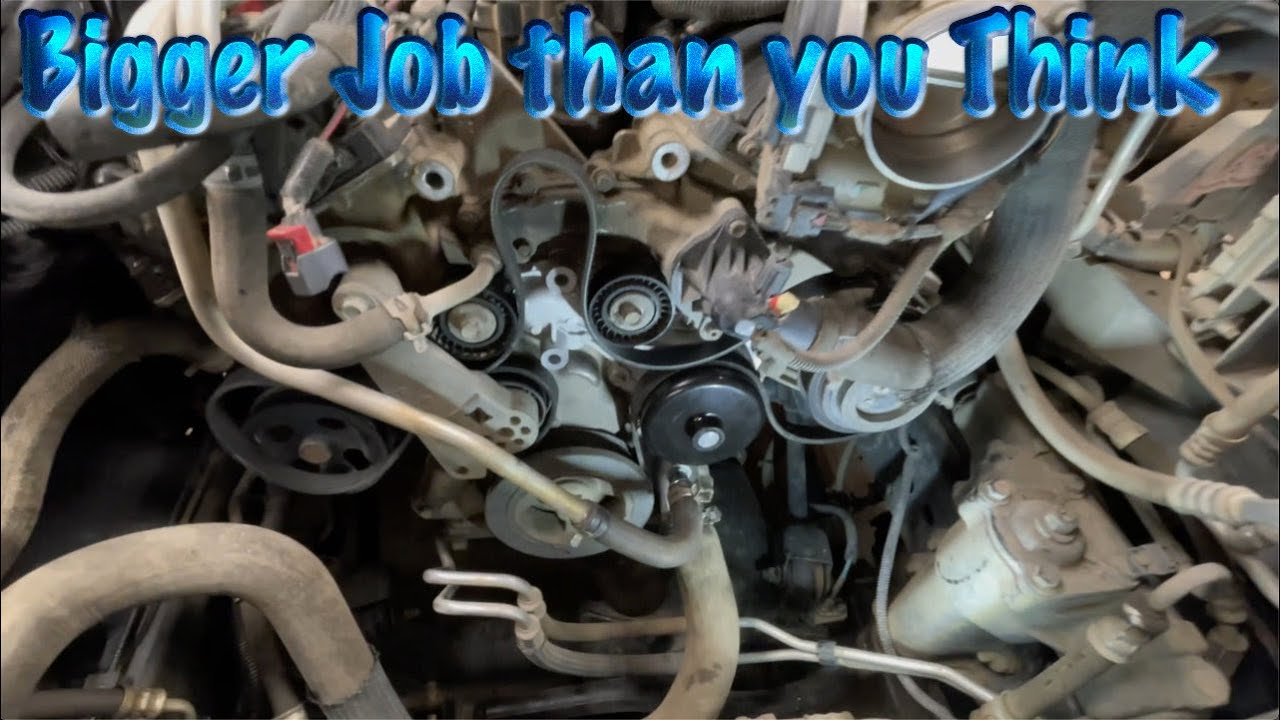
Credit: www.youtube.com
Maintenance And Replacement Of The Serpentine Belt
Regular maintenance and timely replacement of the serpentine belt are key to preventing unexpected breakdowns.
When To Replace The Serpentine Belt
The lifespan of a serpentine belt varies depending on driving conditions, climate, and the quality of the belt. However, most manufacturers recommend replacement at specific mileage intervals or after a certain number of years.
- Mileage: For the 2012 Jeep Wrangler 3.6L, a common recommendation is to inspect the belt every 30,000 miles and replace it around every 60,000 to 100,000 miles. Always consult your owner’s manual for the most accurate interval.
- Age: Even if the mileage isn’t reached, rubber degrades over time. If the belt is more than 5-7 years old, it’s wise to consider replacement, especially if it shows any signs of wear.
- Visual Inspection: The most reliable indicator is a thorough visual inspection. If you see cracks, glazing, fraying, or missing ribs, replace the belt immediately, regardless of mileage or age.
Replacing The Serpentine Belt
Replacing a serpentine belt is a task that many DIY enthusiasts can tackle, but it requires care and attention to detail.
Tools You’ll Likely Need:
- New serpentine belt (ensure it’s the correct part number for your 2012 Wrangler 3.6L)
- Serpentine belt tool (a long-handled tool with a socket or pry bar attachment to release tensioner)
- Socket set and ratchet
- Work light
- Safety glasses
- Gloves
Steps for Replacement (General Guide):
- Locate the Belt Diagram: Find the belt routing diagram for your engine. This is crucial for correct installation. It’s usually on a sticker under the hood or in your owner’s manual.
- Release Belt Tension: Connect the serpentine belt tool to the tensioner pulley bolt. Apply steady pressure in the direction indicated by the diagram (usually counter-clockwise) to release tension on the belt.
- Remove Old Belt: While holding tension off the belt, slip the old belt off one of the pulleys (the alternator or power steering pulley is often easiest). Slowly release the tensioner.
- Inspect Pulleys and Tensioner: Before installing the new belt, spin each pulley by hand. They should rotate smoothly without noise or resistance. Check the tensioner for smooth operation and proper spring tension. If any pulley or the tensioner feels rough, noisy, or loose, it should be replaced.
- Install New Belt: Route the new belt according to the diagram. Ensure it sits correctly in the grooves of all pulleys.
- Apply Tension: Use the serpentine belt tool again to apply tension to the tensioner. Slip the belt onto the final pulley.
- Release Tensioner: Slowly release the tensioner to allow it to apply pressure to the new belt.
- Final Check: Double-check that the belt is seated correctly on all pulleys and that it follows the diagram precisely. Start the engine briefly and listen for any unusual noises. Turn off the engine and re-inspect the belt’s seating.
Warning: If you are not comfortable performing this type of mechanical work, it is best to have a qualified mechanic replace the belt. Incorrect installation can lead to belt damage, pulley damage, or even engine damage.
Serpentine Belt Replacement Costs
The cost of replacing a serpentine belt can vary depending on whether you do it yourself or take it to a professional.
- DIY Cost: The cost of a new serpentine belt is typically between $20 and $50 for a quality aftermarket part. If you own the necessary tools, this is the most economical option.
- Professional Replacement Cost: If you opt for professional service, expect to pay for both the part and the labor. The total cost can range from $100 to $250, depending on your location and the shop’s labor rates. This includes the belt and the technician’s time to diagnose, replace, and test the system.
When To Replace Tensioners And Pulleys
It’s often recommended to replace the serpentine belt, tensioner, and idler pulleys as a complete kit, especially if the vehicle has high mileage or if any of these components show signs of wear. Replacing them together can save on labor costs in the long run, as accessing these components often requires significant disassembly.
Example: If your 2012 Jeep Wrangler 3.6L has over 100,000 miles and you’re replacing the belt, it’s a good idea to budget for a new tensioner and idler pulley as well. The cost for a tensioner might be $50-$100, and an idler pulley $20-$40, plus labor. Doing them all at once prevents a potential failure of a component you didn’t replace, which would necessitate another repair visit.
Troubleshooting Common Serpentine Belt Issues
When you encounter problems with your Wrangler’s serpentine belt system, a systematic approach to troubleshooting can help identify the root cause.
Diagnosing Squealing Noises
- Initial Startup Squeal: Often temporary and disappears as the engine warms up. Could be due to moisture on the belt. If persistent, check belt condition and tension.
- Constant Squeal: Likely indicates a worn belt, insufficient tension (faulty tensioner), or a pulley issue.
- Squeal Under Load (e.g., turning wheel, AC on): Points to a belt that is not gripping properly due to wear, contamination, or a specific accessory pulley putting excessive drag on the system.
Addressing Accessory Failure
- No Alternator Output / Battery Light On: This is a critical issue. The belt driving the alternator is either broken, slipped off, or severely worn. Check the belt immediately.
- Heavy Steering: Indicates a problem with the power steering pump drive. Check the belt’s condition and tension on the power steering pulley.
- Overheating: The water pump is likely not being driven by the belt. This is an urgent situation requiring immediate attention.
Inspecting For Belt Misalignment
Look closely at the pulleys. Is the belt running true on each one, or is it riding up on one side or the other?
If you see misalignment, the cause could be a bent pulley, a damaged pulley bracket, or improper belt installation.
Belt Diagrams For Common Accessories Driven By The Serpentine Belt
Understanding how each accessory is integrated into the belt’s path is key to diagnosing issues. While a visual diagram is best, let’s outline the typical function driven by the belt.
Alternator Function
The alternator is responsible for converting mechanical energy from the engine into electrical energy. This energy is used to power the vehicle’s electrical components (lights, radio, ECU, etc.) and recharge the battery. A failing alternator or a belt slipping on its pulley will result in a dead battery and a dashboard warning light.