The Jeep Cherokee is a popular midsize SUV known for its strong performance, comfortable ride, and advanced technology. When shopping for a new or used Cherokee, safety features are often a top priority. One question many buyers ask is whether the Jeep Cherokee includes blind spot monitoring. This feature helps drivers detect vehicles approaching from behind or alongside, reducing the chance of accidents during lane changes.
Let’s break down how blind spot monitoring works in the Cherokee, which trim levels offer it, and what to expect if you’re considering this SUV.
Understanding Blind Spot Monitoring
Blind spot monitoring uses sensors to detect vehicles outside your direct view, usually along the rear sides. When a car enters your blind spot, a warning light appears on the side mirror or dashboard. Some systems also provide audible alerts if you signal to change lanes while another vehicle is in the blind spot.
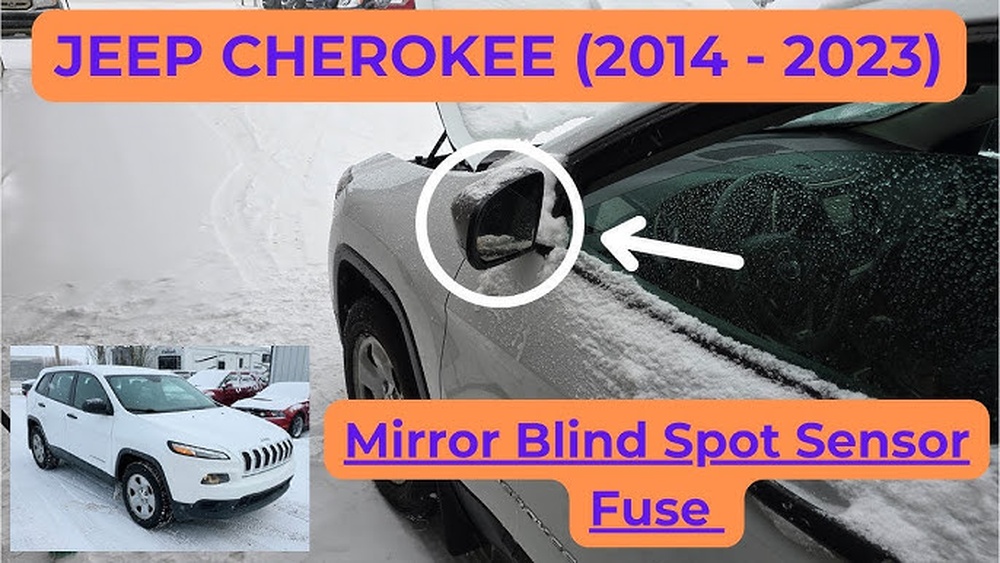
This technology is especially useful in busy traffic and on highways. According to the Insurance Institute for Highway Safety (IIHS), vehicles with blind spot monitoring reduce lane-change accidents by about 14%. The feature is now common in many new vehicles, but its availability depends on the brand, model, and trim.
Jeep Cherokee’s Blind Spot Monitoring: Trim-by-trim
Jeep Cherokee offers blind spot monitoring, but not every trim includes it. Here’s how availability breaks down for recent model years:
| Trim | Blind Spot Monitoring | Rear Cross Path Detection |
|---|---|---|
| Latitude | Optional | Optional |
| Latitude Plus | Standard | Standard |
| Limited | Standard | Standard |
| Trailhawk | Standard | Standard |
| Overland | Standard | Standard |
For most recent Cherokee models (2019–2023), blind spot monitoring and rear cross path detection come standard on all trims except the base Latitude. The Latitude trim usually offers these features as part of a SafetyTec package. Older Cherokees (2014–2018) may have blind spot monitoring only on higher trims or as an extra-cost option.
How Blind Spot Monitoring Works In Cherokee
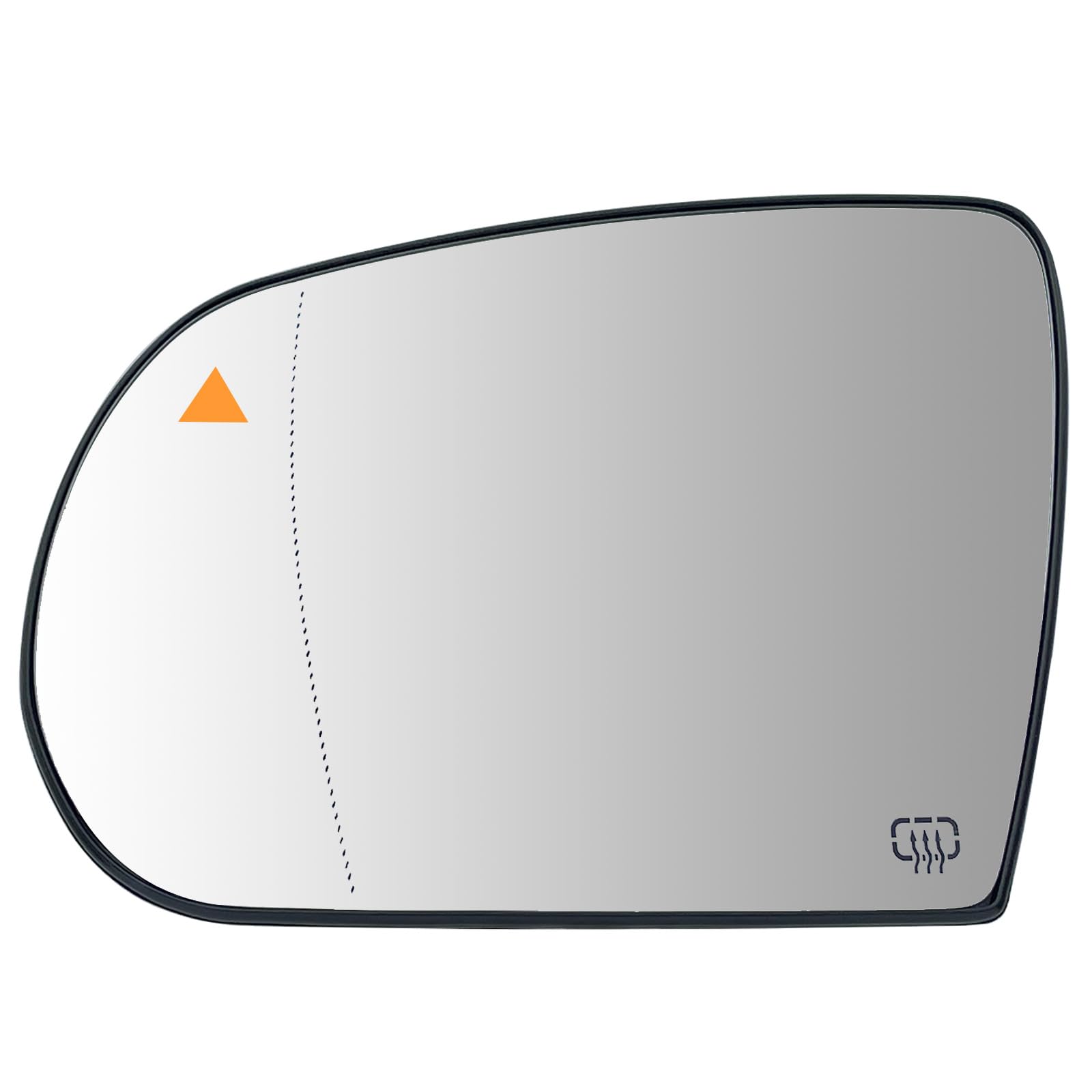
Cherokee uses radar sensors located in the rear bumper. When a vehicle enters your blind spot, a small icon lights up in the corresponding side mirror.
If you use your turn signal to change lanes while a car is in the blind spot, the system gives an audible chime.
Rear cross path detection is closely related. It alerts you to vehicles crossing behind your Cherokee when you’re backing up, helping prevent collisions in parking lots.
These systems work in all weather conditions, but heavy snow or mud can block the sensors. Keeping the rear bumper clean ensures reliable performance.
Comparing Cherokee To Other Suvs
How does the Cherokee’s blind spot monitoring stack up against other midsize SUVs? Here’s a quick comparison:
| Model | Blind Spot Monitoring Standard? | Year Introduced |
|---|---|---|
| Jeep Cherokee | Most trims | 2016 |
| Honda CR-V | All trims | 2017 |
| Toyota RAV4 | Most trims | 2018 |
| Ford Escape | Mid/high trims | 2017 |
| Chevrolet Equinox | Mid/high trims | 2018 |
Cherokee’s blind spot monitoring is competitive, but some rivals like the Honda CR-V offer it on all trims. When comparing SUVs, always check the safety features on the exact trim and model year.
Buying Tips: What To Check
- Model Year and Trim: Blind spot monitoring became more common in the Cherokee after 2016. Check the trim level, as base models may lack it.
- Safety Packages: If shopping for a Latitude trim or older Cherokee, look for the SafetyTec package. It bundles blind spot monitoring, rear cross path detection, and other helpful features.
- Test Drive: When you test drive, ask the salesperson to demonstrate the blind spot system. Look for the icon in the mirror and listen for chimes.
- Used Vehicles: For used Cherokees, confirm the feature is installed. Some sellers may list it, but not all vehicles have it. Inspect the side mirrors for the warning icon.
A common mistake is assuming all Cherokees have blind spot monitoring. Always verify before buying.
Real-world Value Of Blind Spot Monitoring
Blind spot monitoring is not just a fancy extra. It’s proven to prevent accidents and make daily driving safer. According to a study by the National Highway Traffic Safety Administration (NHTSA), vehicles with this feature see a 23% reduction in lane-change crashes.
Cherokee owners often report feeling more confident on the highway, especially in heavy traffic. The system helps avoid “almost” accidents those moments when a car appears suddenly beside you.
One non-obvious insight: Blind spot monitoring does not replace careful driving. It’s an aid, not a substitute for checking mirrors and turning your head. Also, the system detects cars and larger vehicles, but may not spot motorcycles or bicycles as reliably.
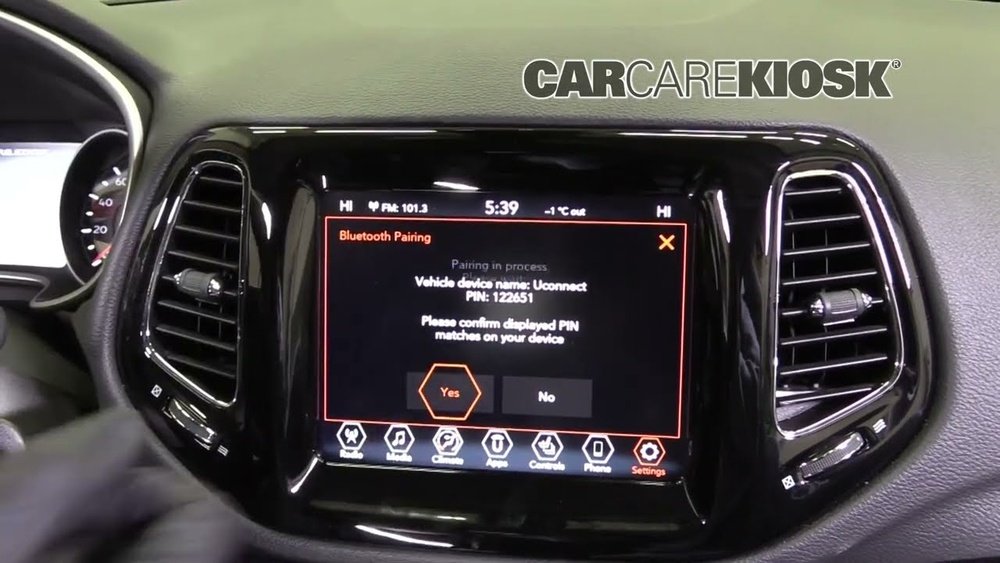
Another tip: If your Cherokee has blind spot monitoring, you can usually adjust sensitivity and volume through the vehicle’s settings menu. This customization helps reduce unwanted alerts in busy traffic.

Maintenance And Limitations
Blind spot monitoring systems require minimal maintenance, but a few things are important:
- Keep the rear bumper clean; dirt or snow can block sensors.
- If the system stops working, check for error messages on the dashboard.
- Repairs may require dealership attention if sensors are damaged.
Cherokee’s system works best at speeds above 15 mph and may not activate in slow-moving traffic or parking lots.
Frequently Asked Questions
Does Every Jeep Cherokee Have Blind Spot Monitoring?
No, not every Cherokee has blind spot monitoring. Most trims from 2019 onward include it as standard, but base trims and older models may lack the feature or offer it as an optional package.
Can I Add Blind Spot Monitoring To A Cherokee That Doesn’t Have It?
It’s possible to add aftermarket blind spot monitoring, but factory systems are more reliable. Adding the feature to a Cherokee without it may require professional installation and can cost $300 $700.
How Do I Know If My Cherokee Has Blind Spot Monitoring?
Look for a small icon on the side mirrors. If you see a car symbol or triangle, your Cherokee likely has the system.
You can also check the owner’s manual or ask your dealer.
Is Blind Spot Monitoring Worth The Extra Money?
Yes, blind spot monitoring reduces accidents and increases confidence, especially in city and highway driving. According to NHTSA, it lowers lane-change collisions by over 20%.
Does Blind Spot Monitoring Work In All Weather?
The system works in most conditions, but heavy snow, ice, or mud may block the sensors. Clean the rear bumper regularly for best performance.
Choosing a Jeep Cherokee with blind spot monitoring adds a valuable layer of safety. Whether you drive daily in traffic or enjoy long road trips, this technology helps protect you and your passengers. Always check the trim, confirm the feature, and keep sensors clean for reliable operation. For more details on vehicle safety, visit IIHS Advanced Driver Assistance.