Is Synthetic Oil Necessary For A Jeep Wrangler?
Many Jeep Wrangler owners wonder if they really need to use synthetic oil or if regular oil will do the job. With so many opinions and conflicting advice online, it’s easy to feel confused.
The right oil choice can affect your Wrangler’s performance, engine life, and even your warranty. Let’s break down the facts so you can make the best decision for your Jeep.
Understanding Oil Types For Jeep Wrangler
Jeep Wranglers, both old and new, need engine oil to lubricate moving parts, reduce friction, and keep temperatures down. There are two main types of oil you’ll see in stores:
- Conventional Oil: Made from crude oil, it’s less expensive and works fine for older engines under normal conditions.
- Synthetic Oil: Created in labs, it’s engineered to handle higher temperatures and harsh conditions. It resists breakdown and keeps engines cleaner.
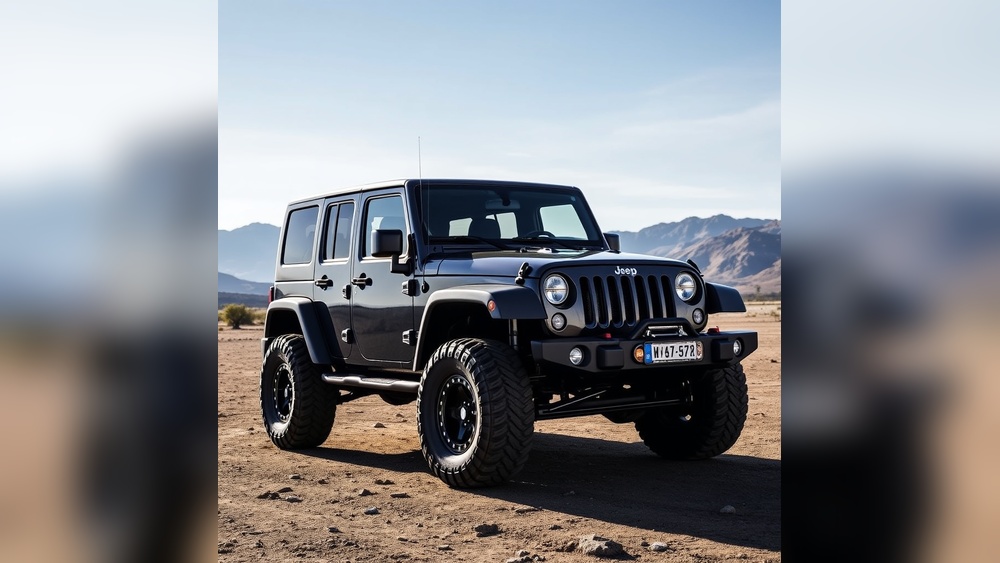
Most newer Jeep Wrangler models (especially those made after 2012) come from the factory filled with synthetic oil. This is because modern engines are built with tighter tolerances and advanced technology, which means they need better protection.
What Does Jeep Recommend?
The most important source to trust is your owner’s manual. Jeep provides exact oil specifications for each Wrangler model. For example:
- Jeep Wrangler JL (2018+): Jeep recommends SAE 0W-20 Full Synthetic for the 2.0L turbo and 3.6L V6 engines.
- Jeep Wrangler JK (2007–2018): Most models suggest SAE 5W-20 or 5W-30, with synthetic preferred for severe use.
Using the oil Jeep recommends is important for:
- Engine Performance: The right oil ensures smooth operation.
- Warranty Protection: Using the wrong oil can void your warranty.
- Engine Longevity: Modern engines need high-quality oil for maximum life.
If you’re unsure, check your Jeep’s oil cap or manual. Some older Wranglers can use conventional oil, but many owners still switch to synthetic for extra protection.
Synthetic Oil Vs Conventional Oil: How Do They Compare?
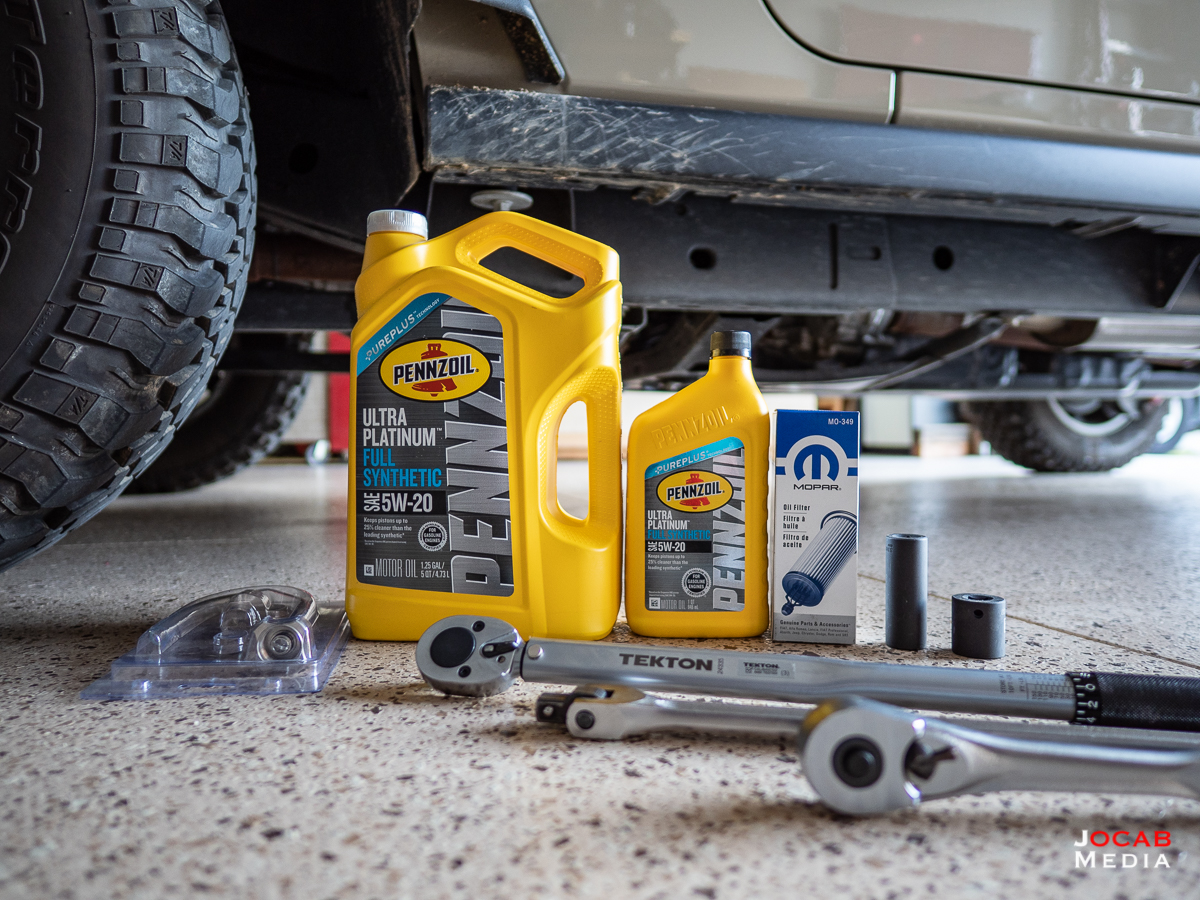
Here’s a quick side-by-side comparison to highlight the key differences:
| Feature | Synthetic Oil | Conventional Oil |
|---|---|---|
| Engine Protection | Excellent | Good (basic) |
| Oil Change Interval | Up to 7,500–10,000 miles | 3,000–5,000 miles |
| Temperature Resistance | High/Low extremes | Average |
| Cost | More expensive | Cheaper |
| Sludge Buildup | Minimal | More likely |
Synthetic oil lasts longer and performs better under stress, which is why many manufacturers—including Jeep—recommend it for newer engines.
When Synthetic Oil Is A Must For Your Wrangler
There are situations where using synthetic oil is not just a good idea, but necessary:
- Extreme Climates: If you live in places with freezing winters or hot summers, synthetic oil’s stability helps protect your engine.
- Towing & Off-Roading: If you use your Wrangler for heavy loads, trails, or frequent off-roading, synthetic oil resists breakdown better.
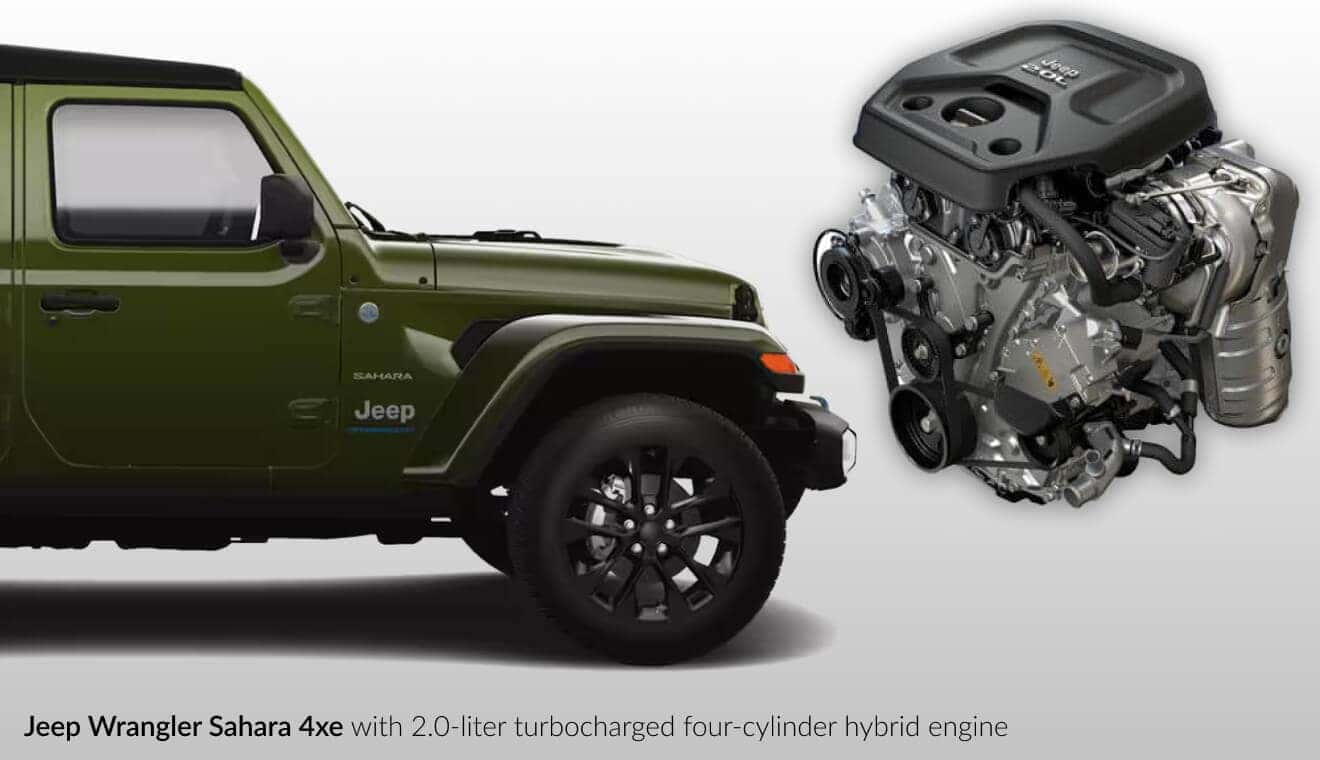
- Turbocharged Engines: The 2.0L turbo in recent Wranglers runs hotter and needs the extra protection of synthetic oil.
- Long Oil Change Intervals: If you prefer changing oil less often, synthetic is designed for extended use.
Practical Benefits: Real-world Examples
Let’s look at two real Jeep Wrangler owners:
- Owner A drives a 2019 Wrangler JL, commutes daily, and changes oil every 10,000 miles. He uses synthetic oil and has never had engine sludge or startup problems—even in cold weather.
- Owner B has a 2006 Wrangler TJ, uses conventional oil, and changes it every 3,500 miles. The engine runs well, but he notices more carbon buildup and must be strict about oil changes.
This shows that while older Wranglers can survive on conventional oil, newer models see more benefits with synthetic, especially for long-term reliability.
Cost Vs. Value: Is Synthetic Oil Worth It?
It’s true: synthetic oil can cost 2–3 times more than conventional oil. But consider this:
- Fewer oil changes mean saving on labor and time.
- Better protection reduces the risk of costly engine repairs.
- Some insurance and warranty programs require synthetic oil.
Here’s a quick look at cost over 10,000 miles:
| Oil Type | Typical Change Interval | Number of Changes | Total Cost (Parts & Labor) |
|---|---|---|---|
| Synthetic | 7,500 miles | 1–2 | $80–$160 |
| Conventional | 3,500 miles | 3 | $90–$120 |
For many, the small extra cost of synthetic is worth the peace of mind.
Common Myths About Jeep Wrangler Oil
Many drivers believe some myths about engine oil. Let’s clear up a few:
- “Synthetic oil causes leaks.” Not true for modern engines. Quality synthetic oil is safe for seals and gaskets.
- “Switching oil types will hurt my engine.” If you use the right viscosity and change oil on time, switching is safe.
- “Older Jeeps can’t use synthetic.” Even high-mileage Wranglers can benefit, though you should check for existing leaks first.
How To Choose The Right Oil For Your Wrangler
Here are smart steps to pick the best oil:
- Read your manual for Jeep’s recommendation.
- Look for the correct viscosity (like 0W-20 or 5W-30).
- Choose a trusted brand that meets industry standards (API, ILSAC).
- Decide on synthetic if you drive hard, tow, or want the longest engine life.
For detailed technical info, visit the Wikipedia page on motor oil.
Frequently Asked Questions
What Happens If I Use Conventional Oil In My Newer Jeep Wrangler?
You may not see immediate problems, but engine wear can increase over time. Newer engines are designed for synthetic oil, so using conventional may reduce protection and void your warranty.
Can I Switch From Conventional To Synthetic Oil?
Yes, you can switch at any time. Just make sure you use the right viscosity and specifications for your Wrangler. There’s no need for a special flush, but always change the oil filter.
Does Synthetic Oil Improve Fuel Economy In A Jeep Wrangler?
Synthetic oil reduces friction inside the engine, which can help fuel efficiency a little—often 1–2%. It’s not a huge change, but every bit helps, especially over many miles.
How Often Should I Change Synthetic Oil In My Wrangler?
Most synthetic oils in new Wranglers last 7,500 to 10,000 miles. Always follow Jeep’s recommendations and check your oil regularly if you drive in dusty or severe conditions.
Is It Safe To Mix Synthetic And Conventional Oil?
Mixing them in emergencies won’t harm your engine, but it’s best to stick with one type for each oil change. Mixing can reduce the benefits of full synthetic oil.
Choosing the right oil for your Jeep Wrangler is about more than just price. Synthetic oil offers clear advantages for most owners, especially with newer engines or tough driving conditions.
By following Jeep’s guidance and understanding your driving needs, you can help your Wrangler run stronger and last longer.