When you look at the suspension of a vehicle like the Jeep Patriot, you might wonder if it uses shocks or struts. This question matters for drivers who want to maintain their car, improve ride comfort, or save on repair costs.
Understanding the difference between these parts, and which ones your Patriot uses, can make a big difference in how you approach maintenance and upgrades. Let’s explore what the Jeep Patriot actually has—and why it matters.
Shocks Vs. Struts: What’s The Difference?
Both shocks and struts help control the movement of your vehicle’s suspension. They make sure your car doesn’t bounce too much and provide stability on rough roads.
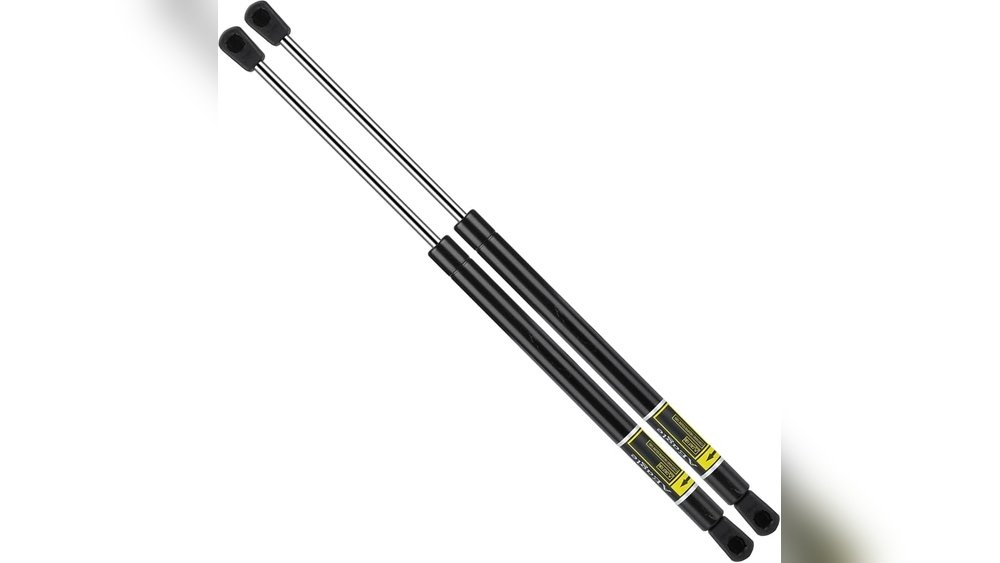
- Shocks (shock absorbers) are separate components that dampen suspension movement. They don’t support the weight of the vehicle.
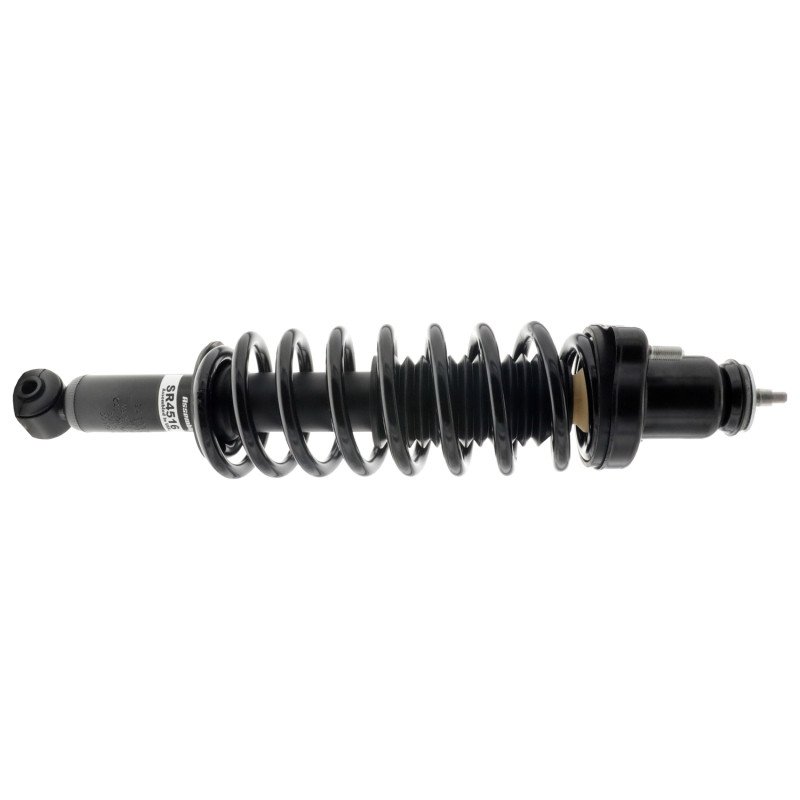
- Struts combine a shock absorber with structural support. They are a key part of the suspension and sometimes include the spring.
Most cars use either shocks or struts sometimes both, depending on the location (front or rear).
| Feature | Shocks | Struts |
|---|---|---|
| Supports Vehicle Weight | No | Yes |
| Structural Role | No | Yes |
| Dampens Suspension | Yes | Yes |
| Replacement Cost | Lower | Higher |
Jeep Patriot Suspension: Struts Or Shocks?
The Jeep Patriot uses struts in the front and shocks in the rear. This combination is common in many compact SUVs. Here’s how it breaks down:
- Front: MacPherson struts
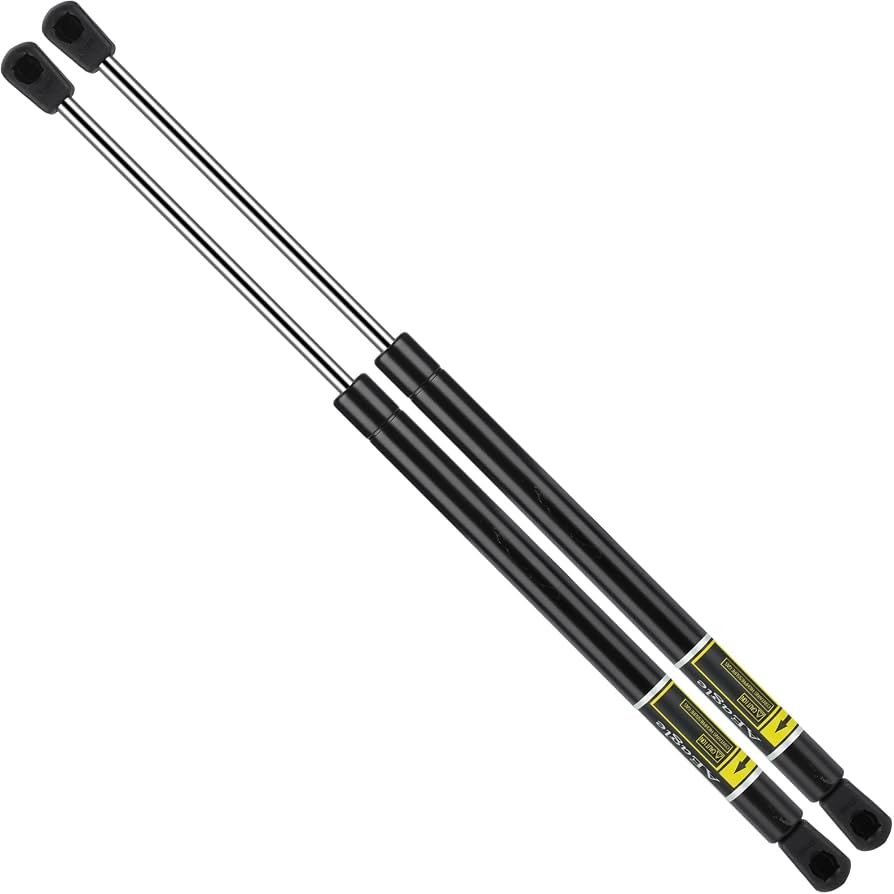
- Rear: Conventional shock absorbers
This means if you’re replacing suspension parts, you’ll need to buy struts for the front wheels and shocks for the rear wheels.
| Location | Component Used |
|---|---|
| Front | Struts |
| Rear | Shocks |
Why Did Jeep Choose This Setup?
The MacPherson strut design is popular in front-wheel-drive cars and compact SUVs. It saves space and provides good handling. The rear shocks help keep the ride comfortable without adding extra cost or complexity.
- Space-saving: Struts allow for more room in the engine bay.
- Handling: Struts help with steering and stability.
- Cost: Shocks are cheaper to make and replace in the rear.
Most Patriot models from 2007 2017 use this setup. If you check your owner’s manual or look underneath, you’ll see the difference.
Signs You Need To Replace Struts Or Shocks
Like all suspension parts, struts and shocks wear out over time. Here are some signs your Jeep Patriot might need new ones:
- Bouncing or swaying: The car feels unstable or wobbly.
- Nose diving: The front dips down when braking.
- Uneven tire wear: Tires wear out faster on one side.
- Leaking fluid: Visible oil or fluid near the strut or shock.
- Strange noises: Clunking or knocking sounds when driving over bumps.
If you notice these problems, it’s smart to check your suspension soon.

Replacement Costs And Tips
Changing struts is usually more expensive than replacing shocks. Struts have a bigger role in the suspension, so labor costs are higher.
| Component | Average Cost (Parts & Labor) |
|---|---|
| Front Struts (Pair) | $400–$700 |
| Rear Shocks (Pair) | $150–$300 |
Tips:
- Always replace struts or shocks in pairs (both front or both rear) for balanced handling.
- Check for alignment issues after replacing front struts.
- Ask for OEM parts if possible—they last longer.
A common mistake is replacing only one strut or shock. This can lead to uneven wear and poor handling.
Non-obvious Insights
Many Patriot owners don’t realize that strut mounts can also wear out. These are the parts that connect the strut to the body. If you hear squeaking or clunking, the mounts may need attention.
Another overlooked detail is the spring. While changing struts, check the coil spring for cracks or rust. A weak spring can ruin ride comfort and safety.
How Suspension Affects Driving
Your Jeep Patriot’s mix of struts and shocks affects how it drives. The front struts give better steering response, while the rear shocks smooth out bumps.
If either part fails, you might feel less control or comfort.
For example, if your front struts are worn, the steering can feel loose or the car may lean too much in corners. Rear shocks mainly affect how the car handles rough roads.
Safety is another concern. Good suspension parts help keep tires on the road, which is important for braking and turning.
Where To Find Reliable Parts
When replacing struts or shocks, look for trusted brands like Monroe, KYB, or Bilstein. Genuine parts ensure your Patriot stays safe and comfortable. You can compare prices and reviews online or at local auto shops. For more technical details, the official Jeep website is a reliable place to start: Jeep Official Site.
Frequently Asked Questions
Does The Jeep Patriot Have Shocks Or Struts?
The Jeep Patriot uses struts in the front and shocks in the rear. This is standard for most model years.
Can I Replace Only One Strut Or Shock?
It’s not recommended. Replace them in pairs for best performance and safety.
How Often Should Struts Or Shocks Be Changed?
Usually every 50,000 to 70,000 miles, but check for signs of wear sooner if you drive on rough roads.
Are Struts More Expensive Than Shocks?
Yes. Struts cost more because they support the vehicle and affect steering, while shocks are simpler and cheaper.
What Happens If I Ignore Worn Struts Or Shocks?
You’ll experience poor handling, longer braking distances, and uneven tire wear. It can also cause damage to other suspension parts.
Choosing the right suspension parts for your Jeep Patriot is important for both comfort and safety. Now you know exactly what your vehicle uses and how to keep it performing well.
If you take care of your struts and shocks, your Patriot will handle better and last longer on the road.