Jeep Wranglers are famous for their rugged looks and off-road ability. Many people ask if Jeep Wranglers have solid front axles.
This question is important if you plan to use your Wrangler for heavy off-roading, towing, or just want to understand your vehicle better. Let’s explore what a solid front axle is, why it matters, and how it compares to other axle types.
What Is A Solid Front Axle?
A solid front axle means the wheels are connected by a single, solid piece. Both wheels move together when the suspension goes up or down. This design is also known as a “live axle.” Solid axles are different from independent front suspension (IFS), where each wheel moves separately.
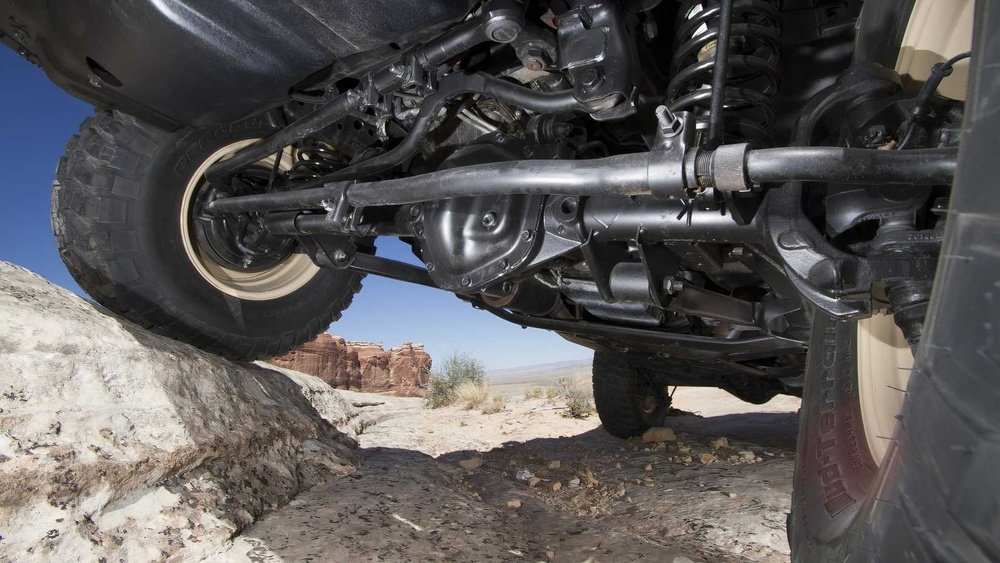
The solid axle is strong, simple, and handles rough ground well. It is common in vehicles built for tough jobs, like trucks and off-road SUVs.
Do Jeep Wranglers Use Solid Front Axles?
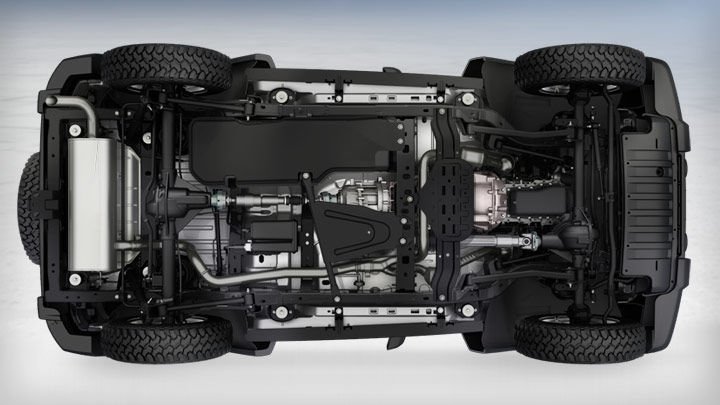
The short answer is yes—every Jeep Wrangler model since its start in 1986 uses a solid front axle. This includes the YJ, TJ, JK, JL, and the new 4xe hybrid models. Jeep keeps this design because it helps Wranglers drive well off-road and makes them easy to upgrade.
Here’s a quick look at Wrangler generations and their front axles:
| Wrangler Generation | Production Years | Front Axle Type |
|---|---|---|
| YJ | 1987-1995 | Solid (Dana 30) |
| TJ | 1997-2006 | Solid (Dana 30/Dana 44) |
| JK | 2007-2018 | Solid (Dana 30/Dana 44) |
| JL | 2018–present | Solid (Dana 30/Dana 44) |
No Jeep Wrangler has ever come with IFS from the factory. This makes the Wrangler unique among modern SUVs, as most competitors use independent suspension for comfort.
Why Jeep Uses Solid Front Axles
Jeep keeps using solid axles for several reasons:
- Strength: Solid axles can handle heavy loads and big tires. This is important for off-roading and towing.
- Articulation: Both wheels move together. This keeps tires on the ground over rocks and uneven surfaces.
- Simplicity: Solid axles have fewer parts. They are easier and cheaper to repair or upgrade.
- Aftermarket Support: Many companies make lift kits, axle swaps, and lockers for solid axles. This lets owners customize their Wranglers for any adventure.
Most off-roaders prefer solid axles for these reasons. It is also why Jeep fans love the Wrangler’s suspension design.
Solid Axle Vs. Independent Suspension
To see how the solid front axle compares to independent suspension, look at this side-by-side:
| Feature | Solid Front Axle | Independent Suspension |
|---|---|---|
| Strength | Very strong, good for off-road | Usually weaker, made for comfort |
| Ride Comfort | Rougher on pavement | Smoother on pavement |
| Articulation | Excellent for keeping tires on ground | Not as good for extreme off-road |
| Maintenance | Simple and durable | More parts, can be costly |
| Upgrades | Easy to lift or modify | Harder to upgrade for off-road |
Some beginners miss that a solid axle can make daily driving less comfortable. You may feel more bumps or vibrations.
However, for serious off-road fans, the trade-off is worth it.
Real-world Examples And Data
Jeep Wranglers are often used in places where other SUVs struggle. Solid axles help them:
- Climb steep hills and rocks
- Drive through deep mud or snow
- Survive hard impacts without bending
For example, the Rubicon trim uses a Dana 44 solid axle with locking differentials. This setup is tested on the tough Rubicon Trail in California, a route famous for its rocky, uneven ground.
Statistically, Jeep Wranglers have a high resale value because people trust their solid axle design for long-term use. According to Kelley Blue Book, Wranglers keep their value better than most SUVs, in part due to their solid axles and strong frames.
Common Misconceptions
It’s easy to think that all off-road vehicles use solid axles, but that’s not true. Many SUVs, even those with “off-road” badges, use IFS for better road manners.
Only a few, like the Toyota 4Runner (rear only) and some Ford Broncos, use solid axles.
Another mistake: some new Wrangler buyers think the solid axle means zero maintenance. In fact, solid axles still need care, like checking seals, keeping the differential full of oil, and greasing joints. Neglect can lead to early wear or failure.
Upgrades And Customization
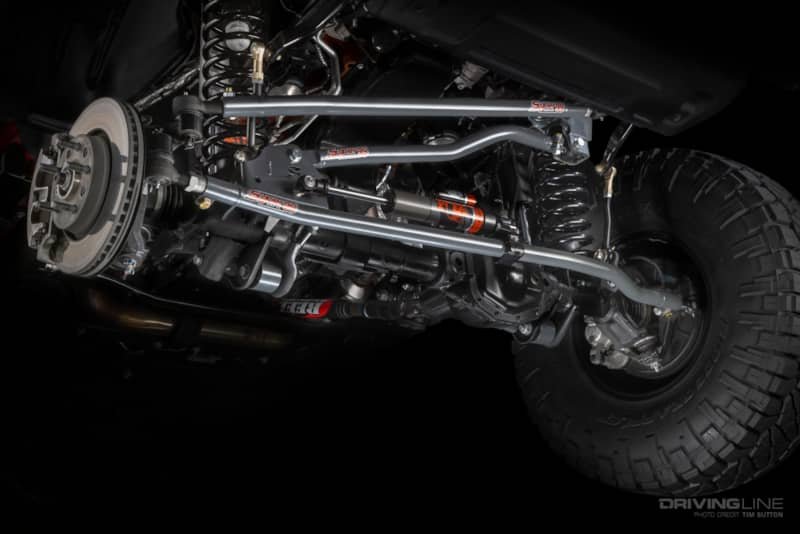
Jeep Wranglers are popular for upgrades. Solid axles make it easy to:
- Install a suspension lift for bigger tires
- Add lockers for better traction
- Swap in stronger axles (like Dana 60s) for extreme use
One insight many beginners miss: you do not always need the biggest, strongest axle. For most users, the factory Dana 44 is strong enough. Upgrading only makes sense if you use very large tires or drive in extreme conditions.
Should You Worry About The Solid Axle?
If you want a comfortable, quiet ride on the highway, the solid axle is not perfect. But if you love trails, camping, or adventure driving, the solid axle is a big plus.
It is one of the reasons the Jeep Wrangler stands out in the SUV world.
Some owners notice tire wear or “death wobble” (a shaking feeling at high speeds). This usually happens if parts are worn out or not tightened. Regular checks can prevent these issues.
For more technical details on axle types, you can read the Wikipedia article on axles.
Frequently Asked Questions
Do All Jeep Wranglers Have Solid Front Axles?
Yes, every Wrangler from 1987 to today uses a solid front axle. This includes two-door, four-door, and hybrid models.
Is A Solid Front Axle Better Than Independent Suspension?
A solid front axle is better for off-road strength and tire articulation. Independent suspension is smoother on the road but not as tough off-road.
Can I Swap My Wrangler’s Solid Axle For Independent Suspension?
It is possible, but very expensive and rare. Most people keep the solid axle and upgrade it if needed.
What Are Common Problems With Solid Front Axles?
Main problems include worn bushings, seals leaking, or death wobble. Regular checks and maintenance prevent most issues.
Are Solid Axles Safe For Highway Driving?
Yes, they are safe if maintained. However, the ride can be rougher and noisier than modern independent suspension.
The Jeep Wrangler’s solid front axle is a classic feature that makes it special. While it brings some trade-offs, it remains a top choice for those who love true off-road driving and adventure.