If you drive a Jeep Wrangler or plan to buy one, you might wonder about its suspension system. Many people ask, “Do Jeep Wranglers have shocks or struts?
” This question matters because the type of suspension affects ride comfort, handling, and how well your Jeep performs off-road.
Let’s clear up the confusion, explain the difference between shocks and struts, and show you what Jeep Wranglers really have.

Shocks Vs. Struts: What’s The Difference?
Both shocks and struts are important for vehicle suspension. They help keep your tires on the road, absorb bumps, and control movement. But they are not the same.
- Shocks are simple dampers. They control up-and-down movement and help smooth the ride. They work with springs but do not support the vehicle’s weight.
- Struts are more complex. They combine a shock absorber with a structural part of the suspension. Struts support the vehicle’s weight and help keep everything in alignment.
This difference means that replacing a strut is usually more expensive and complicated than changing a shock.
| Feature | Shock Absorber | Strut |
|---|---|---|
| Supports Weight | No | Yes |
| Controls Ride | Yes | Yes |
| Part of Suspension Structure | No | Yes |
| Replacement Cost | Lower | Higher |
Many cars use struts in the front and shocks in the back. But some vehicles, especially those made for off-road, use shocks all around.
What Suspension Do Jeep Wranglers Use?
Jeep Wranglers are famous for their solid axle suspension. This design is great for off-road because it gives strength and flexibility. But what about shocks and struts?
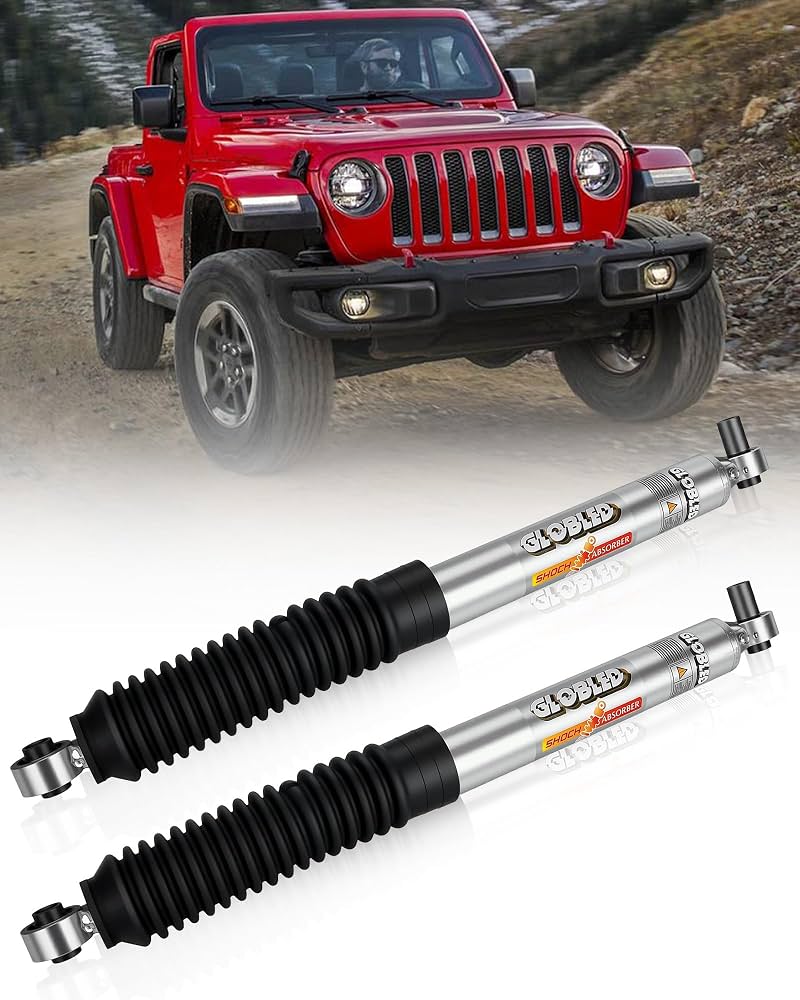
- All Jeep Wranglers, including models like the JK, JL, and TJ, use shock absorbers—not struts.
- You will find shocks both in the front and rear suspension.
- The Wrangler’s suspension uses coil springs for support, with shocks to control movement.
| Wrangler Model | Front Suspension | Rear Suspension |
|---|---|---|
| TJ (1997-2006) | Coil Spring + Shock | Coil Spring + Shock |
| JK (2007-2018) | Coil Spring + Shock | Coil Spring + Shock |
| JL (2018-Present) | Coil Spring + Shock | Coil Spring + Shock |
Some older Jeep models, like the Cherokee, use struts in the front. But Wranglers stay with shocks, making them simpler to repair and upgrade.

Why Shocks Matter For Jeep Wranglers
The shock absorbers on a Jeep Wrangler are key for both everyday driving and off-road adventures. Here’s why:
- Ride Comfort: Shocks absorb bumps and potholes, making the ride smoother.
- Handling: Shocks help keep the tires touching the ground, improving control and safety.
- Off-Road Performance: Good shocks let the suspension flex and move, so your Jeep can crawl over rocks and rough terrain.
Most Wrangler owners upgrade their shocks for better off-road performance. Choosing the right shocks can make a big difference in how your Jeep feels and handles.
Common Misconceptions
Many people think all vehicles have struts, or mix up the terms. Here are two points beginners often miss:
- Wrangler suspension is different from most cars. While many cars use struts, Wranglers use solid axles with shocks. This is part of what makes them strong and reliable off-road.
- Upgrading shocks is easier and cheaper. Because Wranglers have shocks, not struts, replacement is simple. You don’t need special tools or alignment after changing shocks.

Choosing The Right Shocks For Your Wrangler
If you want to change or upgrade your Wrangler’s shocks, here’s what to consider:
- Driving style: If you drive mostly on roads, basic shocks will work. For heavy off-road use, look for stronger, adjustable shocks.
- Lift kits: If you add a lift kit, you need longer shocks to match the new suspension height.
- Brand and quality: Popular brands include Bilstein, Fox, and Rancho. Quality matters more than price.
| Shock Type | Best For | Price Range |
|---|---|---|
| Stock/OEM | Daily Driving | $40-$80 each |
| Heavy-Duty | Off-Road | $100-$250 each |
| Adjustable | Mixed Use | $150-$350 each |
A common mistake is buying shocks that are too stiff or too soft for your needs. Always match the shock to your driving style and suspension setup.
How To Tell If Your Wrangler’s Shocks Need Replacing
Shocks wear out over time. If you notice these signs, it’s time to check or replace them:
- Excess bouncing: Jeep keeps bouncing after hitting a bump.
- Poor handling: Harder to control or takes longer to stop.
- Leaking fluid: Visible oil on the shock body.
- Uneven tire wear: Tires show strange patterns.
Most shocks last between 50,000 to 75,000 miles, but heavy off-road use can wear them out faster.
Frequently Asked Questions
Do Jeep Wranglers Ever Use Struts?
No, Jeep Wranglers use shock absorbers in both front and rear suspension. Struts are not part of Wrangler’s design.
Are Shocks And Struts Interchangeable?
No. Shocks and struts serve different purposes. Wranglers are built for shocks only. You cannot swap struts for shocks or vice versa.
How Often Should I Replace Wrangler Shocks?
Most owners replace shocks every 50,000 to 75,000 miles. If you drive off-road often, check shocks more frequently.
Can I Upgrade My Wrangler’s Shocks For Better Performance?
Yes! Many brands offer performance shocks for Wranglers. Upgrading can improve ride comfort, control, and off-road ability.
Where Can I Learn More About Jeep Suspension Systems?
You can find detailed information about Jeep suspension at Wikipedia.
Jeep Wranglers are built for adventure, and their suspension is part of what makes them special. Understanding that Wranglers use shocks not struts can help you maintain, upgrade, and enjoy your vehicle.
Whether you’re driving city streets or rocky trails, choosing the right shocks will keep your ride smooth and your Jeep ready for anything.