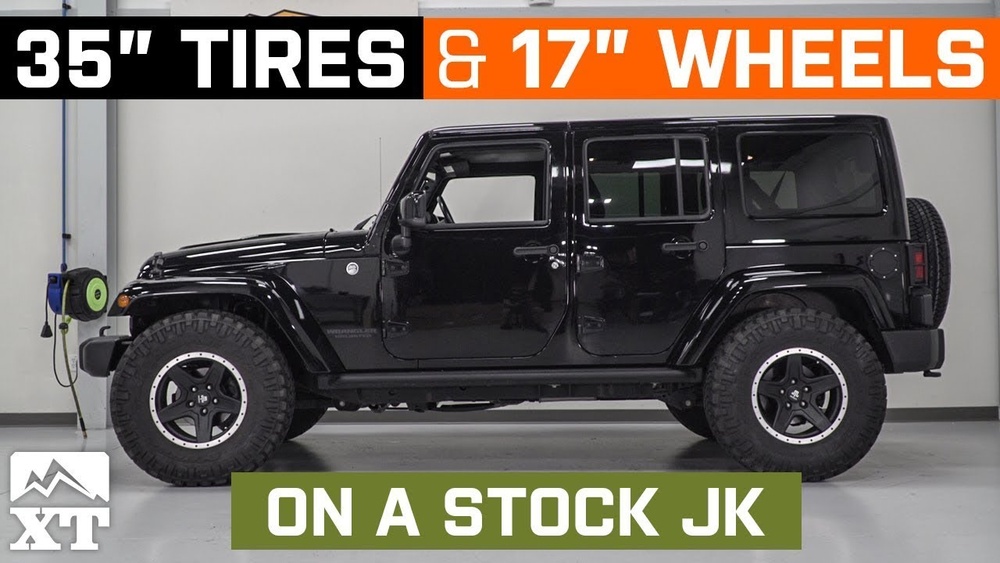
Buying a Jeep Wrangler is often about freedom—the freedom to drive almost anywhere, and the freedom to customize your ride. One question comes up often: Do Jeep Wrangler hard tops come off? If you’re new to Wranglers or considering one, you might wonder how flexible these vehicles really are. Let’s explore how hard tops work, how easy they are to remove, and why this feature matters so much to Jeep owners.
Can You Remove A Jeep Wrangler Hard Top?
Yes, you can remove the hard top on every Jeep Wrangler model. It’s one of the main features that makes Wranglers unique. Unlike most SUVs, Wranglers are built for open-air driving. The hard top is designed to be taken off, so you can enjoy sunshine and fresh air whenever you want.
There are two main types of tops for Wranglers:
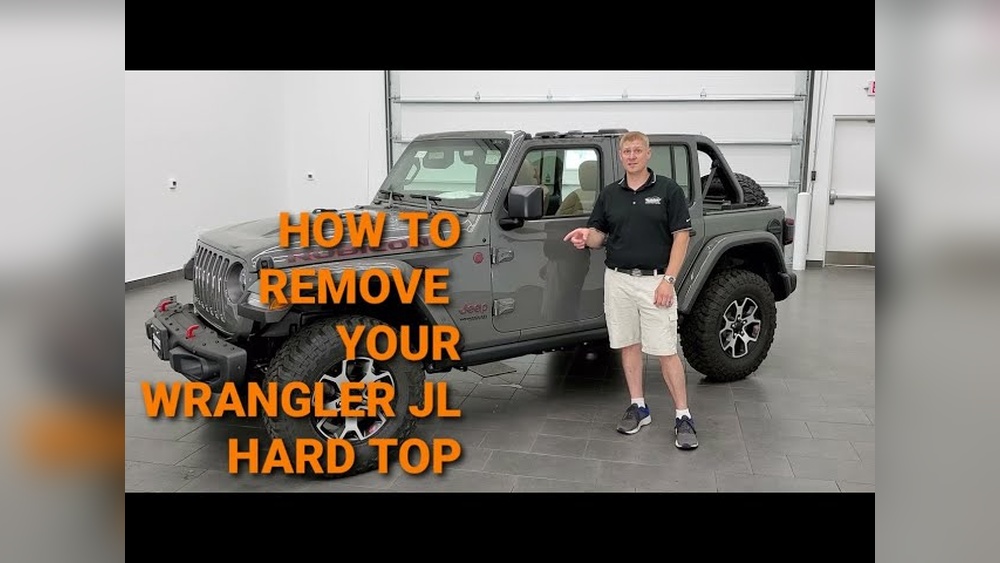
- Hard top – made from fiberglass or composite materials, offering better insulation, security, and durability.
- Soft top – made from fabric, easier to remove but less protective.
The hard top is heavier and more complex to remove than the soft top, but both are engineered for quick changes.
Removing The Hard Top: How It’s Done
Taking off a Jeep Wrangler hard top is not difficult, but it’s not as simple as flipping a latch. It usually takes two people, basic tools, and about 15–30 minutes. Here’s a step-by-step guide:
- Remove the front panels: Modern Wranglers (like the JL and JK series) have removable front panels (called “freedom panels”) that come off first. Unlock latches and lift them out.
- Disconnect electrical and washer cables: If your hard top has rear defrost or washer jets, unplug these connections before removing the main top.
- Unscrew bolts: Use a Torx bit to remove bolts at the sides and rear of the top. There are usually 6–8 bolts.
- Lift the top off: With another person, carefully lift the hard top off and set it down somewhere safe.
Here’s a comparison of removal time and difficulty for Wrangler tops:
| Top Type | Average Removal Time | Required Tools | Difficulty Level |
|---|---|---|---|
| Hard Top | 15–30 minutes | Torx bit, socket wrench | Moderate |
| Soft Top | 5–10 minutes | Hands only | Easy |
Why Remove The Hard Top?
Many Jeep owners love the option to remove the hard top for several reasons:
- Open-air experience: Enjoy wind, sun, and nature on trails or highways.
- Customization: Change the look and feel of your Jeep. Add a soft top, or drive with no top at all.
- Cargo access: Easier loading for large items.
- Seasonal flexibility: Hard top for winter; soft top or no top for summer.
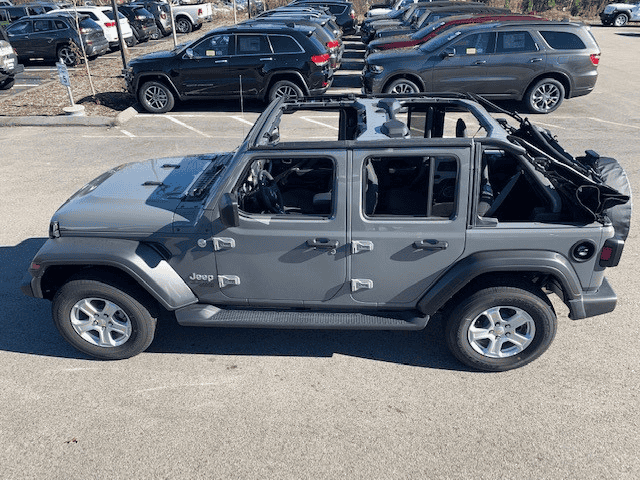
Removing the hard top lets you turn your Jeep into a convertible, which is rare for SUVs.
Storage And Protection After Removal
Once the hard top is off, you need to store it safely. The top is large and heavy, so you’ll need space—most people use their garage or shed. To protect it from damage, consider:
- Placing it on a padded stand or blankets
- Using a hard top hoist (manual or electric) for easier lifting and storage
- Covering it with a tarp or protective cover
Here’s a quick comparison of storage solutions:
| Storage Method | Space Needed | Protection Level | Cost Range |
|---|---|---|---|
| Garage floor (with padding) | High | Medium | $0–$50 |
| Hard top hoist | Low | High | $100–$400 |
| Outdoor shed | Medium | Low | $200–$600 |

Common Mistakes When Removing The Hard Top
Some beginners damage their hard top or Jeep by making avoidable errors. Here are the most frequent mistakes:
- Not unplugging electrical connections, leading to wire damage
- Losing bolts or screws after removal
- Scratching paint when lifting the top off
- Dropping the top due to its weight (average is about 140–150 lbs)
- Storing the top outdoors without protection, which can lead to fading and cracks
Always check your owner’s manual for exact instructions. Having a friend help is smart, especially if you’ve never removed the top before.
Is It Worth Owning A Hard Top?
A hard top offers better security and weather protection compared to a soft top. It reduces road noise, keeps your Jeep warmer in winter, and is harder to break into. However, it’s heavier and more expensive.
Most Jeep fans recommend having both tops if you want maximum flexibility. The hard top is ideal for daily driving and cold months; the soft top is perfect for summer and off-roading.
For more technical details and guidance, visit the official Jeep Wrangler page.
Frequently Asked Questions
Can I Remove The Hard Top By Myself?
It’s possible, but not recommended. The hard top is heavy and awkward.
Two people make the job safer and easier.
How Long Does It Take To Remove The Hard Top?
Most owners can remove it in 15 30 minutes. With practice, the process gets faster.
Is There A Risk Of Leaks After Reinstalling The Hard Top?
If you reinstall the top and bolts correctly, leaks are rare. Always check seals and latches before driving.
Will Removing The Hard Top Void My Warranty?
No, removing the top is a standard feature. As long as you follow Jeep’s instructions, your warranty is safe.
Are There Tools To Make Removal Easier?
Yes, many owners use electric hoists or lifting devices. Some aftermarket kits help reduce effort and risk of damage.
The Jeep Wrangler’s removable hard top is a standout feature. It gives you freedom to adapt your vehicle to seasons, adventures, and style.
With the right tools and careful handling, taking off the hard top is simple and it’s a big reason why Jeep Wranglers are so popular with people who love the outdoors.