Can Jeep Grand Cherokee Use Unleaded 88?
Drivers often want to know if they can use Unleaded 88 (also called E15) in their Jeep Grand Cherokee. With fuel prices and choices changing, it’s smart to check if this fuel works for your vehicle.
Using the wrong gasoline can damage the engine, lower performance, or void your warranty. This article explains if Unleaded 88 is safe for the Jeep Grand Cherokee, what owners need to consider, and how it compares to other fuel types.
What Is Unleaded 88?
Unleaded 88 is a type of gasoline that contains 15% ethanol and 85% gasoline. This is why it is also known as E15. For comparison, regular unleaded fuel (E10) has only 10% ethanol. Unleaded 88 gets its name because it has an octane rating of 88, which is slightly higher than regular 87 octane gas.
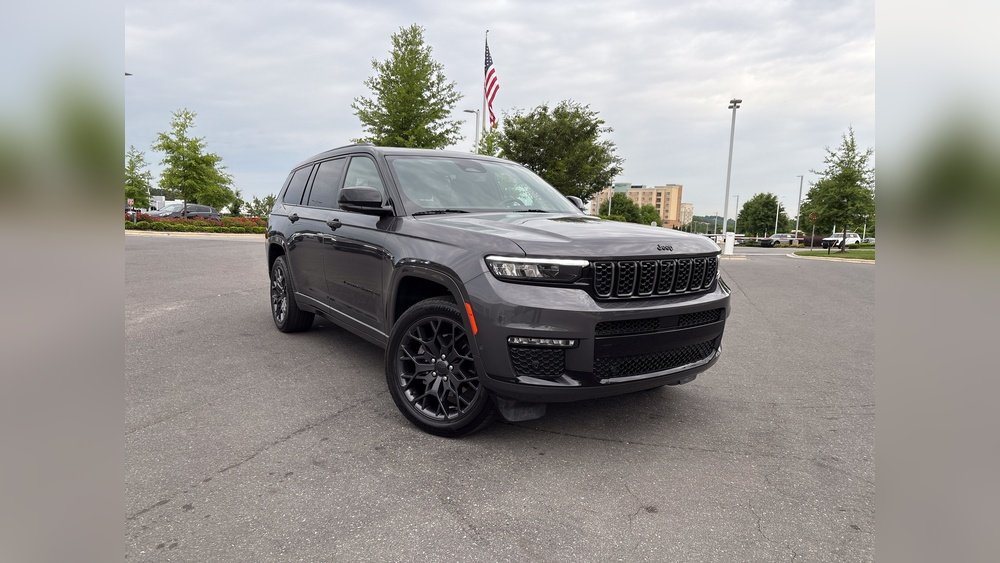
Key Features Of Unleaded 88
- Higher ethanol content: More ethanol means it burns cleaner but can affect some engines.
- Octane rating of 88: Slightly higher than regular, but lower than premium.
- Cheaper price: Usually costs less than regular gasoline.
- Available at select stations: Not every gas station offers Unleaded 88.
Jeep Grand Cherokee Fuel Requirements
The Jeep Grand Cherokee comes in several engine options and model years. Each has its own fuel recommendations. Checking your owner’s manual is always the first step.
Common Engine Types
- 3.6L V6
- 5.7L V8
- 6.4L SRT V8
- 2.0L Turbo (plug-in hybrid models)
Most Grand Cherokees recommend 87 octane regular unleaded gasoline (E10, 10% ethanol). Some high-performance versions, like the SRT, need 89 or higher octane.
Manufacturer Guidance
Jeep (under Stellantis) usually allows up to E10 fuel. For model years 2012 and newer, some sources mention E15 may be acceptable, but only for specific engines. However, using E15 without official approval risks engine problems and can void your warranty.
Here’s a quick look:
| Model Year | Engine | Recommended Fuel | E15 (Unleaded 88) Approved? |
|---|---|---|---|
| 2011 and earlier | All | 87 octane (E10 max) | No |
| 2012–2023 | Most V6, V8 | 87 octane (E10 max) | Not recommended |
| 2021–2023 | 2.0L Turbo (4xe) | 91 octane (E10 max) | No |
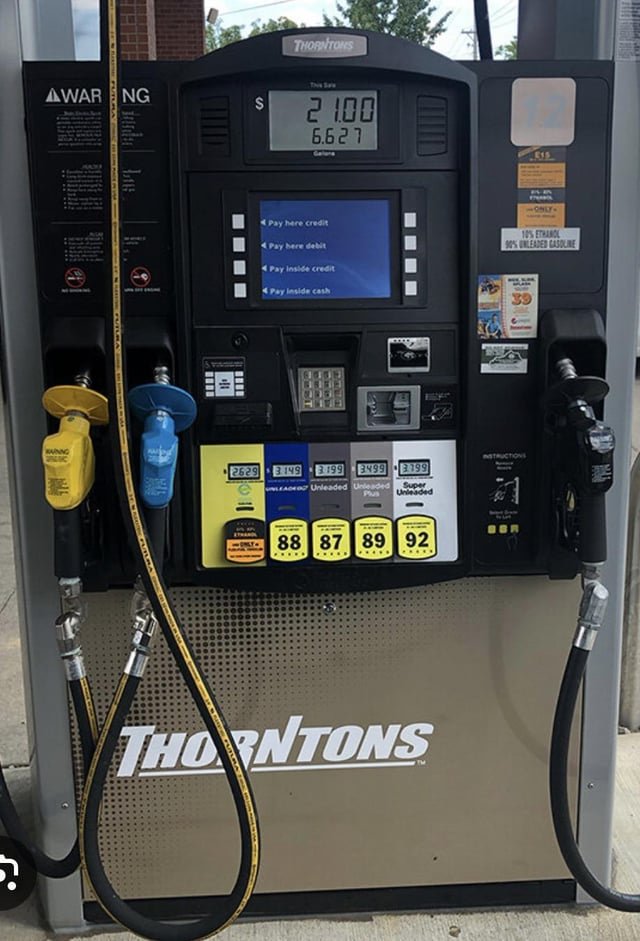
Can You Use Unleaded 88 In A Jeep Grand Cherokee?
The answer depends on your Grand Cherokee’s model year and engine. For most models, Unleaded 88 is not recommended. Jeep’s manuals and fuel door labels usually say “E10 maximum.”
Why Unleaded 88 May Not Be Safe
- Fuel System Compatibility: Older fuel systems, or those not designed for E15, can suffer from rubber or plastic part damage.
- Warranty Issues: Using E15 can void your warranty if not approved.
- Engine Performance: Higher ethanol content can cause rough idling, stalling, or poor acceleration in engines not calibrated for it.
A 2023 Jeep Grand Cherokee owner’s manual states: “Do not use E15 or E85 gasoline.” This warning is common across recent models.
Ethanol Content And Engine Wear
Ethanol attracts water. Higher ethanol fuels like Unleaded 88 can pull moisture into your fuel system, increasing corrosion risk over time.
This is especially important if you store your vehicle for long periods.
Here’s a side-by-side comparison:
| Fuel Type | Ethanol Content | Compatible with Grand Cherokee? |
|---|---|---|
| Regular Unleaded | Up to 10% (E10) | Yes |
| Unleaded 88 (E15) | 15% | No (for most models) |
| E85 (Flex Fuel) | Up to 85% | No |
What Happens If You Use Unleaded 88?
If you accidentally fill up with Unleaded 88 once, your Grand Cherokee will likely run, but it’s not recommended to do this regularly. The engine’s computer may adjust, but repeated use can lead to check engine lights, reduced fuel efficiency, and long-term damage.
Signs Of Trouble
- Rough engine running
- Poor acceleration
- Fuel system warning lights
- Lower MPG
If you notice these signs after using Unleaded 88, fill up with regular E10 gasoline next time and monitor your vehicle. If problems continue, have a mechanic check for fuel system issues.
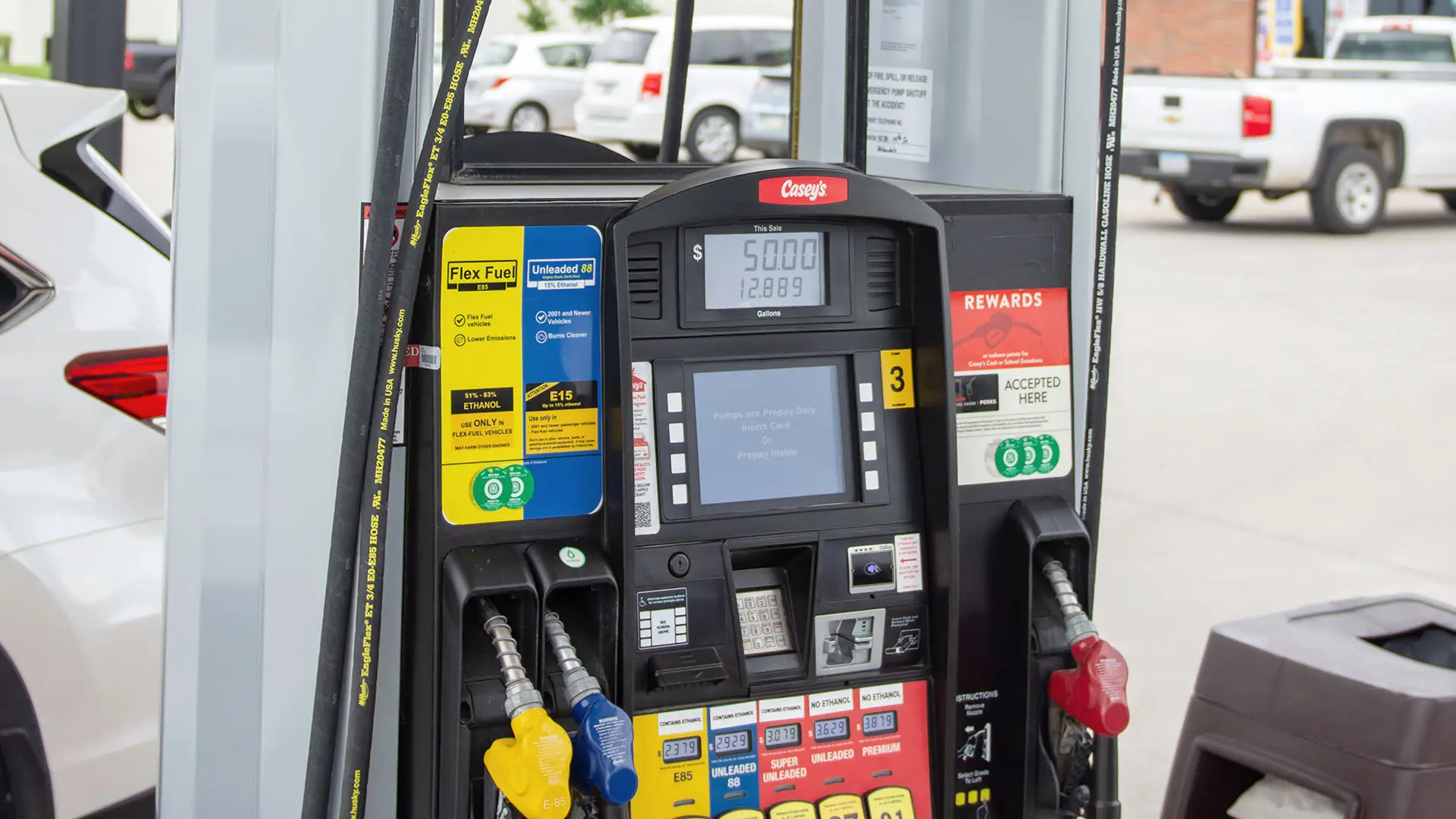
Why Some Cars Can Use Unleaded 88
The EPA allows E15 for cars made in 2001 or newer, but only if the manufacturer says it’s safe. Many newer vehicles, especially Ford and GM, design their engines for E15. Jeep has not broadly approved Unleaded 88 for the Grand Cherokee as of 2023.
For the latest information, you can check the US Department of Energy’s ethanol fuels page.
Better Alternatives For Jeep Grand Cherokee Owners
Stick to what Jeep recommends—87 octane E10 for most engines, and 91 octane E10 for high-performance or hybrid models. This protects your vehicle’s performance and warranty.
If you want to save money or help the environment, consider:
- Using Top Tier gasoline: This gas has extra detergents to keep your engine clean.
- Keeping up with maintenance: Clean fuel filters and regular oil changes help with efficiency.
- Avoiding off-brand fuels: These may have inconsistent ethanol levels or fewer cleaning agents.
Frequently Asked Questions
Is Unleaded 88 The Same As E15?
Yes, Unleaded 88 is another name for E15 gasoline. It has 15% ethanol and 85% gasoline, with an 88 octane rating.
Will Using Unleaded 88 Void My Jeep Warranty?
Yes, for most Jeep Grand Cherokee models, using any fuel above E10 can void your warranty. Always check your owner’s manual for details.
Can I Mix Unleaded 88 With Regular Gasoline?
If you mix Unleaded 88 with regular gas, the ethanol content will lower, but it’s still not recommended. Try to refill with E10 as soon as possible to avoid any issues.
Are There Any Jeep Models That Accept Unleaded 88?
As of 2023, no Jeep Grand Cherokee models officially approve Unleaded 88. Some vehicles from other brands do, but not the Grand Cherokee.
What Should I Do If I Accidentally Use Unleaded 88?
If you fill up with Unleaded 88 by mistake, top off with E10 regular gas at your next opportunity. If you notice engine issues, see a mechanic.
One tank is unlikely to cause major harm, but repeated use may damage your vehicle.
Choosing the right fuel is important for engine health and long-term performance. For the Jeep Grand Cherokee, stick to what the manual recommends. If you are unsure, always choose regular unleaded (E10) for peace of mind and reliable driving.