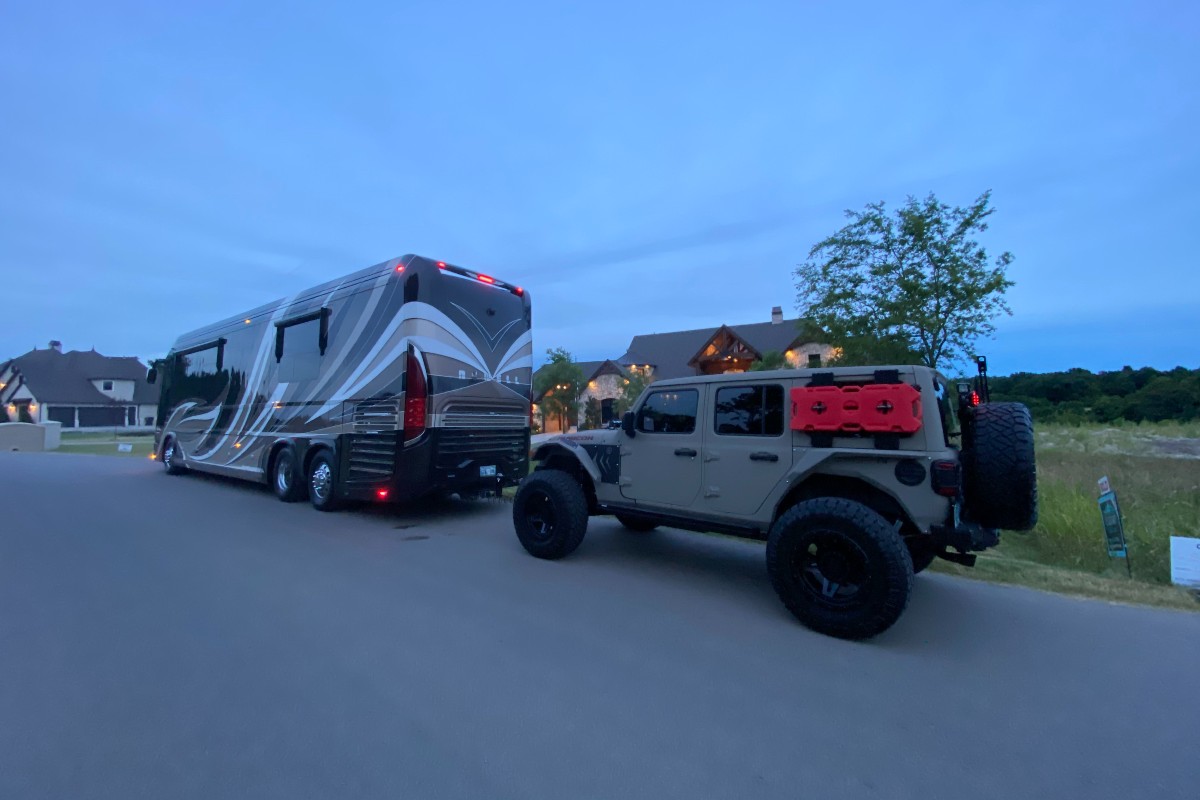
If you enjoy RVing or long road trips, you may wonder if the Jeep Grand Cherokee can be flat towed behind your motorhome. Flat towing (also called dinghy towing) means pulling a vehicle with all four wheels on the ground, without using a trailer. It’s popular because it’s convenient, saves space, and lets you use your everyday vehicle at your destination. But not all vehicles are suitable for this method. Let’s dig into whether the Jeep Grand Cherokee can be flat towed, which models are compatible, and what you need to know before hitting the road.
What Is Flat Towing?
Flat towing involves pulling a vehicle behind another, with all four wheels touching the road. It’s different from dolly towing, where only two wheels are on the ground, or trailer towing, where all wheels are off the ground.
RV owners prefer flat towing because it’s quick to set up, and you don’t need extra equipment like a trailer.
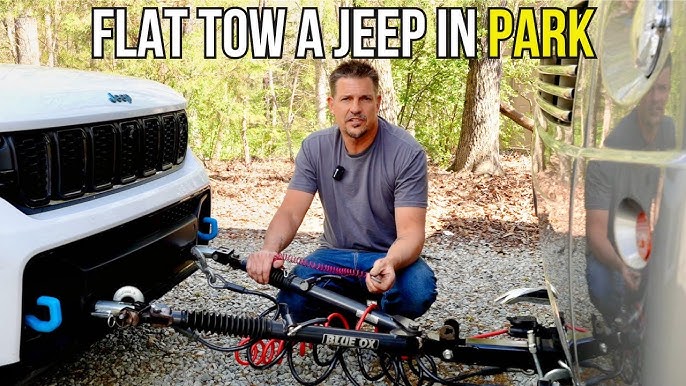
Flat towing is only possible for vehicles with certain transmission and drivetrain setups. Some cars can suffer damage if towed this way, so it’s important to check the manufacturer’s guidelines.
Can You Flat Tow A Jeep Grand Cherokee?
The answer depends on the model year and the drivetrain of your Grand Cherokee. Not all Grand Cherokees are flat towable. The capability mainly depends on the transmission and whether your vehicle has a transfer case that allows for neutral mode.
Here’s a quick comparison of flat towing capabilities across different Grand Cherokee models:
| Model Year | Drivetrain | Flat Towable? |
|---|---|---|
| 2011-2021 | 4WD (with 2-speed transfer case) | Yes |
| 2011-2021 | 2WD or AWD (no transfer case) | No |
| 2022-present | Some 4WD trims | Check manual |
Key insight: Only Grand Cherokees with a two-speed transfer case (usually found in true 4WD models) are flat towable. If your vehicle is 2WD or AWD without a transfer case, flat towing is not recommended.
How To Check If Your Grand Cherokee Is Flat Towable
Manufacturers include towing information in the owner’s manual. Look for sections on “Recreational Towing” or “Flat Towing.” If your Jeep has a Neutral (N) position in the transfer case, it’s likely flat towable.
Here’s a simple checklist:
- Check your owner’s manual for flat towing instructions.
- Confirm your Grand Cherokee has a two-speed transfer case with Neutral.
- Look for the 4WD badge, but check details—some AWD systems don’t allow flat towing.
- If unsure, ask your Jeep dealer for specifics.
| Feature | How to Identify |
|---|---|
| Two-speed transfer case | 4WD selector with Neutral (N) |
| Flat towing in manual | Section on “Recreational Towing” |
| AWD or 2WD | No Neutral mode; not flat towable |
Common mistake: Many owners assume all Jeeps can be flat towed. That’s incorrect—some models will suffer major transmission damage if flat towed.
Setting Up Your Grand Cherokee For Flat Towing
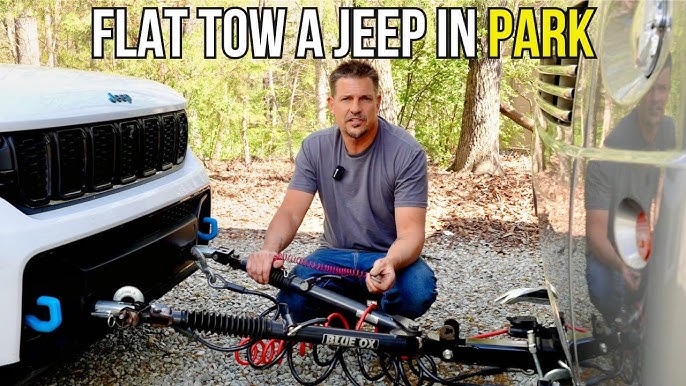
If your Jeep is flat towable, you need to set it up properly. Here’s what you’ll need:
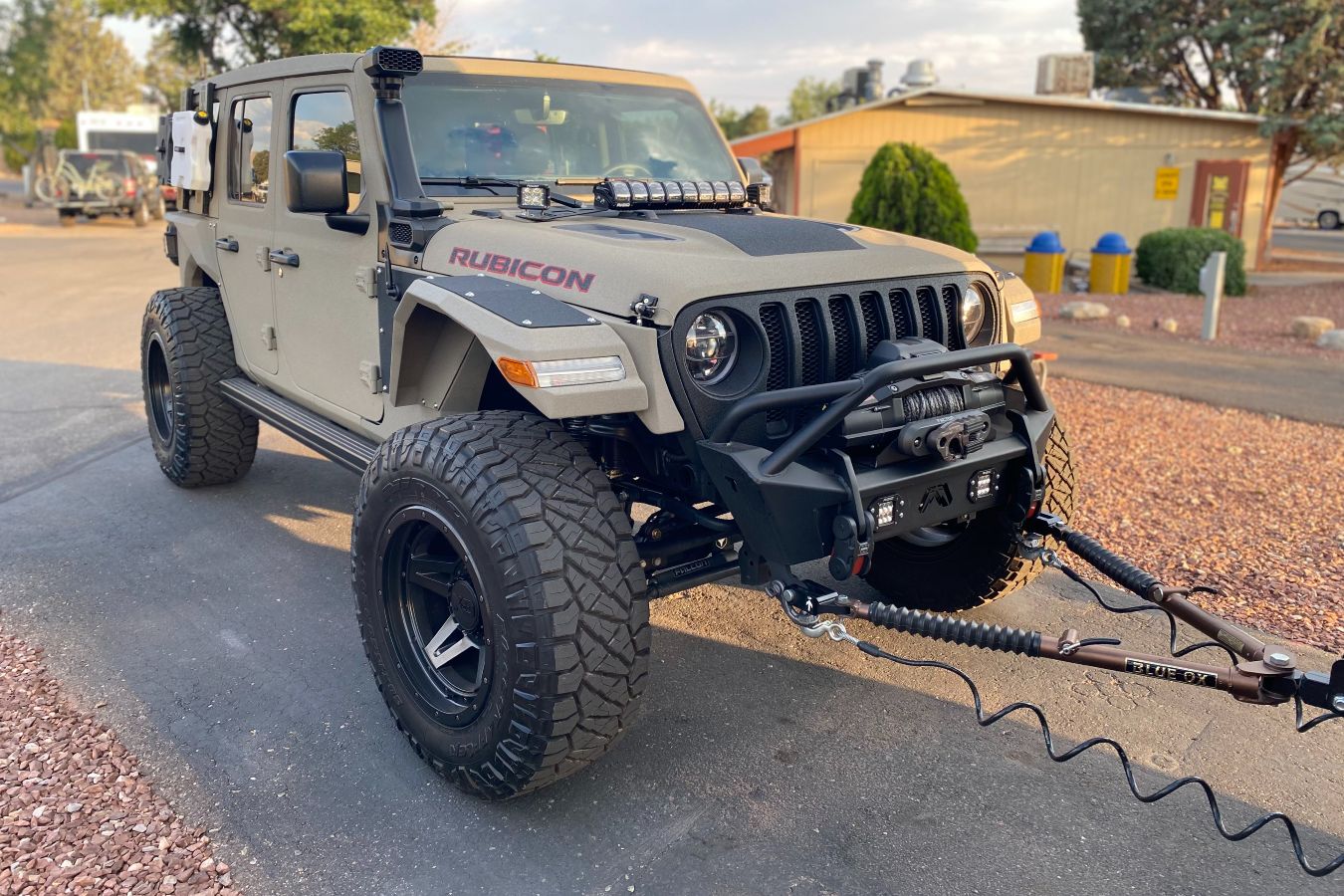
- Tow Bar: Connects your Jeep to the RV.
- Base Plate Kit: Custom mounts for your model.
- Safety Cables: Backup connection in case the tow bar fails.
- Wiring Kit: Syncs brake and turn signals with the RV.
- Brake System: Many states require a supplemental braking system for the towed vehicle.
The process usually includes:
- Shifting the transfer case to Neutral (N)
- Placing the transmission in Park
- Ensuring all lights and safety systems are connected
Always follow the steps in your owner’s manual. Improper setup can lead to expensive repairs.
For example, failing to shift the transfer case to Neutral can burn out the transmission.
Real-world Data And Experiences
Flat towing a Grand Cherokee is common among RV owners. According to a survey by FMCA (Family Motor Coach Association), Jeep models are among the top choices for flat towing due to their durability and ease of setup.
Here’s a comparison between flat towing and other methods:
| Method | Setup Time | Equipment Cost | Ease of Use |
|---|---|---|---|
| Flat Tow | 10-20 min | $1,500-$3,000 | Easy |
| Dolly Tow | 20-40 min | $2,000-$4,000 | Moderate |
| Trailer Tow | 40-60 min | $4,000+ | Difficult |
Non-obvious tip: Some RVers forget to check state laws about towing brakes. In many states, you must have a supplemental brake system for the Jeep, even if your RV is large.
Risks And Precautions
Flat towing is safe if you follow the right steps. However, mistakes can cause serious damage:
- Towing a non-flat-towable model can destroy the transmission.
- Not using a brake system increases stopping distance.
- Failing to check wiring can cause lighting issues.
Before every trip, double-check all connections and settings. Many RVers recommend doing a “walkaround” inspection before moving.
Alternatives If Your Grand Cherokee Can’t Be Flat Towed
If your vehicle isn’t flat towable, consider:
- Dolly towing (only front wheels on ground)
- Trailer towing (all wheels off ground)
These methods require more equipment and cost, but protect your vehicle from damage.
Frequently Asked Questions
Can All Jeep Grand Cherokees Be Flat Towed?
No. Only certain 4WD models with a two-speed transfer case and Neutral mode are flat towable. Always check your manual and consult your dealer.
What Happens If I Flat Tow A Grand Cherokee That Isn’t Designed For It?
You risk major transmission damage and costly repairs. Never flat tow a model unless the manufacturer specifically allows it.
Do I Need A Supplemental Brake System?
Yes. Most states require a brake system for the towed vehicle. It improves safety and reduces wear on your RV’s brakes.
How Can I Identify The Right Transfer Case?
Look for a Neutral (N) position in the transfer case selector. If your Jeep only has “4WD Auto” or “AWD,” it’s likely not flat towable.
Where Can I Get Official Towing Information?
Check your owner’s manual or visit the official Jeep website. For more details, see Jeep Owner’s Manuals.
Flat towing a Jeep Grand Cherokee is possible for many models, but not all. Always check your vehicle’s specs, follow setup instructions, and use the right equipment.
If you’re unsure, ask your dealer or consult official sources. Safe towing means more enjoyable journeys and fewer repair bills.