Jeep Wrangler owners love to make their vehicles stand out and perform better off-road. One of the most popular upgrades is a 4-inch lift kit. But after lifting your Wrangler, the next big question is: What is the best tire size for a 4 inch lift Jeep Wrangler? The answer is not as simple as picking the biggest tires you can find. The right tire size affects your Jeep’s look, performance, comfort, and safety. Let’s explore the key choices, compare options, and help you decide what works best for your Wrangler.
Why Tire Size Matters For A 4 Inch Lift
When you lift your Jeep Wrangler, you get more space between the wheels and the body. This allows for larger tires, which can improve ground clearance, off-road ability, and the overall look. However, choosing the wrong size can create problems:
- Rubbing: Tires that are too large can hit the fenders or suspension, especially when turning or going over bumps.
- Gearing Impact: Bigger tires change how your Jeep feels when accelerating or climbing hills.
- Speedometer Error: Large tires can make your speedometer and odometer less accurate.
- Fuel Economy: Heavier, larger tires often reduce miles per gallon.
So, choosing the right tire size is about finding a balance between looks, off-road performance, and daily driving comfort.
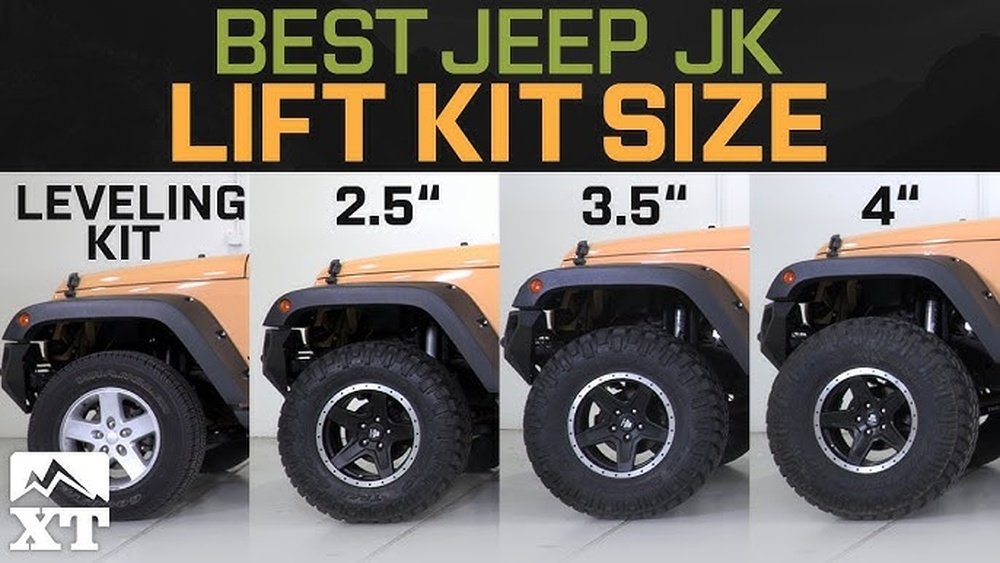
Key Factors When Choosing Tire Size
Before discussing specific sizes, here are the main things you need to consider:
- Wheel Backspacing and Offset: The distance from the back of the wheel to the mounting surface. Less backspacing (or more negative offset) pushes the wheels out, helping to clear suspension parts.
- Fender Flares and Trimming: Stock fender flares limit how big you can go without rubbing. Some people add aftermarket fender flares or trim the stock ones.
- Gearing: Larger tires may require new axle gears to restore power and fuel economy.
- Drivetrain Strength: Upgrading axles or driveshafts may be necessary for very large tires and heavy off-roading.
- Legal Limits: Some states have rules about tire coverage and lift height.
Now, let’s look at the four most popular tire sizes for a 4 inch lift Jeep Wrangler.
33 Inch Tires
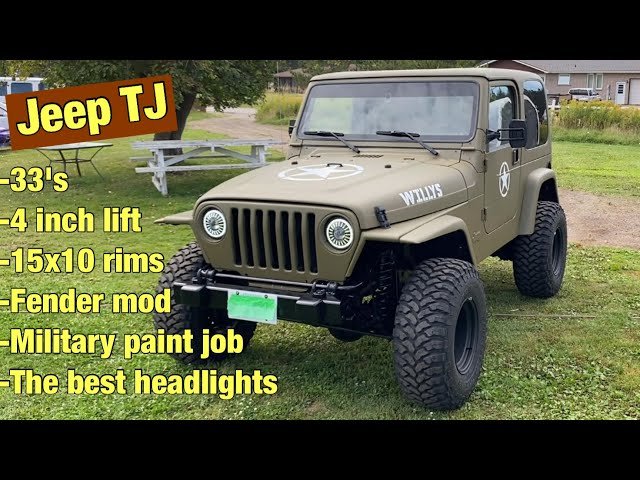
Many Jeep owners start with 33 inch tires after a 4 inch lift. A common size is 285/70R17 or 33×12.50R15. Here’s what you get:
- Fit: 33s fit easily with a 4 inch lift. Minimal or no trimming is needed, even with stock wheels and fender flares.
- Performance: Good mix of off-road ability and on-road comfort. Acceleration and braking feel close to stock.
- Fuel Economy: Only a small drop, usually 1-2 mpg.
- Looks: Provides a more aggressive look but not as dramatic as larger tires.
Non-obvious insight: Many drivers find that 33s are best for mixed use—if you drive your Jeep daily but want to tackle occasional trails, this size is a smart pick. You also avoid the need to upgrade axles or gears in most cases.
Real-world example: A 2017 Wrangler Unlimited with a 4 inch lift and 33×12.50R17 tires runs smoothly on highways, and there’s no rubbing even at full suspension flex.
Typical specs:
- Width: 10.5 to 12.5 inches
- Weight: 45-55 lbs per tire (depending on brand/model)
35 Inch Tires
35 inch tires (often 315/70R17 or 35×12.50R17) are the go-to for many off-road fans. With a 4 inch lift, 35s are close to the maximum size for comfortable, daily driving.
- Fit: 35s fit well but may need wheels with less backspacing and sometimes minor trimming, especially if you disconnect sway bars for off-roading.
- Performance: Noticeable increase in ground clearance and better traction on rocks, mud, and snow.
- Gearing impact: You’ll feel a drop in power on hills or at highway speeds, especially with stock gears. Many owners re-gear to 4.56 or 4.88 ratios for better performance.
- Fuel economy: Expect a bigger drop—usually 2-3 mpg.
Non-obvious insight: 35s put more stress on your suspension and steering components, so it’s wise to upgrade ball joints or tie rods if you wheel hard.
Real-world example: A 2015 Wrangler Rubicon with 4 inch lift, 35×12.50R17 tires, and 4.88 gears handles highways and technical trails well but needs upgraded brakes for best safety.
Typical specs:
- Width: 12.5 inches
- Weight: 55-65 lbs per tire
Comparison of 33 vs 35 Inch Tires
| Feature | 33 Inch Tires | 35 Inch Tires |
|---|---|---|
| Ground Clearance | 9.5-10.5″ | 10.5-11.5″ |
| Fuel Economy Drop | 1-2 mpg | 2-3 mpg |
| Gearing Change Needed | Rarely | Often |
| Axle Upgrade Needed | No | Sometimes |
37 Inch Tires
If you want your Jeep to stand out, 37 inch tires (like 37×12.50R17) make a big statement. They are for serious off-roaders and those who don’t mind extra work to fit them well.
- Fit: Most 4 inch lift kits can fit 37s, but you’ll almost always need aftermarket wheels with correct backspacing and may need to trim fender flares or install flat flares.
- Performance: Major improvement in obstacle clearance and visual impact. However, street handling is less sharp, and braking distance increases.
- Gearing: Re-gearing is strongly recommended (4.88 or 5.13 ratios are common).
- Drivetrain: Stronger axles (like Dana 44 or aftermarket) are highly recommended.
- Fuel economy: Significant drop—up to 4 mpg lower than stock.
Non-obvious insight: 37s can stress stock steering, brakes, and wheel bearings. Regular inspection and preventive upgrades are important for safety.
Real-world example: A 2018 Wrangler JL with a 4 inch lift, 37×12.50R17 tires, and 5.13 gears can handle Moab trails but needs heavy-duty ball joints and steering stabilizers for reliability.
Typical specs:
- Width: 12.5-13.5 inches
- Weight: 70-80 lbs per tire
38-40 Inch Tires
For the most extreme builds, 38 to 40 inch tires are possible on a 4 inch lift, but this size is not practical for most Jeep owners.
- Fit: Requires flat fender flares, aggressive wheel backspacing (around 3.5″), and sometimes body trimming. Aftermarket bump stops and extended brake lines are often needed.
- Performance: Maximum ground clearance and extreme off-road traction. Street driving becomes challenging—turning radius increases, and ride quality suffers.
- Gearing: Strongly recommended to use 5.13+ ratios.
- Drivetrain: Upgraded axles (like Dana 60), brakes, and driveshafts are a must.
- Legal issues: These tires can be illegal for road use in some states due to size and fender coverage.
Non-obvious insight: With 38-40 inch tires, you may have to reinforce your frame and steering box to prevent long-term damage from the extra weight and force.
Real-world example: A custom-built Wrangler with a 4 inch lift and 40×13.50R17 tires is a showstopper at off-road events but is trailered to events due to poor road manners.
Typical specs:
- Width: 13.5-14.5 inches
- Weight: 85-100 lbs per tire
Tire Size, Lift, and Fitment Summary
| Tire Size | Fits with Stock Fenders? | Gearing Upgrade? | Axle Upgrade? | Best For |
|---|---|---|---|---|
| 33″ | Yes | No | No | Daily/Light Off-Road |
| 35″ | Usually | Often | Sometimes | Mixed Use |
| 37″ | No | Yes | Yes | Serious Off-Road |
| 38-40″ | No | Yes | Yes | Extreme Builds |
Other Considerations: Tire Width, Type, And Wheel Size
Choosing the right diameter is just one part of the puzzle. Here are other points to keep in mind:
- Width: Wider tires give better traction but may rub more and reduce fuel economy. Most 35-40 inch tires are 12.5 to 14.5 inches wide.
- Tread Type: All-terrain tires are quieter on road, while mud-terrain tires grip better off-road.
- Wheel Size: Many Jeepers prefer 17-inch wheels for the best balance of tire sidewall flex and brake clearance.
Pro Tip: Always check the load rating and speed rating of your tires to match your driving style and Jeep’s weight.
What About Speedometer And Calibration?
Larger tires make your speedometer read lower than your actual speed. For example, if you put 35 inch tires on a Jeep built for 32 inch tires, your speedometer could be off by 5-7%. This can affect automatic transmission shifting and even stability control systems. After installing bigger tires, re-calibrate your speedometer with a tuner or have your dealer adjust it. This small detail makes a big difference for safety and comfort.
Common Mistakes To Avoid
Even experienced Jeep owners make mistakes when upgrading tires after a lift. Here are problems to watch for:
- Ignoring Backspacing: Not all wheels fit all tires, especially with wide, tall tires.
- Skipping Gearing: Running big tires with stock gears leads to poor performance and transmission stress.
- Overlooking Brakes: Heavier tires need stronger brakes for safe stopping.
- Not Upgrading Suspension Components: Stock ball joints and tie rods may fail early with 37+ inch tires.
- Forgetting Spare Tire: Your spare must match the new size or you risk damaging the drivetrain if you use it.
Cost And Maintenance
Larger tires are not just more expensive to buy; they also cost more to maintain. You may need:
- Frequent alignments: Bigger tires can pull your suspension out of alignment faster.
- More tire rotations: Aggressive treads wear unevenly if not rotated often.
- Heavier-duty parts: Budget for possible upgrades like reinforced steering or heavy-duty wheel bearings.
Fact: According to Tire Rack, the cost difference between 33 and 37 inch tires can be $200–$400 per set, not counting the extra price for upgraded wheels or suspension parts.
Which Tire Size Should You Pick?
Here’s a quick guide:
- Choose 33 inch tires if you want the safest, simplest upgrade with almost no extra modifications.
- Go for 35 inch tires if you want serious off-road ability but are ready to invest in re-gearing and possibly minor suspension tweaks.
- Pick 37 inch tires only if you’re building a dedicated off-road machine and plan to upgrade axles, gears, and other components.
- Consider 38-40 inch tires for extreme, show, or competition builds—these are not suitable for most daily drivers.
Pro Insight: For most people, 35 inch tires offer the best balance of looks, performance, and reliability on a 4 inch lift. But every Jeep and driver is different, so match your choice to your real-world needs and budget.
Frequently Asked Questions
What Is The Largest Tire Size I Can Fit On A 4 Inch Lift Jeep Wrangler Without Cutting Fenders?
Most Jeep Wranglers can fit 35 inch tires with a 4 inch lift and the right wheel offset, with little to no fender trimming. Larger tires (37″+) usually need aftermarket flat fenders or trimming to avoid rubbing.
Will 37 Inch Tires Fit With Stock Axles On A 4 Inch Lift?
You can mount 37 inch tires on stock axles, but it’s not recommended for hard off-roading. These tires put extra stress on axles, ball joints, and bearings, so many owners upgrade to stronger axles for safety and durability.
Do I Need To Re-gear My Jeep After Installing Bigger Tires?
If you move to 35 inch or larger tires, re-gearing is strongly recommended. It restores lost power, improves acceleration, and reduces strain on your transmission. For 33 inch tires, it’s usually not necessary.
How Does Bigger Tire Size Affect Gas Mileage?
Larger, heavier tires lower fuel economy. Expect a 1-2 mpg drop with 33s, 2-3 mpg with 35s, and up to 4 mpg or more with 37 inch or bigger tires. Proper gearing and tire pressure can help reduce the impact.
What Is The Best Wheel Size For Big Tires On A 4 Inch Lift?
Most Jeep owners prefer 17 inch wheels with 35-37 inch tires. This size keeps enough sidewall for off-road traction and protects the wheels from rocks, while allowing room for brake upgrades.
Upgrading tire size for your 4 inch lift Jeep Wrangler changes both the look and feel of your ride. By understanding the pros and cons of each option, you can choose the best setup for your needs on and off the trail.