Many people love the Jeep Wrangler for its rugged look and legendary off-road ability. But another reason it stands out is its reputation for being “easy to work on.” If you’re thinking about buying a Wrangler, or already own one, you may wonder if this reputation matches reality. Can someone with basic tools and knowledge handle repairs and upgrades at home? Or have modern changes made things more complex?
Let’s take a close look at what makes Jeep Wranglers unique in the world of car maintenance.
This guide will explore their design, what’s simple (and what isn’t), common jobs you can tackle yourself, and a few tips if you’re just starting out.
What Makes A Jeep Wrangler Easy To Work On?
There are a few reasons why the Wrangler is often called a “mechanic’s best friend.”
Simple, Accessible Design
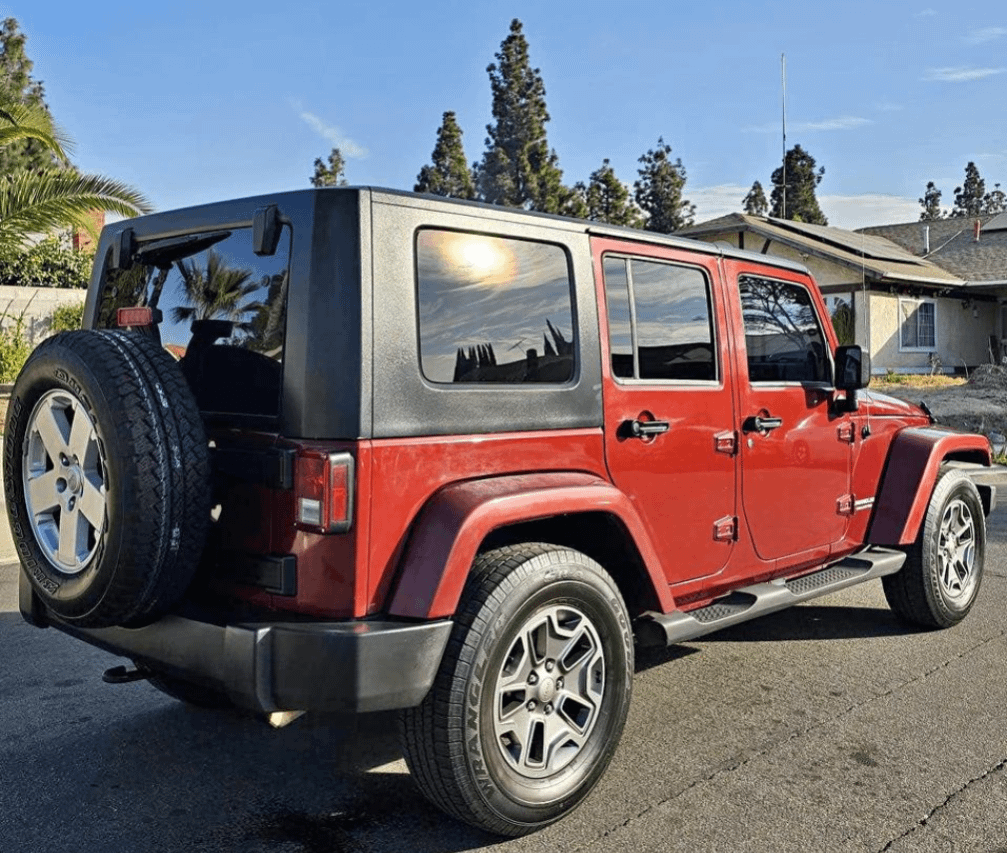
Most Wranglers, especially older models, have a body-on-frame construction. This means the body sits on a strong, separate frame. It’s similar to how trucks are built. This design makes it easier to remove parts like fenders, doors, and even the roof. Many cars today use a unibody design, which is harder to take apart.
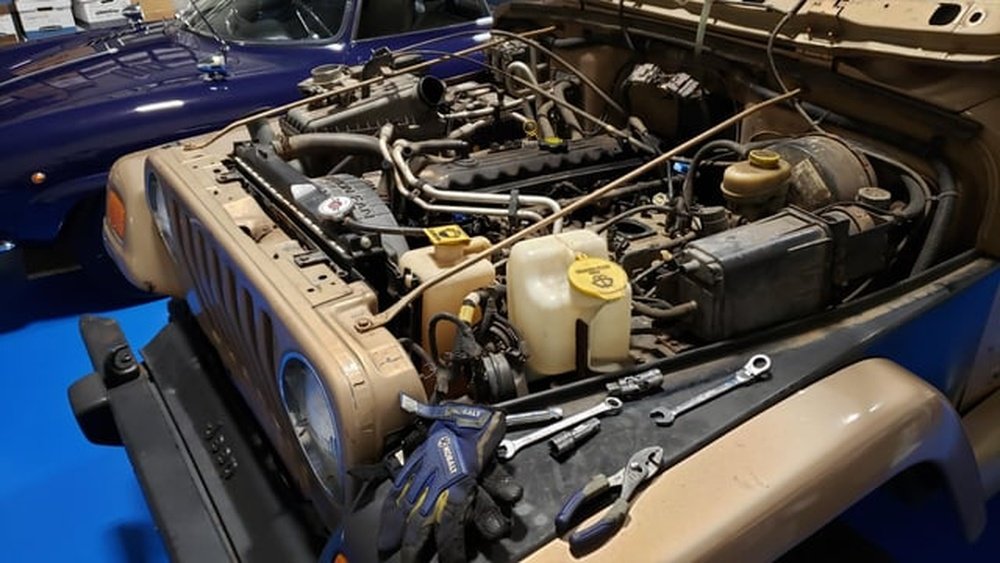
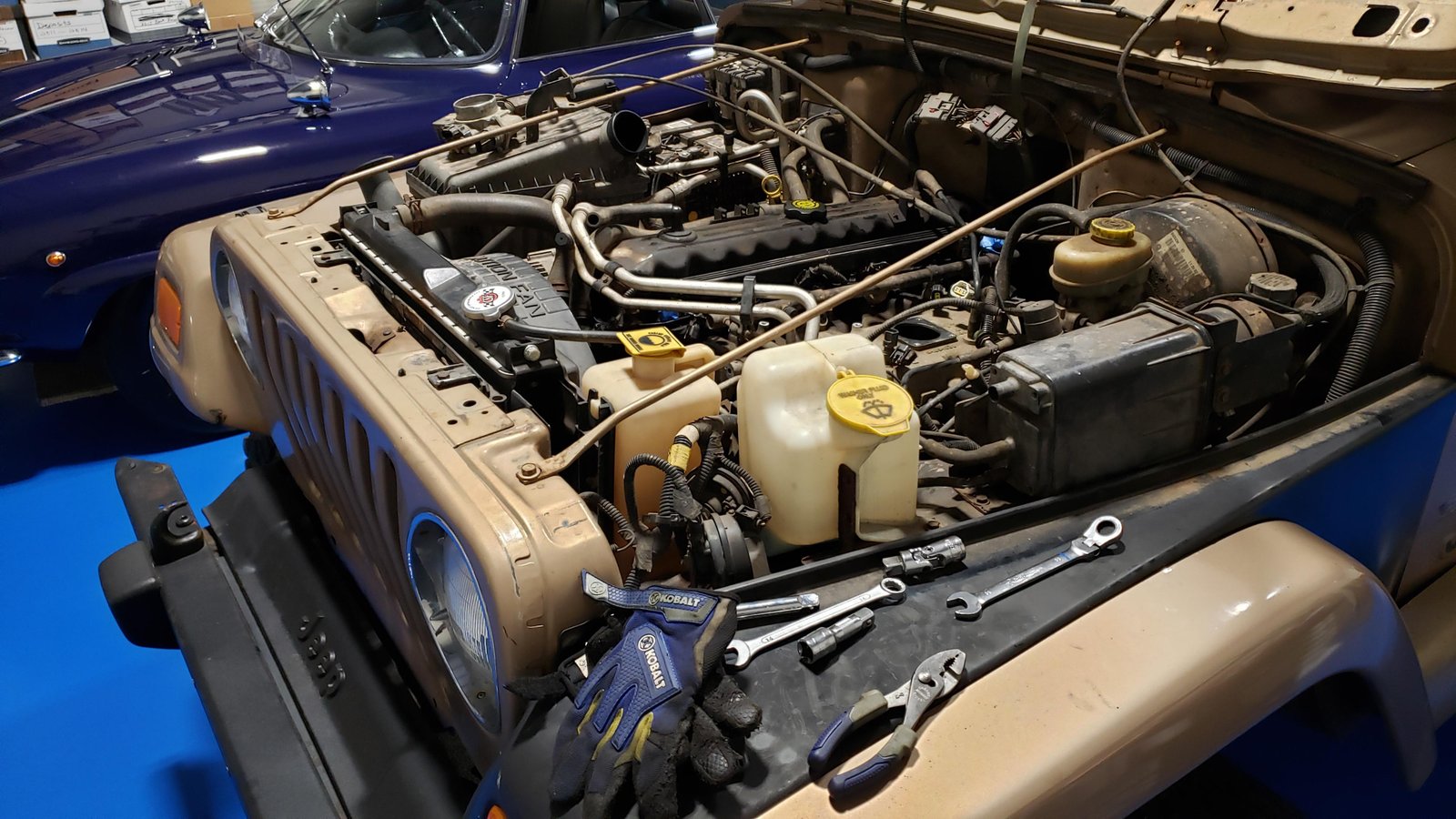
Under the hood, Wranglers usually have plenty of space to reach the engine, battery, and other main parts. Even a beginner can find and identify basic components without much trouble.
Popularity And Community Support
Jeep Wranglers have a huge, active community. There are countless forums, YouTube channels, and clubs focused on Wrangler repairs and upgrades.
If you get stuck, you’ll almost always find someone who’s done the job before. Finding guides, step-by-step videos, and advice is easy.
Aftermarket Parts And Modularity
Wranglers are built to be customized. Many owners add bigger tires, new bumpers, or lift kits. Because of this, the aftermarket industry for Wranglers is massive. You can find thousands of parts made to fit with minimal adjustments. The modular design means you can swap many parts without special tools.
Are All Jeep Wranglers Equally Easy To Work On?
Not every Wrangler is the same. The model year and engine type can affect how simple repairs are.
Here’s a quick comparison of how different Wrangler generations stack up:
| Generation | Years | Ease of DIY Repairs | Tech Complexity |
|---|---|---|---|
| YJ | 1987–1995 | Very Easy | Low |
| TJ | 1997–2006 | Easy | Low–Medium |
| JK | 2007–2018 | Moderate | Medium |
| JL | 2018–Present | More Challenging | High |
Older Wranglers (YJ, TJ) have fewer electronics and simpler engines. This makes them less intimidating for beginners. Newer models (JK, JL) offer more comfort and safety features, but they also have more sensors, wiring, and computer systems. This can make some jobs harder if you don’t have the right tools.
Common Diy Jobs On A Jeep Wrangler
Wranglers are famous for jobs you can do with just a basic set of tools. Here are some tasks that owners often handle themselves:
- Oil changes – The oil filter and drain plug are easy to reach.
- Replacing headlights/taillights – Most can be swapped out with just a screwdriver.
- Changing air filters – Usually takes less than 10 minutes.
- Swapping tires – The spare is often mounted on the back for quick access.
- Battery replacement – Located in a simple, open spot under the hood.
- Brake pad and rotor replacement – The wheel wells are large, making access simple.
Here’s a look at the average time for some common DIY tasks:
| Task | Estimated Time | Skill Level |
|---|---|---|
| Oil Change | 30–45 minutes | Beginner |
| Replacing Headlights | 20–30 minutes | Beginner |
| Brake Pads | 1–2 hours | Intermediate |
| Suspension Lift | 4–6 hours | Advanced |
What’s Not So Easy?
While many repairs are simple, a few things can trip up even experienced home mechanics:
Modern Electronics
Newer Wranglers have advanced electronic control modules (ECMs). If you want to replace a stereo, repair a sensor, or fix a warning light, you may need special scan tools. Diagnosing electrical problems can be tricky without training.
Tight Spaces On Newer Models
As Wranglers added more features (like air conditioning, airbags, and emissions tech), space under the hood got tighter. Tasks that were simple on an older Wrangler might require removing more parts first on a JL.
Rust And Corrosion
Many Wranglers see tough conditions—mud, snow, salty roads. Over time, bolts and parts can become rusted and hard to remove. This is especially true for frame bolts, suspension parts, and exhaust components. Having a breaker bar, rust penetrant, and patience is important.
Advanced Suspension And Drivetrain Repairs
While changing shocks or springs is doable, some jobs like rebuilding the transmission or transfer case are best left to professionals unless you have advanced tools and experience.
Real-world Examples From Wrangler Owners
Let’s look at some typical experiences:
- Tina, 2005 TJ owner: “I swapped my bumpers and did a full brake job in my garage. The hardest part was a few rusty bolts, but everything else was straightforward. The Wrangler’s design is so open.”
- Mark, 2019 JL owner: “Changing the oil is still pretty easy, but I wanted to add off-road lights. With all the new wiring and sensors, I had to watch several videos and buy a special harness.”
- Jake, 1998 TJ owner: “I’ve owned mine for 10 years. I’ve done everything from replacing the water pump to installing a lift kit. The older models are perfect for learning.”
These stories show that while almost anyone can handle basic jobs, newer Wranglers may require more research and patience.
Essential Tools For Working On A Jeep Wrangler
If you want to do your own repairs, you’ll need a few basic tools. Here’s a list to get started:
- Socket set (metric and standard)
- Wrenches (combination or ratcheting)
- Screwdrivers (flat and Phillips)
- Pliers and needle-nose pliers
- Jack and jack stands
- Torque wrench (for wheels and suspension)
- Breaker bar (for tough bolts)
- Rust penetrant spray (like PB Blaster)
- Trim removal tools (for interior work)
- OBD-II scanner (for newer Wranglers)
For most jobs, these tools are enough. For suspension lifts, axle work, or body modifications, you might need spring compressors or specialty pullers.
Cost Savings: Diy Vs. Shop Repairs
Many Wrangler owners choose to do their own repairs to save money. Here’s a quick comparison of average costs:
| Repair | DIY Cost (Parts Only) | Shop Cost (Parts + Labor) |
|---|---|---|
| Oil Change | $40–$60 | $90–$120 |
| Brake Pads (Front) | $75–$150 | $200–$350 |
| Bumper Replacement | $300–$600 | $700–$1,200 |
| Suspension Lift | $500–$1,500 | $1,500–$3,000 |
As you can see, doing the work yourself can save hundreds or even thousands of dollars.
Non-obvious Insights For Beginners
- Label your bolts and parts. When you remove multiple parts, especially for bigger jobs like a suspension lift, use bags and labels. This saves huge headaches during reassembly.
- Check for special Wrangler-only tools. Some jobs require unique tools, like a pitman arm puller or a Torx bit set. Having the right tool can make a 2-hour job take only 20 minutes.
- Join a Jeep community. Don’t underestimate the value of Wrangler forums or local clubs. They often organize “wrenching parties” where experienced owners help beginners.
- Plan for rust. Keep rust penetrant, wire brushes, and extra hardware on hand. Even simple jobs can take longer if bolts are seized.
- Mind the warranty. If your Wrangler is still under warranty, check the details before doing major modifications. Some upgrades or repairs can void coverage.
When Should You Go To A Professional?
While many Wrangler tasks are beginner-friendly, there are times when expert help is wise:
- Engine/transmission rebuilds
- Airbag or major electrical repairs
- Complex computer diagnostics
- Major frame or bodywork after an accident
For regular maintenance and light repairs, most Wrangler owners can handle things at home. But for safety-critical or highly technical jobs, the investment in a professional is worth it.
Is Working On A Jeep Wrangler Right For You?
If you enjoy hands-on projects and want to learn more about your vehicle, the Wrangler is a great platform. Even if you’re not a pro mechanic, you’ll find that many repairs and upgrades are within reach.
The wide community, easy parts availability, and simple design (especially on older models) make the Wrangler stand out.
However, be realistic about your comfort level. Start with small jobs and work your way up.
Always use jack stands and safety gear. Take your time, use reliable guides, and ask for help when you need it.
Frequently Asked Questions
Is It Easy For A Complete Beginner To Work On A Jeep Wrangler?
Yes, many basic jobs like oil changes, air filter swaps, and light upgrades are simple. Older Wranglers are especially forgiving. However, for anything involving the electrical system or advanced suspension work, beginners should go slow and ask for guidance.
Are Parts For Jeep Wranglers Expensive Or Hard To Find?
No, parts for Wranglers are usually easy to find and reasonably priced. The strong aftermarket means you have many choices, from budget to premium.
Local stores, online retailers, and junkyards often have what you need.
Does Working On A Newer Wrangler (jl, Jk) Require Special Tools?
Some jobs on newer models require OBD-II scanners, Torx bits, or electronic reset tools. For most maintenance, standard tools are enough, but always check your service manual first.
Can I Install A Suspension Lift At Home, Or Should I Use A Shop?
Many Wrangler owners install lifts at home, but it’s a big job. You’ll need jacks, stands, and possibly specialty tools.
If you’re not confident, a shop can ensure proper alignment and safety.
Where Can I Find Reliable Guides For Wrangler Repairs?
The best sources are Wrangler-specific forums, YouTube channels, and the official Jeep service manual. One good starting point is the official Jeep website for up-to-date service info.
Jeep Wranglers have earned their reputation for being easy to work on, especially older models. If you’re patient, willing to learn, and have basic tools, you can handle most tasks yourself. Just remember: every repair is a chance to get to know your vehicle better, save money, and enjoy the Jeep lifestyle.