The Wrangler is easy to recognize, but buyers still ask whether it counts as an SUV. The classification is straightforward. The ownership trade-offs deserve the longer explanation.
Quick Answer
Yes. The Wrangler is an SUV, with a design centered on four-wheel-drive capability and open-air features.
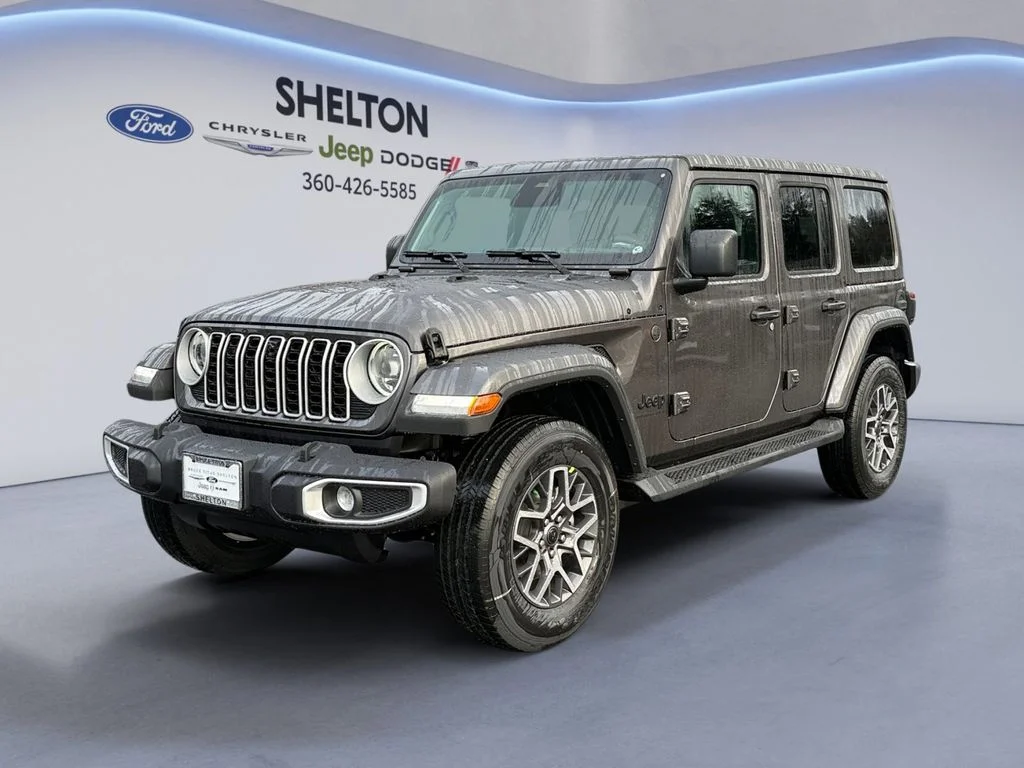
The more useful question is whether its road comfort, cargo, roof setup and trail-focused character fit your routine.
SUV Label Does Not Describe Daily Comfort
A classification tells you the vehicle category, not whether the ride, noise level or cargo space will suit your commute. Drive the Wrangler on the roads you use every week.
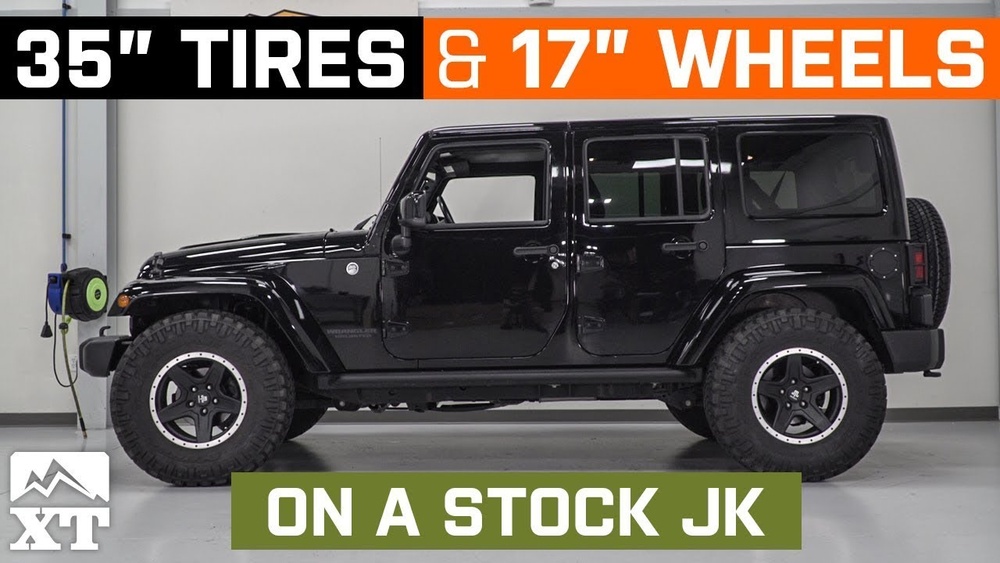
Two-Door and Four-Door Models Feel Different
Passenger access, wheelbase, cargo room and parking change with the body style. Compare the versions separately instead of treating every Wrangler as one vehicle.
Open-Air Features Are a Real Ownership Choice
Removable roof panels and doors appeal to many buyers, but storage, weather and security habits matter. Decide how often you would use the feature.
Trail Equipment Can Affect the Road Experience
Tires, gearing, suspension and accessories influence steering, noise and fuel use. A trail-ready setup should still match the amount of normal driving you expect.
Compare Another SUV Before Buying
A second test drive provides useful context for ride quality, visibility, passenger comfort and storage. Choose the Wrangler because the trade-offs work for you, not because the badge settles the question.
What to Test During a Family Drive
Sit in every row you plan to use, install a child seat when relevant and load normal bags. Check entry, visibility, rear-seat comfort and the effort required to open or store roof panels.
SUV Insurance and Registration Questions
Classification for registration or insurance may depend on local rules and the exact vehicle. Use the VIN and ask the insurer or local authority when paperwork matters.
Why the SUV Label Matters Less Than the Test Drive
The Wrangler is an SUV, but the label does not tell you whether the ride and cabin suit your routine. Spend time on rough pavement, highway lanes and tight parking spaces.
Open-Air Features Need Storage Space
Hardtop panels, soft-top windows and removed doors need a safe place when they are off the Jeep. Plan that space before treating removable parts as a free benefit.
Key Details to Check
| Item | What to verify | Why it matters |
|---|---|---|
| Body style | Two-door or four-door Wrangler | Passenger and cargo needs differ |
| Roof setup | Hardtop, soft top or removable panels | Changes storage and weather planning |
| Road use | Commute distance and highway driving | Noise and ride matter every week |
| Trail use | Actual terrain and recovery needs | Capability should solve a real need |
Check Rear-Seat Access Before Family Use
Two-door access may work for occasional passengers and frustrate a household using child seats. Try the real seating arrangement before buying.
Road Manners Still Matter for an SUV
Wrangler buyers often focus on capability, but everyday road behavior deserves equal attention. Drive over patched pavement, join a highway and make a tight turn in a parking lot.
Listen for tire noise and decide whether the ride suits your normal schedule.
Cargo Planning Changes by Body Style
A four-door Wrangler offers a different cargo and rear-seat experience from a two-door. Bring luggage, tools or a child seat during the comparison.
Fold the seats and check whether the opening works for the items you carry most often.
Insurance and Tire Costs Belong in the Comparison
Get an insurance estimate and price the fitted tire size before buying. Trail-focused tires and accessories may increase ownership expense.
The SUV label does not tell you how much the Jeep will cost to use every month.
Open-Air Use Requires a Routine
Decide where roof panels, doors or soft-top windows will be stored. Protect removed parts from scratches and weather.
A feature that looks easy in a short video may need time, space and help in real ownership.
Compare One Conventional SUV
Drive a road-focused SUV after the Wrangler. The contrast helps you judge cabin noise, ride, cargo access and passenger comfort.
Choose the Wrangler when its distinct benefits remain worth the trade-offs for your household.
Check Towing Needs Separately
SUV classification does not prove one Wrangler fits a trailer plan. Use the exact configuration, payload label and owner guide.
Add passengers, cargo and tongue weight before deciding whether the vehicle suits towing.
Plan for Weather Exposure
A Wrangler with removable roof parts deserves a weather routine. Inspect seals, carpets and drain areas after rain.
Store panels where they will not scratch or warp when they are off the vehicle.
Review Registration and Local Rules
Insurance or registration categories may use local definitions. When paperwork matters, use the VIN and ask the insurer or authority rather than relying on a general SUV article.
The Wrangler label answers the broad question, while the vehicle record answers the official one.
Step-by-Step Review
- Choose the Wrangler body style.
- Test-drive on normal roads.
- Check passenger and cargo access.
- Review roof storage needs.
- Compare another SUV before buying.
Common Mistakes to Avoid
- Treating the SUV label as a comfort review
- Ignoring body-style differences
- Buying trail equipment without a trail plan
- Skipping a family cargo test
Frequently Asked Questions
Is a Wrangler an SUV?
Yes. It is an SUV with a distinct open-air and off-road-focused design.
Is a two-door Wrangler as practical as a four-door?
The answer depends on passengers, cargo and parking needs.
Should I compare another SUV?
Yes. A second drive gives useful context.
Final Takeaway
The Wrangler is an SUV, but the label is only the first answer. Drive both body styles, plan roof storage and confirm the cabin works for your passengers.