Are Jeep Rubicons Safe?
When people think of the Jeep Rubicon, they often picture tough trails, rocky climbs, and muddy adventures. But what about daily life—are Jeep Rubicons safe for you and your family? Many drivers want both excitement and security in their vehicles. Let’s break down the facts about Rubicon safety, from crash test results to real-world experiences.
Key Safety Features Of The Jeep Rubicon
The Rubicon is known for its off-road skills, but it comes packed with modern safety features too.
- Advanced airbag system: Multiple airbags protect both driver and passengers.
- Electronic Stability Control (ESC): Helps you stay in control on slippery roads.
- Blind spot monitoring: Alerts you when a car is in your blind spot.
- Forward collision warning: Warns about possible front-end crashes.
- Rear cross-path detection: Helps when backing out of parking spots.
Newer Rubicon models also offer adaptive cruise control and automatic emergency braking, making highway driving safer.
Crash Test Ratings And Data
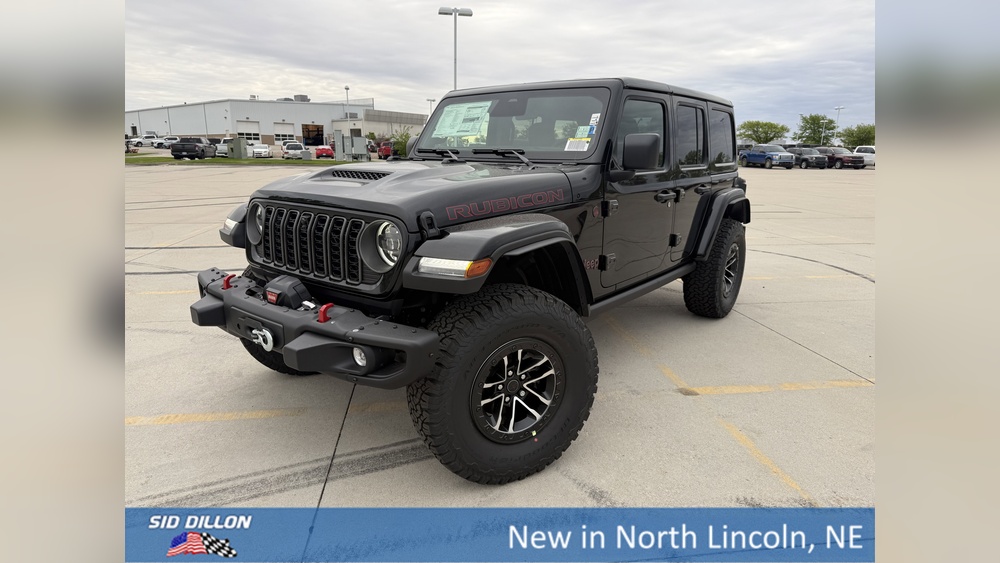
Safety groups like the National Highway Traffic Safety Administration (NHTSA) and Insurance Institute for Highway Safety (IIHS) test many SUVs, including the Jeep Rubicon (as part of the Wrangler lineup).
| Crash Test | NHTSA Rating (out of 5) | IIHS Rating |
|---|---|---|
| Overall | 4 | Marginal/Acceptable |
| Frontal Crash | 4 | Marginal |
| Side Crash | 3 | Poor/Marginal |
| Rollover | 4 | Good |
The Rubicon performs well in rollover tests thanks to its strong frame and wide stance, but side crash ratings are not as high as some other SUVs.
Off-road Safety Vs. On-road Safety
Jeep Rubicons are built for tough terrain, but safety needs change when you leave the trail and drive on city streets.
Off-road Benefits
- High ground clearance: Reduces risk of damage on rough roads.
- Strong axles and skid plates: Protect vital parts from rocks and debris.
- Four-wheel drive: Better control in mud, snow, and rain.
On-road Considerations
- Taller center of gravity: More likely to tip than a sedan in sharp turns.
- Heavier build: Can affect stopping distance and handling.
- Removable doors and roof: Fun for adventure, but less protection in side impacts.
If you mostly drive in cities or highways, you’ll want to pay attention to how these features affect daily safety.
Real-world Accident Data
Statistics show that Jeep Rubicons have a lower injury rate in rollovers compared to many other SUVs, largely because of their roll bars and solid construction. However, they do have a slightly higher rate of minor side-impact injuries, especially when doors or roofs are removed.
Recent NHTSA data reports that Jeep Wrangler models (including Rubicon) have a fatality rate similar to other midsize SUVs. Most accidents happen due to driver error, not vehicle flaws.
What Owners And Experts Say
Many Jeep Rubicon owners feel secure in their vehicles. They like the rugged build and the feeling of control on and off-road. However, some owners note that the ride can feel “bouncy” or “top-heavy,” which takes getting used to, especially for new SUV drivers.
Automotive experts praise the Rubicon’s off-road safety, but they often remind buyers that it’s not designed for high-speed cornering or racing. The Rubicon is safest when driven with care, especially at higher speeds or in busy traffic.
How Jeep Rubicon Compares To Other Suvs
To put things in perspective, here’s a quick comparison of the Jeep Rubicon with two popular midsize SUVs: the Toyota 4Runner and Ford Bronco.
| Feature | Jeep Rubicon | Toyota 4Runner | Ford Bronco |
|---|---|---|---|
| Rollover Rating | 4/5 | 4/5 | 4/5 |
| Side Impact Rating | 3/5 | 5/5 | 4/5 |
| Standard Airbags | Front & Side | Front & Side | Front & Side |
| Blind Spot Monitor | Optional | Standard | Standard |
The Rubicon is strong in rollover safety and off-road features, but some rivals do better in side impact protection and offer more advanced safety tech as standard.

Non-obvious Insights For Buyers
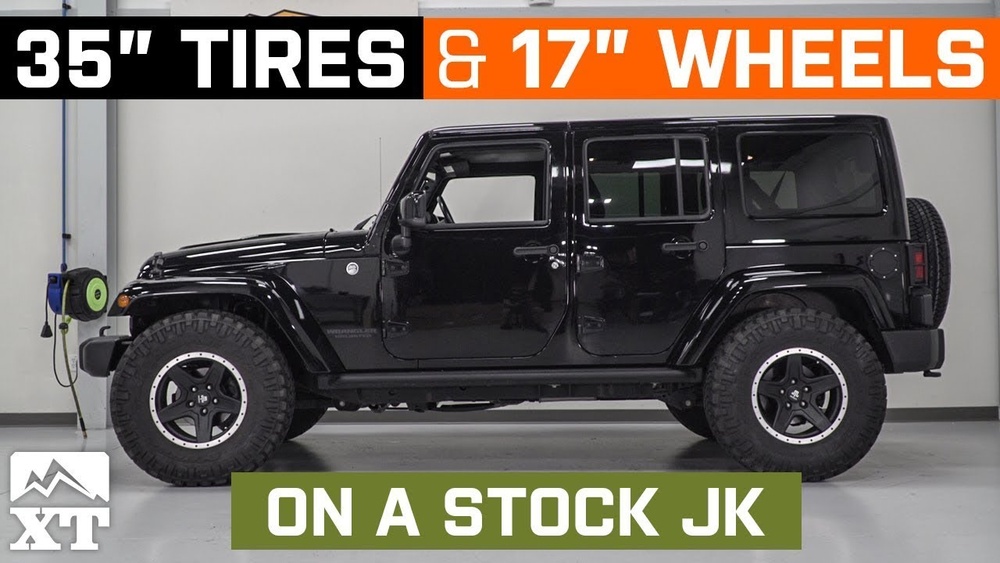
- Tire choice matters: Many Rubicons come with large, knobby tires for off-road use. These tires can increase stopping distance on wet pavement and are noisier on highways. Choosing all-terrain or road-focused tires improves on-road safety.
- Safety depends on configuration: Removing the doors and roof is part of the Jeep experience, but it lowers side-impact protection. If you plan to use the Rubicon as a daily family car, keep the doors and roof on during regular driving.
- Weight and handling: The Rubicon’s heavy build gives it off-road strength, but it also means slower stopping and less nimble handling. New drivers should practice in a safe area before tackling tight city streets.
- Crash avoidance systems: Some Rubicon trims lack features like automatic emergency braking. Always check the safety options before you buy.
Simple Tips To Stay Safe In A Rubicon
- Always wear your seatbelt, even off-road.
- Avoid sharp turns at high speed.
- Use the right tires for your driving environment.
- Keep doors and roof on for daily commuting.
- Check for available safety packages before buying.
The Bottom Line
The Jeep Rubicon is a safe vehicle for many situations, especially if you value off-road ability and rugged design. It has solid ratings in rollover protection and modern safety tech, but it’s not the top choice for side-impact safety compared to some other SUVs. Safety improves when you keep the doors and roof attached and drive with care, especially on paved roads.
If you want a vehicle that can go almost anywhere and you understand its unique driving feel, the Rubicon can be a safe and fun choice.
Always check for the latest features and drive responsibly, whether you’re on a mountain trail or your daily commute.
For more official safety data, see the NHTSA website.
Frequently Asked Questions
Is The Jeep Rubicon Safe For Families?
Yes, the Jeep Rubicon offers modern safety features and a strong frame, making it suitable for families. However, it’s best to keep the doors and roof on for daily use.
How Does The Rubicon Perform In Crash Tests?
The Rubicon scores 4 out of 5 in most NHTSA crash tests and does well in rollover protection. Side-impact ratings are lower than some other SUVs.
Is It Safe To Remove The Doors And Roof?
Removing the doors and roof is legal and fun for off-roading, but it reduces side-impact protection. For city driving, keep them on for maximum safety.
What Are Common Safety Mistakes With Rubicons?
Some drivers forget to adjust tire choice for the road, or they take sharp corners too fast. Using the right tires and driving cautiously helps prevent accidents.
Does The Rubicon Have Advanced Safety Technology?
Many new Rubicon models include blind spot monitoring, forward collision warning, and rear cross-path detection. Not all trims offer every feature, so check before buying.