Many people love the Jeep Renegade for its unique style and compact size. But when it comes to safety, questions often come up.
Can you trust the Renegade to protect you and your family? Let’s take a close look at the facts, the test results, and what real owners say about the Renegade’s safety.
Crash Test Ratings: How The Renegade Performs
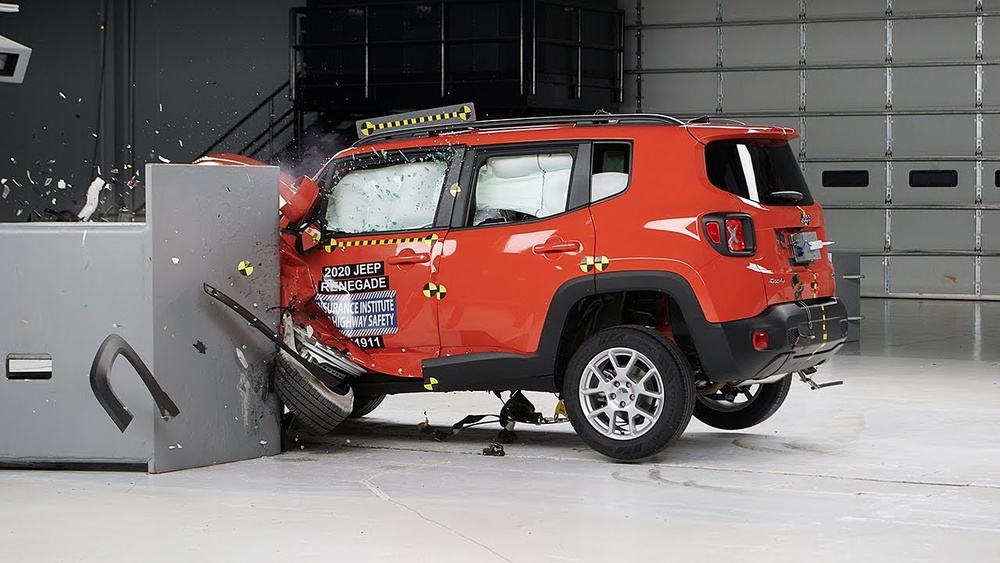
One of the best ways to judge a car’s safety is to look at crash test ratings. The Jeep Renegade has been tested by both the National Highway Traffic Safety Administration (NHTSA) and the Insurance Institute for Highway Safety (IIHS).
| Test | Rating (Out of 5 Stars) |
|---|---|
| Overall NHTSA Rating | 4 stars |
| Frontal Crash | 4 stars |
| Side Crash | 5 stars |
| Rollover | 4 stars |
These results show the Renegade does well, especially in side crash tests. The rollover rating is also strong for a small SUV. However, it does not reach the full 5-star rating overall, which some competitors do.
The IIHS also rates the Renegade as “Good” in most crash categories. However, one area where the Renegade scores lower is the small overlap front test, which checks what happens if only part of the front hits an object. Here, the Renegade sometimes gets an “Acceptable” score instead of “Good.”
Key Safety Features In The Jeep Renegade
Modern cars come with many features to keep you safe, and the Renegade is no different. Here are some of the main safety features you’ll find:
- Electronic Stability Control: Helps stop skidding during sudden moves.
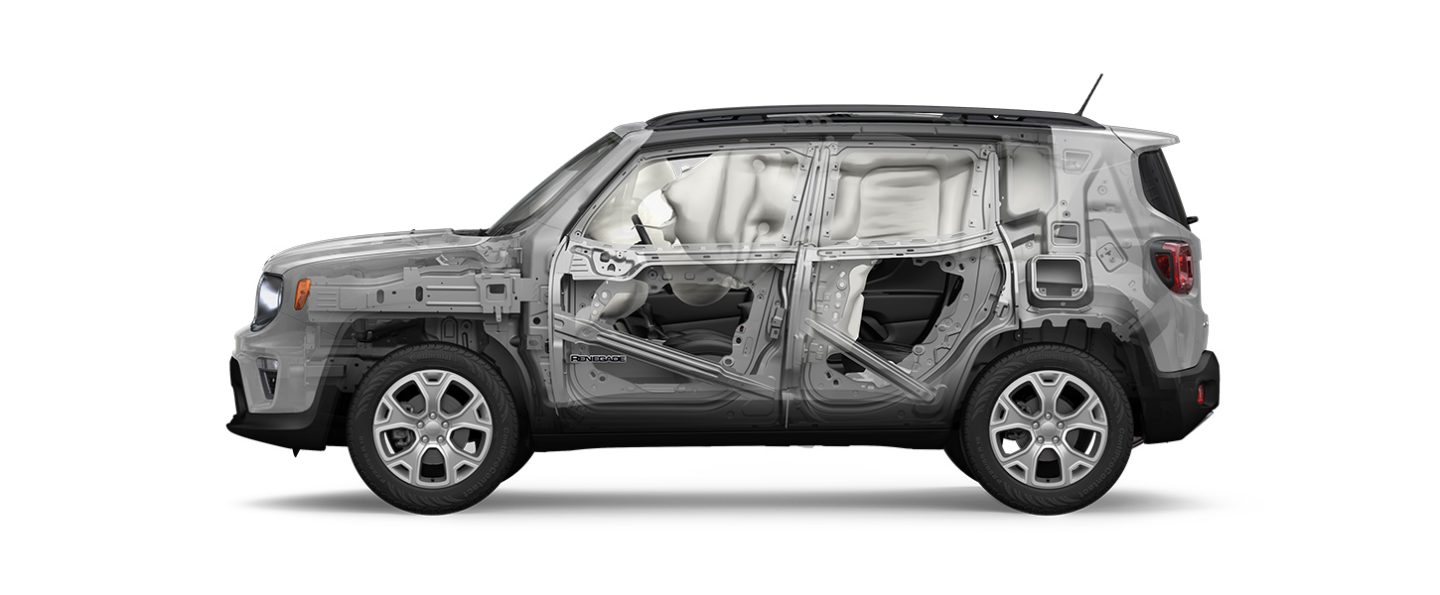
- Multiple Airbags: Includes front, side, and curtain airbags for driver and passengers.
- Rearview Camera: Standard on newer models, helps when backing up.
- Automatic Emergency Braking: Available on higher trims, can help avoid crashes.
- Blind Spot Monitoring: Warns you if a car is in your blind spot.
- Lane Departure Warning: Alerts you if you drift out of your lane.
Not all these features come standard. Lower trims may lack some advanced options.
If safety is your top concern, choose a trim with the full suite of features.
Real-world Safety: Owner Experiences And Insurance Data
Crash tests and features are important, but real-world safety also depends on how a car performs in daily use. Insurance claims data and owner experiences give extra insight.
According to the Highway Loss Data Institute (HLDI), the Renegade has average results for personal injury and collision claims. It is not the cheapest to insure, but it is not the most expensive either. Some owners mention they feel confident in bad weather, thanks to all-wheel drive and high ground clearance.
However, a few drivers note that visibility out the back can be limited, especially for shorter drivers. Adjusting mirrors and using the rearview camera helps, but it’s worth checking for yourself during a test drive.
How Does The Renegade Compare To Other Small Suvs?
Many people compare the Renegade to other popular small SUVs like the Honda HR-V, Subaru Crosstrek, and Mazda CX-30. Here’s how the Jeep Renegade’s safety stacks up:
| Model | NHTSA Overall Rating | IIHS Top Safety Pick |
|---|---|---|
| Jeep Renegade | 4 stars | No |
| Honda HR-V | 5 stars | No |
| Subaru Crosstrek | 5 stars | Yes |
| Mazda CX-30 | 5 stars | Yes |
The Renegade’s ratings are good but not class-leading. Some rivals offer more standard safety features or top safety awards.
This doesn’t mean the Renegade is unsafe, but if you want the very highest ratings, check the competition as well.
Two Insights Many Buyers Overlook
- Trim Level Matters: Many buyers don’t realize that base models may lack important safety tech. For example, automatic emergency braking and blind spot monitoring are often missing on lower trims. Always check the features list for the exact model you’re considering.
- Tire Quality Affects Safety: The Renegade’s off-road design means some trims come with all-terrain tires. These are great for dirt and snow but may be noisier or have less grip on dry roads. If you mostly drive in the city, consider switching to regular tires for better handling and braking.
Common Safety Mistakes With The Jeep Renegade
- Ignoring seat height adjustment: The Renegade’s upright seating can feel different. Adjust the seat and mirrors for the best view.
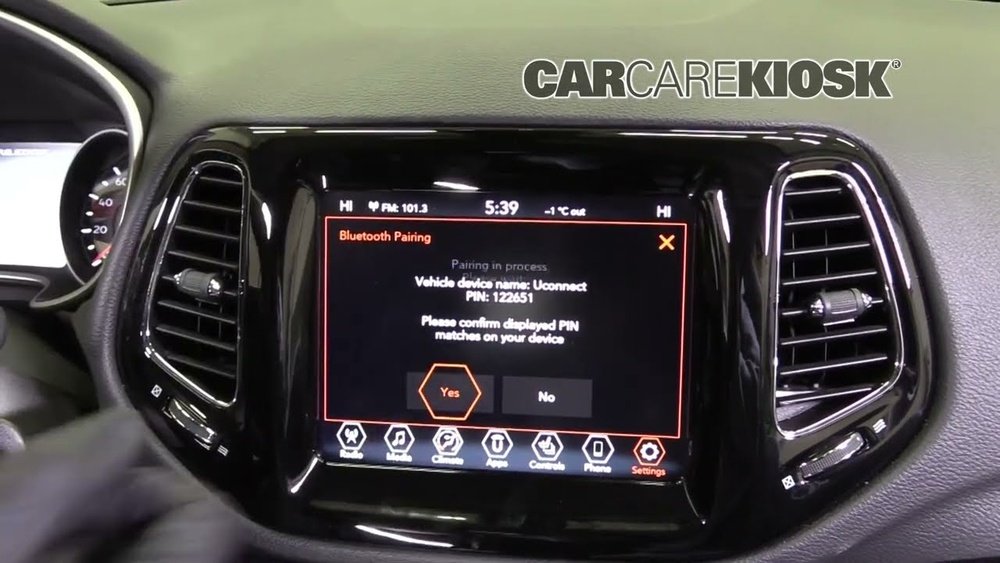
- Not activating all safety systems: Some features need to be turned on in the menu. Make sure things like lane departure warning are set up before you drive.
- Forgetting about cargo: Packing heavy items high up can affect how the Renegade handles in an emergency. Keep weight low and secure.
The Bottom Line On Jeep Renegade Safety
The Jeep Renegade is a safe small SUV with solid crash test scores, a range of modern safety features, and average insurance results. It’s not the very top in its class, but it offers good protection—especially if you pick a higher trim with more technology. As always, take a careful test drive and check the actual features on the model you want. Safety is about more than numbers; it’s about how you feel behind the wheel.
For more information on crash test ratings, you can visit the NHTSA official website.
Frequently Asked Questions
Is The Jeep Renegade A Good Car For Families?
The Renegade works well for small families thanks to its spacious cabin and many airbags. If you need to fit large car seats or lots of luggage, check the fit before buying. Some larger SUVs may offer more space.
Does The Jeep Renegade Have Automatic Emergency Braking?
Automatic emergency braking is available on higher trims and newer models. It is not always standard, so check the features list or ask your dealer before you buy.
How Does The Renegade Do In Snowy Or Rainy Weather?
Thanks to all-wheel drive and higher ground clearance, the Renegade handles well in bad weather. Many owners feel secure in rain or snow, but always use the right tires for your area.
Are Repairs Expensive After An Accident?
Repair costs are about average for small SUVs. Some Jeep parts can be pricier than mainstream brands, but insurance rates reflect this.
It’s wise to compare quotes from different repair shops.
What Year Is The Safest Jeep Renegade?
Newer models (2019 and later) offer more advanced safety features and better crash test results. If you want the safest choice, look for the latest year you can afford.