Getting your 2020 Jeep Wrangler into 4WD can make a big difference when driving off-road, in mud, or on snow. Many drivers worry about when and how to shift their Jeep, fearing damage or confusion.
If you’re new to four-wheel drive or just want to use it correctly, understanding the right process is essential.
With the Wrangler, shifting is simple if you know the steps and understand the system. Let’s break down how to shift your 2020 Jeep Wrangler into 4WD, highlight common mistakes, and compare key features to help you get the most out of your vehicle.
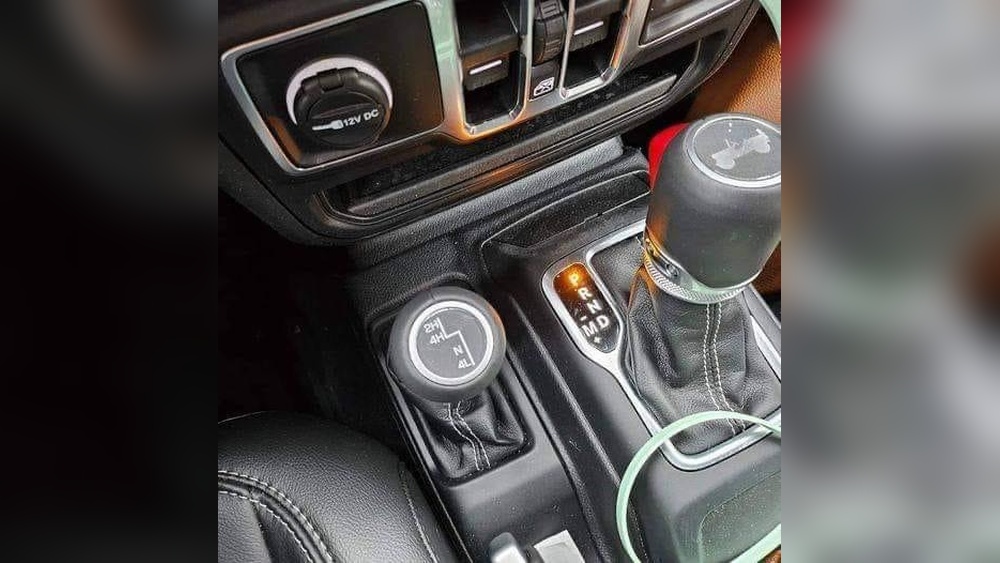
Understanding 4wd In The 2020 Jeep Wrangler
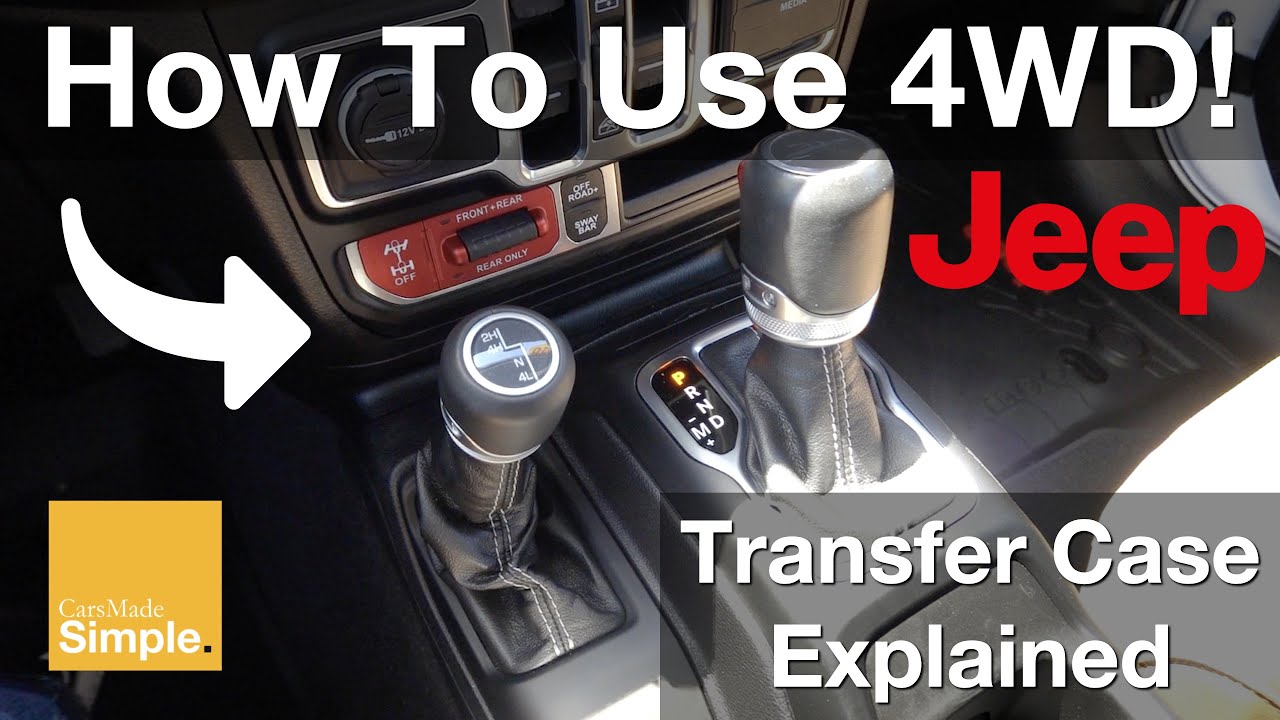
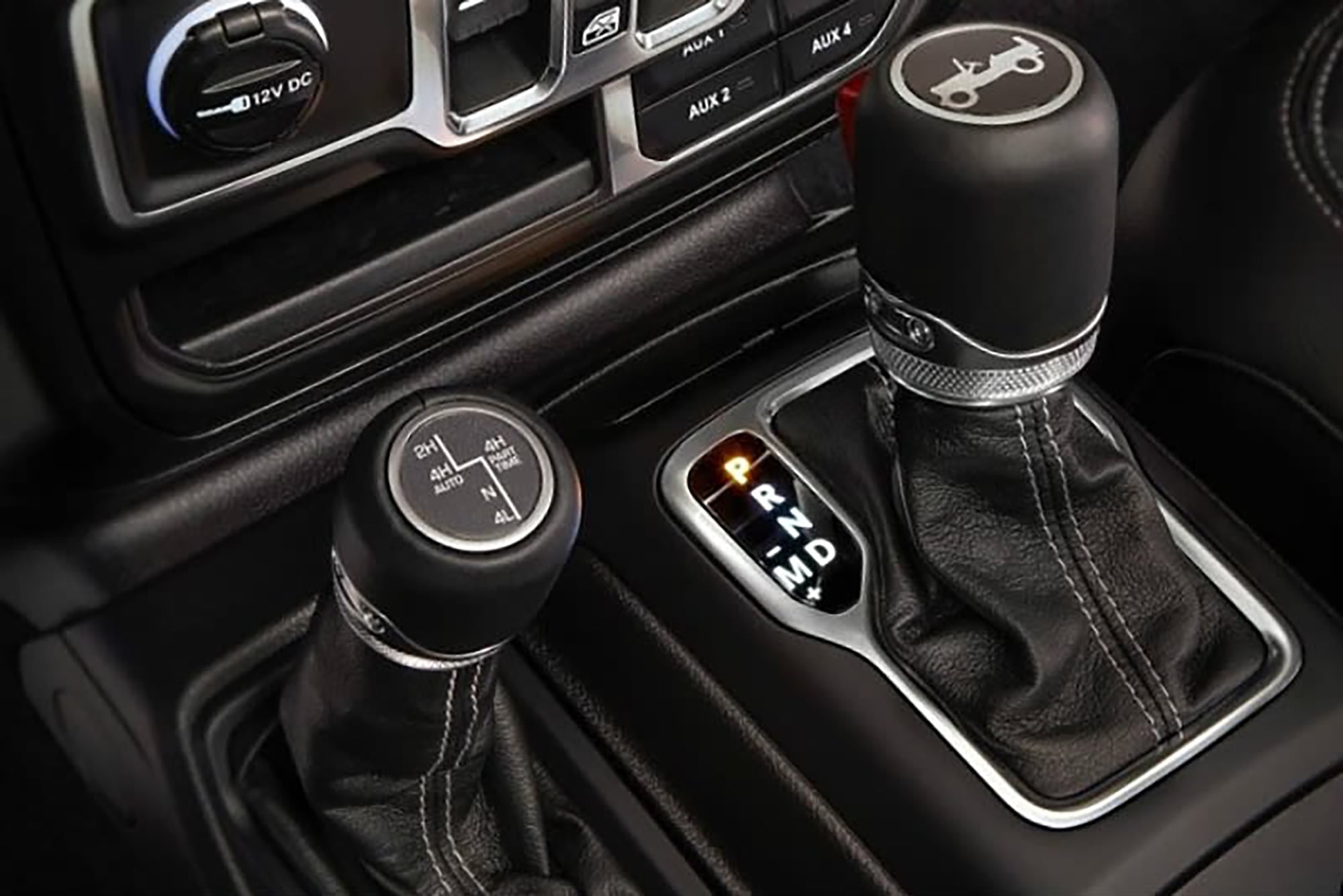
The 2020 Wrangler uses a part-time 4WD system. This means you can switch between 2WD and 4WD modes depending on the road conditions. The main modes are:
- 2H (Two-Wheel Drive High): Standard driving, rear wheels only.
- 4H (Four-Wheel Drive High): For slippery roads, snow, mud.
- 4L (Four-Wheel Drive Low): For deep off-road, steep hills, heavy mud.
Knowing when to use each mode helps avoid unnecessary wear and keeps you safe.
How To Shift Into 4wd: Step-by-step
Shifting your Wrangler into 4WD doesn’t need to be stressful. Here’s how to do it safely:
- Slow Down: Before shifting, reduce speed to below 55 mph. This protects the system.
- Select 4H: While driving straight, pull the transfer case lever from 2H to 4H. You don’t need to stop or use the clutch.
- Listen and Feel: You’ll hear a click and feel a slight change. The 4WD indicator will light up.
- For 4L: Stop the Jeep, shift to neutral (N), then pull the lever from 4H to 4L. Wait for the indicator to confirm. Avoid shifting into 4L while moving.
Here’s a quick comparison of shifting methods:
| Mode | When To Use | Speed Needed | How To Shift |
|---|---|---|---|
| 2H | Normal roads | Any speed | Default |
| 4H | Slippery, snow, mud | < 55 mph | While moving |
| 4L | Deep off-road, steep hills | Stopped | Shift in neutral |
When Should You Use 4wd?
Using 4WD isn’t always needed. It’s best for:
- Slippery roads: Rain, snow, ice.
- Off-road trails: Mud, sand, rocks.
- Steep hills: Climbing or descending.
Avoid using 4WD on dry, paved roads. This can damage the system and cause drivetrain binding.
Key Differences: 4h Vs 4l
Many drivers confuse 4H and 4L. Here’s a simple comparison:
| Feature | 4H | 4L |
|---|---|---|
| Speed | Up to 55 mph | Low (crawling) |
| Power | Normal | High torque |
| Use Case | Slippery roads | Deep mud, steep hills |
4H is for everyday tricky surfaces. 4L is for serious off-roading.

Common Mistakes When Shifting Into 4wd
Drivers sometimes make errors that can lead to problems:
- Shifting too fast: Always slow down before shifting.
- Using 4WD on dry pavement: This strains the drivetrain.
- Not stopping for 4L: Only shift into 4L when stopped and in neutral.
- Ignoring indicator lights: Always check that the mode is engaged before moving.
A non-obvious tip: If your Jeep hesitates to shift, slightly roll forward or backward. This can help the gears align.
Practical Tips For Smooth 4wd Operation
- Practice: Try shifting in a safe area before hitting tough terrain.
- Watch the weather: Shift to 4H before you get stuck, not after.
- Check your tires: Even in 4WD, poor tires reduce traction.
- Use 4WD regularly: Engage the system once a month to keep it working smoothly.
- Listen for noises: Unusual sounds may signal problems with the transfer case.
Many new owners forget to use 4WD in mild conditions just to keep the parts moving. This prevents them from sticking due to disuse.
Real-world Example
Imagine driving in Colorado during winter. The roads are icy. You slow to 40 mph and shift from 2H to 4H. The Jeep feels more stable. Later, you reach deep snow. You stop, shift to neutral, and engage 4L. Now, you crawl safely through the tough patch.
Technical Insights
The 2020 Jeep Wrangler’s transfer case uses a mechanical linkage. This means you feel resistance when shifting, especially in cold weather. It’s normal, but forcing the lever is not recommended. Always allow a moment for the gears to engage.
Another insight: If you upgrade to larger tires, recalibrate your speedometer. Bigger tires can make 4WD shifting less accurate.
Wrapping Up
Shifting your 2020 Jeep Wrangler into 4WD isn’t complicated, but it requires attention to speed, gear position, and road conditions. Using the right mode at the right time keeps you safe and protects your Jeep. Remember to slow down, follow the steps, and check indicator lights. With practice, shifting will become natural. For more in-depth vehicle information, visit the Jeep Official Site.
Frequently Asked Questions
How Do I Know If 4wd Is Engaged?
Look for the 4WD indicator light on your dashboard. You may also feel extra traction or hear a slight click when shifting.
Can I Shift Into 4h While Moving?
Yes, you can shift into 4H while driving straight and under 55 mph. You do not need to stop or use neutral.
What Happens If I Use 4wd On Dry Pavement?
Using 4WD on dry roads can cause drivetrain binding. This can damage the transfer case and other parts.
Is It Okay To Use 4l For Snow?
4L is usually too powerful for regular snow. Use 4H for most snow conditions. Reserve 4L for deep snow or heavy off-road situations.
Why Does Shifting Feel Stiff Sometimes?
Cold weather or long periods without use can make shifting stiff. Lightly rolling the Jeep forward or backward can help gears align. Never force the lever.