Jeep Xj Harmonic Balancer: Your Guide To Easy Installation With Top Tool Kits
The Jeep Cherokee XJ is a legend. For years, this rugged SUV has been a favorite for off-roading, daily driving, and everything in between.
Its inline-six engine, the 4. 0L, is known for its durability and power.
However, like any engine component, the harmonic balancer can wear out over time. A failing harmonic balancer can lead to serious engine problems, so knowing how to replace it is a valuable skill for any XJ owner.
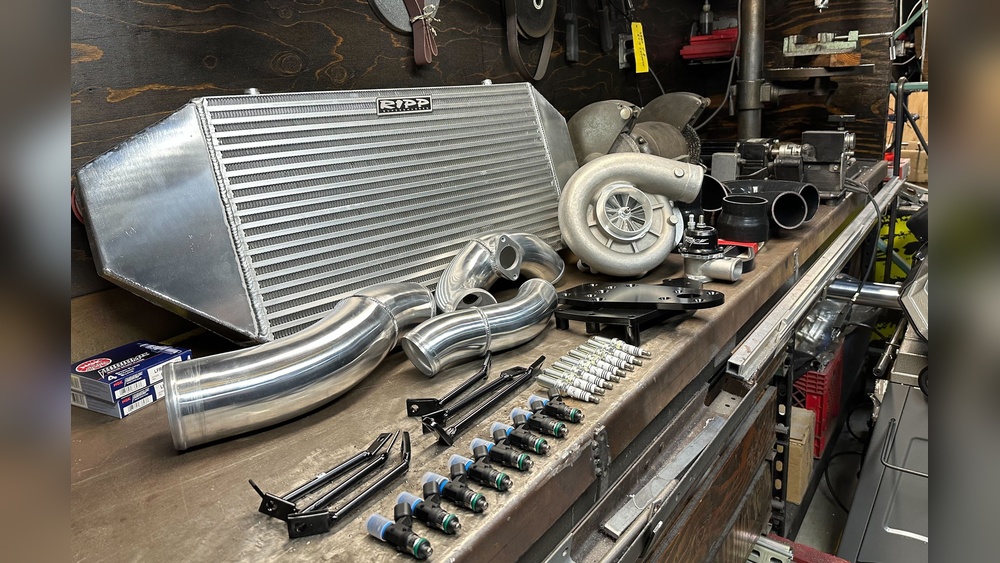
This guide will walk you through the process of installing a new harmonic balancer on your Jeep XJ. We’ll focus on making the job as easy as possible by highlighting the best tool kits available. Replacing this part might seem daunting, but with the right tools and a clear understanding of the steps, you can tackle this repair yourself and save money while keeping your Jeep running smoothly.
Why The Harmonic Balancer Matters
Before diving into the installation, it’s important to understand what a harmonic balancer does. Also known as a crankshaft pulley or vibration damper, its primary job is to reduce torsional vibrations in the crankshaft. The crankshaft rotates at high speeds, and the forces from the pistons firing create vibrations. Without the harmonic balancer, these vibrations would eventually cause the crankshaft to crack or break. It also acts as a pulley for accessories like the alternator, power steering pump, and air conditioning compressor.
A worn-out harmonic balancer can manifest in several ways. You might notice engine vibration, especially at idle or during acceleration. A squealing noise from the front of the engine, particularly when the engine is cold, can also be a sign. In more severe cases, you might see oil leaks around the crankshaft seal, as a damaged balancer can cause the seal to fail. If you suspect your harmonic balancer is failing, it’s crucial to replace it promptly to prevent further engine damage.
Recognizing The Signs Of A Failing Harmonic Balancer
Catching a failing harmonic balancer early is key to avoiding costly repairs. Several symptoms can indicate a problem. The most common is excessive engine vibration. This vibration might feel like a shaking or shuddering, especially at idle or when you rev the engine. If the rubber in the balancer has deteriorated or separated from the metal hub, it can no longer effectively absorb the crankshaft’s vibrations.
Another tell-tale sign is an unusual noise coming from the front of the engine. This is often described as a squealing or flapping sound. It can be more pronounced when the engine is first started or when it’s under load. This noise usually occurs when the rubber element of the balancer is worn out or when the inner and outer parts of the balancer are no longer bonded correctly.
You might also observe wobbling of the pulley itself. If you can see the pulley visibly shaking or moving side-to-side while the engine is running, it’s a strong indicator of a failed harmonic balancer. This misalignment can put extra stress on the crankshaft seal, leading to oil leaks. A small amount of oil seepage around the crankshaft seal area warrants a closer inspection of the harmonic balancer.
Finally, a cracked or damaged outer ring of the balancer is a visual cue that it needs replacement. While less common, this can happen due to age, stress, or impact. Always perform a thorough visual inspection when you have access to the front of the engine.
Essential Tool Kits For Harmonic Balancer Installation
Successfully installing a new harmonic balancer on your Jeep XJ requires specific tools. While some basic tools are always handy, a dedicated harmonic balancer puller and installer kit is essential. These kits are designed to safely remove the old balancer and press the new one onto the crankshaft without damaging either component or the crankshaft itself.
1. Harmonic Balancer Puller:
The old balancer is usually pressed onto the crankshaft, making it a tight fit. A puller is designed to grip the balancer and, using leverage, gently pull it off the crankshaft. Look for a puller with multiple adapter heads and bolts to ensure it fits various crankshaft snout designs. A good puller will have a strong center bolt that pushes against the crankshaft, while the arms of the puller hook onto the balancer.
2. Harmonic Balancer Installer (Crankshaft Pulley Installer):
This tool is just as crucial as the puller. It allows you to press the new balancer onto the crankshaft evenly and straight. It works by using a threaded rod that screws into the crankshaft snout (if threaded) or by using bolts that thread into the balancer itself. A large nut or screw then pushes against the center of the crankshaft, forcing the new balancer into place. This prevents you from hammering the balancer on, which can cause significant damage.
3. Socket Set and Ratchet:
You’ll need a good set of sockets and a ratchet to remove various bolts, including those holding accessory brackets and potentially the crank pulley bolt itself. An impact wrench can speed up some of these tasks, but be cautious when working around delicate engine components.
4. Serpentine Belt Tool:
Your Jeep XJ uses a serpentine belt that drives various accessories. You’ll need a tool to release the tension on the belt tensioner so you can remove the belt. This usually involves a socket or wrench that fits the tensioner pulley.
5. Pry Bars and Rubber Mallet:
While the puller and installer kits do the heavy lifting, a couple of pry bars can be helpful for gently nudging components out of the way or aligning new parts. A rubber mallet is useful for tapping components into place without causing damage.
6. Torque Wrench:
Crucially, the crankshaft pulley bolt (which holds the harmonic balancer in place) needs to be torqued to a specific specification. A torque wrench is essential to ensure this bolt is tightened correctly. Overtightening can damage the crankshaft, while undertightening can lead to the balancer coming loose.
Top Tool Kit Recommendations:
When choosing a harmonic balancer tool kit, prioritize kits from reputable brands known for their durability and quality. Some popular and well-regarded options include:
- OEM Tools Harmonic Balancer Puller and Installer Kit: This is often a go-to for DIY mechanics. It typically includes a wide range of adapters and a robust installer.
- Lisle Harmonic Balancer Puller and Installer Kit: Lisle is another respected brand that offers durable and effective tools. Their kits are known for their versatility.
- Powerbuilt Harmonic Balancer Puller and Installer Kit: Powerbuilt offers good value for money, often providing a comprehensive set of tools suitable for most common applications, including the Jeep XJ.
When purchasing, check the kit’s specifications to ensure it includes the necessary adapters for Mopar engines like the Jeep 4.0L. Many kits are universal, but some might require specific adapters for certain applications.
Step-by-step Installation Guide
Replacing your Jeep XJ’s harmonic balancer is a manageable DIY project with the right tools and preparation. The process involves several key stages: preparing the engine bay, removing the old balancer, and installing the new one.
Preparing The Engine Bay And Removing Components
- Safety First: Ensure the engine is completely cool. Disconnect the negative battery terminal to prevent any electrical shorts.
- Locate the Harmonic Balancer: The harmonic balancer is located at the front of the crankshaft, behind the serpentine belt.
- Remove the Serpentine Belt: Use your serpentine belt tool to release the tension on the belt tensioner. Once the tension is released, carefully slip the belt off the pulleys. It’s a good idea to take a photo or sketch the belt routing before removal, as it can be tricky to remember.
- Remove Accessory Brackets (if necessary): Depending on your specific XJ model and the design of the balancer, you might need to remove some accessory brackets (like the power steering pump or alternator bracket) to gain clear access to the harmonic balancer and its retaining bolt. Use your socket set to unbolt these components. You may not need to disconnect hoses or electrical connections; often, you can just unbolt the bracket and tie the accessory out of the way.
- Remove the Crankshaft Pulley Bolt: This is often the most challenging bolt to remove. It’s usually a very tight bolt that requires significant force. Use a breaker bar and the correct size socket. It’s highly recommended to have a harmonic balancer socket designed for this purpose, as it often has a deeper reach and a stronger grip. Some mechanics also use an impact wrench for this step, but be prepared for it to be stubborn.
Removing The Old Harmonic Balancer
- Attach the Harmonic Balancer Puller:
- If your puller kit has a center bolt that threads into the crankshaft, screw it in gently.
- If the puller works by bolting onto the balancer itself, attach the puller’s adapter plates to the threaded holes on the face of the harmonic balancer. Make sure they are securely fastened.
- Position the puller’s center screw or forcing screw against the end of the crankshaft.
- Extract the Old Balancer:
- Slowly and steadily turn the forcing screw of the puller. This will apply pressure and gradually pull the harmonic balancer off the crankshaft.
- Keep an eye on the process. You might hear some popping or groaning sounds as it separates. Avoid using excessive force that could damage the crankshaft. If it’s extremely difficult, re-check that all accessory brackets are fully removed and that the puller is correctly seated.
Installing The New Harmonic Balancer
- Prepare the New Balancer: Clean the mounting surface of the new harmonic balancer and the end of the crankshaft. A small amount of anti-seize lubricant can be applied to the crankshaft snout to make future removal easier, but avoid getting any on the sealing surface of the crankshaft seal.
- Position the New Balancer: Carefully slide the new harmonic balancer onto the crankshaft snout. It should slide on relatively easily until it seats against the crankshaft.
- Attach the Harmonic Balancer Installer:
- Assemble the installer tool. Typically, this involves a large threaded rod, a thrust bearing, and adapter plates or nuts that thread into the balancer.
- Screw the forcing screw of the installer tool into the end of the crankshaft (if it’s threaded) or use the appropriate adapter to press against the end of the crankshaft.
- Thread the installer nuts onto the harmonic balancer or use the adapter plates to hold the installer tool steady.
- Press the New Balancer into Place:
- Slowly turn the forcing screw of the installer tool. This will push the new balancer onto the crankshaft.
- Continue turning until the balancer is fully seated against the crankshaft. You’ll feel it bottom out. Ensure it’s pressed on straight and evenly.
- Install the Crankshaft Pulley Bolt:
- Apply a thread-locking compound (like Loctite, medium strength) to the threads of the crankshaft pulley bolt.
- Thread the bolt into the crankshaft.
- Use your torque wrench to tighten the bolt to the manufacturer’s specified torque. For the Jeep 4.0L engine, this is typically around 135-150 ft-lbs, but always verify the exact specification for your model year. This is a critical step to ensure the balancer stays securely in place.
- Reinstall Accessory Brackets and Serpentine Belt:
- Re-mount any accessory brackets you removed.
- Route the serpentine belt correctly and use the belt tensioner tool to apply tension.
- Double-check that all components are secure and properly aligned.
- Reconnect Battery and Test:
- Reconnect the negative battery terminal.
- Start the engine and listen for any unusual noises. Check for vibrations.
- Allow the engine to reach operating temperature and inspect for any leaks.
Common Pitfalls And How To Avoid Them
Even with the right tools, harmonic balancer installation can present challenges. Being aware of common mistakes can save you time and prevent costly damage.
- Using the Wrong Tools: The most frequent error is attempting to install the new balancer by hammering it on or using makeshift tools. This can bend or break the crankshaft snout, damage the balancer itself, or misalign the pulley, leading to belt issues or premature failure. Always use a dedicated harmonic balancer installer kit.
- Damaging the Crankshaft Seal: During removal or installation, it’s easy to nick or damage the crankshaft seal, leading to oil leaks. Carefully work around the seal. If it looks damaged, it’s best to replace it while you have access. A small piece of hard plastic or a seal driver can help guide the new balancer over the seal without damaging it.
- Incorrect Torque on the Crankshaft Bolt: The crankshaft pulley bolt is critical. If it’s not torqued correctly, the balancer can slip or come loose, causing severe engine damage. Always use a torque wrench and refer to your Jeep XJ’s service manual for the precise torque specification.
- Misaligned Balancer: If the new balancer isn’t pressed on perfectly straight, it can cause the serpentine belt to run crooked, leading to premature belt wear and noise. The installer tool is designed to prevent this, but ensure it’s seated correctly before fully tightening.
- Forgetting Belt Routing: It’s surprisingly easy to forget the exact path of the serpentine belt. Take a clear photo or draw a diagram before removing the belt. If you get stuck, online forums and service manuals often have diagrams for the 4.0L engine.
- Forcing Components: If a part is exceptionally difficult to remove or install, don’t just force it. Re-evaluate the situation. Are all necessary components removed? Is the tool correctly positioned? Sometimes, a penetrating oil or gentle persuasion with a rubber mallet is needed, but brute force can lead to damage.
Choosing The Right Harmonic Balancer
When it’s time to replace your Jeep XJ’s harmonic balancer, choosing a quality replacement part is as important as having the right tools. Not all balancers are created equal, and a cheap, poorly made part can fail prematurely, leading to more headaches down the road.
OEM vs. Aftermarket:
Original Equipment Manufacturer (OEM) parts are made to Jeep's specifications and are generally the most reliable. However, they can also be the most expensive.
High-quality aftermarket brands often offer a good balance of performance, durability, and cost. Look for reputable aftermarket manufacturers known for producing reliable engine components.
Key Features to Consider:
- Material Quality: The balancer consists of an inner hub and an outer ring, separated by a rubber or elastomer element. The quality of the rubber compound is crucial for its vibration-damping capabilities and