Is your Jeep’s check engine light glowing and you’re not sure what to do next? That little warning can be frustrating and even a bit scary, but don’t worry—you’re not alone.
Whether it’s a loose gas cap or something more serious, knowing how to reset that check engine light can save you time and trips to the mechanic.
You’ll discover simple, step-by-step ways to check your Jeep’s engine codes and reset the light yourself.
You’ll also learn why it’s important to fix the root issue before clearing the warning. Ready to take control of your Jeep’s health and get back on the road with confidence?
Keep reading to find out how easy it can be to reset your Jeep’s check engine light.
Common Causes Of Jeep Check Engine Light
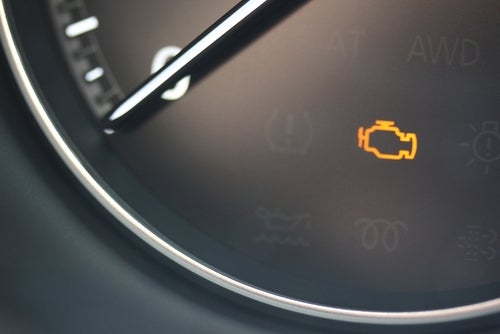
The Jeep check engine light signals a problem detected by the vehicle’s computer. This warning helps prevent serious damage by alerting drivers early.
Understanding common causes can help you address issues quickly. Some causes are simple fixes, while others need professional attention.
Loose Or Damaged Gas Cap
A loose or cracked gas cap often triggers the check engine light. Gas vapors can leak, causing the system to detect a fuel system error.
Tighten the gas cap until it clicks or replace it if damaged. The light may turn off after a few drives once the seal is secure.
Faulty Oxygen Sensor
The oxygen sensor measures the oxygen level in exhaust gases. A bad sensor can cause poor fuel economy and higher emissions.
The check engine light will alert you if the sensor fails. Replacing it restores proper engine function and fuel efficiency.
Malfunctioning Catalytic Converter
The catalytic converter reduces harmful emissions from the exhaust. A failing converter can cause a drop in engine performance and trigger the light.
Common signs include reduced acceleration and strange smells. Repair or replacement is often necessary to fix this issue.
Issues With Spark Plugs Or Wires
Worn spark plugs or damaged wires cause misfires and rough engine running. These problems make the engine less efficient and increase emissions.
The check engine light will come on to signal trouble. Replacing spark plugs and wires often resolves the problem and improves performance.
Using An Obd-ii Scanner
An OBD-II scanner is a useful tool for managing your Jeep’s check engine light. It lets you read and clear trouble codes quickly. This method helps identify exact problems without guesswork. Using a scanner can save time and money on repairs. Below are steps to use an OBD-II scanner effectively.
Locating The Diagnostic Port
The diagnostic port is usually under the dashboard near the steering wheel. Look below the driver’s side panel or near the fuse box.
It is a small, rectangular connector with 16 pins. This port links your Jeep’s computer to the scanner.
Make sure your Jeep is off before plugging in the scanner.
Reading Trouble Codes
Turn the ignition to the ON position without starting the engine. Power on your OBD-II scanner and follow on-screen instructions.
Choose the option to read trouble codes. The scanner will display codes linked to your Jeep’s engine issues.
Write down the codes for reference or look them up online. This step helps pinpoint the exact problem causing the check engine light.
Clearing Codes Safely
After addressing the issue, you can clear the codes with the scanner. Select the erase or clear option on your device.
Wait for confirmation that codes are deleted. Turn off the ignition and unplug the scanner.
Drive your Jeep for a short time to ensure the light stays off. Clearing codes without fixing problems can cause the light to return quickly.
Manual Reset Methods
Manual reset methods offer simple ways to clear your Jeep’s check engine light. These techniques erase the error codes stored in the vehicle’s computer without special tools.
They work best after fixing the issue causing the warning light. Manual resets can save time and money by avoiding a trip to the mechanic.
Disconnecting The Battery
Start by parking your Jeep and turning off the ignition completely. Open the hood and locate the negative battery terminal with a black cap and minus (-) symbol.
Use a wrench to loosen the terminal clamp and remove the cable from the battery post. Wait about 15 minutes to allow the computer to reset.
Reconnect the cable and tighten the clamp securely. This method clears the stored codes and turns off the check engine light.
Key Cycle Method To Retrieve Codes
Sit inside the Jeep with all doors closed. Without starting the engine, quickly turn the key from OFF to RUN (ACC) three times.
On the third turn, leave the key in the RUN position. Your dashboard will show trouble codes related to the problem.
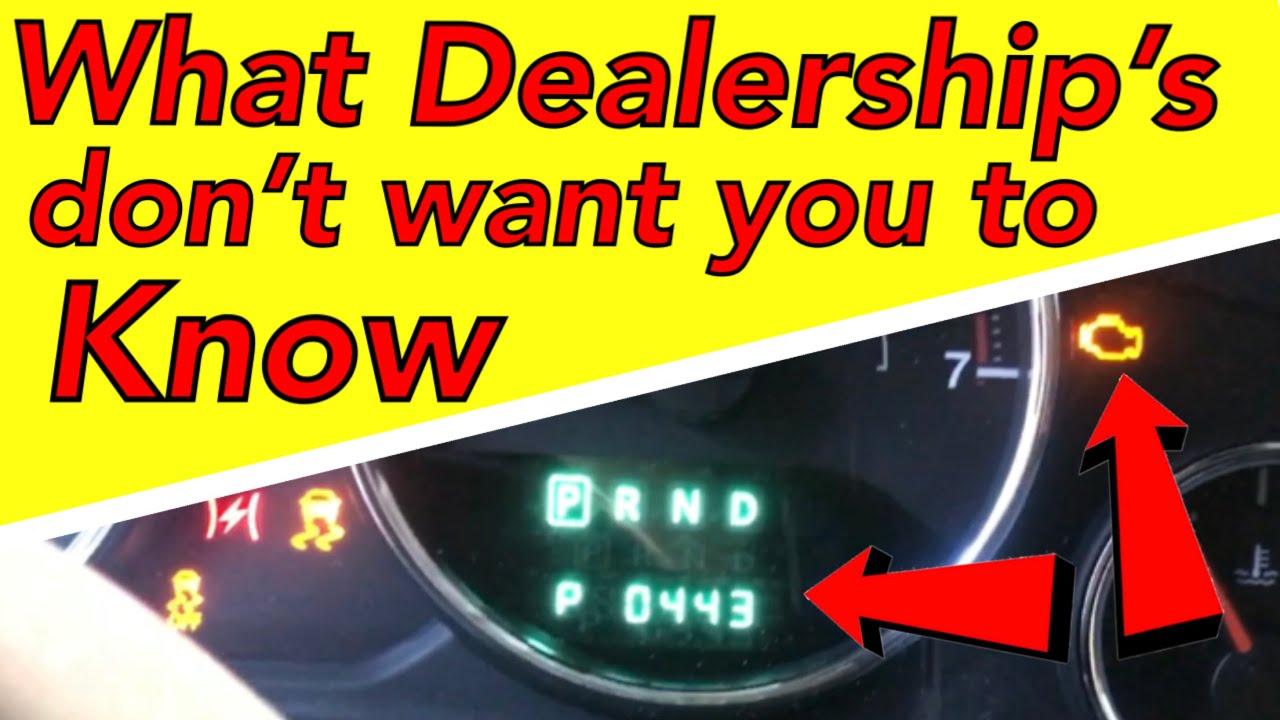
If no codes exist, the display will say “Done.” This method lets you view error codes without a scanner and may reset the check engine light.
Precautions When Resetting Manually
Manual resets erase all stored codes, including helpful diagnostic information. Avoid resetting before fixing the root cause of the check engine light.
Disconnecting the battery can reset radio presets and clock settings. Always follow safety steps to prevent electrical shocks or damage.
If the light returns after reset, professional diagnosis is recommended.
Quick Fixes To Turn Off The Light
The Jeep check engine light can turn on for many reasons. Some causes are simple and quick to fix.
These fixes can often reset the light without extra tools. Try these easy steps before visiting a mechanic. They save time and money.
Tightening Or Replacing The Gas Cap
A loose gas cap often triggers the check engine light. Remove the cap and check for cracks or damage.
Tighten the gas cap firmly until it clicks. This seals the fuel system and stops fuel vapors from escaping.
After tightening, drive your Jeep for a few miles. The light may turn off by itself.
If the gas cap is broken, replace it with a new one. A new cap prevents leaks and keeps the system sealed.
This simple fix works for many Jeep models.
Inspecting And Replacing Hoses
Old or cracked hoses cause engine problems and trigger the warning light. Open the hood and check all vacuum and fuel hoses.
Look for cracks, leaks, or loose connections. Replace damaged hoses with new ones of the same size and type.
Secure loose hoses with clamps or clips. Proper hose condition keeps your Jeep running well.
It often clears the check engine light after repair.
Simple Maintenance Checks
Routine maintenance helps prevent and fix check engine light issues. Check the engine oil level and top up if needed.
Low oil can cause engine trouble and warnings. Also, check the air filter.
A dirty air filter reduces engine performance and may trigger the light.
Replace old spark plugs and clean battery terminals. These small tasks improve engine function and clear error codes.
Regular maintenance keeps your Jeep healthy and the warning light off.
When To Seek Professional Help
Knowing when to seek professional help for your Jeep’s check engine light is crucial. The light may turn off after simple fixes, but some issues need expert care.
Ignoring serious signs can lead to costly repairs and safety risks. Watch for persistent warning lights, strange noises, or poor engine performance.
Your safety depends on timely action by a skilled mechanic.
Persistent Warning Lights
If the check engine light stays on after resetting, the problem is likely serious. Repeated warning lights mean the issue is ongoing.
A quick reset is not enough. Professionals can use advanced tools to find the exact cause.
Do not delay in getting your Jeep checked.
Unusual Engine Noises Or Performance
Strange sounds from the engine or rough running are signs of trouble. Hesitation, stalling, or loss of power need attention.
Mechanics can diagnose hidden problems causing these symptoms. Driving with poor engine performance can damage your Jeep further.
Safety Considerations
Some engine problems affect your safety on the road. Faults in the emission system or fuel delivery may cause dangerous conditions.
A professional can ensure your Jeep runs safely and meets regulations. Never ignore warning signs that could put you and others at risk.
Preventive Tips For Jeep Owners
Keeping the Jeep’s check engine light off starts with good habits. Preventive care helps avoid sudden breakdowns.
It saves money and keeps your Jeep running smoothly. Follow these simple tips to maintain your Jeep’s health.
Regular Vehicle Maintenance
Check your Jeep’s fluids often. Oil, coolant, and brake fluids need regular changes.
Replace air filters to keep the engine breathing well. Inspect spark plugs and belts for wear.
Follow the service schedule in your owner’s manual. Regular tune-ups catch small problems early.
Using Quality Fuel And Parts
Use clean, high-quality fuel for better engine performance. Avoid cheap gas that can clog fuel injectors.
Always choose parts made for Jeep models. Low-quality parts may cause engine trouble.
Genuine parts fit better and last longer. This helps prevent check engine light issues.
Monitoring Dashboard Indicators
Watch your dashboard for warning signs. Don’t ignore small alerts or blinking lights.
Check the gas cap regularly; a loose cap often triggers the light. Take note of strange noises or smells.
Early attention helps avoid major repairs. Use an OBD-II scanner to read codes if the light stays on.
Frequently Asked Questions
How To Clear A Check Engine Light On A Jeep?
Tighten or replace a loose gas cap first. Use an OBD-II scanner to read and clear codes.
Alternatively, disconnect the negative battery terminal for 15 minutes. Drive normally to confirm the light stays off.
Fix the root cause to prevent the light from returning.
Will The Jeep Check Engine Light Reset Itself?
The Jeep check engine light may reset itself after fixing the issue and several driving cycles. Use an OBD-II scanner or disconnect the battery to clear it manually.
Without repair, the light will likely turn back on soon.
Can I Drive $1000 Miles With The Check Engine Light On?
Driving 1,000 miles with the check engine light on risks serious damage. Get the issue diagnosed and repaired promptly to avoid costly repairs.
What Does A Car With Squiggly Lines Mean On A Jeep?
The squiggly lines on a Jeep indicate the Electronic Stability Control (ESC) system is active. It helps maintain traction and prevent skidding.
Conclusion
Resetting your Jeep’s check engine light can be simple with the right steps. Always start by fixing the root problem to avoid recurring issues.
Using an OBD-II scanner provides the most accurate way to read and clear codes. You can also try tightening the gas cap or disconnecting the battery carefully.
Remember, clearing the light without repairs may cause it to come back. Stay patient and follow the correct process.
Your Jeep will run better, and the warning light will stay off longer.