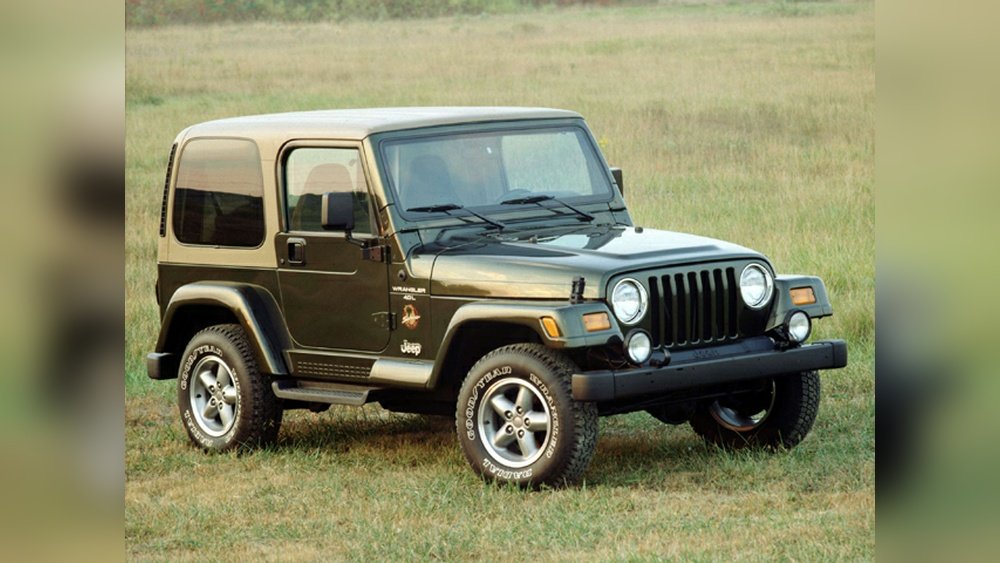
The Jeep TJ is a legendary vehicle for off-road fans and those who love adventure. The 1999 Jeep TJ, often known as the Wrangler TJ, brought exciting changes compared to previous models.
It’s famous for its tough build, simple design, and strong performance. If you are thinking about buying one, restoring, or just curious, knowing the full specs can help you make smart choices.
This guide breaks down the 99 Jeep TJ specs—covering every feature that matters, from the engine to the smallest detail.
Engine And Performance
- Engine Type: The 1999 Jeep TJ comes with two engine options—2.5L Inline-4 and 4.0L Inline-6.
- Horsepower: The 2.5L engine produces 120 hp, while the 4.0L makes 181 hp.
- Torque: The 2.5L gives 140 lb-ft, and the 4.0L offers 222 lb-ft.
- Fuel System: Uses multi-port fuel injection for better efficiency and response.
- Transmission: Standard 5-speed manual; optional 3-speed automatic.
- Transfer Case: Features the NV231 Command-Trac part-time 4WD.
- Axle Ratio: Most models use a 3.73 axle ratio; some have 4.10.
- Differential Type: Open front and rear; Dana 30 front, Dana 35 rear.
- Top Speed: Maximum speed is around 95 mph.
- Acceleration: 0–60 mph in about 8.7 seconds for the 4.0L engine.
Exterior Dimensions And Body
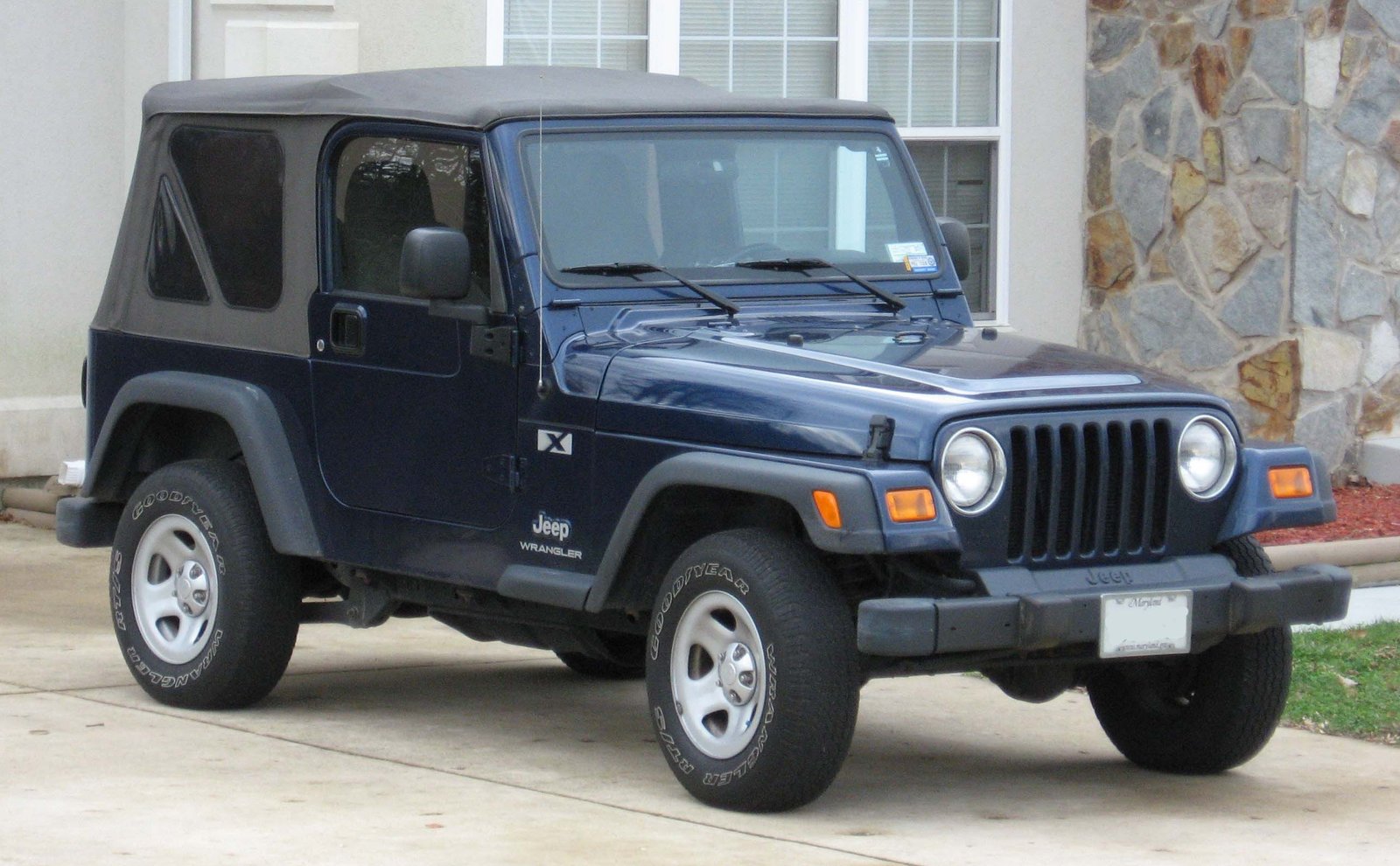
- Overall Length: 155.4 inches
- Width: 68.3 inches
- Height: 71.2 inches
- Wheelbase: 93.4 inches
- Ground Clearance: 8.7 inches
- Curb Weight: 3,164 lbs (4.0L) and 2,998 lbs (2.5L)
- Doors: Standard 2 doors
- Body Style: Convertible SUV with removable top
- Frame: Steel ladder-type frame for durability
- Paint Options: Colors like Chili Pepper Red, Black, Forest Green, and more
Suspension And Handling
- Front Suspension: Coil spring with solid axle
- Rear Suspension: Coil spring with solid axle
- Shock Absorbers: Hydraulic, double-acting
- Steering Type: Recirculating ball
- Turning Circle: 34.5 feet
- Stabilizer Bars: Front and rear for improved control
- Ride Quality: Designed for rough terrain, a bit stiff on pavement
- Articulation: Excellent for off-road, due to coil springs
Brakes And Safety
- Front Brakes: Disc brakes
- Rear Brakes: Drum brakes
- Brake Booster: Power-assisted
- ABS: Not standard; available on select trims
- Seat Belts: 3-point for all seats
- Airbags: Driver and passenger front airbags
- Side Impact Bars: Yes, in doors
- Child Seat Anchors: Available
- Security System: Factory-installed immobilizer
Interior Features And Comfort
- Seating Capacity: 4 passengers
- Seat Material: Cloth standard, vinyl optional
- Front Seats: Bucket style, manual adjust
- Rear Seats: Bench, foldable for cargo
- Headroom: 41.1 inches front
- Legroom: 41.1 inches front, 35.6 inches rear
- Dashboard Design: Simple, easy-to-read gauges
- Air Conditioning: Optional, not standard
- Heater: Standard
- Sun Visors: Included for driver and passenger
Storage And Cargo
- Cargo Volume: About 11.6 cubic feet behind rear seats
- Rear Seat Folding: Increases cargo space
- Glove Box: Lockable
- Center Console: Basic storage
- Door Pockets: Small, for maps and essentials
- Cupholders: Two in the front
- Trunk Access: Swing-out tailgate
Wheels And Tires
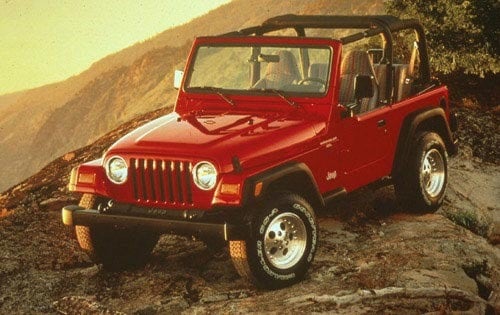
- Wheel Size: 15-inch steel wheels standard
- Optional Wheels: 15-inch alloy available
- Tire Size: P225/75R15
- Spare Tire: Mounted on rear tailgate
- Lug Nut Pattern: 5 x 4.5 inches
- Tire Pressure Monitoring: Not available in 1999 models
Lighting And Electrical
- Headlights: Halogen, round shape
- Taillights: Standard rectangular
- Fog Lights: Optional, factory-installed
- Turn Signals: Integrated in front fenders
- Battery: 600 CCA for reliable starts
- Alternator: 117 amp for powering accessories
- Wiring Harness: Designed for easy upgrades
Off-road Features
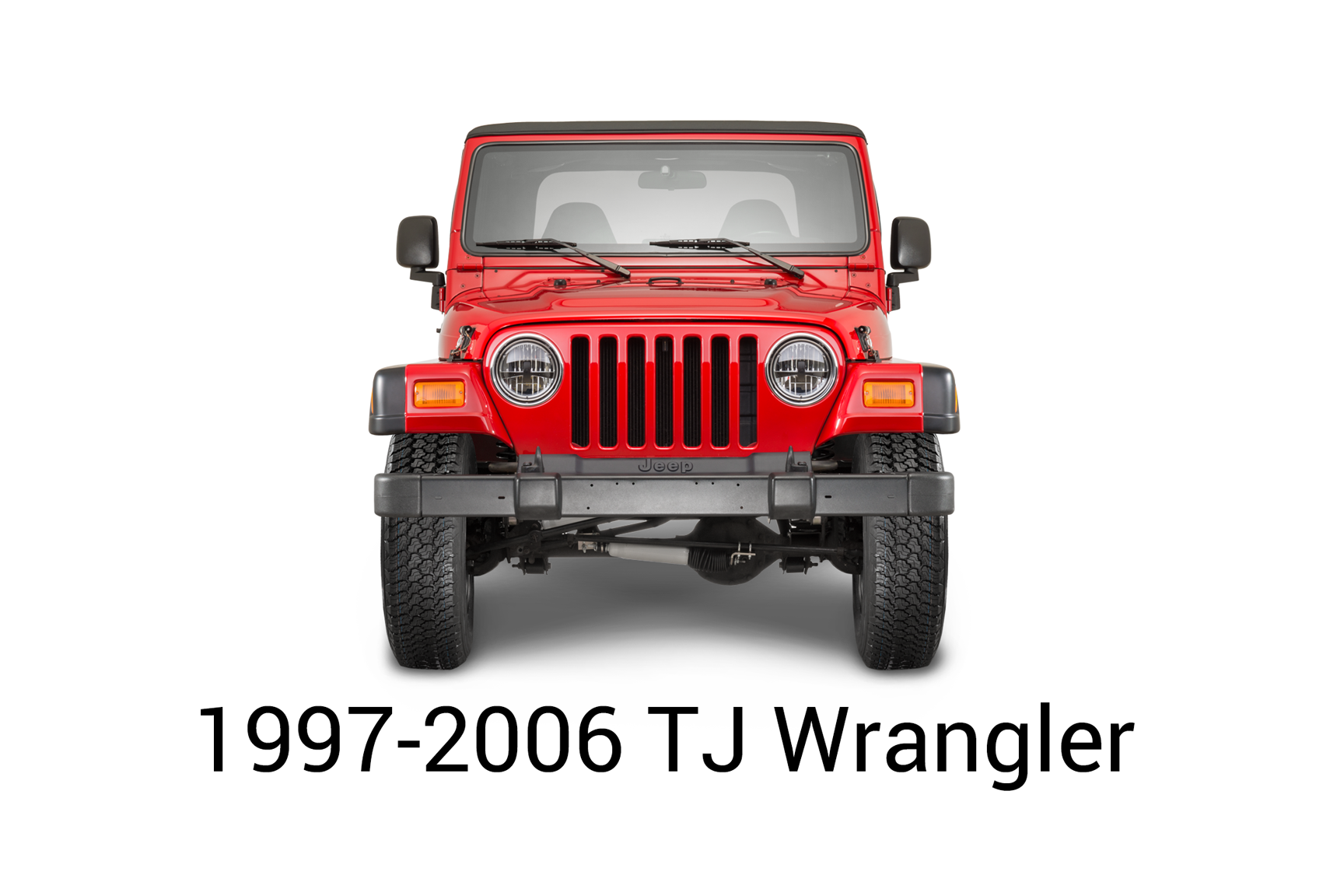
- Skid Plates: Protects fuel tank and transfer case
- Tow Hooks: Two in front, one in rear
- Recovery Points: Standard on most trims
- Approach Angle: 44.9 degrees
- Departure Angle: 31.4 degrees
- Breakover Angle: 22.8 degrees
- Water Fording Depth: Up to 19 inches
- Locking Hubs: Not included; full-time axle engagement
- Hill Climb Ability: Excellent due to gearing and torque
- Trail Rating: Known for high performance in Rubicon Trail tests
Entertainment And Technology
- Audio System: AM/FM radio, cassette player standard
- Speakers: Two front, two rear
- CD Player: Optional upgrade
- Antenna: Fixed mast type
- Power Outlets: One 12V outlet in front
- Clock: Digital on dash
- Cruise Control: Optional on select trims
Fuel Economy And Tank
- Fuel Type: Regular unleaded gasoline
- Fuel Tank Capacity: 19 gallons
- MPG (City/Highway): 16/19 mpg (4.0L), 18/20 mpg (2.5L)
- Range: Up to 350 miles per tank
- Emission Control: Meets 1999 EPA standards
Trim Levels And Packages
- SE: Basic trim, 2.5L engine, minimal features
- Sport: 4.0L engine, more options
- Sahara: Premium trim, special decals, upgraded interior
- Ravine Package: Includes unique wheels and off-road tires
- Winter Package: Optional heater upgrades, extra insulation
- Appearance Package: Custom paint and decals
- Sound Package: Upgraded speakers and CD player
- Convenience Package: Power steering, improved locks
- Towing Package: Factory tow hitch, wiring harness
- Custom Options: Dealer-installed upgrades for wheels, steps, and lights
Key Comparison Data
To help you understand how the 1999 Jeep TJ stands out, here’s a quick comparison with other popular off-road vehicles:
| Model | Engine | Horsepower | MPG (Combined) | Ground Clearance |
|---|---|---|---|---|
| 1999 Jeep TJ | 4.0L I-6 | 181 hp | 17 | 8.7 in |
| 1999 Toyota 4Runner | 3.4L V6 | 183 hp | 17 | 8.1 in |
| 1999 Ford Explorer | 4.0L V6 | 205 hp | 15 | 7.8 in |
Interior Vs Exterior Features
Another helpful comparison is between the interior and exterior features of the 99 Jeep TJ:
| Feature Type | Key Features | Optional Extras |
|---|---|---|
| Interior | Cloth seats, foldable rear bench, manual windows | Air conditioning, CD player, upgraded speakers |
| Exterior | Steel frame, removable top, spare tire mount | Alloy wheels, fog lights, custom paint |
Maintenance And Common Issues
Owning a 1999 Jeep TJ means regular maintenance for top performance. Here are some practical tips:
- Change engine oil every 3,000–5,000 miles.
- Inspect differentials and transfer case fluids every 12,000 miles.
- Watch for rust on the frame and underbody, especially in northern climates.
- Check brake lines for corrosion.
- Maintain suspension bushings; these wear out faster on rough roads.
- Replace air filter every 15,000 miles.
- Use OEM parts for repairs to keep reliability high.
Many owners miss the importance of checking the electrical system for corrosion, especially around the battery terminals and wiring harness. Another common mistake is ignoring the soft top condition; replacing it before leaks appear will save money and protect the interior.
Practical Insights For Buyers
If you’re considering a used 1999 Jeep TJ, look for these signs:
- Proper maintenance records
- Minimal rust, especially under the body
- All original parts, or quality upgrades
- Working 4WD system
- Good tire tread
Some buyers focus only on the engine but forget about the frame condition. A strong frame is more important for off-road use and safety. Also, confirm the VIN matches the title and check for any recall history.