The 1994 Jeep Wrangler YJ is an iconic vehicle, known for its rugged capability and distinctive, square headlights. For many Jeep enthusiasts, the hard top option offers a significant upgrade in comfort, security, and all-weather usability compared to the standard soft top.
This article explores everything you need to know about the 1994 Jeep Wrangler hard top, from its features and benefits to common issues and maintenance tips.
Whether you're a new owner or considering purchasing one, understanding the nuances of this particular hard top will help you make the most of your YJ experience.
Understanding The 1994 Jeep Wrangler Hard Top
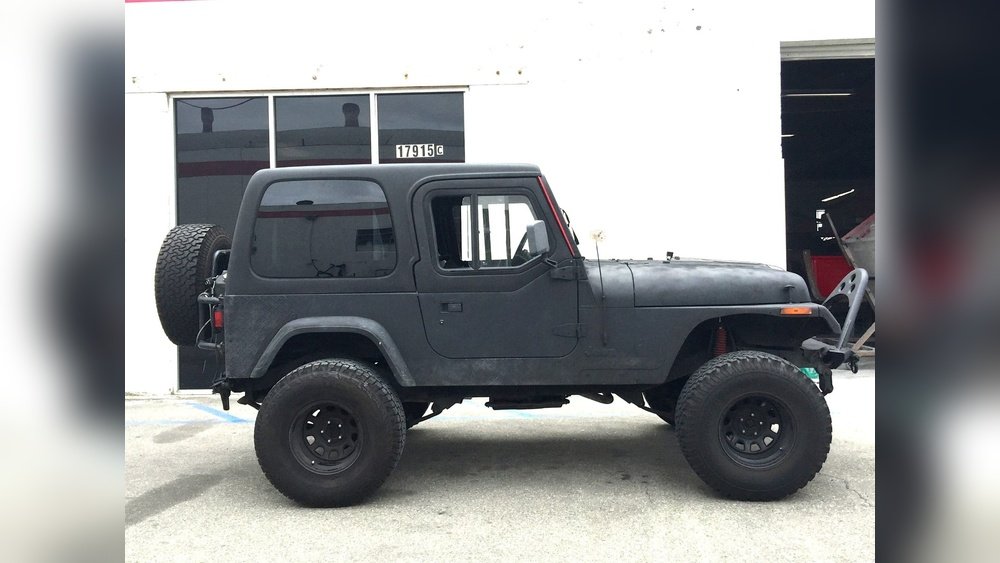
The 1994 model year falls within the YJ generation of Jeep Wranglers, which ran from 1987 to 1995. This era is easily identified by its controversial square headlights, a departure from the traditional round ones.
The hard top offered for the YJ was a significant improvement for those who wanted to use their Jeep year-round, not just in fair weather.
It provided better insulation against cold and heat, reduced wind noise, and offered a more secure environment for passengers and cargo.
Key Features Of The Yj Hard Top
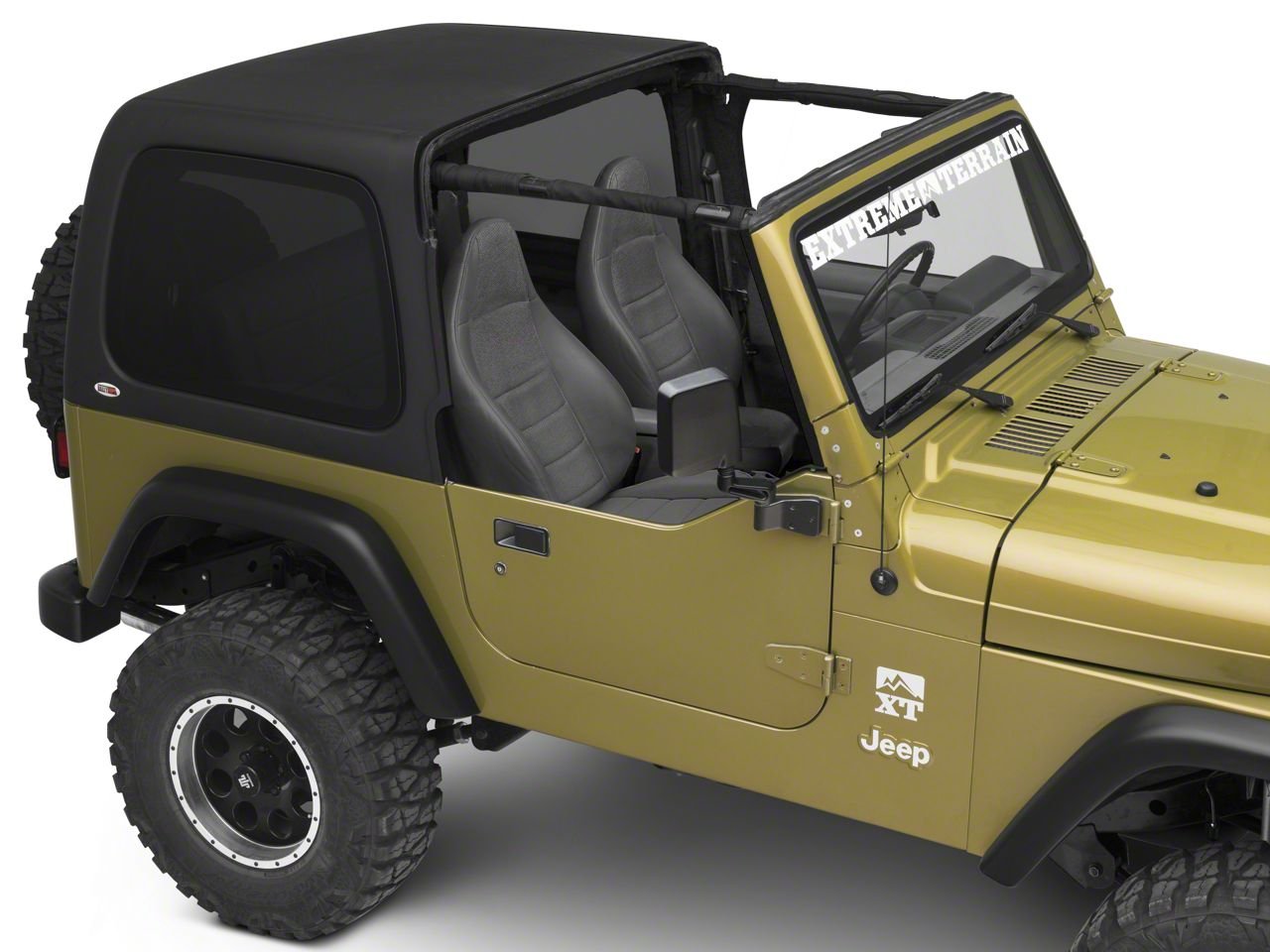
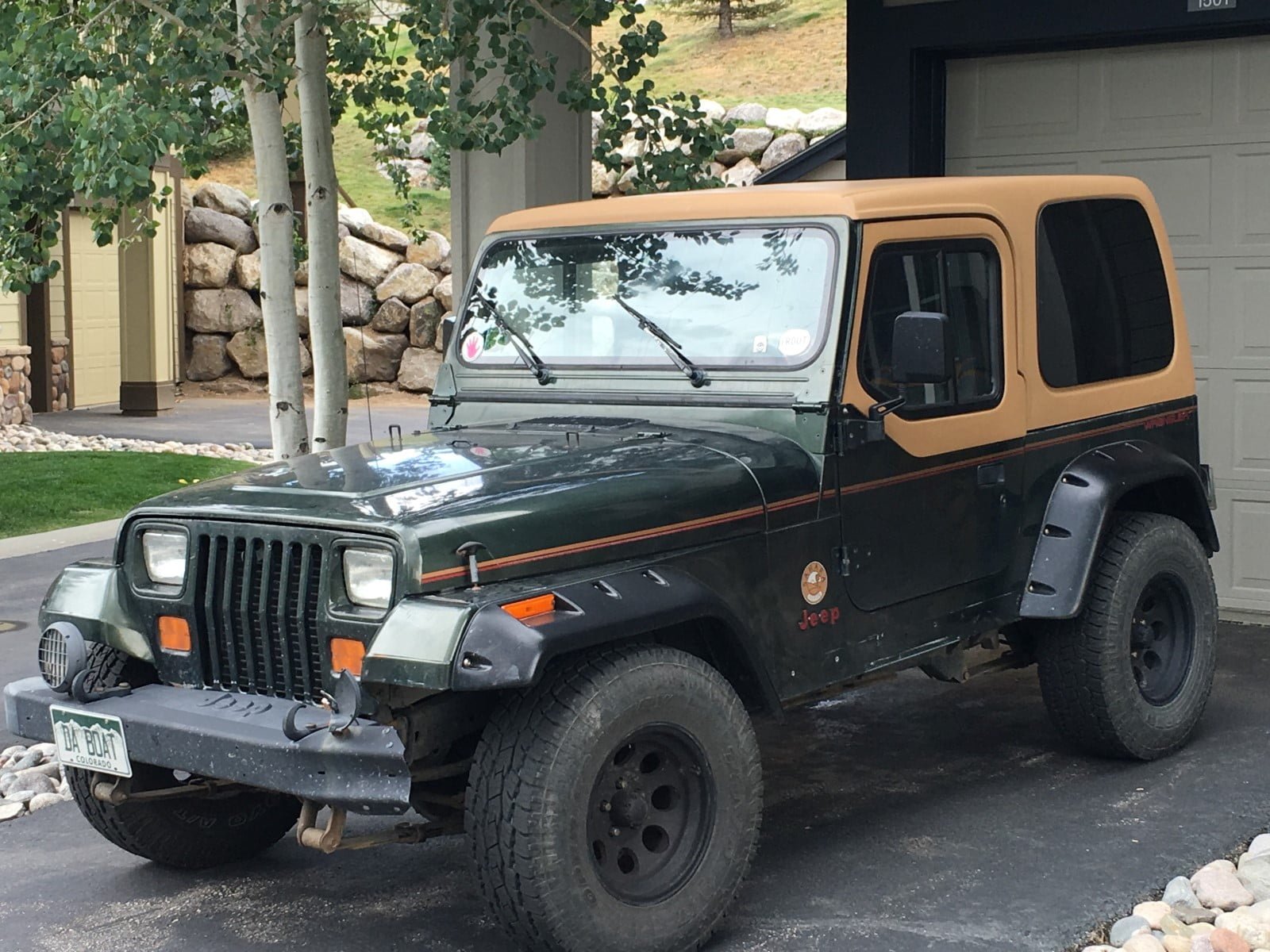
The factory hard top for the 1994 Jeep Wrangler was designed to integrate seamlessly with the vehicle’s body. It typically came in a black or body-color finish and featured large side windows and a rear liftgate with a wiper and defroster.
The interior was often lined with an acoustic headliner to help dampen road noise, a common complaint with soft-top Wranglers.
One of the most significant benefits was the enhanced security. A hard top makes it much more difficult for thieves to break into the vehicle or steal contents compared to a soft top. It also provides a much more watertight seal, preventing leaks that can plague older soft tops, especially after years of use and exposure to the elements.
Benefits Of Owning A Hard Top
The advantages of a hard top extend beyond security and weather protection. For daily drivers or those who venture into colder climates, the insulation provided by a hard top is invaluable. It helps keep the cabin warmer in winter and cooler in summer, reducing the strain on the heater and air conditioning systems. This can lead to a more comfortable driving experience and potentially better fuel efficiency as the HVAC system doesn’t have to work as hard.
Furthermore, the noise reduction is a major plus. Wranglers, especially from this era, are known for being noisy on the highway. The hard top, with its acoustic headliner, significantly dampens wind and road noise, making conversations easier and the overall ride more pleasant. This makes longer trips much more enjoyable.
Installation And Removal
One of the defining characteristics of Jeep hard tops is their removability. While the process can be a bit more involved than removing a soft top, it allows owners to enjoy the open-air experience of a Jeep when desired.
The Removal Process
Removing a YJ hard top typically involves unbolting it from the Jeep’s tub and disconnecting the electrical connections for the rear defrost and wiper. There are usually several bolts located along the edges of the tub and around the windshield frame. It’s a two-person job due to the weight and awkwardness of the top. Once unbolted, the top can be lifted off and stored. Many owners opt for specialized storage racks to keep the hard top safe and out of the way when not in use.
Reinstallation Tips
Reinstalling the hard top requires careful alignment to ensure a proper seal. It’s crucial to ensure all bolts are tightened evenly to prevent stress on the fiberglass or composite material. Checking the rubber seals around the windows and doors for damage or wear is also a good idea during reinstallation. A worn seal can lead to leaks, even with a hard top.
Aftermarket Options
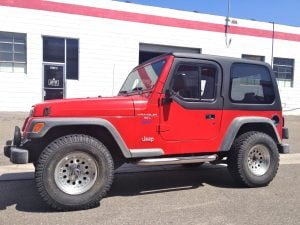
While the factory hard top is desirable, there are also many aftermarket hard tops available for the YJ. These can offer different features, such as larger windows, skylights, or different materials. When considering an aftermarket option, it’s important to research the manufacturer’s reputation for quality and fitment.
Common Issues And Maintenance
Like any vehicle component, the 1994 Jeep Wrangler hard top can develop issues over time. Regular maintenance and awareness of common problems can help prolong its life and ensure it functions optimally.
Leaks
The most common issue with any hard top is water leaks. These can occur around the seals of the windows, doors, or where the hard top meets the Jeep’s body. Over time, seals can dry out, crack, or become compressed, losing their ability to create a watertight barrier.
Addressing leaks often involves cleaning the seals thoroughly and applying a silicone-based lubricant to keep them supple. If seals are visibly damaged, they will need to be replaced. For leaks around the body, checking the condition of the weatherstripping and ensuring the hard top is properly bolted down can help. Sometimes, a liberal application of silicone sealant can provide a temporary fix, but replacing the affected seals is the best long-term solution.
Cracks And Damage
Hard tops, typically made of fiberglass or ABS plastic, can be susceptible to cracks, especially around mounting points or from impacts. Small cracks can often be repaired by DIY enthusiasts using fiberglass repair kits. Larger or more extensive damage might require professional repair or replacement of the entire hard top.
Window Issues
The rear liftgate window can sometimes become loose or develop leaks. The hinges and latches should be checked periodically for proper function and tightness. If the defroster or wiper stops working, it usually points to an electrical issue, such as a broken wire or a faulty switch, rather than a problem with the hard top itself.
Noise And Vibrations
While a hard top reduces noise compared to a soft top, some owners still experience rattles or vibrations. These can often be traced to loose mounting bolts, worn body mounts, or even items stored inside the Jeep. Checking all mounting points and ensuring everything is snug can often resolve these issues. Adding extra sound-deadening material inside the hard top can further reduce noise.
Enhancing Your Hard Top Experience
There are several ways to improve the functionality and aesthetics of your 1994 Jeep Wrangler hard top.
Interior Upgrades
Many owners choose to add aftermarket headliners or sound-deadening mats to further reduce noise and improve insulation. These can make a significant difference in the cabin’s comfort level. Custom lighting or storage solutions can also be integrated into the hard top.
Exterior Modifications
For those who want to maximize their Jeep’s utility, roof racks designed to mount on hard tops are a popular option. These allow for carrying extra gear, such as luggage, kayaks, or camping equipment. Some roof rack systems require drilling into the hard top, so careful planning and installation are essential.
Painting And Refinishing
A hard top can be painted to match the Jeep's body color or to create a custom look. This is a good way to refresh an older, faded hard top or to personalize your vehicle.
Proper surface preparation, including cleaning and sanding, is crucial for a durable paint job.
Comparing Hard Top Vs. Soft Top For The 1994 Wrangler
The choice between a hard top and a soft top for a 1994 Jeep Wrangler often comes down to priorities.
Soft Top Advantages
Soft tops offer the ultimate in open-air driving. They are generally easier and quicker to remove and install, allowing for spontaneous top-down adventures. They are also typically less expensive than hard tops. For those who live in warm climates and primarily use their Jeep in good weather, a soft top can be ideal. The flexibility of folding it down or removing it completely is a major draw for many Jeep owners.
Hard Top Advantages
As discussed, the hard top provides superior security, insulation, and noise reduction. It transforms the Wrangler into a more comfortable and practical daily driver, capable of handling various weather conditions without compromising the experience. For owners who use their Jeep year-round, or in areas with extreme temperatures or inclement weather, the hard top is often the preferred choice. The added protection against the elements and potential theft is a significant benefit.
Cost Considerations
A used factory hard top can vary in price depending on its condition and availability. New aftermarket hard tops can be quite expensive.
Soft tops are generally more affordable, both new and used. When factoring in the cost, consider the longevity and the added benefits each option provides.
A good quality hard top can last for decades with proper care.
Specific Hard Top Models And Variations
While the YJ generation had a primary factory hard top design, there were some variations and considerations.
Factory Vs. Aftermarket
The factory hard top is designed to fit the YJ perfectly and often comes with features like the acoustic headliner. Aftermarket options, such as those from brands like Bestop or Smittybilt, might offer different window configurations, lighter materials, or unique styling.
Condition Matters
When buying a used hard top, inspect it thoroughly. Look for cracks, delamination, and the condition of the seals and latches. Check the interior for signs of water damage or mold. The glass in the rear liftgate should be free of significant scratches or chips.
Compatibility
Ensure the hard top is specifically designed for the YJ Wrangler (1987-1995). While some tops might appear similar, subtle differences in body lines or mounting points can prevent a proper fit. Always verify compatibility before purchasing.
Maintaining Your 1994 Jeep Wrangler Hard Top
Proper care will ensure your hard top lasts for many years and continues to protect you from the elements.
Cleaning
Regular washing with mild soap and water is sufficient for most cleaning needs. Avoid abrasive cleaners or brushes that can scratch the paint or fiberglass. For stubborn dirt or sap, a dedicated automotive cleaner or degreaser can be used, but always test in an inconspicuous area first.
Seal Care
The rubber seals around the windows and doors are critical for preventing leaks. Clean them regularly and apply a silicone-based protectant or lubricant. This helps keep them flexible and prevents them from drying out, cracking, or sticking.
Waxing And Protection
The painted exterior of the hard top can be waxed just like the rest of your Jeep's body. This will help protect the paint from UV damage, environmental contaminants, and minor scratches.
A good quality automotive wax will provide a protective barrier and enhance the shine.
Storage
If you remove the hard top for extended periods, ensure it is stored properly. A hard top stand or rack is ideal, keeping it off the ground and preventing undue stress on any one area. Avoid stacking heavy items on top of it. Ensure it’s stored in a clean, dry place, protected from the elements.
Frequently Asked Questions
What Is The Main Advantage Of A Hard Top Over A Soft Top For A 1994 Jeep Wrangler?
The primary advantages of a hard top are enhanced security, better insulation against heat and cold, and significantly reduced noise compared to a soft top. This makes the Wrangler a more comfortable and practical vehicle for daily driving and year-round use.
How Do I Prevent My Hard Top From Leaking?
To prevent leaks, regularly inspect and maintain the rubber seals around all windows and the body seams. Clean them and apply a silicone lubricant to keep them supple. Ensure the hard top is properly bolted down and that the seals are not damaged or compressed. If leaks persist, consider replacing worn-out seals.
Can I Install A Hard Top On A 1994 Jeep Wrangler That Originally Came With A Soft Top?
Yes, you can. The 1994 Jeep Wrangler YJ was designed to accommodate either a soft top or a hard top. You will need to ensure you have all the necessary mounting hardware, which usually includes bolts and brackets. If you are purchasing a used hard top, verify that all mounting hardware is included or available separately.
How Difficult Is It To Remove And Install A 1994 Jeep Wrangler Hard Top?
Removing and installing a YJ hard top is typically a two-person job due to its weight and size. It involves unbolting the top from the body and disconnecting electrical connections for the rear wiper and defroster. While not overly complex, it requires care and proper alignment to ensure a good seal upon reinstallation.
Are There Any Common Problems Specific To The 1994 Jeep Wrangler Hard Top?
The most common issues are water leaks due to aging seals, and occasional cracks in the fiberglass or plastic, especially around mounting points. Some owners also report persistent rattles or vibrations if the top isn’t securely fastened or if body mounts are worn. Electrical issues with the rear wiper or defroster can also occur.
The 1994 Jeep Wrangler YJ hard top offers a significant upgrade for owners seeking greater comfort, security, and all-weather capability. While it requires more effort to remove than a soft top, the benefits it provides for daily driving and extended adventures are substantial.
By understanding its features, common issues, and maintenance needs, you can ensure your hard top remains a valuable asset for years to come, transforming your rugged Jeep into a more refined and versatile vehicle.